1,400-year-old village — with burial ground and colorful ceramics — revealed. See them
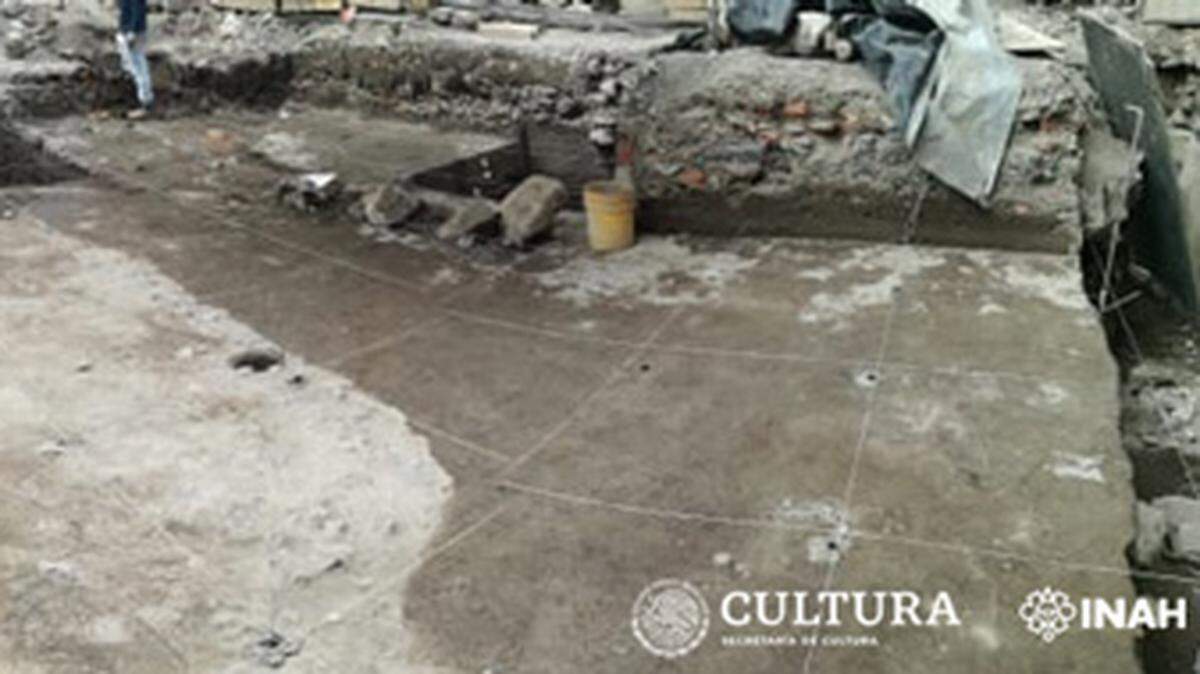
In 1960, during construction in the Tlatelolco area of Mexico City, archaeologists found evidence of an ancient village, dating back more than a thousand years.
Now, decades after it was initially discovered, archaeologists have excavated the site and uncovered a trove of artifacts and evidence from what was once a thriving Teotihuacán village, according to a July 26 news release from Mexico’s National Institute of Anthropology and History.
Here’s what was revealed from the ancient site.
Teotihuacán artifacts: burials, ceramics and stones
Teotihuacán was the largest and most important city in central Mexico before the Aztecs, according to Britannica. It was first settled around 400 B.C. and lasted until it burned down around 750 A.D.
The site at the center of the institute’s recent excavations was a rural village, but experts said it likely had links with other Teotihuacán centers. It dates to the period between 450 A.D. until 650 A.D.
Archaeologists said they discovered architectural remains at the site, including floors, post holes and a well. They also unearthed a large collection of ceramics, figurines, green stone objects, shell artifacts and obsidian and flint projectiles.
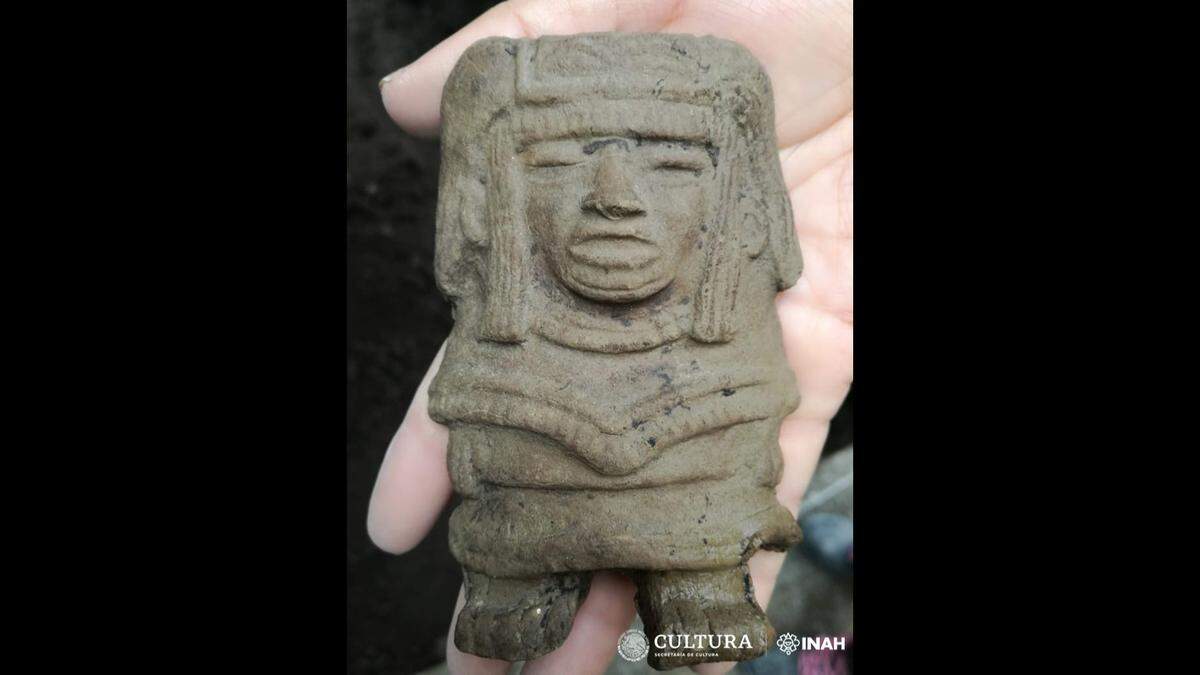
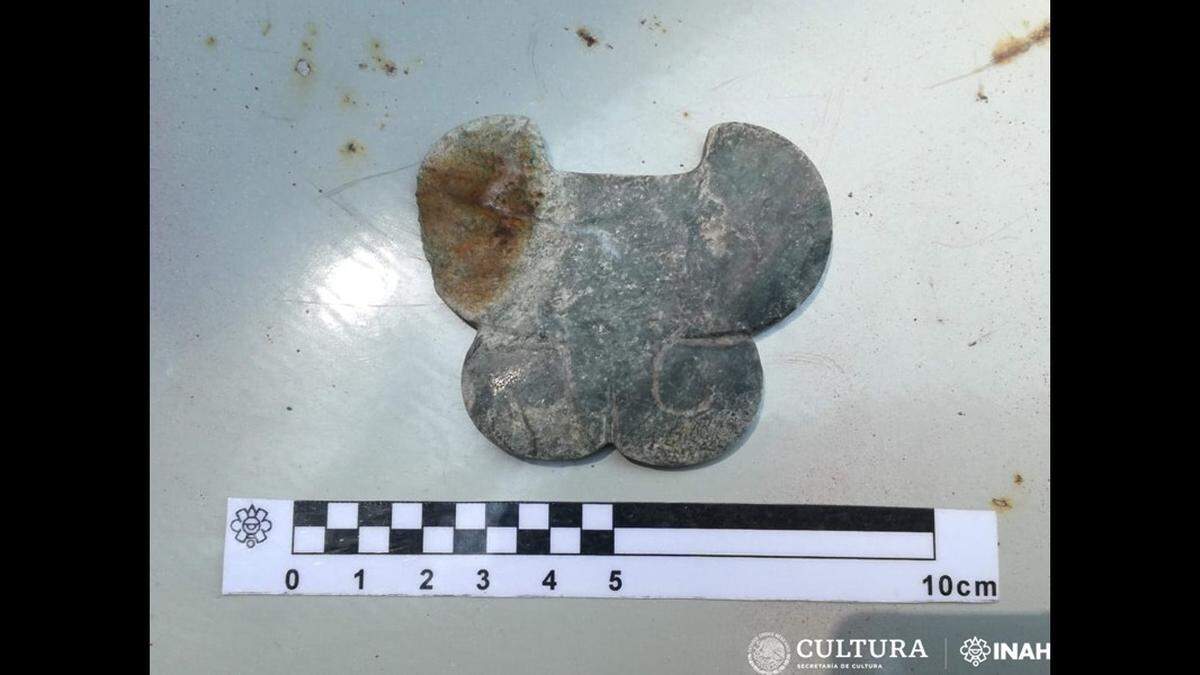
Villagers survived on self-subsistence and gathering, but the latest discoveries indicate that the village may have also relied on hunting and served as an artisan center, producing ceramics and other artifacts, researchers said.
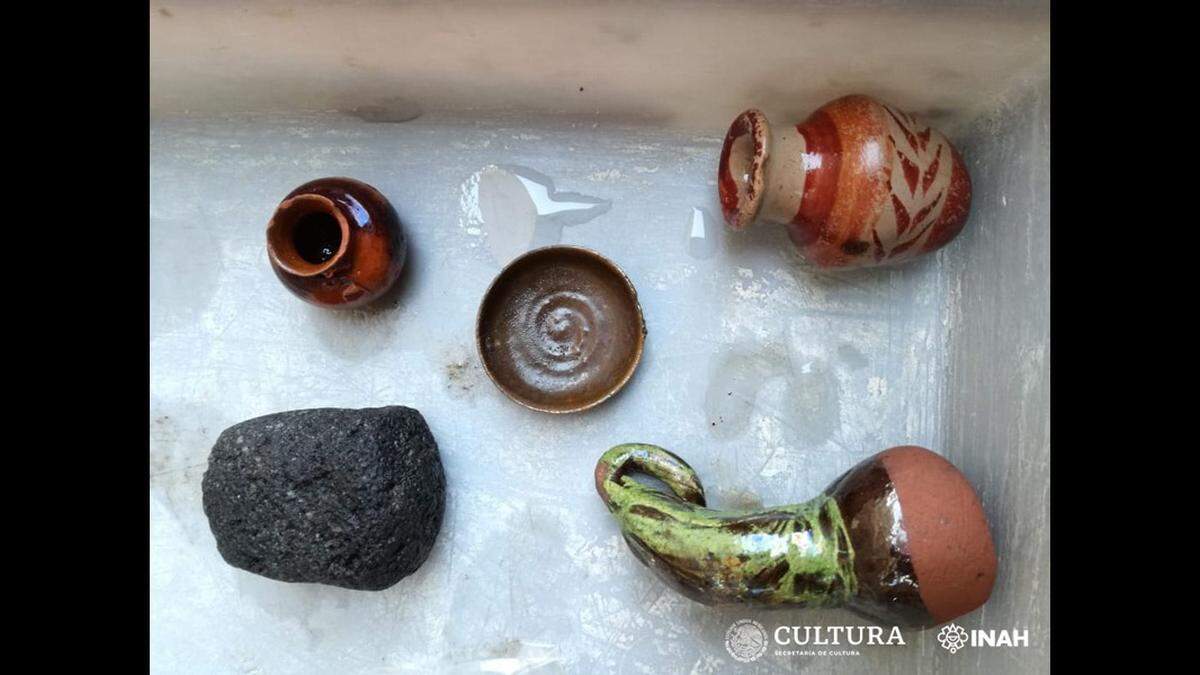
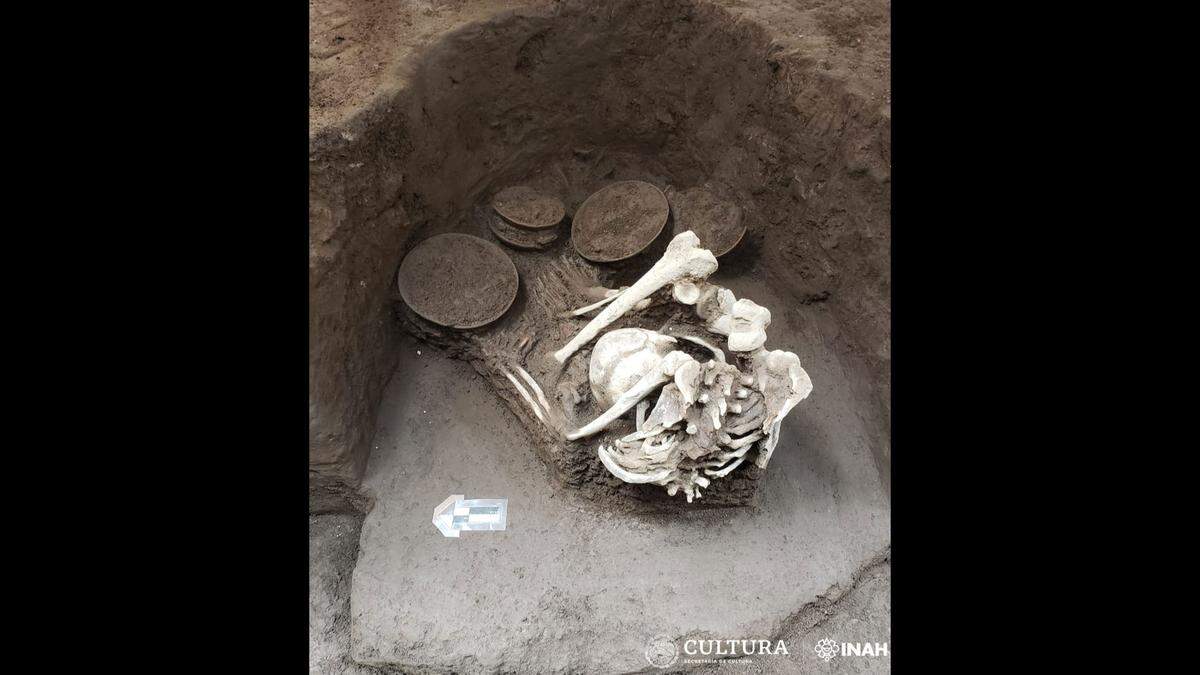
Three human burials were also unearthed at the site, according to archaeologists. Two adult burials and one young person were found along with funerary objects, including polished bowls with Teotihuacán characteristics.
Evidence of later settlements
Archaeologists said they also found evidence of five later occupations at the site.
Remains from a Mexica — or Aztec — occupation that lasted from around 1338 until 1620 included several figurines and two channels used for agricultural expansion, researchers said.
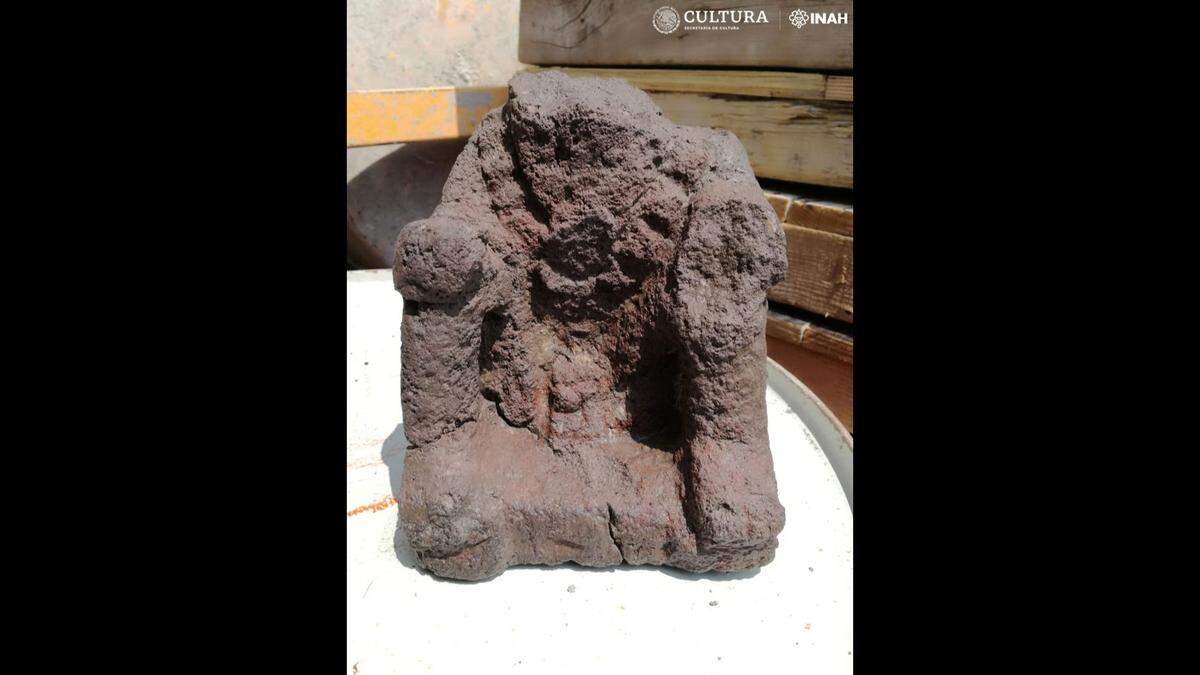
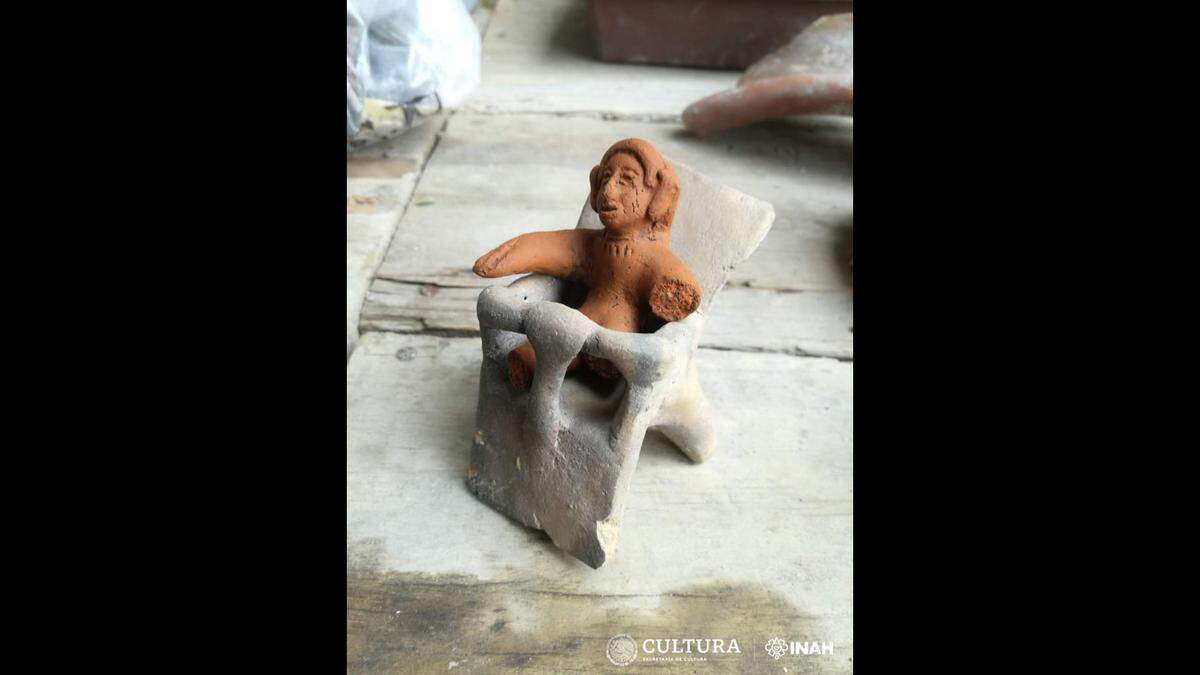
There was also evidence of an 18th century occupation, a 19th century occupation and two 20th century occupations, according to experts.
Google Translate was used to translate a news release from Mexico’s National Institute of Anthropology and History.
This story was originally published July 31, 2023 at 2:10 PM with the headline "1,400-year-old village — with burial ground and colorful ceramics — revealed. See them."