Volcano eruptions buried this Italian village long before Pompeii, ancient plants show
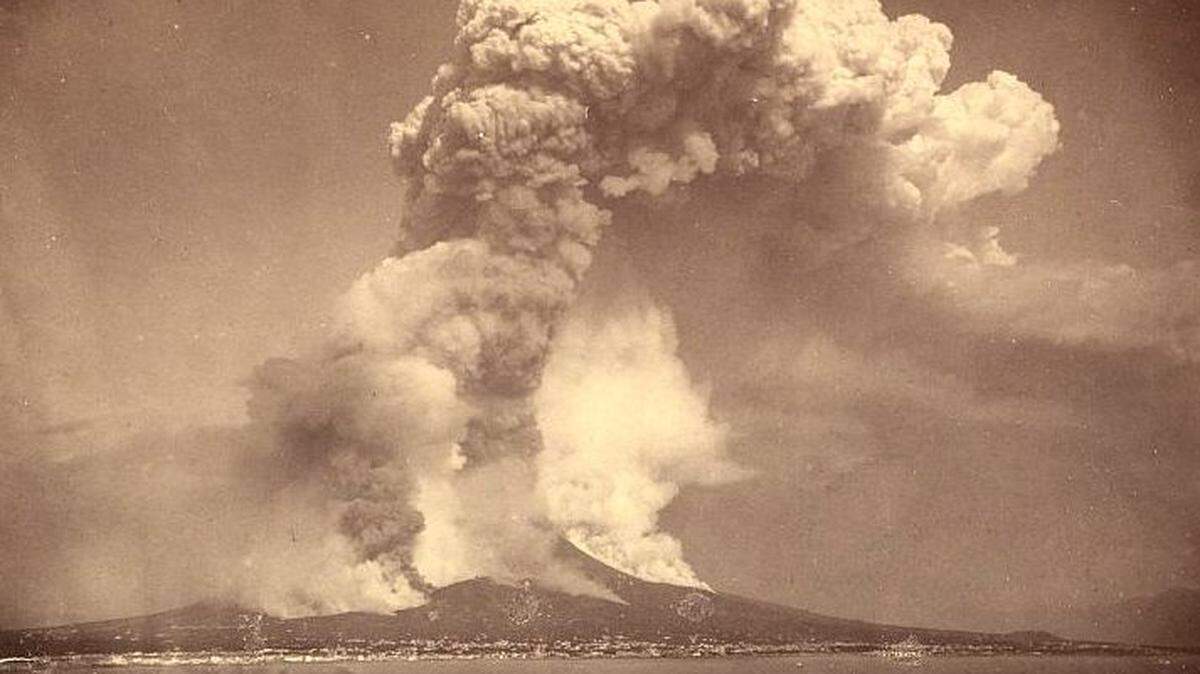
Centuries before ash covered the streets of Pompeii, Mount Vesuvius erupted and buried life in this ancient village in Italy, according to researchers.
Construction of a high-speed train near Naples, Italy, revealed the Bronze Age village of Afragola, which had been preserved in volcanic ash and mud, researchers told the University of Connecticut. Beneath 3 feet of hardened ash, archaeologists found the remains of horseshoe-shaped buildings, ovens, and pottery, according to a study published in the Journal of Archaeological Science.
The site’s preservation was so “exceptional,” that researchers dared ask a “usually impossible” question: What time of year did the volcano erupt?
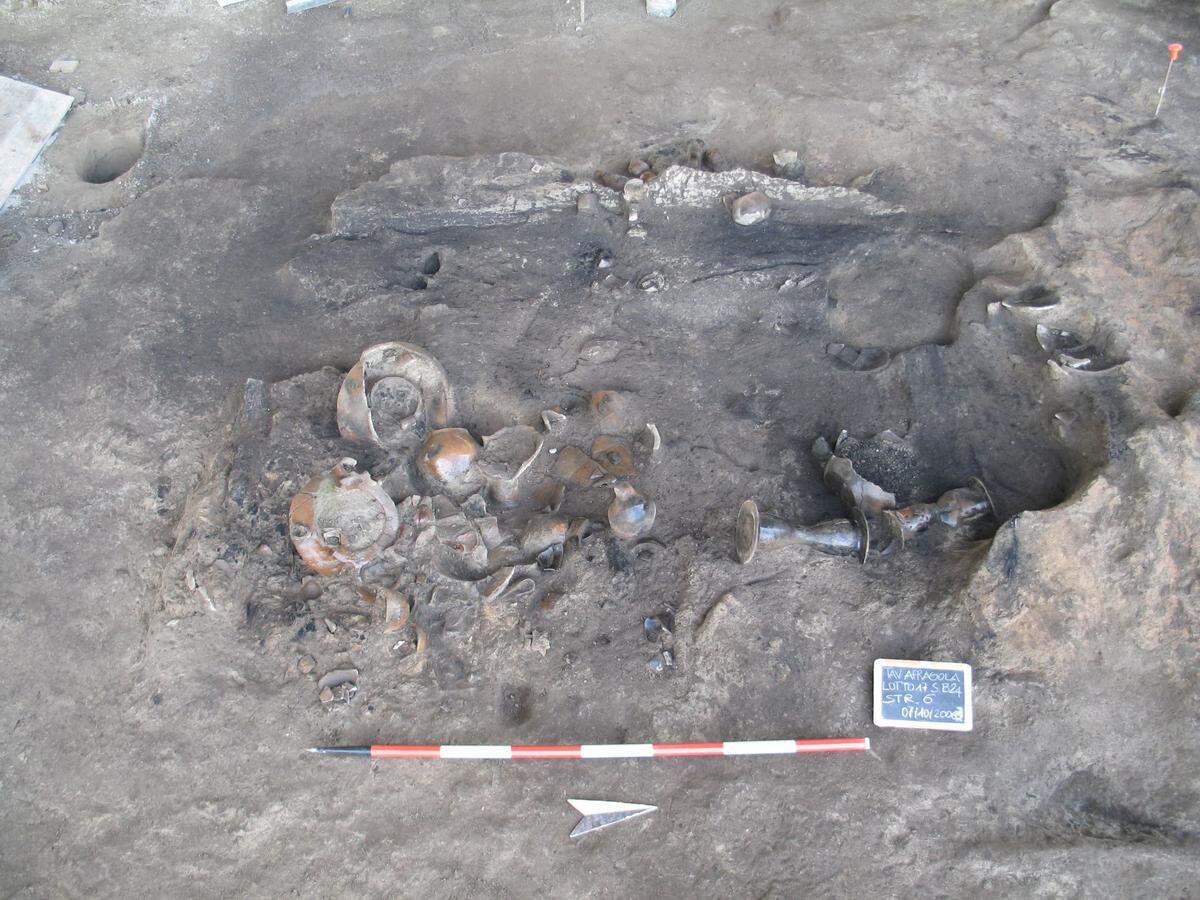
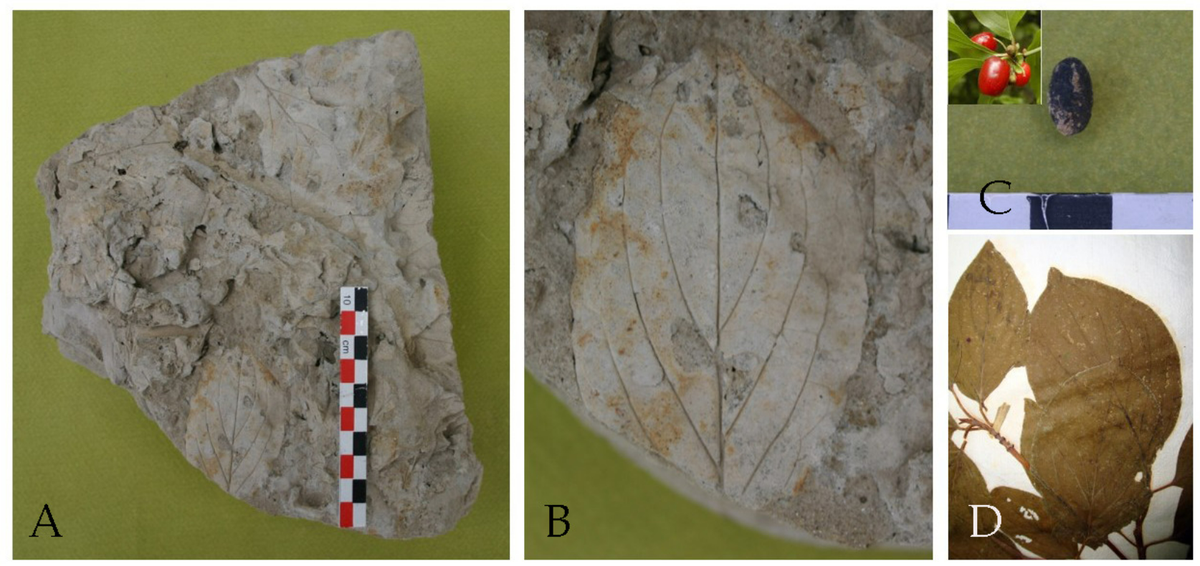
To figure it out, they turned their attention to the 4,000-year-old remnants of plants. When Mount Vesuvius erupted, the volcanic ash mixed with mud and hardened, trapping the plant life in and around the village, researchers said.
The team of researchers identified oak leaves, acorns, apples, pomegranates, cherries and other plants. The ripe fruit led researchers to conclude that Afragola was buried and abandoned on a fateful fall day.
“This eruption was so extraordinary that it changed the climate for many years afterward,” one of the study authors, Tiziana Matarazzo, told the University of Connecticut. “The column of the Plinian eruption rose to basically the flight altitude of airplanes. It was unbelievable… Now we get to learn about the people who lived there and tell their stories.”
This story was originally published October 18, 2022 at 3:06 PM with the headline "Volcano eruptions buried this Italian village long before Pompeii, ancient plants show."