
ICE arrests of Cubans skyrocket under Trump as green cards plummet, study finds
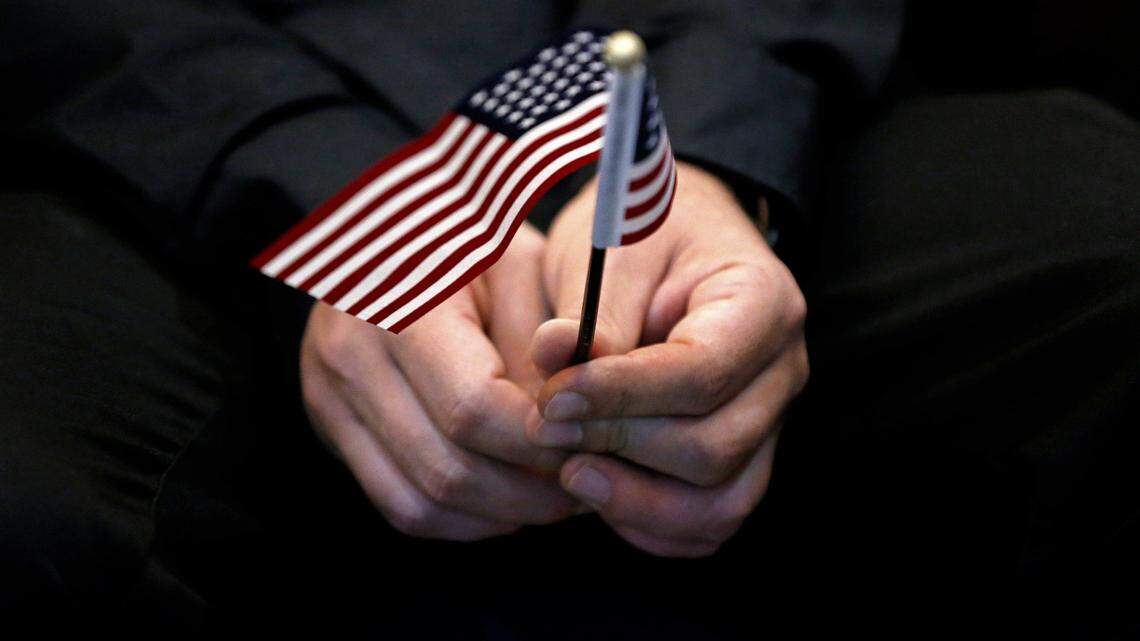
Immigration arrests of Cubans living in the United States have skyrocketed even as green-card approvals have plummeted under President Donald Trump’s immigration policies, according to a recently released analysis from a libertarian Washington think tank.
A Cato Institute report published last week found that overall the Trump administration has “nearly ended green card approvals for Cubans,” while it targets Cubans under its mass deportation agenda for arrest, detention and deportation.
In October 2024, months before Trump took office, U.S. Citizenship and Immigration Services approved over 10,000 Cubans for lawful permanent residency. But the numbers steadily declined after Trump took office and fell to just dozens by the end last year. Meanwhile, Immigration and Customs Enforcement arrests of Cubans went up from less than 200 per month in late 2024 to more than 1,000 per month by late 2025.
Since December 2024, green card approvals for Cubans have fallen 99.8% and ICE arrests of people from the island have risen by 463%, according to the Cato analysis. In January, the government received 7,086 applications for residency, but only 15 Cubans became permanent residents, four were denied and thousands of other applications are on pause. Meanwhile, ICE detained over 1,000 immigrants from the island. The freeze has created a legal limbo that Cubans, long privileged in the U.S. immigration system, have never faced before.
The explosion in arrests and nosedive in green card approvals are taking place in the backdrop of a slew of policies aimed at making it hard for Cuban immigrants to enter the country or permanently stay in the United States. The shift in policies has affected many who live in South Florida, the heart of the Cuban community in the United States.
The Trump administration’s immigration policies have aggressively targeted Cubans, among the president’s staunchest supporters. His administration has frozen the processing of green cards, asylum applications, naturalization applications and work permits for Cuban nationals and people from several other countries. It also ended a Biden-era program that allowed Cubans to live and work in the United States for two years as long as they had sponsors and passed background checks, leaving Cubans without an immigration parole permit.
READ MORE: Million-plus immigration-benefits applications from Cuba, Haiti, Venezuela frozen
That freeze has impacted nearly one million Cubans, according to a separate Cato analysis. It has also cut them off from their long-established fast track under a law known as the Cuban Adjustment Act. The 1960s federal legislation allows Cubans to apply for permanent residency a year and a day after arriving in the United States.
“This is a dramatic curtailing of immigration from Cuba,” David Bier, director of Immigration studies at the Cato Institute, told the Miami Herald.
Rosa, who asked not to be identified by her full name for fear of retaliation, is among the Cubans living in South Florida waiting to hear back about her green-card application.
She arrived in South Florida nearly three years ago from the Cuban province of Matanzas. Her son brought her to Homestead through the Biden-era parole program that Trump ended.
She applied for residency nearly a year ago. As a Cuban, she said, she initially thought obtaining residency would be smooth because of the Cuban Adjustment Act.
“I filed my paperwork, but everything has stalled. This uncertainty is agonizing,” she told the Herald.
A recent Miami Herald poll shows Cubans and Cuban Americans in South Florida largely back Trump’s policy towards Cuba, but were split with the president on deportations of Cubans. The survey, conducted by Bendixen & Amandi International and The Tarrance Group, revealed that 68% of Cubans strongly or somewhat disapprove of increased deportations of undocumented Cubans without rap sheets. They also overwhelmingly support allowing Cubans to legally migrate here.
READ MORE: Cuban Americans split from Trump on deportations, treatment of Cuban migrants, poll shows
Other findings
The drop in applications and rise in arrests of Cubans is part of a larger strategy to reduce both illegal and legal migration to the United States, experts, scholars and activists note. The Cato report found that in all, total green card approvals under USCIS, the agency in charge of processing immigration benefits, had been cut in half for applicants from all countries.
“A necessary component for mass deportation is taking away people’s right to stay. And the legal immigration system is the pathway for people to be able to stay in the United States, and that’s what they have been targeting,” said Bier, who authored the report. “Once you don’t have legal status and there’s no way for you to stay, you either get deported or self-deport.”
The report also found that family-based green card approvals for every nationality have also fallen by 20%. Meanwhile, refugees, or immigrants who have been rigorously vetted and approved for asylum have seen their own green card application approval rates fall by 99%, and they have also faced ICE arrests. The prolonged delays have left Cubans and other nationalities vulnerable to immigration arrests because their cases are unresolved, and they could lose other forms of status while they wait, the Cato report said.
U.S. Citizenship and Immigration Services’ growing role in immigration enforcement, in combination with staff cuts, could be playing a role in that reduction, Cato noted. Joseph Edlow, a former ICE attorney who took over as head of USCIS in July 2025, has emphasized the agency’s great relationship with ICE.
READ MORE: In midst of U.S. talks with Cuba, some exiles weigh what would lead them to return
Meanwhile, immigrants like Rosa continue to wait for their cases to be resolved. The Cuban woman used to work as an economist on the island, and she’d love to return to her homeland if the situation improves. But in the United States, she is the breadwinner for her family as a cook in a Latin restaurant in Hollywood.
“I cannot return to Cuba because it is unlivable; there is no electricity, food is impossible to find, and, what’s more important, I am the one supporting my siblings,” she said. “Yet, I cannot move forward in this country either.”
This story was originally published April 27, 2026 at 3:08 PM with the headline "ICE arrests of Cubans skyrocket under Trump as green cards plummet, study finds."
