
Dead behemoth covered in shark bites washes onto NC beach, researchers say
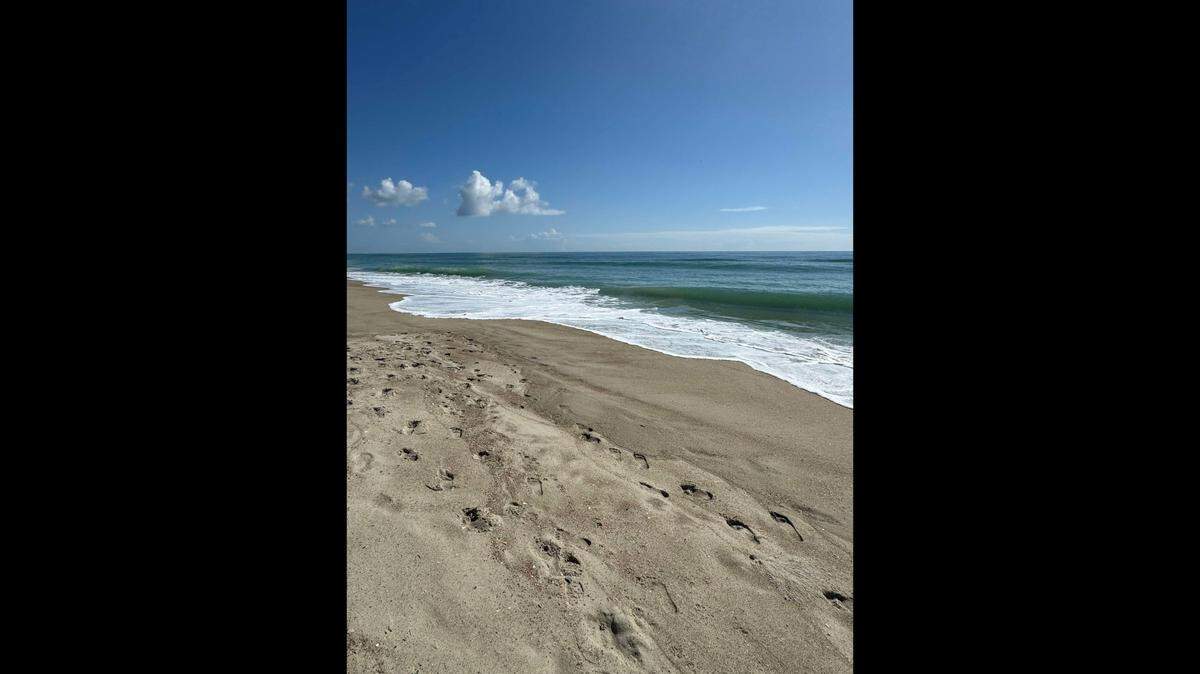
A dead humpback whale washed up on North Carolina’s Crystal Coast, and inspection by experts revealed hungry sharks had chewed at it like corn on the cob.
The bites were noted as researchers with multiple programs tried their best to determine a cause of death.
However, that proved to be impossible, according to the NC State University Center for Marine Sciences and Technology.
“The carcass came ashore Friday night, March 28, along the Salter Path/Indian Beach area,” the center reported in an April 2 news release.
“The humpback carcass was severely compromised by shark scavenging and decomposition. The back of the skull and about 65% of the lumbar spine was exposed ... with no overt evidence of trauma observed (e.g., hemorrhage, blood clots, fractures).”
They concluded the carcass was too degraded to provide proof of what killed the whale, the center said.
It was estimated to be only 1 to 2 years old, according to the Indian Beach-Salter Path Sea Turtle Patrol.
Humpbacks can reach 60 feet and live 90 years, NOAA Fisheries reports. They are native to the mid-Atlantic and are listed as a protected species in much of the world.
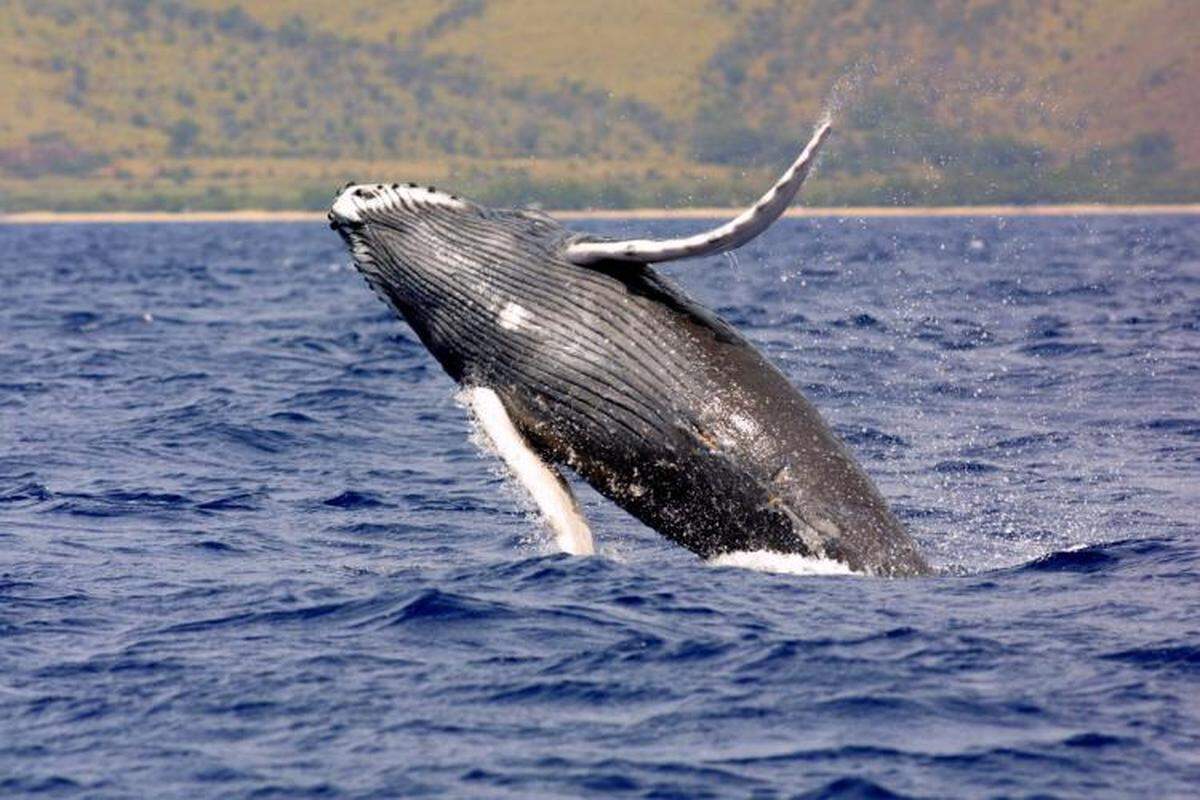
Boat collisions and fishing gear entanglement are the greatest threats to the species, experts say.
Once dead, it is common for the whales to attract large numbers of hungry sharks.
Samples of skin, baleen, and barnacles were collected off the whale for research and education, officials said. Details of how the carcass was disposed up were not released.
A team with Florida’s Clearwater Marine Aquarium Research Institute first spotted the dead whale off North Carolina during an aerial survey the weekend of March 29-30, officials said.
Researchers waited until late Saturday, March 29, to converge on the beached carcass, due to it being too unstable to approach while “in the surf zone,” officials said.
Indian Beach is on a barrier island between the Atlantic and the Bogue Sound, about a 150-mile drive southeast from Raleigh.
This story was originally published April 3, 2025 at 9:04 AM with the headline "Dead behemoth covered in shark bites washes onto NC beach, researchers say."