‘Ring of Fire’ eclipse will be a must-see — but you’ll need these safety tips, NASA says
A rare solar eclipse is coming up for those in several U.S. states. But one wrong look could cause serious eye damage, experts say.
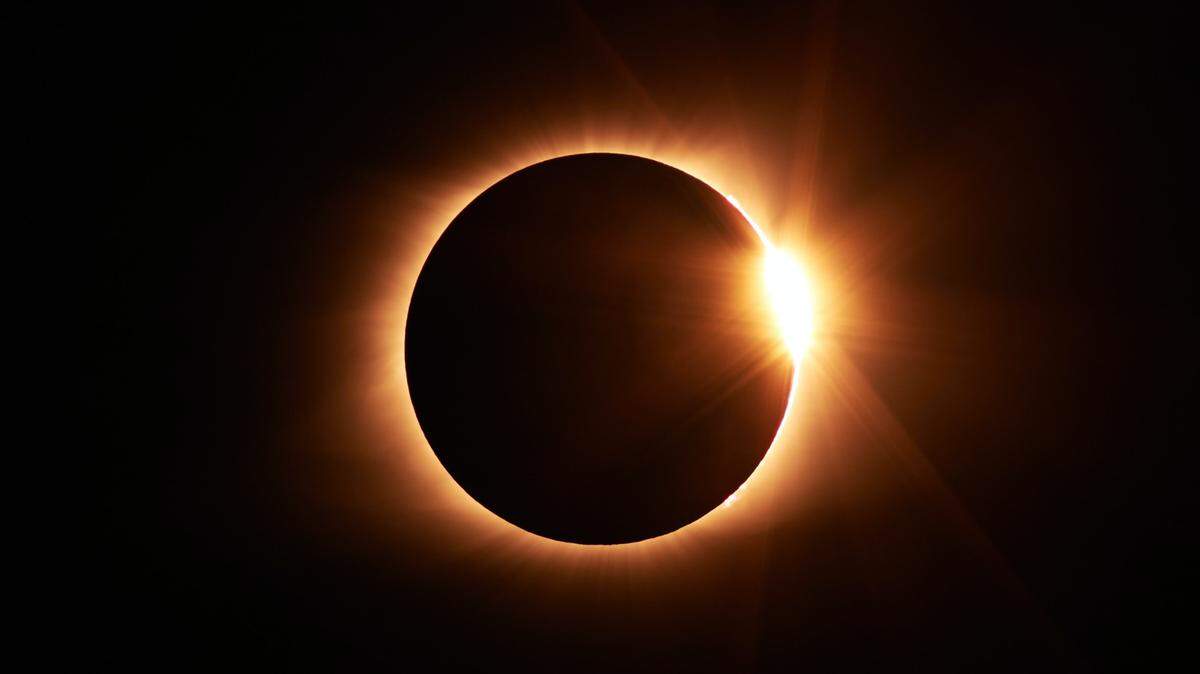
The “Ring of Fire” solar eclipse, which shows a rim of flames around the moon as it crosses in front of the sun, will appear over multiple southwest states Oct. 14. The solar event will span a few hours, between 9:13 a.m. Pacific Daylight Time to 12:03 p.m. Central Daylight Time.
Some Southeast states will also have some obscuration of the sun, such as Georgia, Alabama and Mississippi. Big cities, such as New York City, Los Angeles, Chicago, Houston, Phoenix, Philadelphia, Dallas and San Diego, will have partial sun blockage.
Regardless of where you are, looking directly at the “Ring of Fire” could seriously damage your eyes. In light of this, NASA has made several recommendations to safely watch and enjoy the upcoming solar eclipse.
Why can’t I look directly at the annular solar eclipse?
The sun is only partially blocked during an annular solar eclipse, which means its rays can still affect you, NASA says.
What should I wear to look at the eclipse?
There are two major recommendations on how to view the annular eclipse: — either with “safe solar viewing glasses” or a “safe handheld solar viewer,” NASA says.
Before wearing the glasses, NASA suggests that people inspect them for scratches. If the item is torn or damaged, NASA recommends throwing away or replacing the glasses.
What if I don’t have solar viewing glasses?
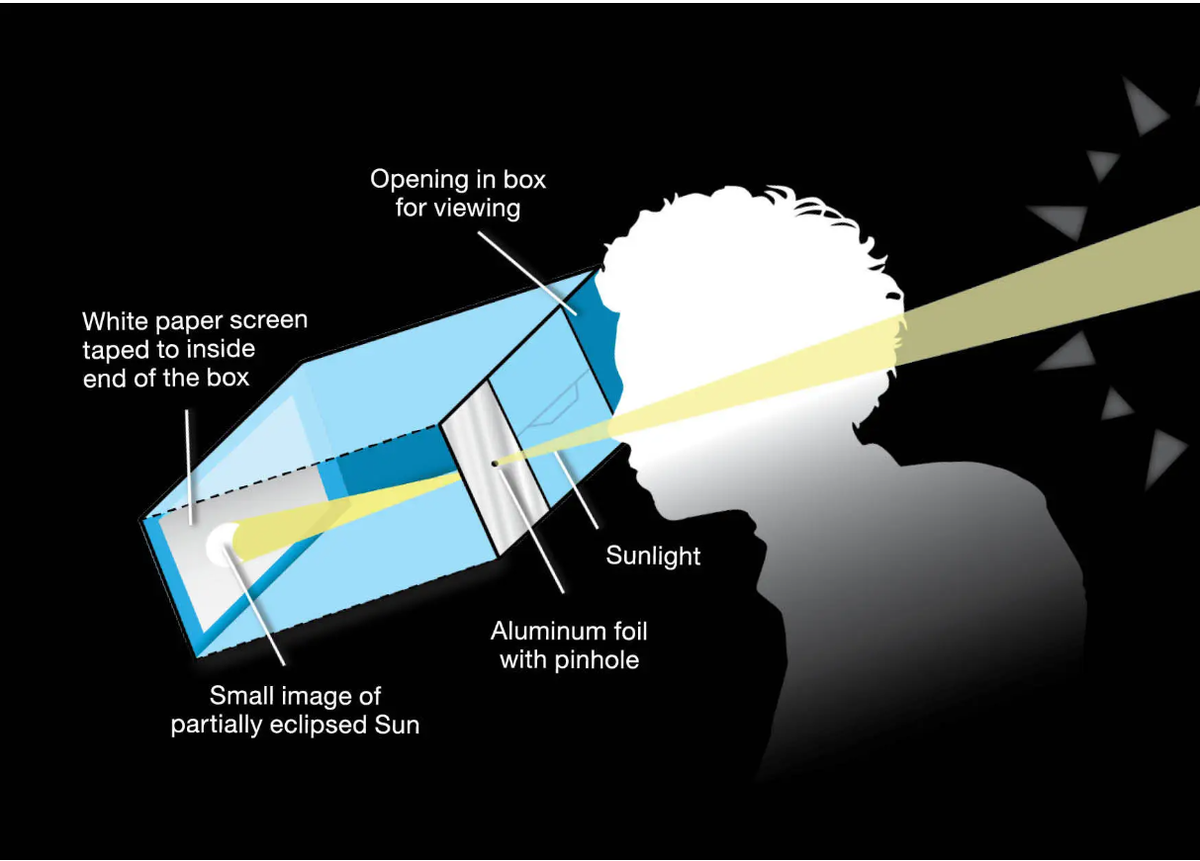
Through the use of a pinhole projector, people can turn their back to the sun and the image will project safely for viewing. The projector has a tiny opening that allows the image to cast “onto a nearby surface,” NASA says.
But looking straight through the pinhole is another way that a person could get eye damage — so avoid turning the projector directly to the sun.
Can I look at the “Ring of Fire” through my camera or telescope?
No, NASA strongly advises people not to look at the eclipse through “a camera lens, telescope, binoculars, or any other optical device,” even while wearing eclipse glasses. The “concentrated solar rays” can be so strong that they can burn through protective eyewear, NASA says.
“Viewing any part of the bright Sun through a camera lens, binoculars, or a telescope without a special-purpose solar filter secured over the front of the optics will instantly cause severe eye injury,” according to NASA’s safety recommendations.
If you purchase a solar filter for cameras, telescopes or binoculars, NASA suggests consulting an astronomer to ensure the filter works properly. Expert input can also help advise you on how to safely attach the filter to optical devices.
Are there other safety concerns I should be aware of?
In some cases, solar eclipse viewing could cause skin damage too. The sun is very bright during an annular eclipse, and if someone is viewing the event for several hours, they will be exposed to the sun’s rays for long periods of time, NASA says.
In preparation for the eclipse, NASA recommends people wear plenty of sunscreen, as well as a hat and “protective clothing.”
This story was originally published October 10, 2023 at 12:30 PM with the headline "‘Ring of Fire’ eclipse will be a must-see — but you’ll need these safety tips, NASA says."