Ancient find suggests Oregon had one of North America’s oldest human-occupied sites
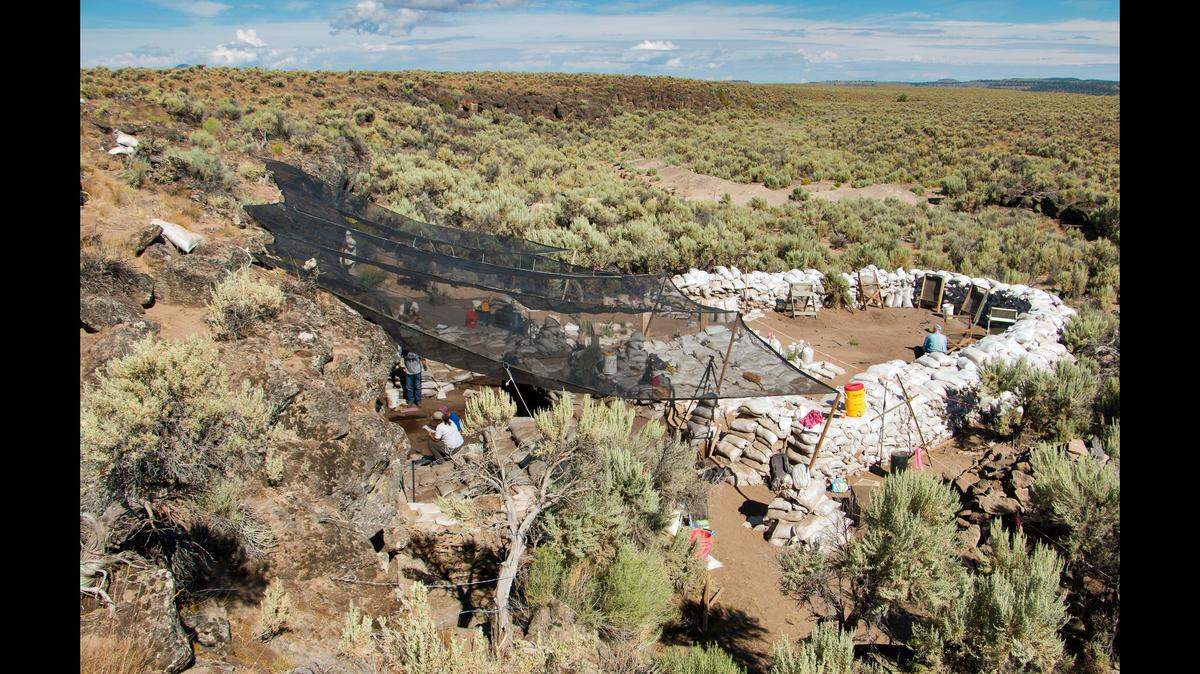
Five years ago, archaeologist Patrick O’Grady and his team learned their discovery at an east Oregon excavation site held great archaeological significance.
It was a discovery the world would have to wait to hear.
The team from University of Oregon’s Museum of Natural and Cultural History Archaeological Field School first began excavating Rimrock Draw Rockshelter in 2011 under a partnership with the Bureau of Land Management, according to a July 6 news release from the bureau.
A year later, the team found tooth enamel fragments from an extinct camel species buried under volcanic ash from an eruption on Mount St. Helens, which was dated more than 15,000 years, O’Grady told McClatchy News over the phone as he stood at the windswept excavation site outside of Riley on Tuesday, July 11.
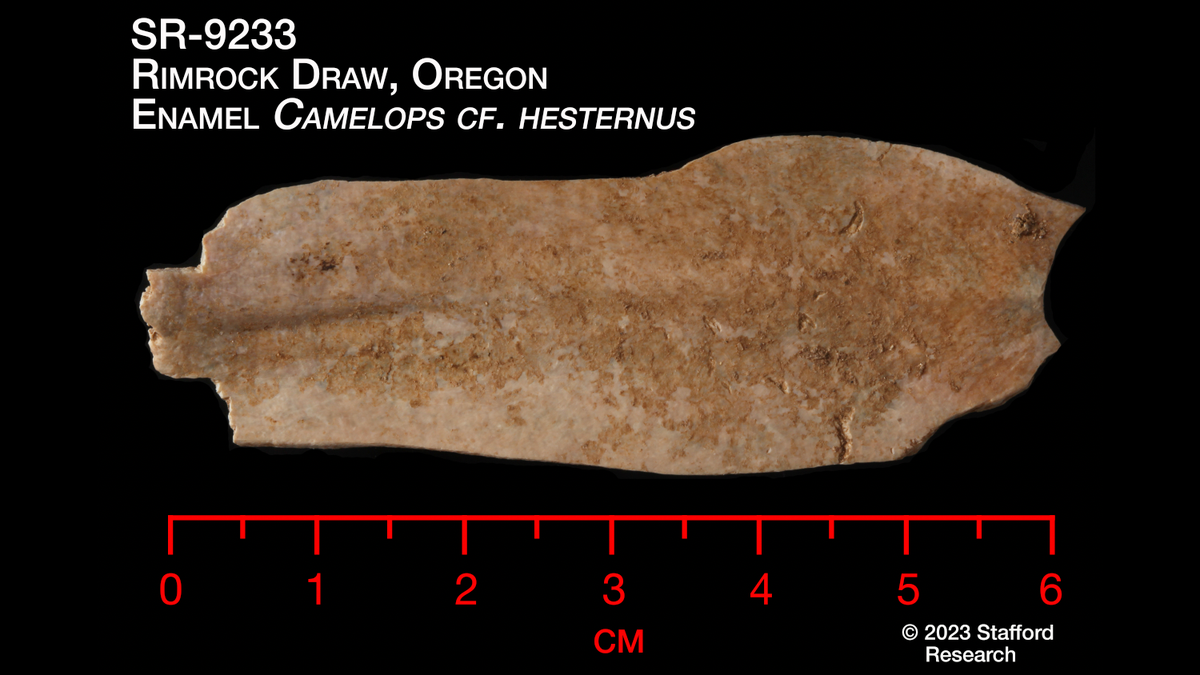
After sending the fragments off for radiocarbon testing, O’Grady said the team learned in 2018 that their find was 18,250 years old.
Buried below these fragments at Rimrock Draw Rockshelter, the team also found bright orange agate tools, which were “unquestionably made by humans” and splattered with blood residue from extinct mammals.
Given their location, O’Grady said, it’s likely these tools are even older than the ash and teeth fragments.
The findings coupled together — the date of the tooth enamel and agate tools buried below — suggested the team had unearthed what could be one of the oldest human-occupation sites in North America, O’Grady said.
Their “pretty compelling” discovery, however, couldn’t yet be shared with the world.
“One date does not make a scientific discovery,” O’Grady said. “We had to get that piece of tooth enamel re-dated.”
The team sent the tooth enamel off to be tested a second time, O’Grady said, but there were complications, and then the COVID-19 pandemic hit.
So, the team waited.
Then, finally, in February they got their results.
“We got the same date, actually slightly older than the original date, on that same piece of tooth enamel,” O’Grady said. “We got our two dates.”
Such findings makes the team comfortable sharing the news about these radiocarbon dates with the world.
“It’s something that people have been waiting to hear about,” O’Grady said.
Currently, Cooper’s Ferry in Idaho holds the title for the “oldest known site in western North America,” with evidence suggesting “human occupation dating back more than 16,000 years,” according to officials.
Heather Ulrich, an archaeology lead with the Bureau of Land Management, called the recent discovery an “exciting development for the archaeological community” in the release.
Now, O’Grady said the team is working on a peer-reviewed article to publish their findings.
“I am very anxious to start the reporting on this site,” O’Grady said. “To me, the site tells its own story, and I’m just there to present that information.”
While O’Grady thought this would be his final year working at the site, he said some are excited about the team possibly continuing their work.
“So, stay tuned,” O’Grady laughed.
Rimrock Draw Rockshelter is near Riley, Oregon, about 250 miles southeast of Portland.
This story was originally published July 12, 2023 at 9:37 AM with the headline "Ancient find suggests Oregon had one of North America’s oldest human-occupied sites."