
Huge creature nests on Outer Banks island for first time in 11 years. Why it’s so rare
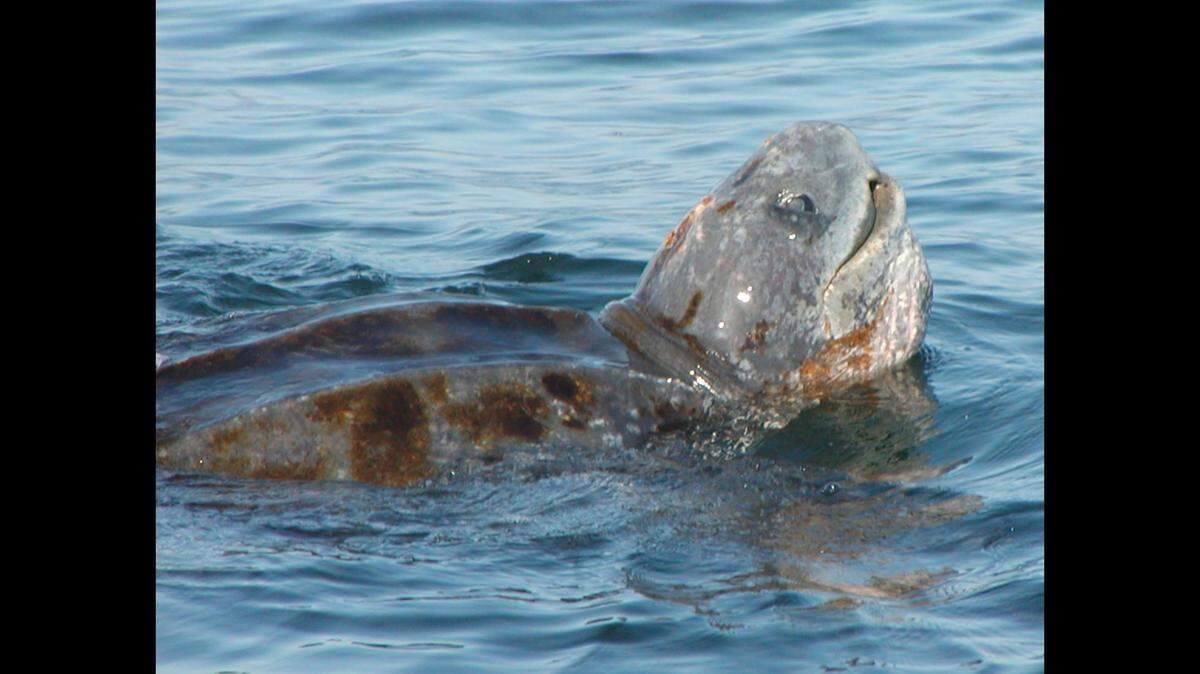
For the first time in 11 years, an endangered leatherback sea turtle has nested on North Carolina’s Ocracoke Island, according to the National Park Service.
It happened June 20 and counts as the second leatherback nest discovered this summer on the state’s barrier islands.
Both occurred on National Park Service land: One at Cape Hatteras National Seashore and the other found May 30 to the south at Cape Lookout National Seashore.
The nest on Ocracoke Island was surveyed by park officials and found to have 93 eggs, officials said.
“Because the nest was right at the high tide line, park biologists relocated all 93 eggs to a safer spot on the beach,” Cape Hatteras National Seashore reported.
Records show leatherbacks have nested only six times at Cape Hatteras National Seashore since 2004, officials say. The nests were found on Ocracoke and Hatteras islands.
At Cape Lookout National Seashore, the park has counted 22 leatherback nests since 2000.
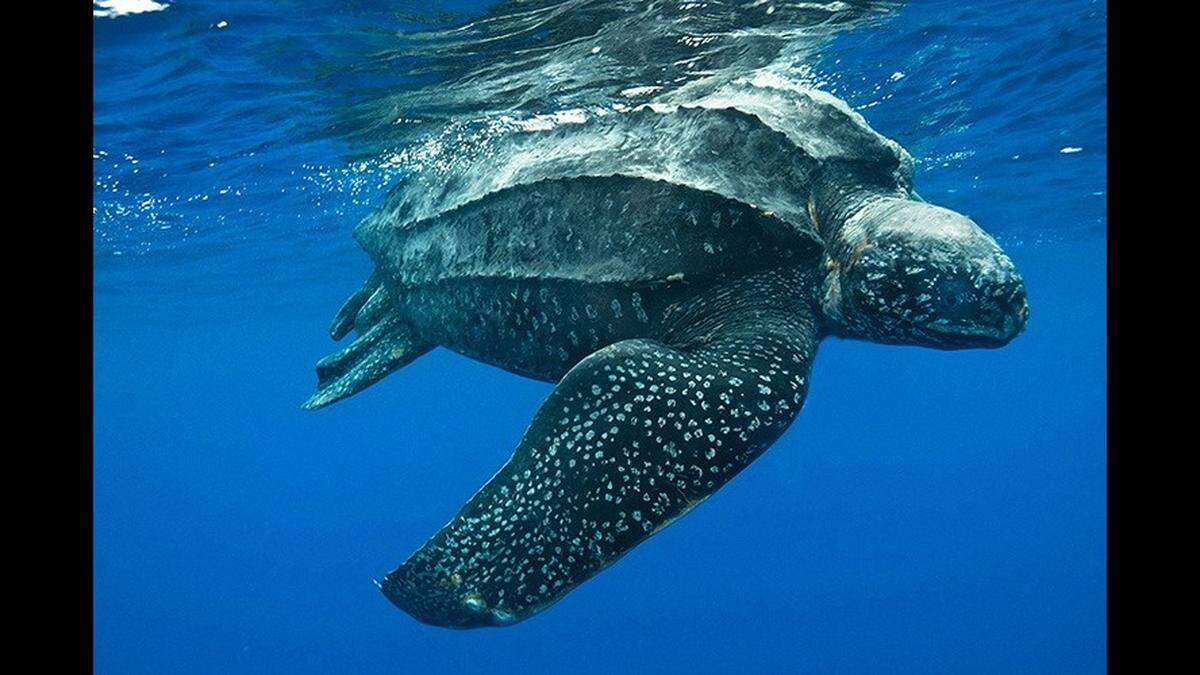
“Leatherback sea turtles nesting at Cape Hatteras National Seashore, and in North Carolina in general, are rare,” the National Park Service told McClatchy News.
“This is due to the species being endangered and North Carolina being on the northern extent of their nesting range on the Atlantic coast. They are more commonly seen nesting in Florida, Puerto Rico, and the U.S Virgin Islands.”
It takes about 60 days for the eggs to hatch, at which point baby sea turtles will boil out of the sand and head for the ocean, experts say.
Leatherbacks are an endangered species, with experts estimating “the global population has declined 40 percent over the past three generations,” NOAA Fisheries reports.
They are the largest species of sea turtle, growing to 6 feet in length and up to 1,000 pounds, experts say. They can live as long as 50 years.
This story was originally published June 26, 2023 at 8:17 AM with the headline "Huge creature nests on Outer Banks island for first time in 11 years. Why it’s so rare."