What did Monterey Street look like in 1885? One big difference: no trees
The origin of one of downtown San Luis Obispo’s most famous streets may have been as a trail from the Chumash settlement of Tilhini to Cuesta Pass, the quickest route over the Coast Range into the Salinas River valley.
When Mission San Luis Obispo de Tolosa was founded in 1772, the trail became part of El Camino Real.
The state capital of Monterey was at the end of the road and like future freeways in Southern California, the road in town was named for the destination at the other end, thus Monterey Street.
Monterey became the first commercial street in town, with the courthouse at one end and the Mission at the other. Later, it would be home to the Greyhound bus station and Fremont and Obispo movie theaters.
The view up Monterey Street from Chorro Street looking toward the Cuesta Grade has been recorded since the earliest days of photography.
One of the oldest images is from July 4, 1885.
The weekly Tribune printed two full columns of the front page documenting the Independence Day festivities.
“The national flag was flying from every flagstaff, the principal streets were handsomely decorated and the stars and stripes adorned the fronts of hotels, stores and dwellings making a very pleasing display.”
A grand procession went from City Hall on Higuera Street back and forth through town on Court, Monterey, Nipomo, Higuera, Morro and Marsh streets, finishing at the park.
A military company, fire companies and a juvenile band provided the pomp, and the allegorical Car of State float had “38 handsomely attired young Misses rising in a pyramid with the apex being a golden canopy with the Goddess of Liberty represented by Miss Hampton.”
The number represented the states united in 1885.
There was a set of horse races after the parade, and in the late afternoon a satirical troupe called the “Growlers” took to the streets.
Editor Myron Angel had spent much of his youth in rough-and-tumble mining camps, so there isn’t much that could shock him. But the West Point drop-out was offended by their caricature of the Fourth of July, saying “... as an exhibition of wit and humor it was quite pointless, and some respects vulgar and offensive.”
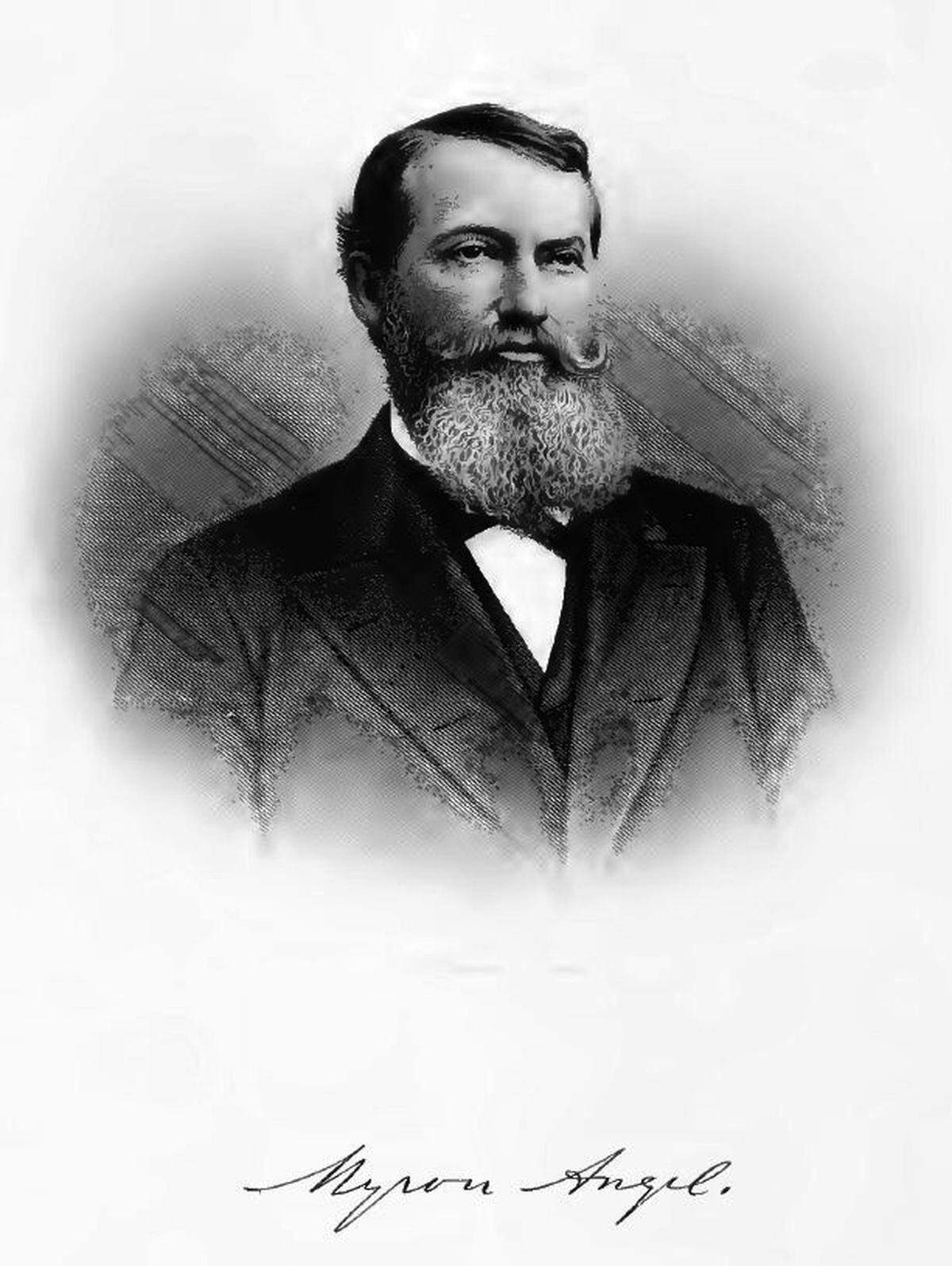
The Growlers’ march was marred by the collapse of an overloaded viewing stand, which badly injured at least four people on and below the platform.
The Mission schoolhouse had apparently burned down the October previously, so they set off fireworks in the empty lot.
A fire balloon made of tissue paper sailed into the night air, looking like a “a greatly enlarged full moon.” Attached were pinwheels and Roman candles showering sparks and fireballs down from a hundred yards up.
If there were one image from that day that would appear incongruous to the modern reader, the idea of a fire balloon raining sparks from the sky would be it.