SLO sheriff dumped 220 gallons of wine into the sewer — including the ‘good stuff’
One of my grandmothers told a story about her cousin who was arrested during Prohibition.
The revenuers had a strong case — or, at least, a case of wine.
He had been a wine seller in San Luis Obispo county before the law changed, so he was an easy target.
Instead of taking a plea, my ancestor went to trial. But the San Luis Obispo County District Attorney’s Office had to drop the charges; the bottles mysteriously emptied while being held in evidence.
A century after Prohibition, the San Luis Obispo Chamber of Commerce lists seven bars and taverns and nine breweries, cider houses and distilleries in the city in 2020. There are wineries and distilleries throughout San Luis Obispo County, and marijuana is emerging from its own prohibition era.
The panga boats caught smuggling weed along county shores were preceded by the liquor smugglers of the 1920s.
A century ago, a noble American experiment to prohibit the manufacture, sale or transportation of intoxicating liquors went into effect Jan. 17, 1920.
California was the 22nd state to vote in favor of the 18th Amendment to the U.S. Constitution.
Only Connecticut and Rhode Island voted against the amendment, which would become the only constitutional amendment to be repealed when the 21st Amendment was passed on December 5, 1933.
An unlikely group of political interests combined to pass the 18th Amendment — “a mighty alliance of moralists and progressives, suffragists and xenophobes,” as author Daniel Okrent called it.
Okrent’s book “Last Call:The Rise and Call of Prohibition” describes how political opposites coalesced around the no booze cause.
The Anti-Saloon League, led by Wayne Wheeler, became a single-issue powerhouse — forging alliances with Republicans and Democrats, the Ku Klux Klan and the NAACP, the International Workers of the World and kingpins of industry such as Henry Ford.
Temperance organizations allied with Protestant Christian churches and the progressives who advocated for women’s suffrage.
Less noble motivations came from nativists and racists wanted to deny alcohol to new immigrants, including the Irish, Italian, Eastern Europeans and Jews. Jewish and Catholic religious traditions include wine.
During World War I, anti-German sentiment was high and there was little sympathy for brewers with names like Busch, Pabst and Schlitz.
Anti-German sentiment may have contributed to my grandmother’s cousin, Gustave Renkert, being put on the local raid list.
Per capita drinking was at a staggering rate before Prohibition — almost three times what it is today, according to Okrent.
However, a study since “Last Call” was published shows drinking-related deaths have doubled in the last 20 years.
In the early 20th century, when men were usually the primary income earners, an alcoholic could bring a family to economic ruin. Women had few employment options if the men abused alcohol or their families.
Several states already had some form of alcohol restrictions, but it was a surprise to some who voted for prohibition that beer and wine were included in the crackdown.
They had thought only distilled “intoxicating liquor” would be prohibited, but federal law enforcement took a stricter interpretation.
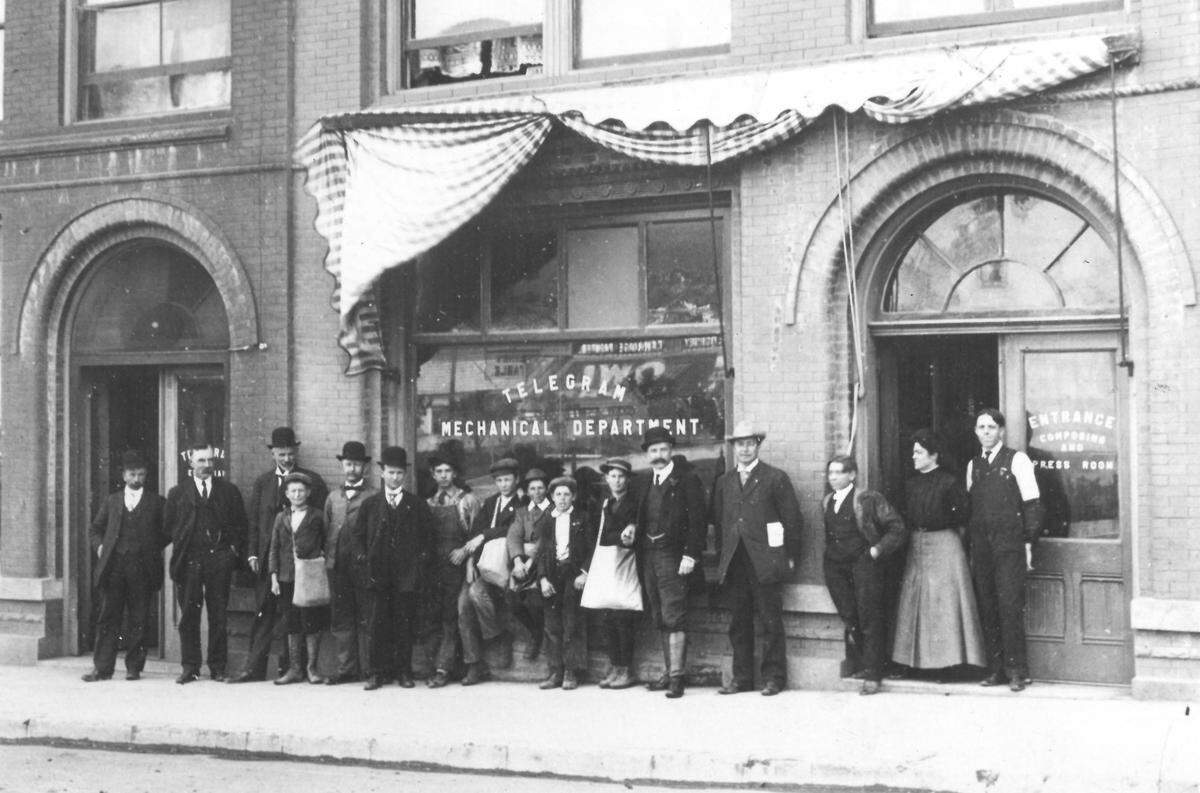
Two newspapers were founded in San Luis Obispo as advocates of prohibition. The Telegram and the Obispan were anti-saloon newspapers, restricting their advertising revenue and limiting their business viability.
The Telegram, even after it stopped running pastor’s sermons on the front page, advocated for drivers of newfangled automobiles to quit drinking. A horse might bring a drunk home safely, but impaired auto drivers caused havoc on the roads.
Unintended consequences of prohibition changed society.
Organized crime grew wealthy on liquor smuggling. To counter it, law enforcement initiated the first wire taps to gather evidence.
Upstanding women of good reputation were not seen in pre-prohibition bars, but speakeasies made them welcome with music and dancing.
To make terrible tasting, low-quality alcohol palatable, the mixed drink came into fashion.
Some of what was sold as alcohol was actually solvent, or worse.
The Daily Telegram reported on August 8, 1919, “Wood alcohol, ammonia, tobacco and unalloyed dirt—these were the four constituents of a gallon of so-called whiskey which was placed in Sheriff Taylor’s hands some days ago for analyzation following the removal of the unfortunate person, who had imbibed of the contents, to a local hospital suffering from partial paralysis and other complications.”
In Dec. 9, 1921, the Telegram reported that San Luis Obispo County Sheriff C.J. Taylor was after a still making “white mule” moonshine near Shandon.
The Weekly Tribune, which published both weekly and daily editions, reported on a local bust in Oct. 9, 1923:
WINE CONFISCATED AND DUMPED INTO SEWER BY SHERIFF
(From Saturday’s Daily)
As a sequel to the recent arrest of Thomas Stevens, who was charged with operating an automobile on the highway while intoxicated, O. Navoni was arrested yesterday by Under Sheriff Clifton Taylor and Deputy Ray Evans, on the charge of illegal possession of intoxicating liquor.
In the raid at the Navoni place near the Laguna, yesterday afternoon the officers confiscated 220 gallons of wine, which was brought to town and then on the sheriff’s orders dumped into the sewer. Of the wine confiscated there was said to be 20 gallons of good stuff and the remaining 200 gallons was fresh juice.
Navoni entered a plea of guilty before Judge Mallagh on the charge of illegal possession of the wine, and forthwith paid a $250 fine.
A charge of illegal sale of liquor caused Navoni to put up $5OO cash ball for a preliminary bearing later.
Mrs. Stevens brought about Navoni’s arrest, having made complaint that on last Friday night her husband had bought three gallons of wine at Navoni’s place. It was on this information that Sheriff Taylor obtained a search warrant which resulted in Navoni’s arrest.