1 dead bird, 29 live ones: Bald eagle population took a dive in SLO County in 1980s
Bird populations have been in decline in North America since 1970.
Overall in the past 50 years, populations have fallen 29%.
Birds are an indicator of ecosystem health and birds that live in grasslands are under the most pressure.
According to a study published in Science, meadowlarks and sparrows have been hit especially hard.
Conversion of native prairie to cropland or other development has impacted nesting habitat. Pesticides have reduced the food insects they feed on.
Other populations have been luckier. Wetland birds have made a recovery due in part to the efforts by waterfowl hunters who have invested in wetlands and wildlife refuges, and regulations that have prevented wetlands from being filled in.
Raptors such as bald eagles and peregrine falcons have seen populations rebound with the banning of the pesticide dichlorodiphenyltrichloroethane, commonly known as DDT. The chemical was found to accumulate in predators, damaging the viability of eggs.
Morro Coast Audubon Society will participate in the 66th North American Christmas Bird Count on Saturday Dec. 14. The Carrizo Plain bird count will be held Saturday, Dec. 28.
The Morro Bay Winter Bird Festival will be held Jan. 17 through 20.
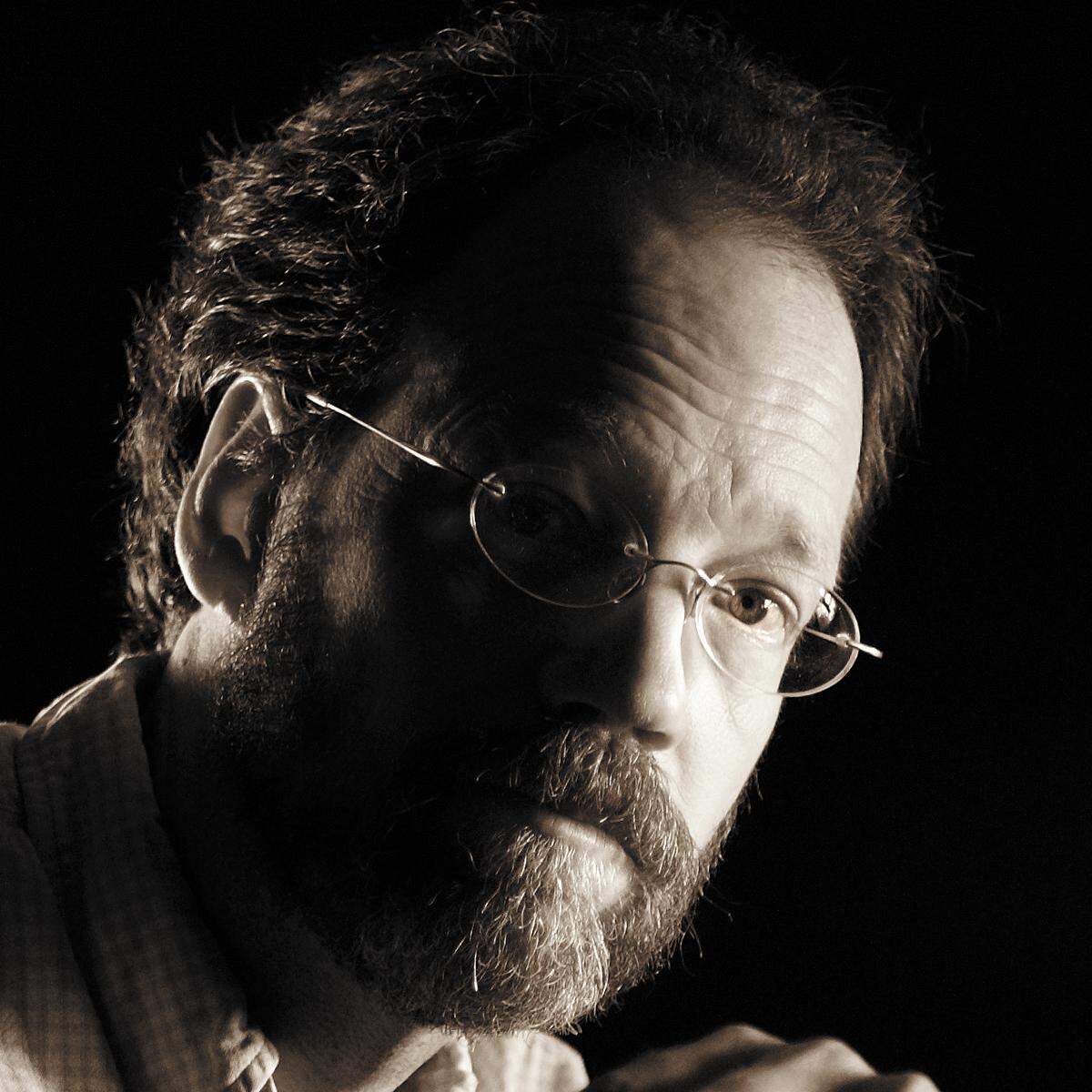
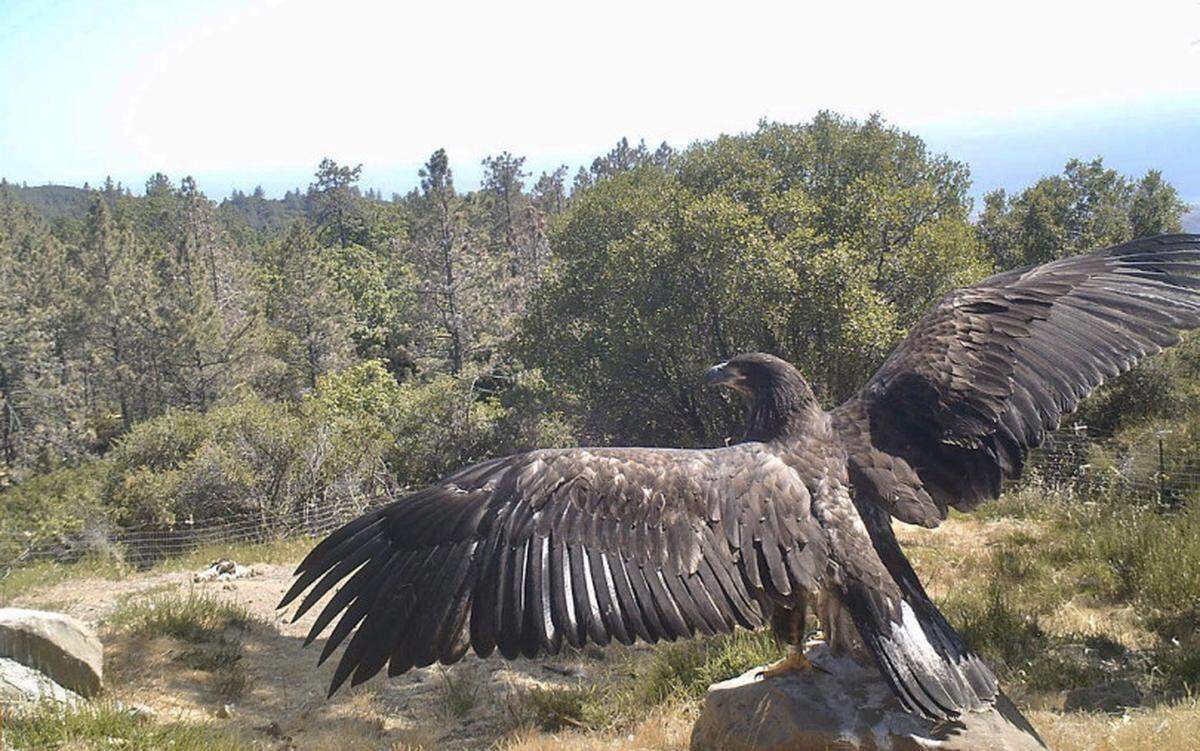
I recently photographed a pair of bald eagles hovering above the Salinas River in Atascadero. But in January 5, 1981, eagles were so difficult to find that The Tribune couldn’t locate a live one to photograph when Alison Harvey wrote about the eagle count at San Antonio Lake.
Eagle count: 1 dead, 29 alive
Volunteer birders out for the first Audubon Society bald eagle count at Nacimiento and San Antonio lakes Saturday found ugly evidence of why the national symbol is an endangered species.
One bald eagle’s blood was still wet when San Luis Obispo birder Ron French found it lying on its back on the San Antonio Lake shore.
The dead eagle had been shot in the back and the back of its head with a shotgun, apparently while the bird was perched in a tree.
Ranger David Chiaramonte, who organized the bird count, said the shooting is a federal crime. He said an agent from the U.S. Fish and Wildlife service will come this week to collect the dead bird and investigate the killing.
The volunteer bird counters and Monterey County park rangers had better luck the rest of the day: They spotted 29 living eagles and birds of 99 other species.
Less than half as many eagles were spotted last year, when rangers worked alone, Chiaramonte said. He said county, state and federal officials want to know how many bald eagles winter at the two lakes so they can make land use decisions.
He said the bird count could determine how the government manages the land.
The eagles winter in the area, mainly at San Antonio Lake, between late October and April. They are driven south by storms in the Pacific Northwest, Chiaramonte said.
The eagle population in California was estimated to be 864 in 1979. Most of the birds live in the Klamath River area, he said.
While at the two lakes, the eagles hunt for fish during the day. They can be spotted along the shoreline, usually perched in a tree watching for fish to come near the surface of the lake.
When they spot one, the eagles dive to the water, pluck out their fish and fly off to eat.
At night, the eagles need a protected roost, Chiaramonte said. That’s why the eagle habitat near the lakes may need protection if there is a significant number of eagles wintering there, he said.
The northwest end of the lake, where the young eagle was shot, is on the Army’s Fort Hunter-Liggett property. Duck hunters are seen frequently around the shallows there, Chiaramonte said.
French said he heard gun shots several times while he was counting bird species on the Hunter-Liggett property.
The count turned up a number of shorebird species, hawks, ospreys, ducks and one whistling swan, an uncommon sighting. A flock of Canadian geese rested on the northern shore.
Birdwatchers from San Luis Obispo and Monterey counties turned up early Saturday morning to start the count in an unexpected rainstorm.
Chiaramonte expected the rain to lower the count results, but it didn’t
He said he’d like some local Audubon Society chapter to adopt the count as an annual project.