Trump wants to open Los Padres Forest to logging, roads. Locals fight back
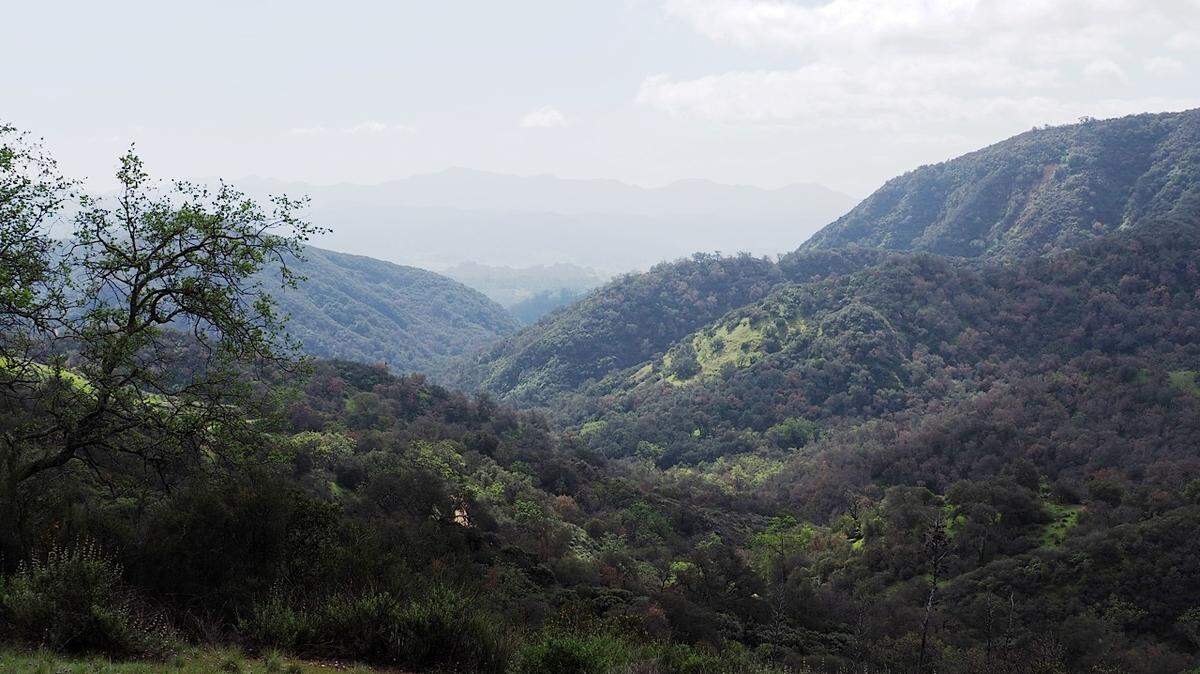
The Trump administration wants to reopen more than 630,000 acres of the Los Padres National Forest to industrial logging and the construction of new roads — but a coalition of Central Coast environmental organizations is fighting against the plan.
Last year, U.S. Secretary of Agriculture Brooke Rollins announced plans to rescind the Roadless Rule, a policy that prohibits such activity in designated areas of U.S. National Forest land.
On Wednesday, the Santa Lucia chapter of the Sierra Club and a coalition of environmental organizations held a town hall at the Oddfellows Hall in downtown San Luis Obispo.to mobilize people to oppose the repeal of the Roadless Rule.
“This is about the character of our public lands,” Los Padres ForestWatch advocacy and field operations director Ben Pitterle said at the meeting. “This is about what experience we have when we go and we visit the national forest. It’s about what we want to leave.”
Co-hosts of the event included Los Padres ForestWatch, Cal Wild, Latino Outdoors, The Wilderness Society, Ecologistics, Estero Bay Indivisible, Cal Poly Initiative for Climate Leadership and Resilience, SLO’s chapter of the California Native Plant Society, the Morro Coast Audubon Society and One Cool Earth.
The public comment period hasn’t officially opened, but the groups wanted to prepare the public for action when the time comes, Pitterle said.
Roadless Rule protects 600,000 acres of Los Padres National Forest
Established in 2001 by the Clinton administration, the Roadless Rule prohibits industrial timber harvesting and road-building across 58.5 million undeveloped acres of National Forest System land in the United States.
The U.S. Department of Agriculture filed a notice in the Federal Registrar on Aug. 29 announcing plans to prepare an environmental impact statement to repeal the Roadless Rule.
If the rule is repealed, about 30% of National Forest System land would re-open to industrial logging and road construction.
That land includes 635,106 acres of the Los Padres National Forest, which is home to habitat for endangered species like the California condor and 349 miles of hiking trails, according to Los Padres ForestWatch.
Several sections of the Los Padres National Forest fall within SLO County, according to an interactive map created by Los Padres Forest Watch.
The Black Mountain, Machensa Mountain and Garcia Mountain areas are all classified as inventoried roadless areas and protected under the Roadless Rule. The La Panza Range and Los Machos Hills are also included in the protected area.
Many of these areas are home to rare or vulnerable species, such as the Pacific pond turtle, the Santa Margarita manzanita, and the San Luis Obispo mariposa lily.
The Roadless Rule prevents the construction of new roads, but it allows the Forest Service to maintain existing roads and trails.
Roadless areas in the Los Padres National Forest include 349 miles of roads and trails. People are already allowed to recreate in these areas, Pitterle said.
“These are protections that support uses for just about everybody,” he said.
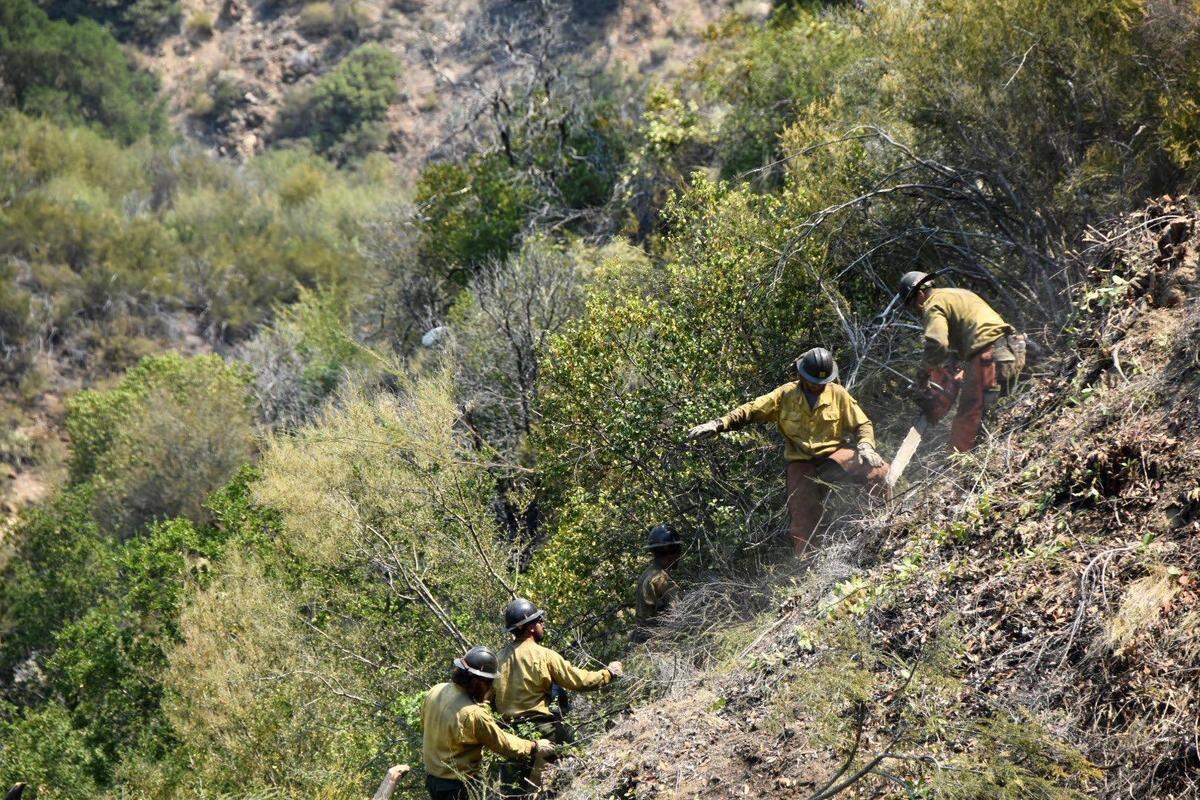
Rollins, the agriculture secretary, said repealing the Roadless Rule would improve wildfire management in national forests.
“This move opens a new era of consistency and sustainability for our nation’s forests,” she said in a news release last year. “It is abundantly clear that properly managing our forests preserves them from devastating fires and allows future generations of Americans to enjoy and reap the benefits of this great land.”
While roads can act as fire breaks and improve access to remote areas for emergency responders, building roads increases human-caused sparks that ignite wildfires, according to a 2012 study published in Science Direct.
Pitterle said the repeal isn’t really about fire management — it’s about reducing obstacles to resource extraction like logging and mining.
“Those other things are kind of red herrings and good excuses, but this is about opening up public lands for new, industrial, large-scale resource extraction,” Pitterle said. “You need new, permanent roads to open up new mines, right? You need new, permanent roads to go into existing old growth forests. … You need new, permanent roads to open up to do more new fossil fuel drilling in national forests.”
.jpg "mick-kirchman-7_rRzKHzJsc-unsplash (1).jpg")
What’s next?
The federal government seems to be stalling its plans.
The notice said a draft environmental impact statement should be published by March, but four months later, the department still hasn’t announced an official release date.
Once the report is out, the public will likely have 15 to 30 days to submit comments, Pitterle said at the town hall. The agency doesn’t plan to offer public meetings on the policy.
Despite the delay, Pitterle said the federal government could repeal the Roadless Rule rather quickly, as it doesn’t plan to implement a robust public comment process.
Meanwhile, efforts by Congress could eliminate the Roadless Rule through a different avenue.
On June 10, Republican Sen. Mike Lee of Utah introduced a last-minute amendment to the bipartisan Wildfire Prevention Act that would nullify the Roadless Rule. The Senate Energy Natural Resources Committee voted to adopt the amendment and advance the bill to the Senate floor.
Sen. Martin Heinrich, Democrat of New Mexico, condemned the amendment during a Senate committee hearing.
“The wildfire legislation has become a Trojan horse for repealing the Roadless Rule,” Heinrich said.
Now, the Senate has the opportunity to decide the fate of the bill.
Efforts to protect the policy
Oregon Democrat Rep. Andrea Salinas introduced the Roadless Area Conservation Act in the U.S House of Representatives. This bill would codify the Roadless Rule into law. The bill is co-sponsored by Rep. Jimmy Panetta, who represents the northern half of San Luis Obispo County, and Rep. Salud Carbajal, who represents the southern half.
Meanwhile, at the meeting, attendees could fill out post cards to send to the federal government to express support for the Roadless Rule. Los Padres ForestWatch also offers resources to people who want to write letters on its website at bit.ly/43SaVCn.
Pitterle said that, if the federal government does move forward with repealing the Roadless Rule, post cards and letters will serve as a “public record of opposition” that could be used in future litigation against the repeal.