California sues Trump administration over restart of Central Coast oil pipeline
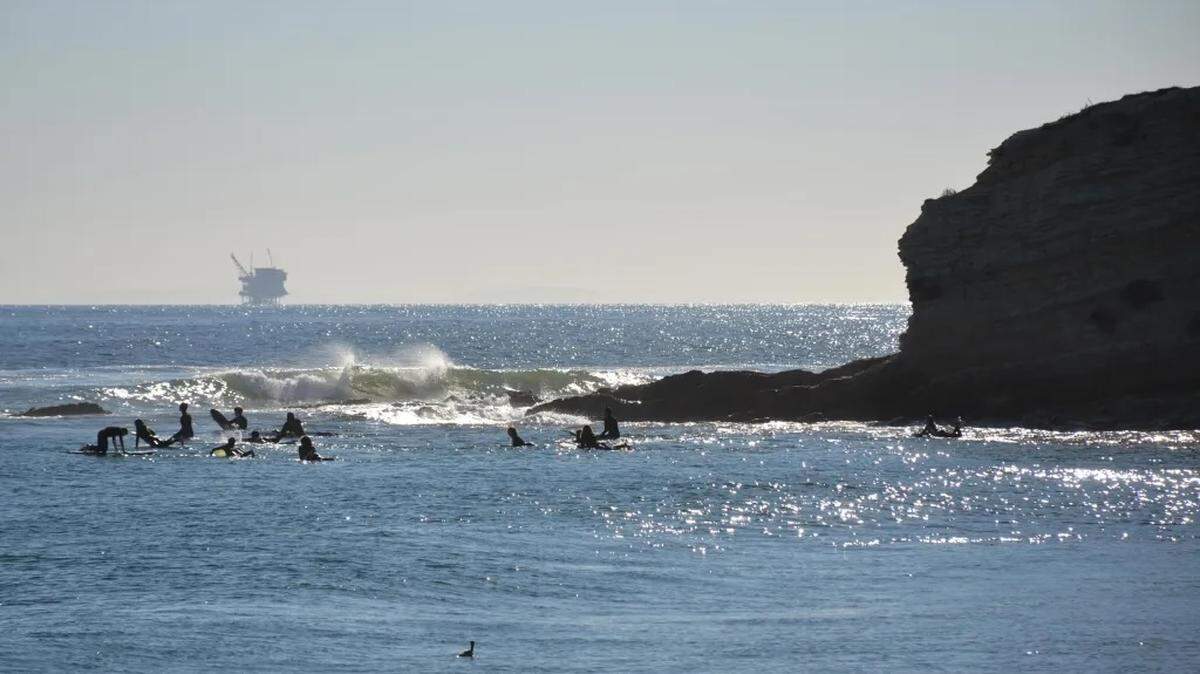
California sued the Trump administration on Monday for ordering a Texas-based energy company to transport oil through the Central Coast.
On March 13, U.S. Department of Energy Secretary Chris Wright issued the Pipeline Capacity Prioritization and Allocation Order, which told Sable Corp. to resume the transport of oil from the Las Flores Canyon processing facility on the Gaviota Coast to Pentland Station in Kern County.
That pipeline crosses San Luis Obispo County at the Cuyama River before reaching Pentland Station. Sable announced on March 14 that it complied with the order and started transporting oil through this pipeline, which caused the 2015 Refugio Oil Spill.
On Monday, the state sued Wright over the order, calling it federal overreach.
Wright said he issued the order under the authority of the Defense Production Act, arguing that Sable would support oil production during an energy emergency.
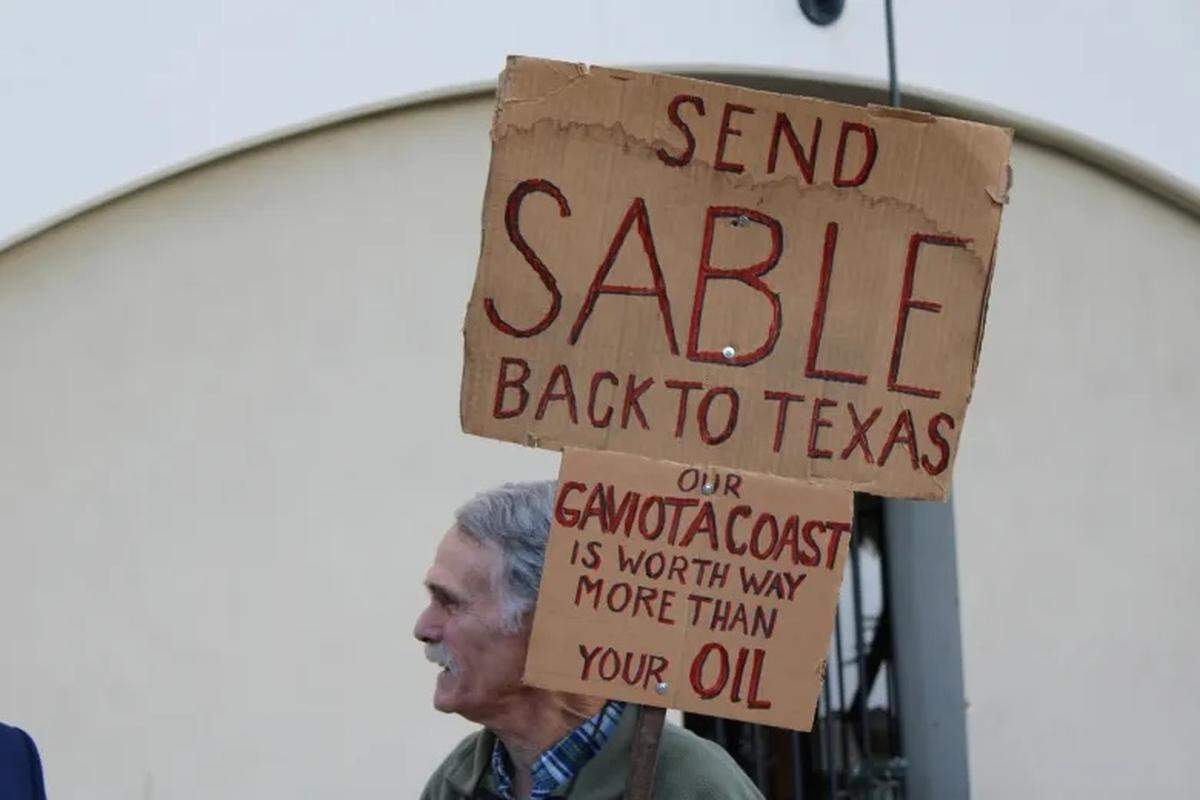
California Attorney General Rob Bonta, however, said the Department of Energy hasn’t proven that an energy emergency exists — so the Defense Production Act does not apply, and the federal government does not have the authority to override state law and a federal court decision that prohibit the current oil operation.
“California has seen first-hand the devastating environmental and public health impacts of these pipelines rupturing, and there are court-ordered legal requirements in place to ensure that it doesn’t happen again,” Bonta said in a news release. “But instead of following the law, the Trump administration and an increasingly desperate Sable are attempting to ride roughshod over state authority and judicial independence — all so that Sable can profit.”
The Department of Energy, however, defended its decision in a statement sent to The Tribune on Wednesday.
“Despite being home to more than 30 military installations, California has adopted policies that have left our forces — and $4.1 trillion of our nation’s GDP — dependent on imported oil,” the statement said. “This is an untenable threat to our national security, especially in a time of military conflict.”
Sable did not immediately respond to The Tribune’s request for comment.
California challenges federal order that forced an oil operation
The California Attorney General’s Office argued that the Department of Energy violated California’s sovereignty and the separation of powers by ordering Sable to resume operations.
Four miles of the pipeline run through Gaviota State Park. Sable needs permission from the state to transport oil underneath the park, which the state has not issued since the pipeline shut down after the 2015 oil spill.
“The Tenth Amendment preserves California’s right to own and manage its own property, but the Wright Order is being used by Sable to trespass on state land,” a news release from the Attorney General’s office said.
Meanwhile, the order also violates a federal court decision.
In 2020, the U.S. District Court for the Central District of California issued a consent decree that required the state fire marshal to inspect and approve the pipeline before Sable resumed operations.
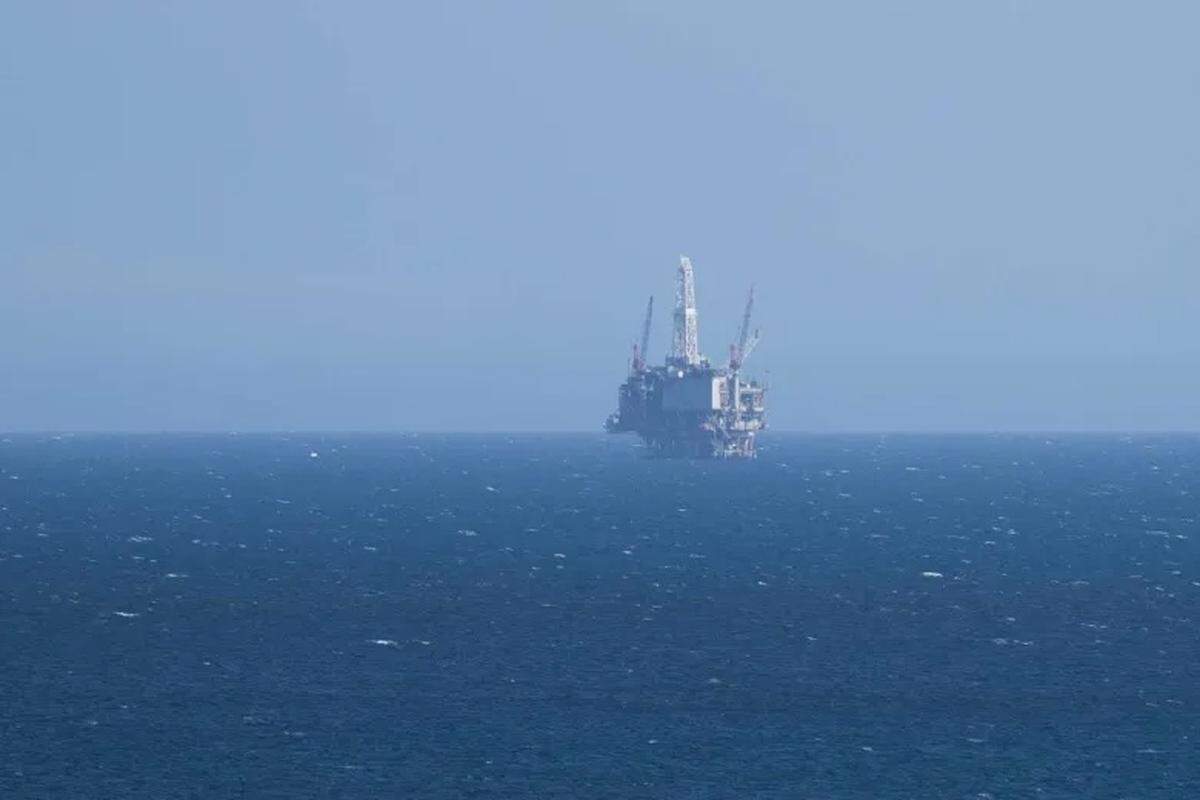
However, at the Department of Energy’s request, Sable restarted use of the pipeline without approval from the fire marshal — violating the consent decree.
The lawsuit argued that Wright’s order violated the separation of powers between the executive branch and the judicial branch, because Wright disregarded the federal consent decree.
The Department of Energy did not respond to these specific allegations but defended the decision to “restart critical infrastructure and strengthen domestic energy,” the agency said in a statement.
“California leaders should stop prioritizing political agendas over America’s energy security,” the statement said.
The Attorney General’s Office vowed to continue to challenge the order.
“Protecting California’s rights, coastlines and communities is our guiding light,” Bonta said in a news release. “We won’t let this outrageous federal overreach go without a fight.”