SLO County mountain lions are ‘critical’ to CA population. Now they have protection
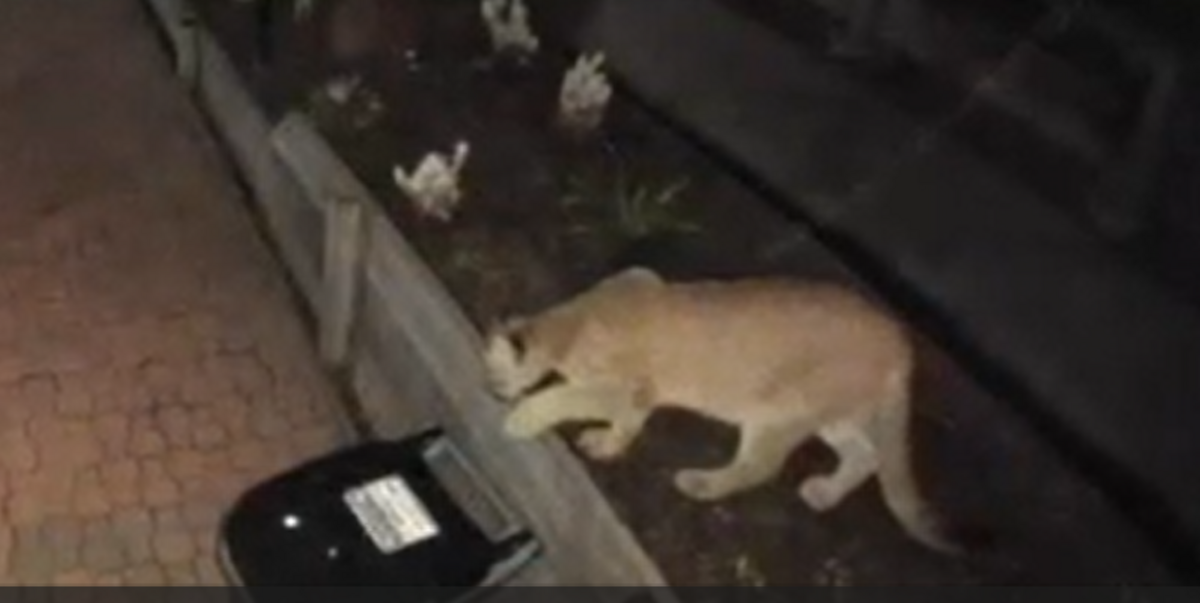
Ring cameras regularly catch mountain lions prowling through San Luis Obispo County yards as they travel between open spaces — searching for food, new territory or a mate.
Roads and development have sliced through mountain lion habitat, which isolates the felines from potential mates, harms their health and even threatens them with extinction if trends continue, scientists said.
Last month, a state agency took a step toward supporting the recovery of the species.
On. Feb. 12, the California Fish and Game Commission voted unanimously to designate six groups of mountain lions on the Central Coast and Southern California as threatened under the California Endangered Species Act.
This means new development built in mountain lion territory must be wildlife friendly. The designation also mandates state agencies to conserve the species.
“These mountain lions have been here on this landscape for a long, long time,” Center for Biological Diversity conservation scientist Tiffany Yap said. “Really, we want to promote safe coexistence with them, and really figure out a way to live alongside them so that we, both mountain lions and people, can thrive.”
The Center for Biological Diversity submitted a petition in 2019 that resulted in this designation.
In 2020, the Fish and Game Commission granted candidacy status to the mountain lions, offering them temporary protections under the California Endangered Species Act. Designating the mountain lions as threatened offers them permanent protection under the law.
“I was excited and really happy and thrilled to see that the state is following the science,” Yap said.
Why do mountain lions need protection?
About 1,449 mountain lions live on the Central Coast and Southern California, according to California Fish and Game Commission staff member Daniel Applebee.
Mountain lions are primarily threatened by vehicle strikes, rodenticides and habitat loss and fragmentation, he said.
Agriculture, roads and housing development cut through mountain lion habitat — forcing mountain lions into small areas, which caused inbreeding. Now, the exchange of genes is far below the rate needed to maintain genetic diversity between populations, he said.
As the genetic diversity declines, each mountain lion population is at a higher risk of extinction, he said.
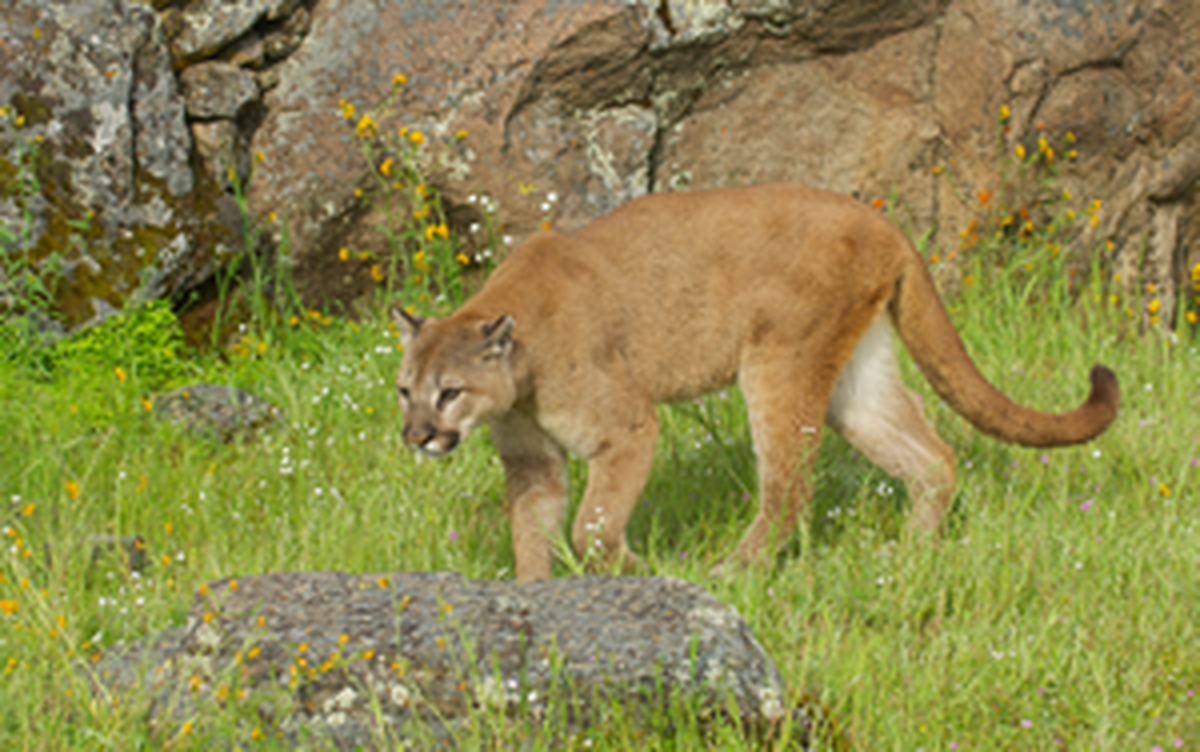
Healthy mountain lions prefer to traverse between 50 square miles and 100 square miles of territory, Yap said. Typically, only one male lives in each territory, so when a male cub is about 1.5-years-old, he must seek out his own habitat or risk conflict with the dominant male in the area.
That’s a difficult task in the current environment — where open spaces are boxed in by development.
The largest population of mountain lions roams through the counties of San Luis Obispo, Santa Barbara, San Benito and Monterey. This area includes the Santa Lucia Range, the Sierra de Salinas, the Temblor Range and the Sierra Madre Mountains.
About 480 mountain lions live in this area, Applebee said.
Meanwhile, 459 live in the Eastern Peninsular Range, 219 live on the northern Central Coast, 64 live in the Santa Monica Mountains, 94 live in the San Gabriel and San Bernardino Mountains and 67 live in the Santa Ana Mountains.
Yap said it’s critical to incorporate wildlife connectivity into development, like wildlife crossings on roads and retrofitting culverts so they can be used as crossings.
This is especially true for connecting healthier populations — like those on the Central Coast — with populations that are struggling, she said.
“The mountain lions in SLO are really critical to help improve gene flow amongst both the northern populations in the Santa Cruz Mountains and the southern populations in the Santa Monica,” she said.
San Luis Obispo County mountain lions benefit from larger open spaces, so the cougars have more room to roam and find mates. Meanwhile, cougars in the Santa Monica Mountains and Santa Cruz Mountains are so boxed in by development that their health is deteriorating.
“The science really speaks for itself,” Yap said. “It’s so clear that our roads and development are slicing through mountain lion habitat, so much so that they’re causing dangerous genetic isolation amongst these populations, and that really we need to improve wildlife connectivity to keep these mountain lions from going extinct in these local areas.”