Developer wins Wild Cherry Canyon appeal. Could homes be built there?
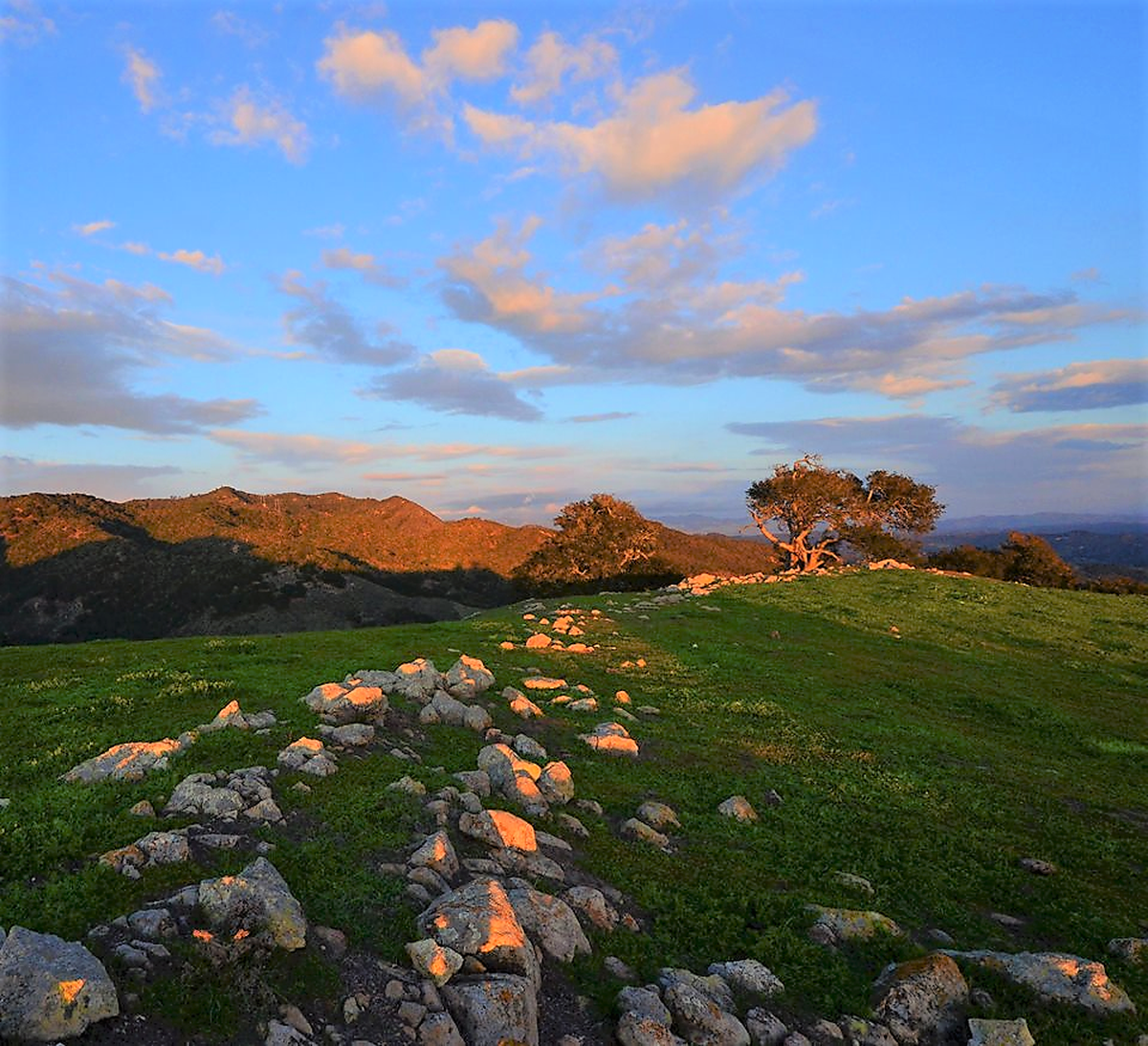
A housing developer scored a win in a years-long battle over a lease for 2,400 acres of undeveloped coastal hills near the Diablo Canyon nuclear power plant.
But that doesn’t mean homes will be coming to the scenic property behind Avila Beach.
On Monday, Division 6 of the Second District Court of Appeal ruled that the real estate development company HomeFed Corp. does, in fact, own the rights to a 99-year lease on the Wild Cherry Canyon property that could potentially allow building there even though the company has for decades only grazed cattle on the rolling, ocean-view hills.
Wild Cherry Canyon is the southernmost parcel of the Diablo Canyon lands owned by Euerka Energy, a subsidiary of PG&E.
In 2023, a trial court ruled that the lease only lasted 51 years, because the property was used for agricultural purposes due to the cattle grazing. California law limits agricultural leases to 51 years.
The appellate court, however, said the lease allowed for both agricultural and non-agricultural purposes — so the 51-year lease limit didn’t apply to the Wild Cherry Canyon property.
Eureka Energy could appeal the decision to the California Supreme Court, but it had not announced plans to do so as of Friday.
PG&E declined to comment on the ruling, and HomeFed did not respond to The Tribune’s request for comment.
Court says Wild Cherry Canyon lease lasts 99 years
In August 2018, HomeFed applied to Eureka Energy to extend its lease by another 99 years. At the time, HomeFed expected its 1968 lease to expire in 2067, with the option to extend the lease another 99 years to 2166.
HomeFed wants to extend the lease to preserve its ability to possibly build there one day.
Eureka Energy, however, declined the request, and said the lease actually expired in 2019 because the land was used for agricultural purposes. PG&E is worried about development coming too close to Diablo Canyon.
In 2019, HomeFed then sued PG&E over the terms of the lease.
In May 2023, San Luis Obispo Superior Court Judge Rita Federman ruled that HomeFed’s lease for Wild Cherry Canyon expired in 2019, because in her opinion, the property was leased primarily for agricultural purposes.
HomeFed and its subsidiaries then appealed the trial court’s decision.
On Monday, Division 6 of the Second District Court of Appeal reversed Federman’s decision, which means HomeFed gets to keep its lease until 2067.
According to the court, cattle grazing can be considered an agricultural use under Section 717. But the lessees grazed only 111 cows for fire prevention on the 2,400-acre property, which the court determined was not enough cattle to be considered an agricultural use.
Additionally, the 1968 lease for the Wild Cherry Canyon property said the land could be used for “any lawful purpose,” which includes agricultural and non-agricultural uses.
“(The lease) does not ‘default’ to ‘agricultural’ even if it was historically used to graze cattle,” the court said.
Therefore, the lease is valid for the full 99 years. This means Pacho Limited Partnership and San Luis Partnership, owned by HomeFed, can continue to use the property until then.
“Plaintiffs should not suffer a $39 million forfeiture of their leasehold interest because of their efforts to suppress wildfires on the property,” the decision said.
Could HomeFed Corp. develop houses on the property?
The developer’s victory does not mean housing will be coming to the hills of Wild Cherry Canyon.
During the court trial, HomeFed witnesses presented plans to develop the property, which included the potential for a dude ranch, or even an “urban village” of 2,500 housing units, according to previous Tribune coverage.
But just because HomeFed has a right to lease the property, doesn’t mean it will be able to develop it.
If HomeFed wanted to build on the property, it would need to apply to the county for a land-use permit, county planning division manager Susan Strachan told The Tribune.
The county would only issue a land-use permit with the consent of the landowner, she said.
This means HomeFed could not develop the property without permission from Eureka Energy.
During the court trial, PG&E senior regulatory and environmental director Tom Jones said the utility company does not want to develop Wild Cherry Canyon because it’s so close to the Diablo Canyon nuclear power plant. Development would make emergency planning difficult, he said.
PG&E has not since publicized if its intention with the land has changed. On Thursday, PG&E declined to answer questions about the case.
Meanwhile, the community and the California State Legislature have expressed interest in conserving the property.
In 2023, the California Natural Resources Agency released a plan that said Wild Cherry Canyon could be transferred to California State Parks when the power plant is decommissioned.
Then, in 2024, California lawmakers allocated $40 million of the state budget to the purchase and preservation of Wild Cherry Canyon.
The California State Coastal Conservancy will award the funding to an organization with experience managing land for conservation and public access, according to previous Tribune coverage.