With no water tax, Paso Basin managers scramble for funding. What’s next?
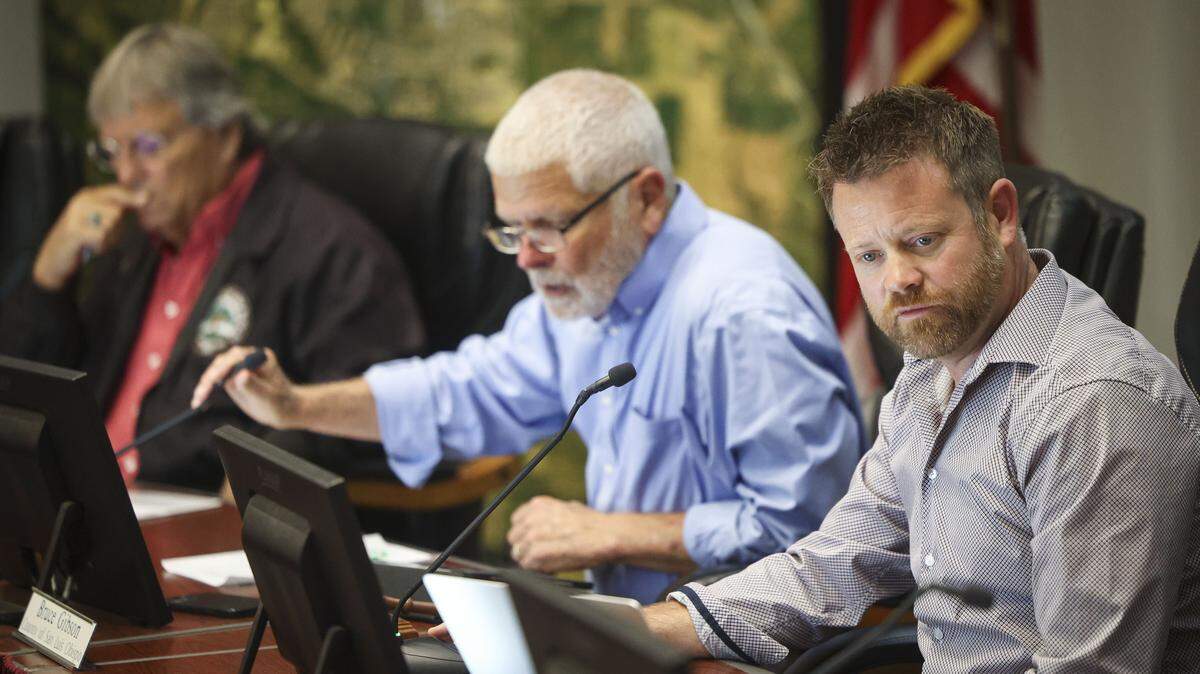
Without a water tax, the Paso Robles Area Groundwater Authority is on the hunt for funding to support its operating costs for the rest of the year.
The agency’s Board of Directors was forced to abandon water use fees during a meeting on Aug. 1 after a majority of property owners objected to them.
Now, the agency is almost $300,000 short of funds needed to cover the rest of the year’s operating costs, such as paying consultants and preparing the state-mandated annual report.
Because the basin is considered “critically overdrafted” by the California Department of Water Resources, the Paso Robles Area Groundwater Authority is required to bring the basin into balance by 2040. Part of that process includes submitting an annual report on the health of the basin to the state.
During a meeting on Monday, the board voted unanimously to direct staff to send a request to the four participating groundwater sustainability agencies to bridge the funding gap.
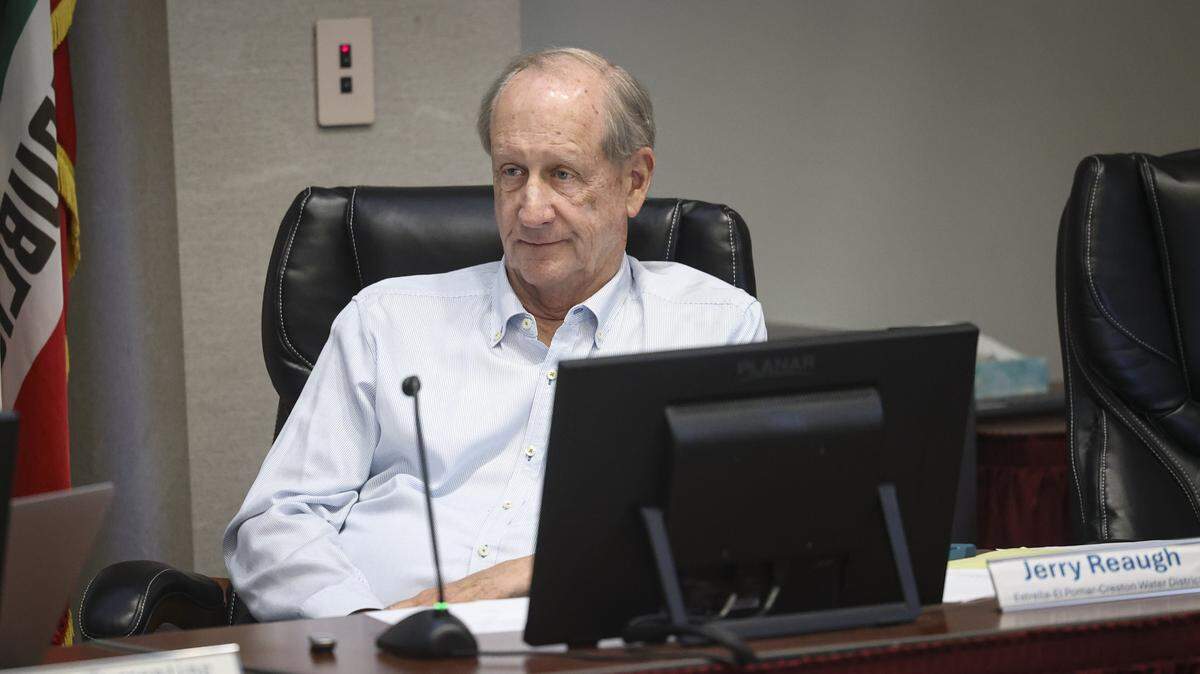
Board member Jerry Reaugh said the $300,000 would give the board “breathing room” as they develop a work plan for 2026 and explore more permanent sources of revenue.
Bridging the budget gap
The Paso Robles Area Groundwater Authority expects to spend about $515,600 from May to December, but it only has $229,148 in the bank, according to a cash-flow analysis Reaugh presented at the meeting.
This leaves the agency with an approximately $286,452 deficit.
The board will charge each of the four groundwater sustainability agencies a portion of that $300,000 based on percentages established during the creation of the joint powers authority.
The city of Paso Robles would contribute 16%, or $48,000; the county would contribute 33%, or $99,000; the Estrella-El Pomar-Creston Water District would contribute 30%, or $90,000; and the Shandon-San Juan Water District would contribute 21%, or $63,000, Reaugh said.
Each Groundwater Sustainability Agency will decide independently how to respond to the request, San Luis Obispo County groundwater sustainability director Blaine Reely told The Tribune.
The SLO County Board of Supervisors already approved a batch of funding for the county groundwater sustainability agency, so it will pull from that pot of money to pay the $300,000, Reely said.
The other groundwater sustainability agencies, however, may send the request to their respective boards for a vote, Reely said.
The cash-flow analysis allocated $14,000 to preparing the request for proposal for a consultant to assemble the annual basin report. But the consultant may cost at least $100,000 in 2026, so the Paso Robles Area Groundwater Authority may need to return to the groundwater sustainability agencies again in the fall or early winter to ask for that funding, Gibson said.
“We’re going to have to deal with the expenses of administering the (Sustainable Groundwater Management Act) until we get revenue,” he said.
At the Sept. 24 meeting, the board will discuss its work plan and more sustainable revenue options.
Those options could include revisiting the Proposition 218 process to enact fees during fiscal year 2026-27. Property owners would have the chance to protest those rates, like they did last time.
The board could also pursue a Proposition 26 process to levy different fees on those pumping from the basin.
Proposition 26 allows groundwater sustainability agencies to impose fees on “groundwater extraction or other regulated activity, to fund the costs of a groundwater sustainability program, including, but not limited to, preparation, adoption and amendment of a groundwater sustainability plan and investigations, inspections, compliance assistance, enforcement and program administration, including a prudent reserve,” the water code said.
Proposition 26 does not include a protest process, so the board could pass those fees without permission from property owners, agency consultant Taylor Blakslee said at the last meeting. Instead, the board would post the proposed fees online and in the newspaper and vote on them during a public hearing, he said.