A rattlesnake just bit your dog or cat in CA. What to do next to save your pet
AI-generated summary reviewed by our newsroom.
- Rattlesnake bites affect 150,000 pets each year.
- Prevent attacks by removing food, water sources and snake hiding spots.
- If your dog or cat gets bitten by a venomous snake, here's what to do.
As hot temperatures hit California, you may notice more rattlesnakes hanging out on hiking trails or basking in your backyard.
Snakes thrive in warm weather, with peak rattlesnake season extending from April to October, according to Emily Taylor, a professor of biological sciences at Cal Poly.
About 150,000 dogs and cats get bitten by venomous snakes each year, according to nonprofit organization Morris Animal Foundation.
What should you do if a rattlesnake bites your pet? What are the best ways to prevent a snake attack?
The Tribune reached out to snake experts to discover the answers. Here’s what we found out:
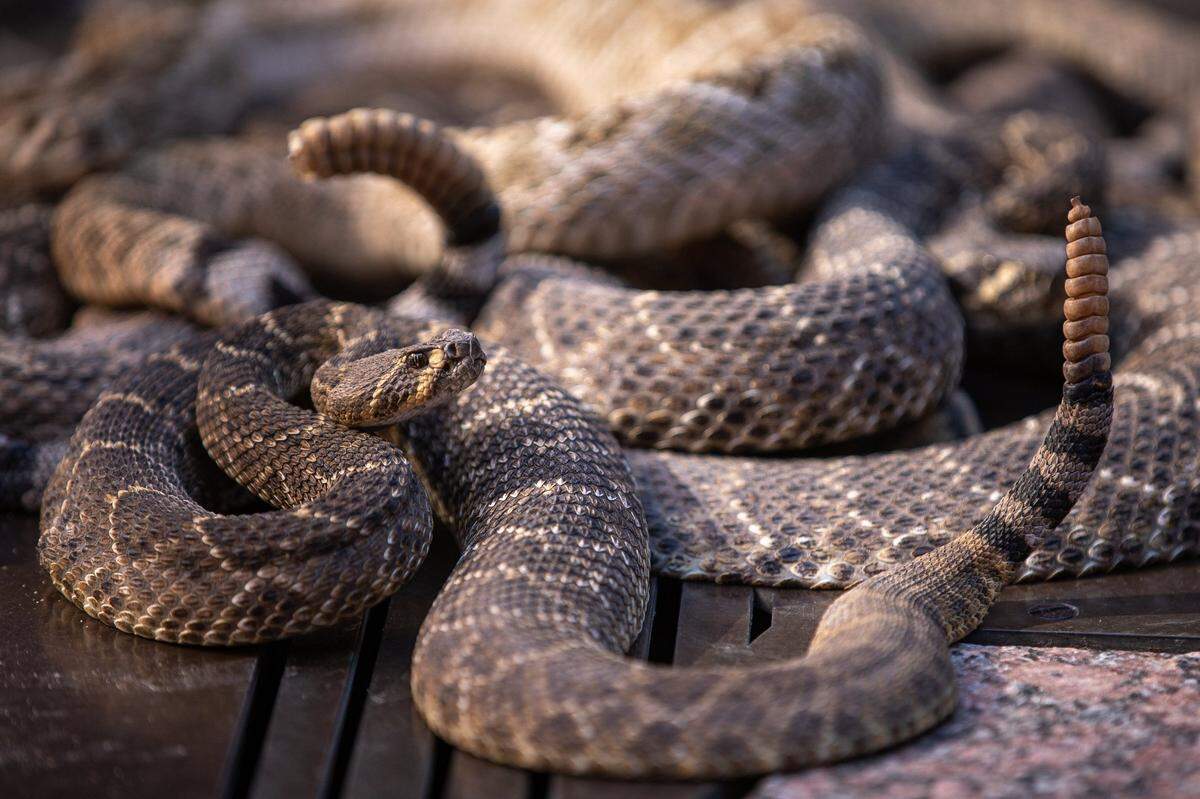
Is that a rattlesnake? Here’s how to identify one
California is home to seven species of rattlesnakes, according to the California Department of Fish and Wildlife.
The venomous reptiles live at elevations up to 9,000 feet and typically hang out under rocks, logs and woodpiles, the National Park Service said.
Rattlesnakes, which can grow 3 to 4 feet long, tend to have “heavier, chubbier” bodies than other snake species, according to wildlife biologist Michael Starkey, founder and executive director of Sacramento-based nonprofit group Save the Snakes.
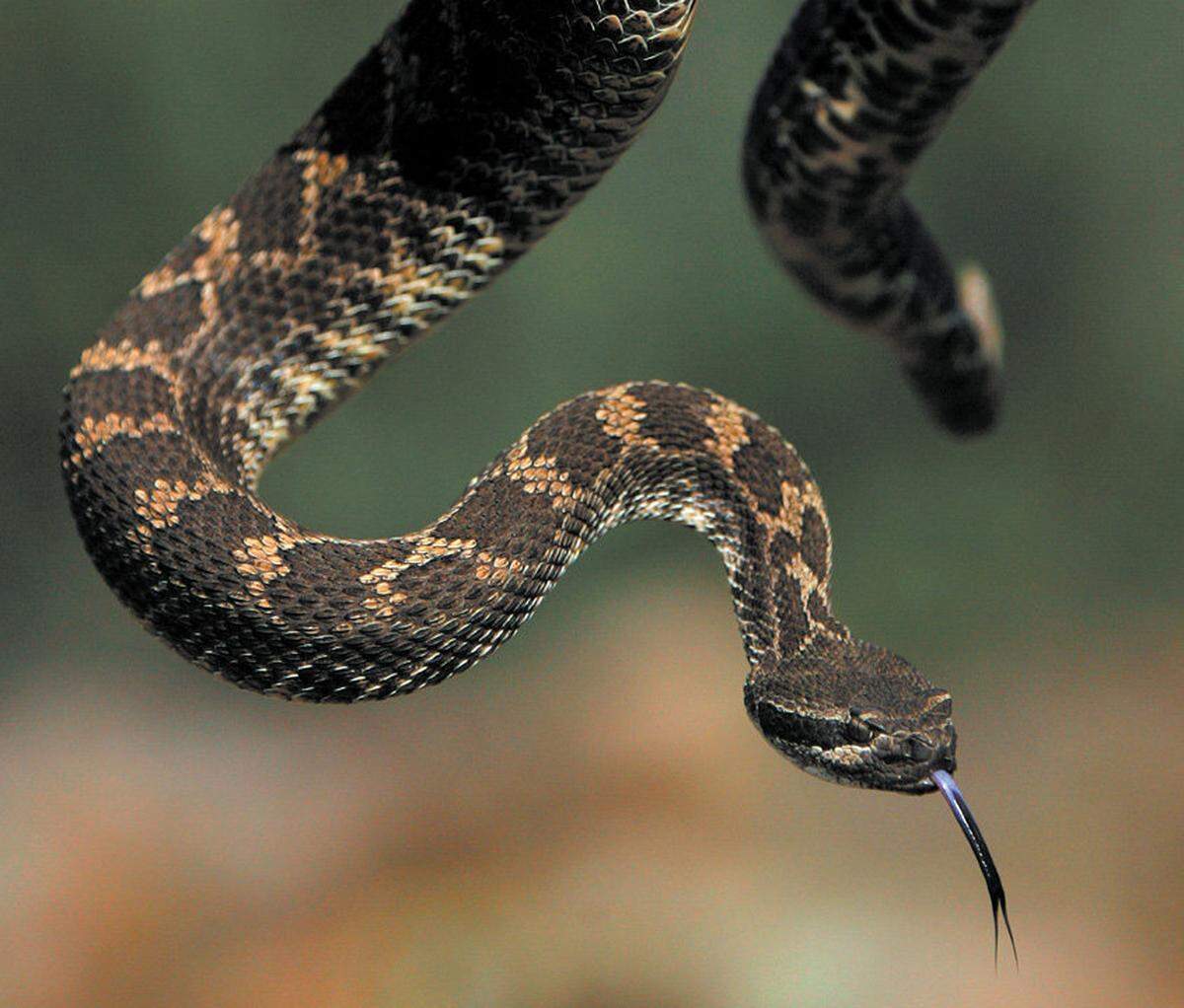
You can identify a rattlesnake by its triangular-shaped head, diamond pattern and gray or light brown body.
Rattlesnakes can also be recognized by the distinct sound their rattles make.
However, you shouldn’t rely solely on sound to identify these snakes.
Baby rattlesnakes don’t have rattles, and adult snakes can lose their rattles or simply decide not to use them.
What are best ways to keep pets safe from rattlesnakes?
To prevent your pet from getting bitten by a rattlesnake, you should become “familiar with common local species” and work to keep snakes out of your home or garden, according to UC Davis.
Snakes usually come onto your property in search of food, shelter or something to drink, according to Starkey.
“During the hot months, snakes are looking for water,” Starkey previously told The Bee, which means they’re attracted to swimming pools, sprinklers, ponds and more.
He recommends fixing leaks and securing pet dishes and air conditioning units.
You should also keep your yard clear of places where snakes could hide, remove potential food sources such as bird feeders and avoid feeding your pets outside, Starkey told The Bee in 2024.
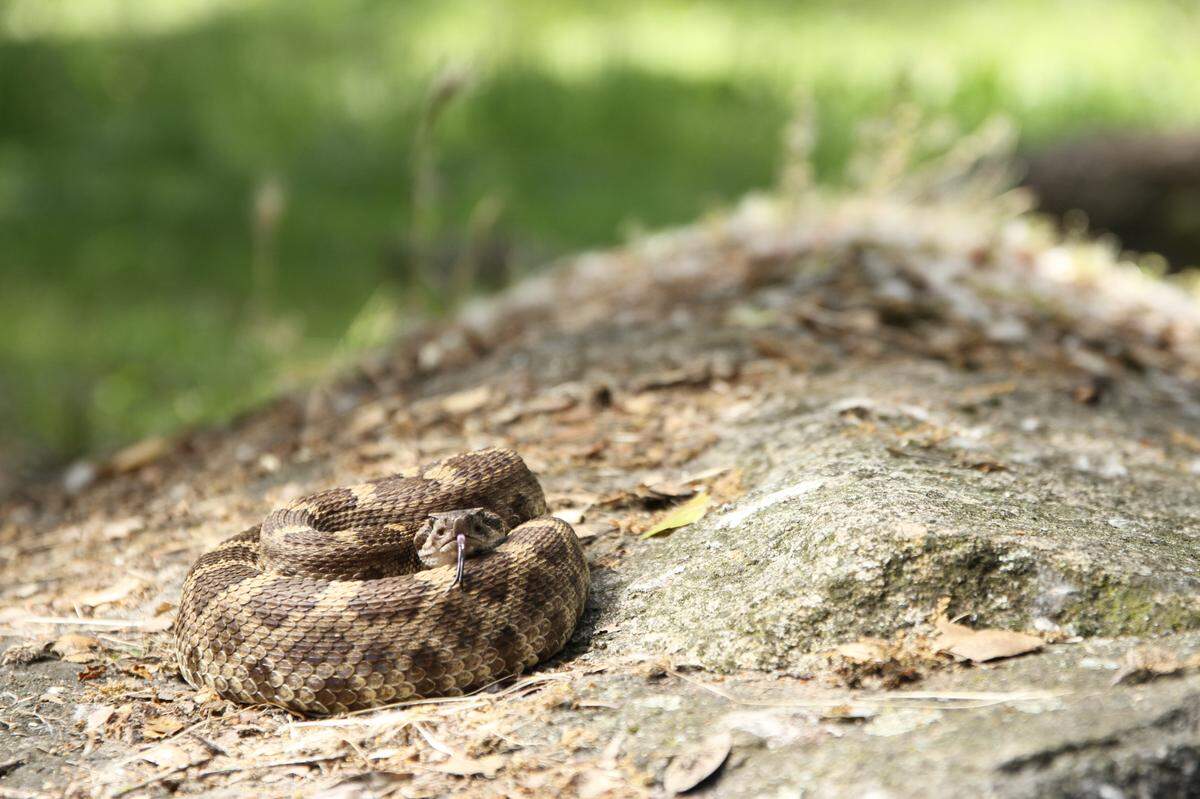
“While hiking, keep pets on a leash, stay on trails and avoid areas of tall grass, rocks or woodpiles,” UC Davis said.
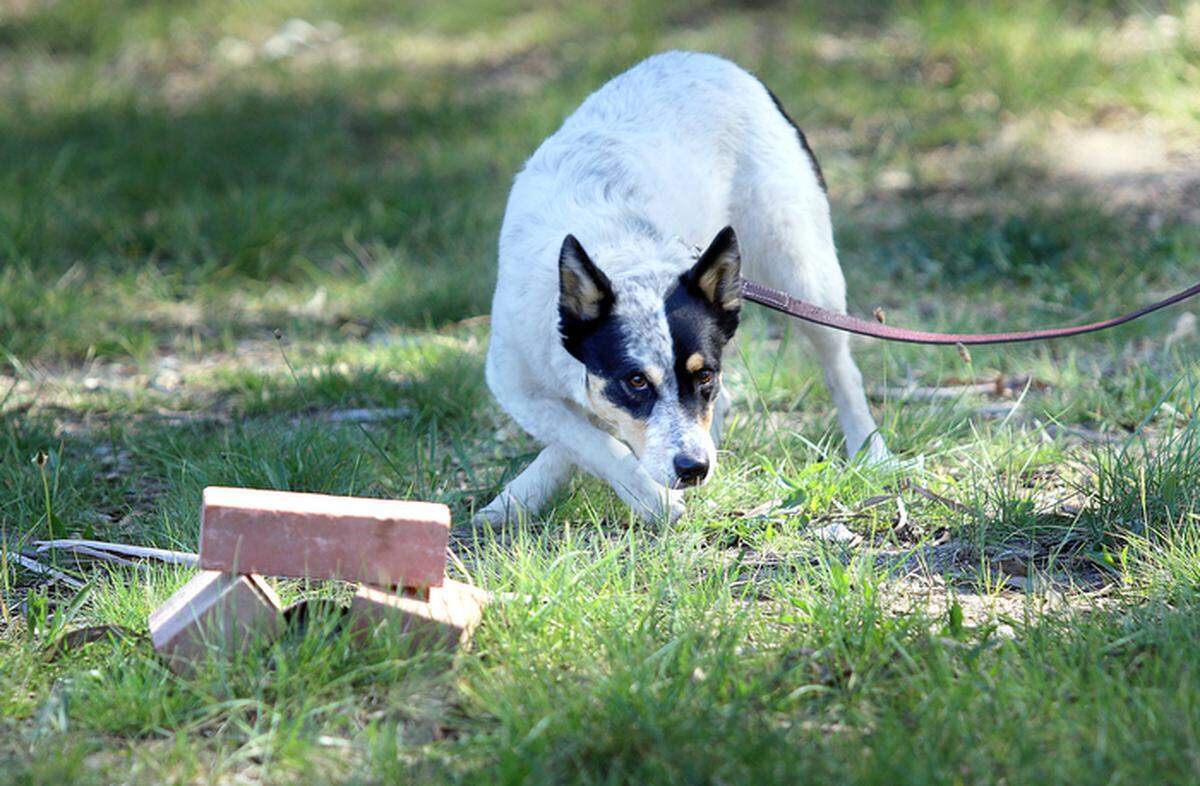
How can I tell if my dog was bitten by a rattlesnake?
If your dog is bitten by a rattlesnake, you may notice a change in your pet’s behavior.
“Venomous snakebites are extremely painful,” the American Kennel Club said on its website. “While some dogs are very stoic and will hide their pain, others may react by crying and hiding.”
According to WebMD, snake bite symptoms in dogs include:
- Puncture wounds
- Sudden weakness and possible collapse
- Bleeding or bruising
- Trembling, twitching, and shaking
- Dilated pupils
- Diarrhea
- Vomiting
- Bloody urine
What are rattlesnake bite symptoms in cats?
Here are some of the common symptoms of “pit viper toxicity” in cats, according to PetMD:
Extreme pain and swelling at the site of the bite
Bruising with dead skin peeling at the bite site
Dark, bloody fluid draining from the bite
Nausea, drooling and vomiting
Diarrhea
Pale gums
Blood in urine
Dilated pupils
Weakness, depression and lethargy
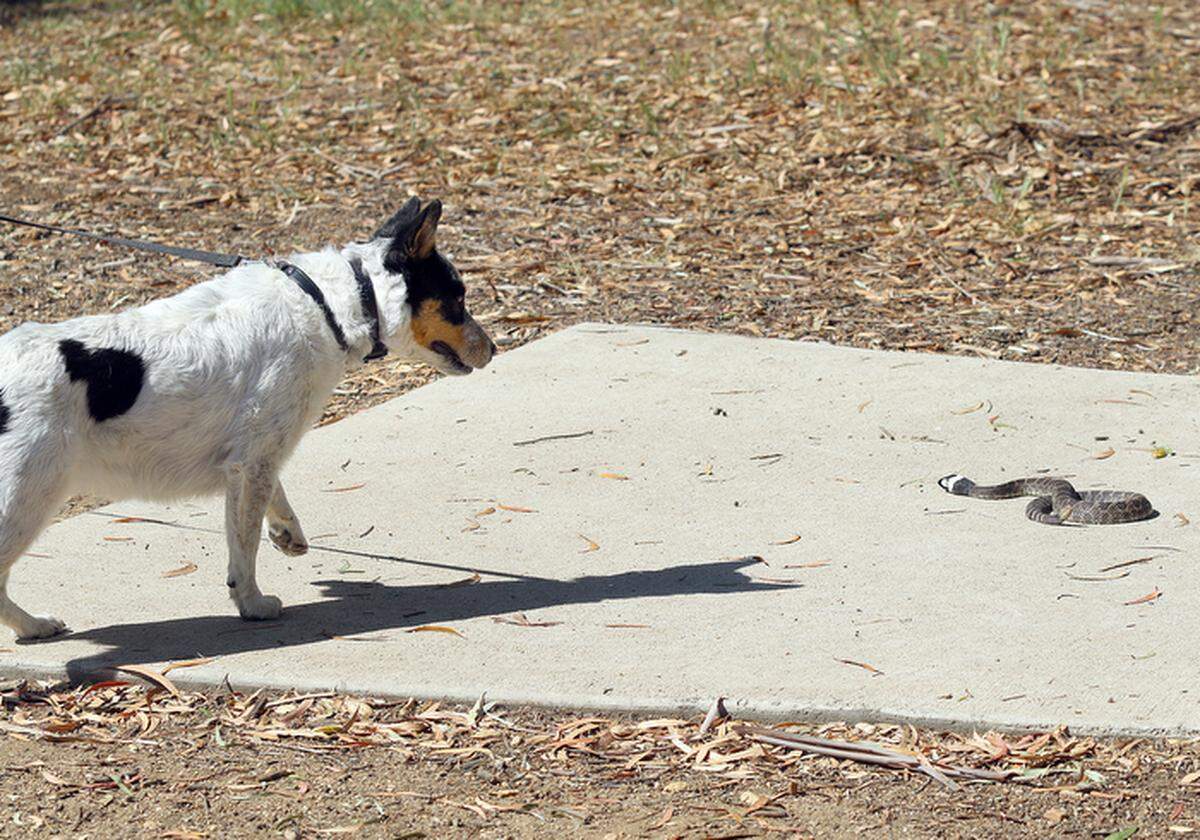
What to do (and not do) if your dog gets bit by a rattler
If your dog or cat gets bitten by a rattlesnake, keep your pet calm and a “safe distance” from the snake, Starkey said.
Starkey said “an increased heart rate and movement can expedite the spread of venom throughout the body.”
Avoid using a tourniquet, applying ice to the bite site or giving your dog antihistamines or anti-inflammatory painkillers, according to UC Davis emergency veterinarian Karl Jandrey and the American Kennel Club.
Instead, Starkey said, you should pick up your pet and immediately take them to a veterinarian.
What if there’s no vet nearby?
If you’re in a remote area without a vet nearby, you can try these two things to help your pet, according to Indianapolis emergency pet hospital IndyVet:
- Rinse the wound with water to remove the venom.
- Keep the bitten area below the level of heart to reduce blood flow to the area.
How are venomous snake bites treated in pets?
Antivenom, also known as antivenin, is “the only treatment that can directly fight the effects of snake venom,” the American Kennel Club said.
When injected intravenously, the serum “binds to the toxin and prevents it from damaging tissue cells,” the group said.
Antivenom costs about $400 to $800 per dose and takes about an hour to administer, according to the American Kennel Club.
Approximately 80% of dogs survive venomous snake bites given quick treatment, the Morris Animal Foundation said.