SLO County beach is among most bacteria-ridden spots in US, report says. See the list
San Luis Obispo County is home to one of the most bacteria-ridden beaches in the country, according to the Surfrider Foundation.
The nonprofit organization recently released its 2023 Clean Water Report to “build awareness of issues that affect water quality at the beach.”
The report, published May 21, highlights 10 beaches across the United States and Puerto Rico where high bacteria levels consistently exceed state health standards, putting public health at risk.
A total of three California beaches, including spots in Pacifica and San Diego, made the list.
“At each of these beaches, the (Surfrider Foundation’s) Blue Water Task Force program is working hard to build awareness of the pollution problems and to provide ... communities with critical public health information,” the nonprofit said in the report.
“The ultimate goal is to find and fix the sources of pollution and to restore clean water locally,” the Surfrider Foundation said.
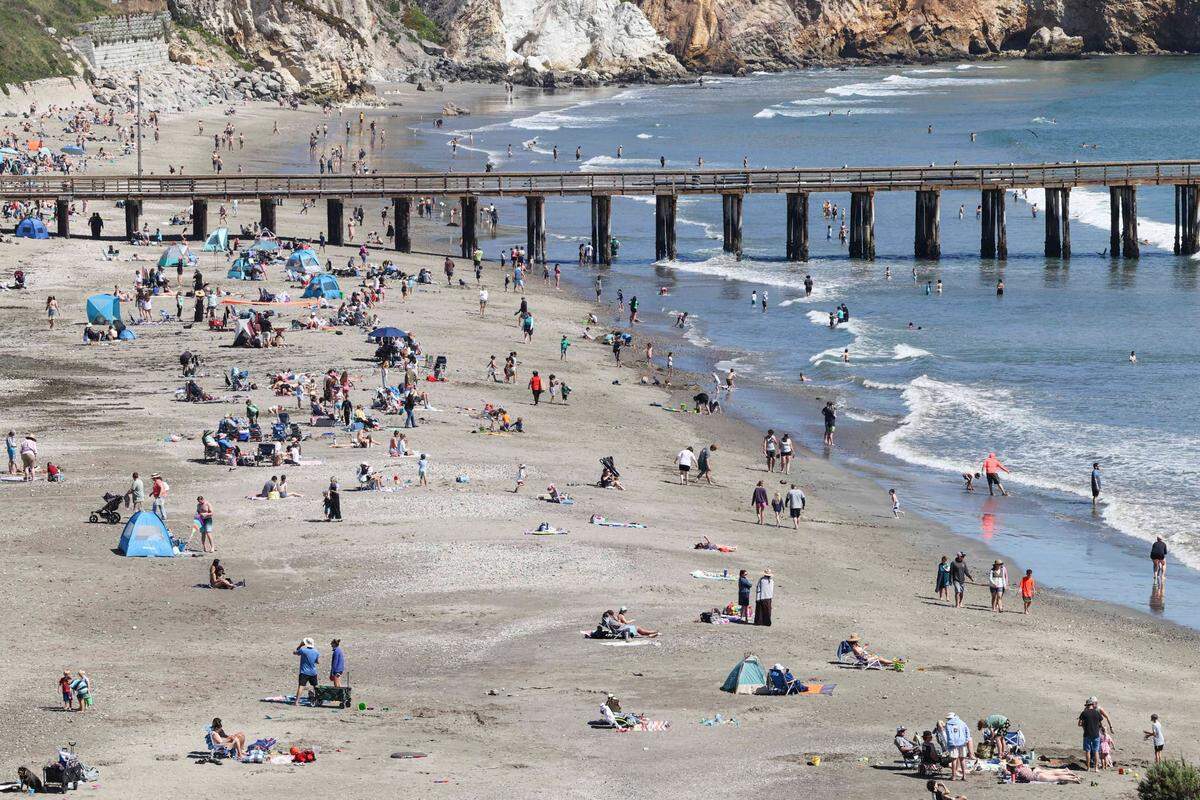
Which California beaches have highest bacteria levels?
According to the Clean Water Report, Surfrider Foundation chapters measured high bacteria levels in 2023 at three sampling sites across California.
“Surfrider Foundation volunteers test beaches that are not covered by agencies, and also monitor potential sources of pollution, such as stormwater outlets, rivers and creeks that discharge onto the beach,” the nonprofit said.
At Imperial Beach in San Diego, 100% of samples failed to meet the state health standard for recreational waters.
Linda Mar Beach in Pacifica also landed on the foundation’s list.
Of the samples collected at the San Mateo County, 54% tested high for bacteria.
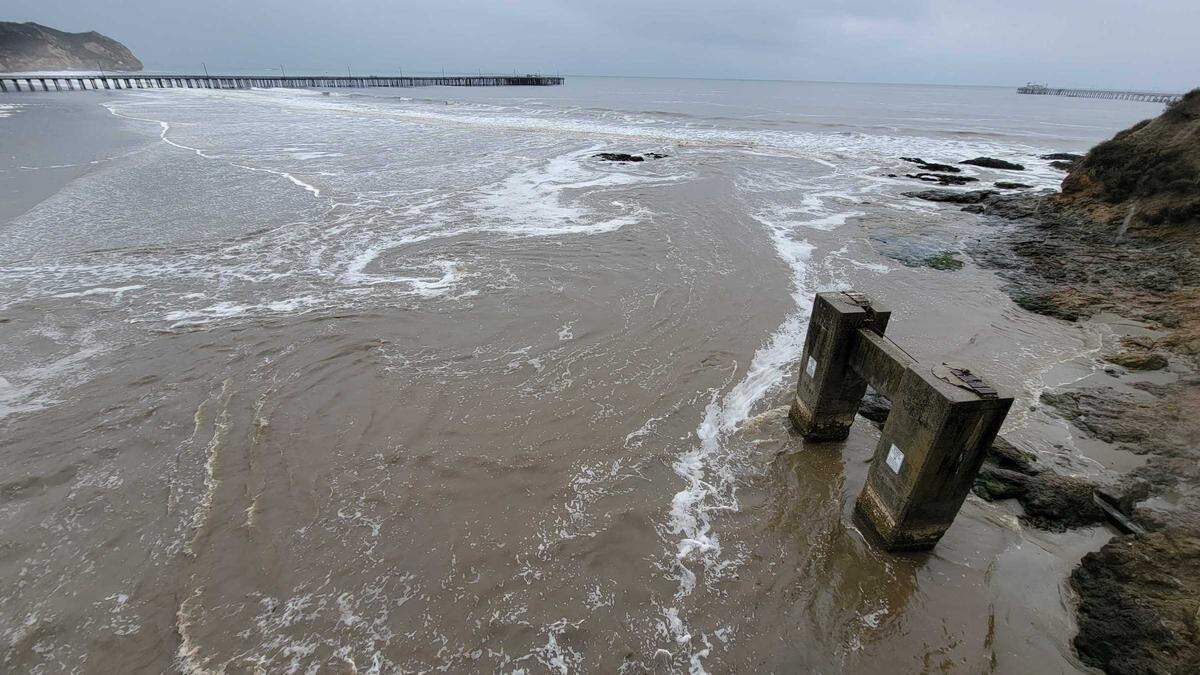
The mouth of San Luis Obispo Creek in San Luis Obispo County also landed on the list of the 10 most bacteria-ridden beaches in the country, with 35% of samples revealing high bacteria levels.
Which beaches in the US have the most bacteria?
According to the Surfrider Fundation, these were the 10 most polluted beaches in the United States and Puerto Rico, and the percentage of samples that tested high for bacteria in 2023:
- Flying Point Mecox Bay in Southampton, New York: 46%
- Ballard Park in Melbourne, Florida: 37%
- Park View Kayak Launch in Miami Beach, Florida: 37%
- Playa Crashboat in Aguadilla, Puerto Rico: 26%
- South Sound Thea Floss Floating Dock in Tacoma, Washington: 47%
- Linda Mar Beach in Pacifica: 54%
- San Luis Obispo Creek mouth in San Luis Obispo: 35%
- Imperial Beach in San Diego: 100%
- Kahalu’u in Oahu, Hawaii: 86%
- Nawiliwili Stream at Kalapaki Beach in Kauai, Hawaii: 100%
How did Surfrider Foundation test water?
A total of 57 Blue Water Task Force labs processed 9,538 water samples collected from 567 distinct sampling sites in 2023, the Surfrider Foundation said.
Of those 567 beaches and sampling sites, 362 yielded at least one high bacteria result that exceeded state health standards, the foundation said.
“This shows the importance of regular water quality monitoring at the beach to protect public health and promote safe recreation,” the Surfrider Foundation said.