How will offshore wind turbines affect the Pacific Ocean? New study aims to find out
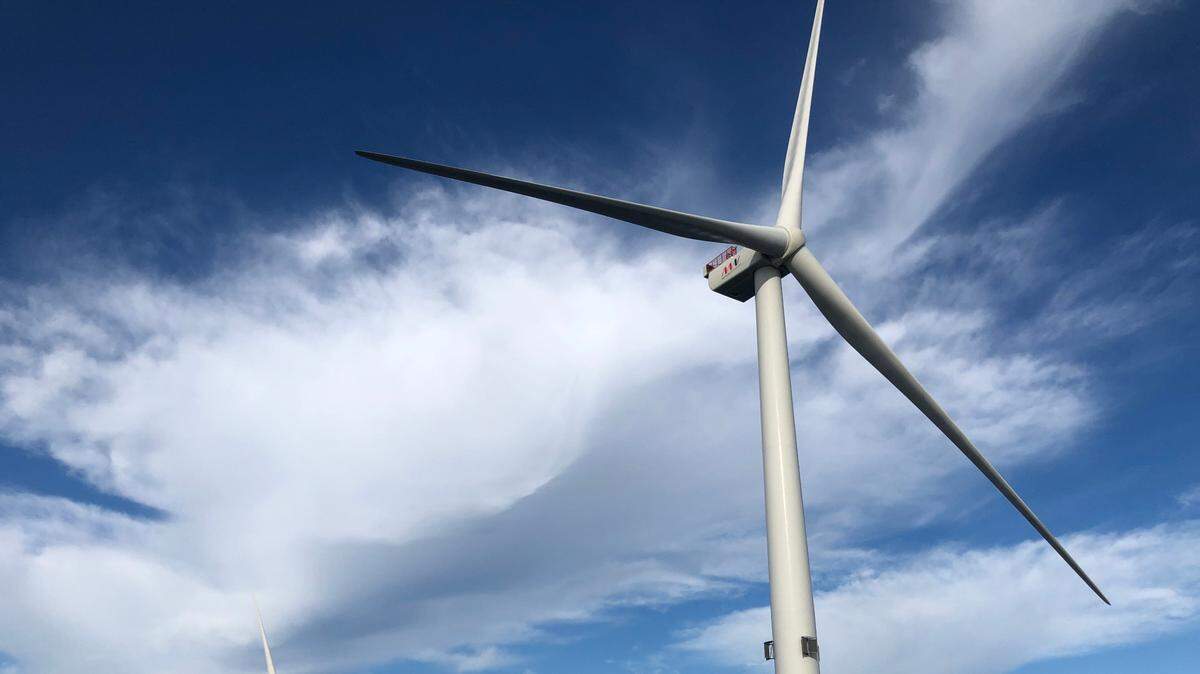
How could constructing hundreds of floating offshore wind turbines in the Pacific Ocean off California’s coast impact the marine environment?
The U.S. Bureau of Ocean Energy Management plans to answer that question as it prepares a so-called programmatic environmental impact statement for the Morro Bay and Humboldt wind energy areas set aside for massive wind turbine farms.
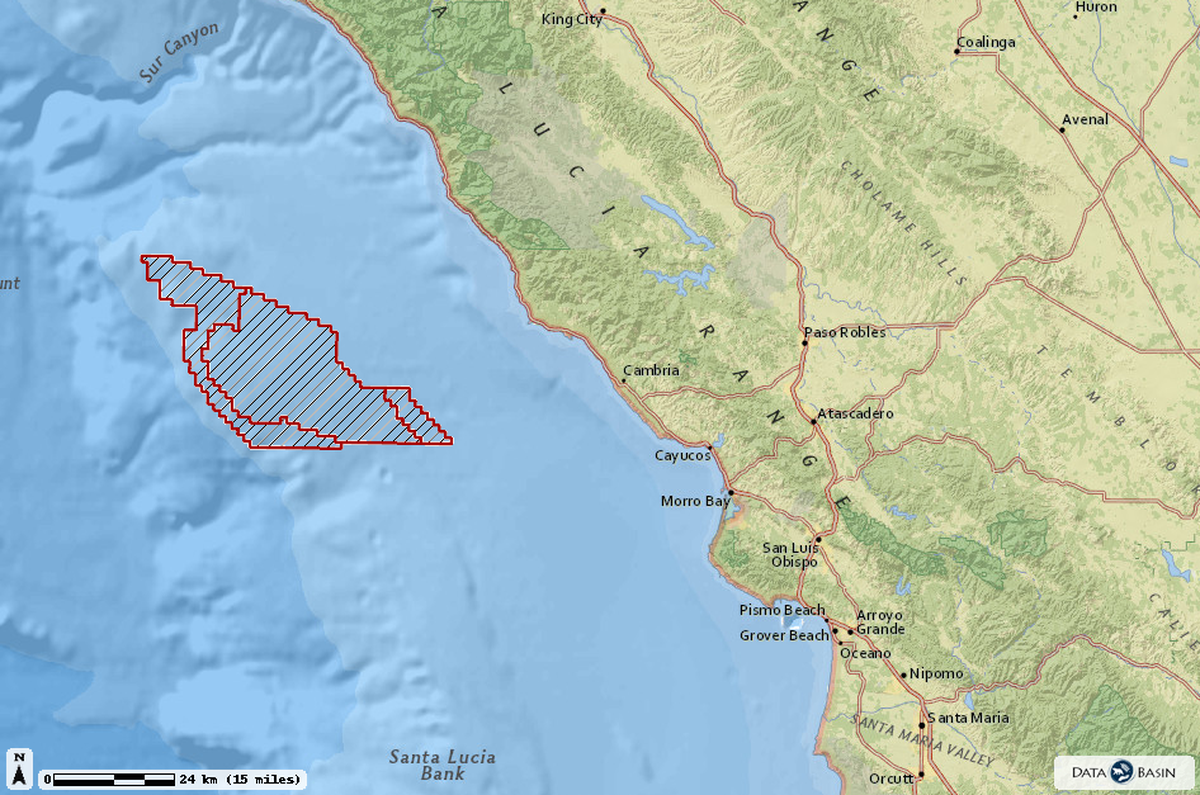
The two wind energy areas — one located off the coast of San Simeon and Cambria north of Morro Bay and the other off the coast of Humboldt Bay in Northern California — were leased to five companies after a December 2022 auction.
The Morro Bay wind energy area encompasses 240,898 acres of the Pacific Ocean, while the Humboldt area covers 132,369 acres.
The two could generate between 4.5 gigawatts and 9 gigawatts of electricity if fully developed, according to BOEM and developer estimates.
BOEM has said it expects to receive plans from the companies leasing the ocean space regarding how they propose to construct and operate the energy farms “within a relatively short time frame in the future.”
Those plans will be the first glimpse into how many and what kind of wind turbines would be erected in the ocean, how many cables are expected to extend from each turbine to offshore substation and onshore grid infrastructure.
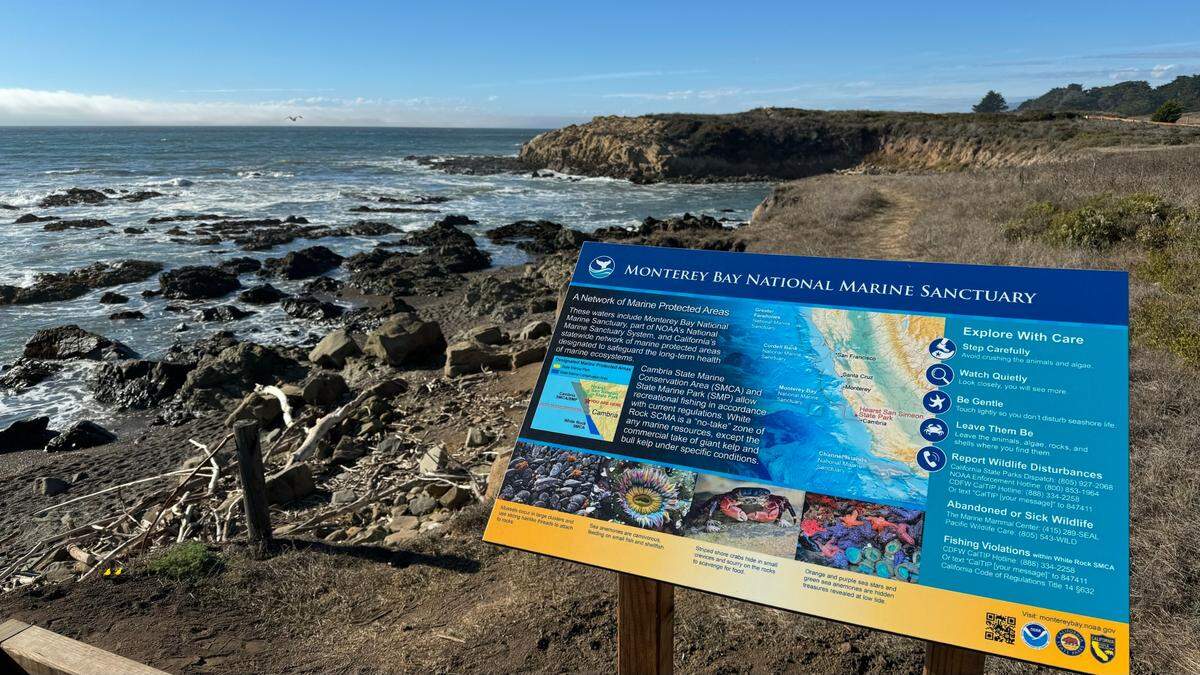
The analysis will provide the developers with a broad overview of the environmental impacts their projects could cause, and how then they must mitigate those impacts. Each individual construction and operations plan will also be analyzed through a separate environmental review once submitted.
To prepare the environmental impact statement, BOEM will draw input from public comments. Community members, Native American tribes, academics, researchers and scientists are encouraged to submit comments to BOEM regarding what the scope of the impact statement should be, as well as information known about potential impacts from the development and alternatives.
The federal agency will also “draw on its expertise in marine energy development, including lessons learned from (offshore wind) development on the Atlantic, to inform the analysis,” spokesman John Romero emailed in a statement to The Tribune.
“There will be no ocean surveys specific to the preparation of this analysis,” Romero added, meaning that the agency won’t be going out to the ocean to study the area. The analysis will be based on available data and testimony from public comments.
The environmental impact statement will analyze the directly affected environment and environmental consequences of developing the wind turbines in the designated wind energy areas.
It will also look at the regional impacts from the potential construction.
The document will also determine how negative impacts can be mitigated, Romero said.
BOEM has helped to fund various research projects in the Pacific Ocean to determine baseline environmental conditions before the potential offshore wind energy developments are constructed.
Those projects include wildlife tracking systems, acoustic bat monitoring and underwater noise recording.
“The Biden-Harris Administration is committed to responsibly harnessing the clean energy and economic potential of offshore wind in California,” Doug Boren, BOEM Pacific regional director, said in a prepared statement on Tuesday. “This regional environmental analysis will help ensure that timely decisions can be made to advance offshore wind while protecting the ocean environment, marine life and other ocean uses. This approach also ensures both a comprehensive review of the California areas and improved efficiencies for future offshore wind project reviews.”
Two virtual meetings regarding the environmental impact statement will be held, on Feb. 6 at 10 a.m. and Feb. 8 at 5 p.m., according to BOEM.
To learn more about how you can be involved, visit www.boem.gov/renewable-energy/state-activities/california-offshore-wind-programmatic-environmental-impact.
.jpg "IMG_1311 (2).jpg")