
New wildlife tags help Central Coast researchers understand impacts of offshore wind projects
Piedras Blancas Light Station has a new electronic wildlife tracking system to collect data on small birds and bats. It is also the site for a new acoustic bat monitoring project.
The data is important for understanding how future offshore wind projects in the area may affect these smaller species.
The Motus Wildlife Tracking System is an international collaborative research network that tracks birds, bats and insects with tiny transmitters. The tags transmit location data back to scientists, who then can use it for research and education.
The data informs ecology and conservation of these migratory species.
Motus is a program of Birds Canada in partnership with collaborating researchers and organizations. Data collected is shared among all researchers.
“Motus allows us to track species too small to tag with traditional GPS tags,” said Laney White, U.S. Geological Survey’s Western Ecological Research Center biologist.
The Piedras Blancas installation is funded for three years by the Bureau of Ocean Energy Management in a long-term investment.
The system can be used to monitor bird and bat movements. In the future, Motus may be used to study animal movement around the turbines off the West Coast.
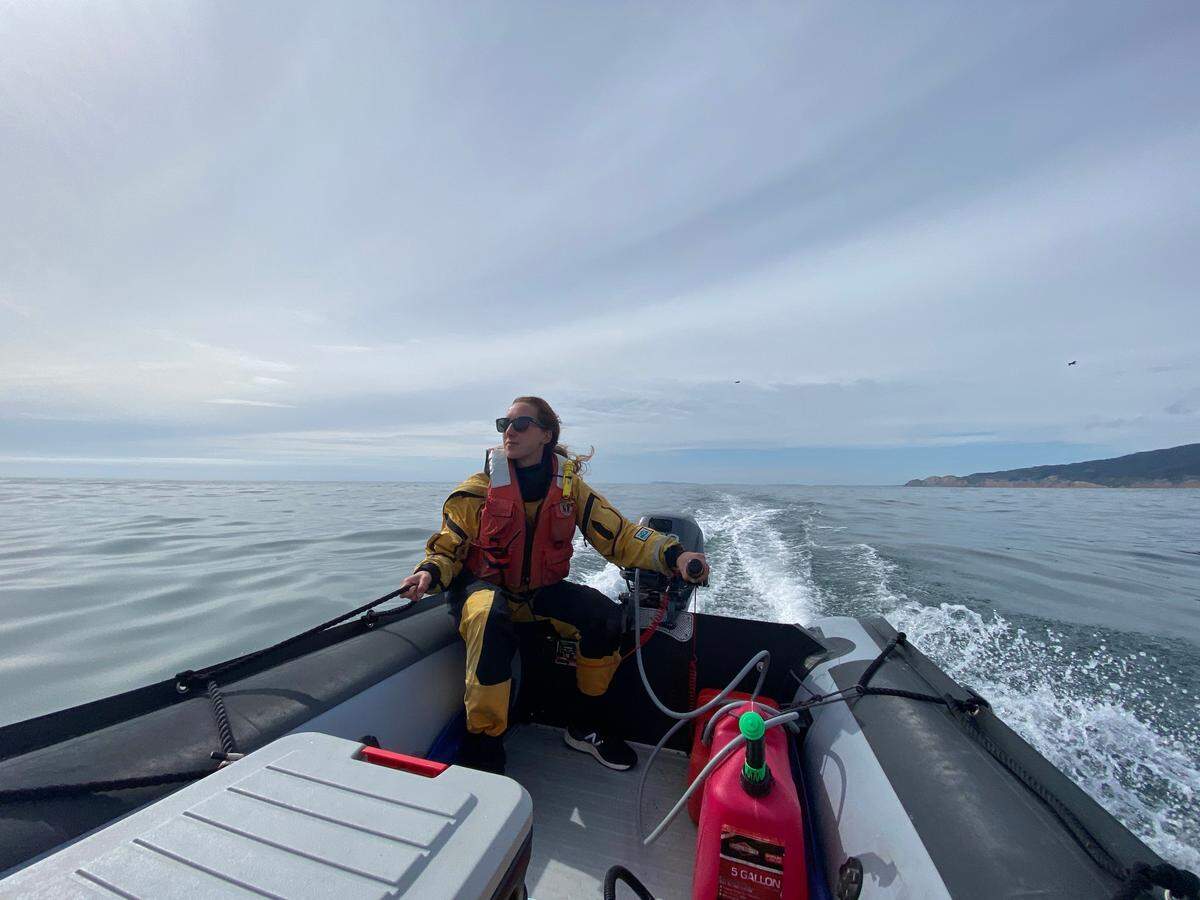
In Central and Southern California, USGS is in the process of building 25 stations.
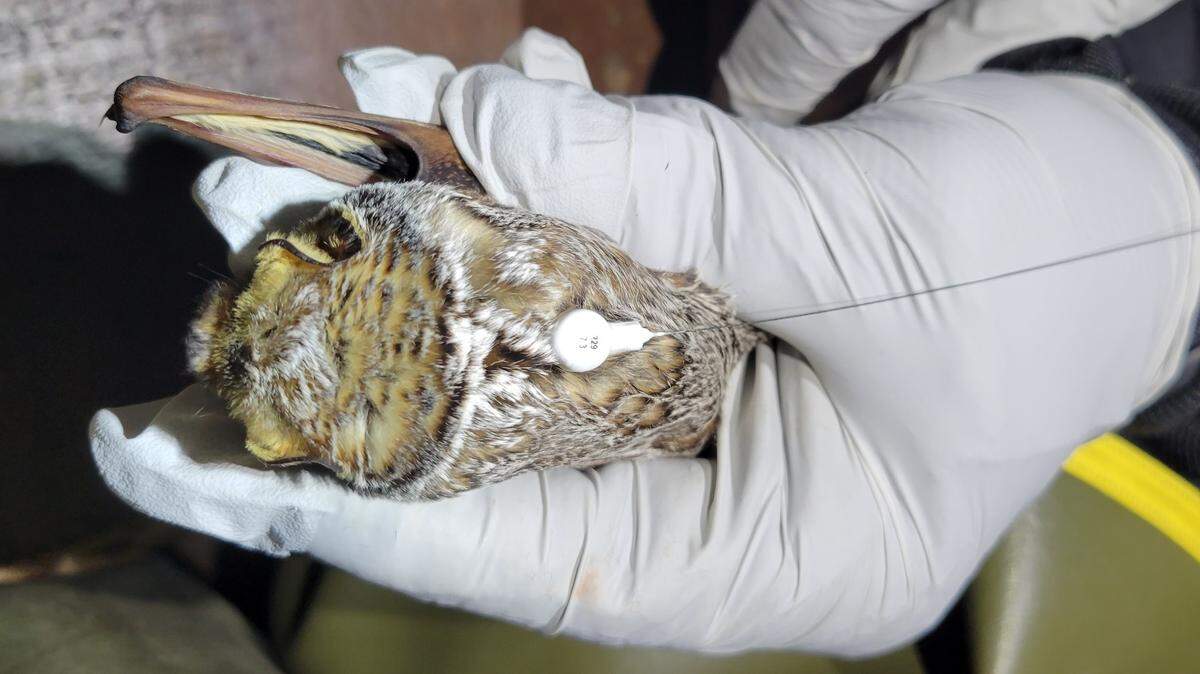
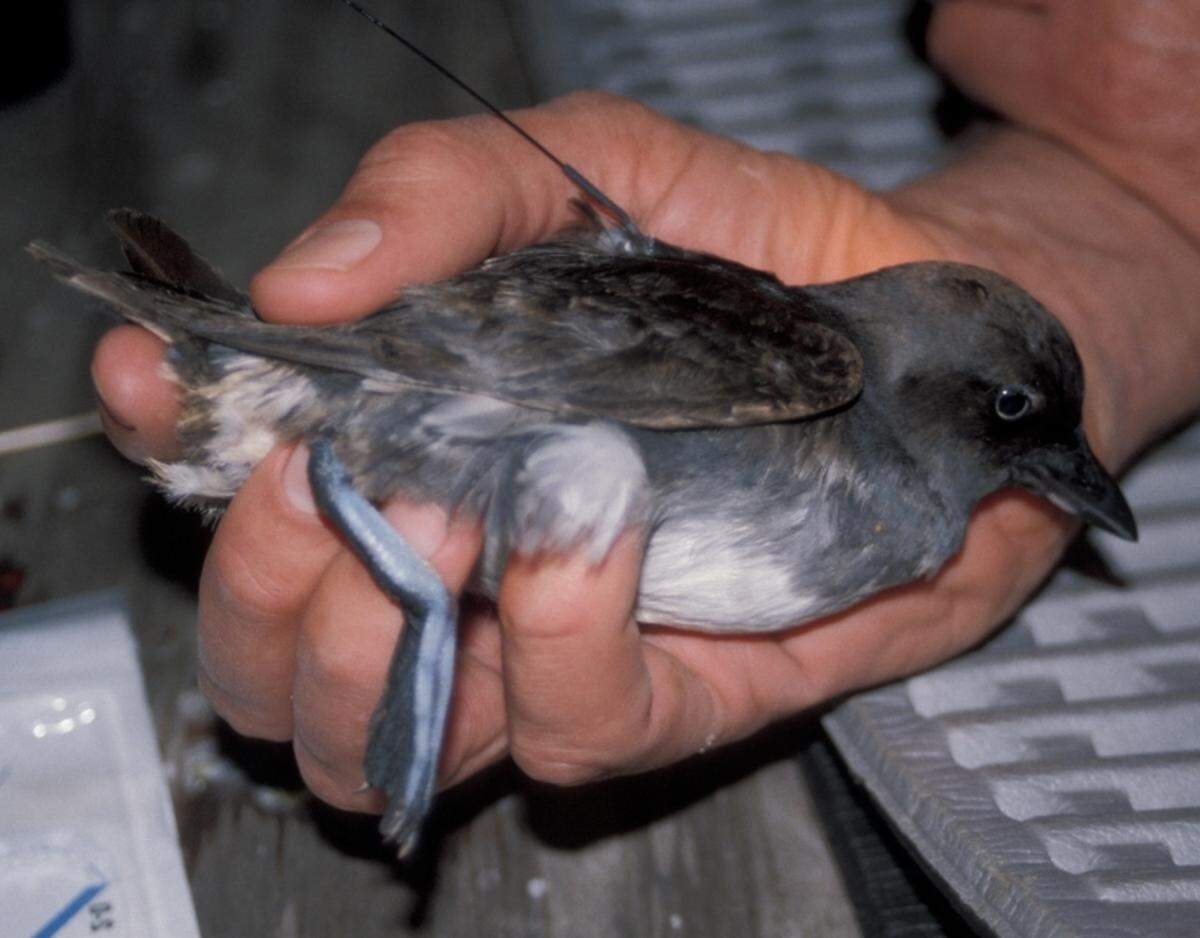
The tiny battery-powered tag can weigh less than half a gram, less than the weight of a paperclip and costs about $200. It can be glued to the bird, sutured or attached with a harness or leg band. The batteries can be solar powered and last years.
“Until you’ve got a bird in hand, you can’t always tell which method will work,” White said.
Cassin’s auklets, ashy storm-petrels, and western gulls will be tagged. Western gulls will also get GPS tags that can detect Motus tags, making them mobile receiving stations and expanding the network’s reach offshore.
In less rigorous environments, the tags can last a bird’s lifetime. In the salty marine environment, they probably won’t last that long.
The system needs international collaboration with Canada and Mexico, because birds and bats migrate across international boundaries.
New wildlife tracking system will also monitor bat populations
Bats hunt the insects that are their food with sonar echolocation.
“Insects are nimble,” said USGS acoustic specialist Bethany Schulze. “They are good at evading capture.”
Globally, bats play a significant ecological role, in pest control, pollination, seed dispersal and as bioindicators of environmental toxins. The bat in the coal mine, as it were.
Hoary bats, a migratory species, could be affected by the West Coast wind projects proposed for 20-30 miles offshore.
Motus wildlife tracking and acoustic bat detectors can provide data to document how offshore bat activity is different from coastal; which species migrate offshore; whether their migration is seasonal; and ultimately, whether the wind turbines will affect them.
Piedras Blancas is the first of 10 coastal acoustic monitoring sited set up. The solar-powered acoustic bat detector is holding up well so far, Schulze said.

All 20 coastal and offshore sites are already collecting data, from 0.3 to 120 kilometers offshore. They are on exposed areas at the edge of the ocean. They record bats calling as they fly past.
“I just deployed our last site (Nov. 4), so now all 20 sites are collecting data” Schulze wrote in an email.
Target species are hoary bats, Mexican free-tailed bats, western red bats, and silver-haired bats.
California bats feed mainly on insects.
Schulze follows the bats where they go. One hoary bat — “they’re the big fluffy ones,” she said — was tagged in Marin County, then tracked to north of Sacramento before it flew to Washington state.
Collaborating with the U.S. Coast Guard, she’s been lowered in a basket by helicopter to deploy an acoustic bat detector on a rock in the middle of the ocean.
She and the rest of the Western Ecological Research Team will continue to follow the bats for several more years.