How good is the water quality off Morro Bay coast? New sensors track conditions in real time
How good is the water quality in the Morro Bay estuary?
New sensors are providing real-time updates for anyone interested in boating, swimming or paddle boarding off the coast of Morro Bay.
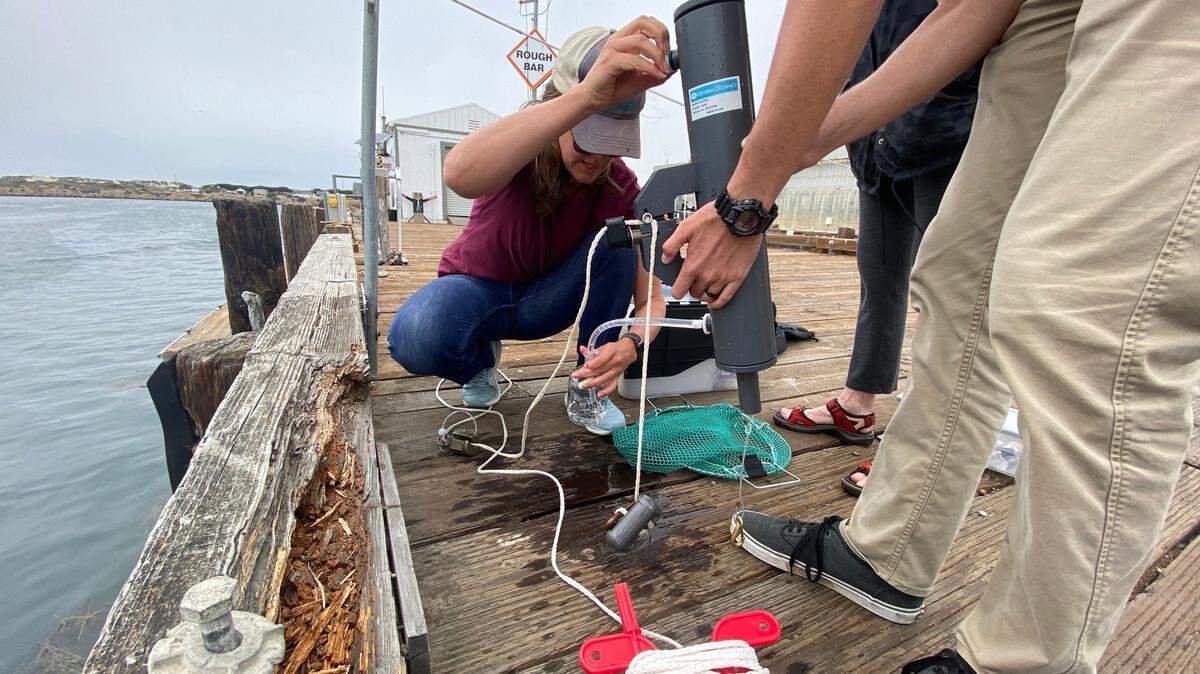
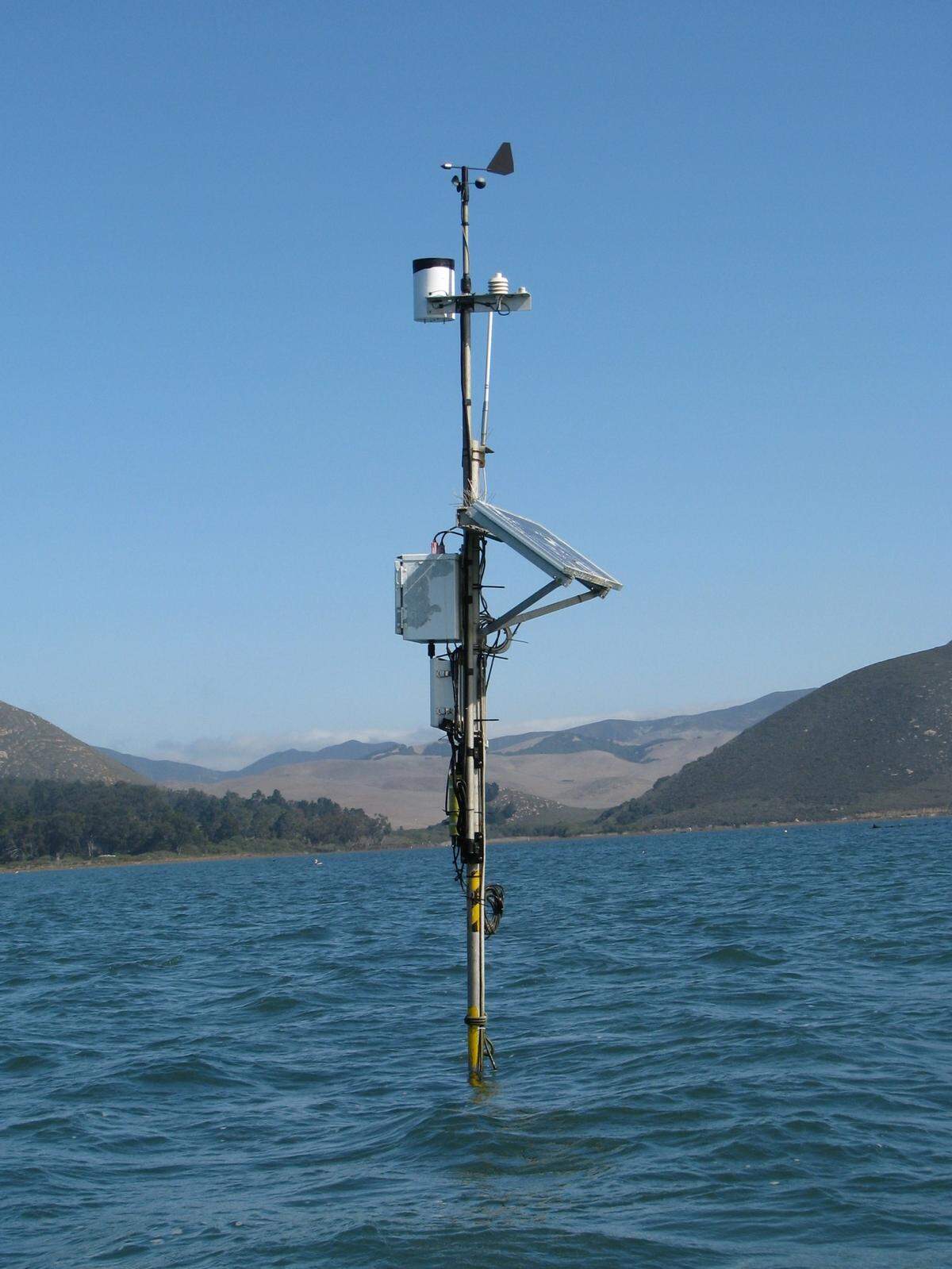
Researchers from Cal Poly installed new water quality sensors in the estuary that were purchased by the Morro Bay National Estuary Program to track data on various parameters.
Sensors were installed in June at the T Pier and in July at the oyster farms near the back of the bay. The data trackers replaced similar sensors placed in the estuary in 2007, which were often offline due to equipment issues.
“These new and improved sensors will allow for a unique long-term view into how the estuarine environment is changing,” said Ryan Walter, an associate professor of physics at Cal Poly. “These sensors serve as a foundation for understanding water quality conditions in the bay and either directly or indirectly have helped with understanding bay oxygen conditions, ocean acidification, marine heat waves, bacteria concentrations, harmful algal blooms, eelgrass system dynamics and local aquaculture health.”
Emily Bockmon, an associate professor of chemistry at Cal Poly, said she hopes to learn more about how certain indicators such as pH levels change in the estuary in the short term and long term.
For example, a high pH level around 8 is typically considered good, Walter explained.
If the pH level of the water in the estuary dropped below 7.5, that could indicate the water could be becoming too acidic for organisms such as oysters, he added.
If there are dips in the dissolved oxygen content of the water in the estuary, that could mean there is an algal bloom in the water, Walter explained.
Low salinity usually means there’s more freshwater flowing into the estuary, something that typically peaks after winter storms, Walter said.
“If we know what is causing particular conditions, then we can work with stakeholders to avoid them or mitigate their impacts,” Bockmon said. “Without these sensors and the support of the estuary program, we would be significantly hampered in our efforts to understand the estuary’s chemical environment given how variable it is on tidal, daily and weekly timescales.”
The water quality sensors are part of the Central and Northern California Ocean Observing System — CeNCOOS for short.
CeNCOOS is a network of organizations along California’s coast that work to monitor ocean conditions to support research and resource management.
Real-time data on Morro Bay’s water quality is available through the CeNCOOS online portal.
Visitors to the site can see data on water temperature, oxygen, pH, salinity and water clarity.
To access the portal, go to tinyurl.com/CeNCOOSdata and click on the sensor in the estuary you’d like to view.