
California oysters are in short supply. Here’s why the rain is to blame
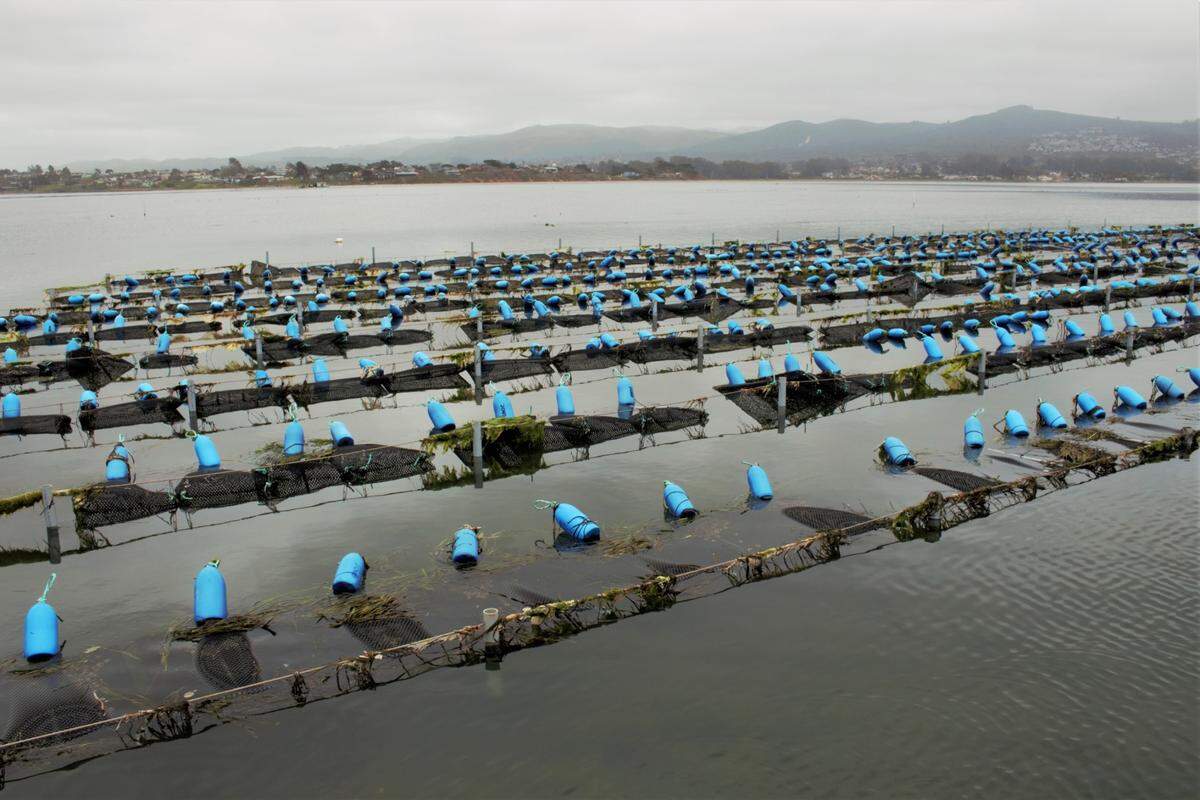
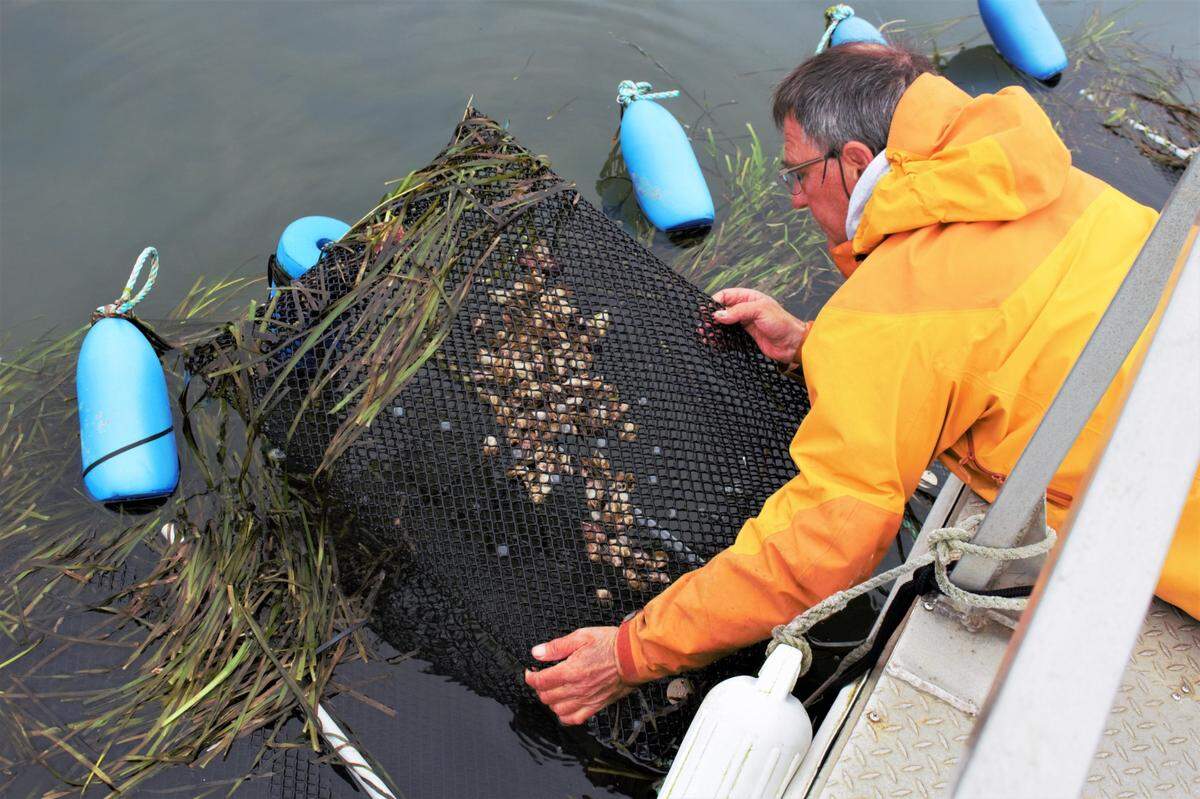
“You can say that we’re the only farmers who don’t like rain,” said Neal Maloney, owner of Morro Bay Oyster Co., a Central California harvester that produces around 1 million Pacific Gold oysters per year.
Since the tail end of last year, when the first in a parade of storms slammed into California, Maloney and many of the state’s other oyster farmers have been unable to harvest the mollusks, temporarily closing some operations and taking California oysters off some menus.
Although the storms brought much-needed rain to the state, helping to refill reservoirs and soaking drought-stricken regions, the water runoff into places such as Morro and Tomales bays prompted oyster harvesters to pause operations for bacterial testing.
“Here in Tomales Bay, most of the year the water quality is some of the best in the lower 48,” said John Finger, co-founder and CEO of Hog Island Oyster Co. Hog Island is one of the state’s largest oyster harvesters, producing around 6 million mollusks a year, 3 million of which are produced at its Tomales Bay facility.
Due to runoff from agricultural fields and homes, “the fecal coliform bacteria count goes up,” Finger said. The bacteria levels might not make people sick, he said, but are “an indicator there might be some issues in the water.”
Depending on how high water levels rise or how much rain falls, farmers are required by the state health department to wait a certain number of days and retest the bacteria levels before they can take up harvesting again. The waiting period allows the oysters to purge out pollutants as well.
When rain causes Chorro Creek, which empties into Morro Bay, to rise by a foot, Maloney is unable to harvest for several days.
During the most recent set of storms, the creek rose by 20 feet.
.JPG "IMG_0851 (2).JPG")
“Since the storm started, I haven’t been able to harvest for about two weeks,” Maloney told The Times on Thursday. “On Friday, I have to test the water to see if it’s clean enough, and if it is, I’ll get that result on Monday.
“So the soonest I could harvest is Monday,” he said, “unless it rains more.”
If rain again raises the creek by a foot, the clock would reset and Maloney would be unable to harvest for another several days.
“We are currently in a shortage,” he said.
For Maloney, the harvest stoppage has set his supply chain back by about a month.
In addition to the stoppage, the Morro Bay Oyster Co. is still recovering from the effects of the pandemic, which closed restaurants that purchased the oysters.
“We went to zero cash flow for almost a year,” Maloney said. The business was buoyed by Paycheck Protection Program loans from the Small Business Administration and some money from the U.S. Department of Agriculture.
“It’s like a three-year recovery,” he said. “We were already kind of in a limited capacity, so to take any kind of hit right now is not a good time.”
The shortage has had an impact on restaurants and vendors, particularly for specialty operations like the Ventura Fish Market, which operates only on Saturdays and provides products with the promise that they are “24 to 48 hours out of the water or still alive.”
“The last few weeks, we haven’t had any offerings” for customers, said owner Kat Jones. “No local fish. No paychecks for anyone in the industry.”
For those who have their freezers full, she added, it’s no problem.
Restaurants like L & E Oyster Bar in Silver Lake are able to get by without their California-grown-and-harvested oyster offerings by depending on other suppliers.
For now, L & E’s oysters are sourced from British Columbia, Canada and Baja California, with some from the East Coast, said co-owner Tyler Bell.
California oyster supplies can be “hit and miss” since harvesting is shut down by even small amounts of rain, Bell said.
In some oyster regions, harvesting can be halted by as little as 0.4 inches of rain, per the California Department of Public Health.
Hog Island, which also operates its own restaurants, is currently “buying everything” from other vendors while offering none of its own oysters because of the rains. The last time it was able to supply its own oysters on the menu was in early January.
“There’s a lot more cash flowing out at a time when it’s already slower,” Finger said.
The Grassy Bar Oyster Co., on Morro Bay, also operates its own storefront. But unlike Hog Island, it has been unable to open as it serves only its own harvested oysters.
“We have a (financial) cushion that we’re going to quickly burn through,” said Grassy Bar President George Trevelyan, adding that he has had to cut staff hours.
But beyond the financial hits that have oyster harvesters worried is the likelihood that bigger, stronger deluges will be the norm in California due to climate change.
“This is one of the things we were pretty sure was going to happen: more intense storms,” Finger said. “And you know what you worry about is not even just the amount of freshwater (in the bay) but siltation.
“The long-term health of the bay gets affected if you’ve got streams blown out and more mud coming down,” he said. “That’s what we’re going to have to get used to.”
This story was originally published January 23, 2023 at 10:53 AM.