
California condor killed by lead poisoning. What is being done to prevent other deaths?
Five days into the new year, another California condor fell victim to the most lethal threat faced by these colossal, critically endangered birds: lead poisoning.
Wassak (No. 698) was just 3 years and 9 months old. Condors reach sexual maturity around 5 years.
Biologists at Pinnacles National Park recognized his symptoms and rushed him to the Los Angeles Zoo.
Unfortunately, this illness “was too advanced upon his arrival at the LA Zoo’s care facility,” Ventana Wildlife Society (VWS) Executive Director Kelly Sorenson explained in an email.
Wassak died Jan. 5 in the arms of his caregiver.
His demise brings the total number of lead poisoning-related condor deaths since 2018 to 25.
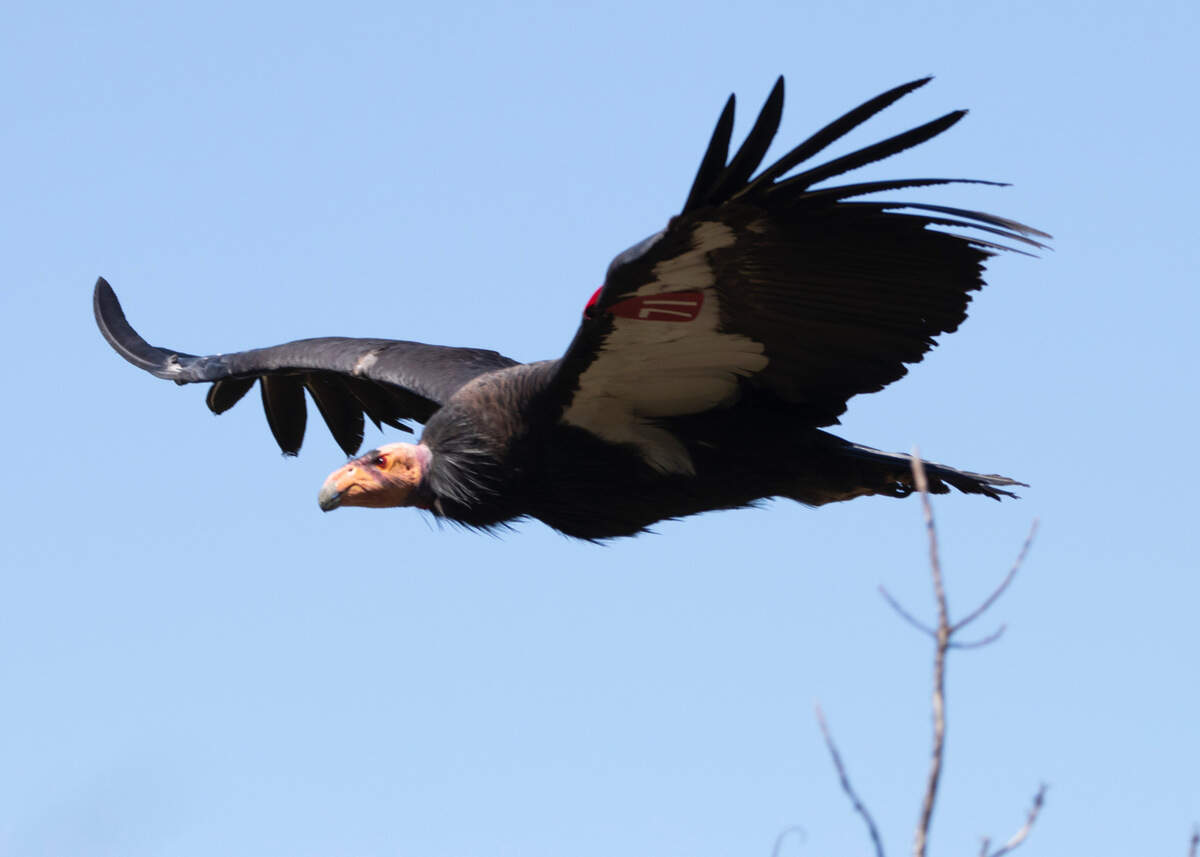
Lead poisoning kills California condors
Condors, which have 9½ feet wingspans, have the ability to fly 200 miles a day and soar up to 10,000 feet.
In the late 1980s, there were no condors in the wild.
So the captive breeding program was launched. In 1997, there were five condors in the wild.
In 2000, 14 condors soared the central California skies.
Presently, there are 94 of these resilient giant birds in the skies.
As scavengers, condors rely on carrion – the carcasses of deer, squirrels and marine mammals – for food.
When a condor’s meal has been killed with lead bullets, studies show that they often become poisoned and perish.
2022 was still “encouraging,” VWS senior wildlife biologist Joe Burnett said, because the Big Sur flock only lost three birds to lead poisoning.
“We documented the lowest number of lead deaths since 2018, and the population (in Central California) grew from 91 to 94 condors,” Burnett said.
In contrast, there were seven lead-related condor deaths in 2019, eight in 2020 and 10 in 2021.
“Despite 2022 showing some hope, if we assume the same trend as the last five years, it will take 20 years to increase the Central California population from 92 to 150 condors,” Sorenson said, which is the goal of the California Condor Recovery Program.
“If lead poisoning wasn’t such a huge problem, condors would have been expected to reach (150) by 2025,” she explained. “The fact remains, condors can only be self-sustaining when lead poisoning is significantly reduced.”
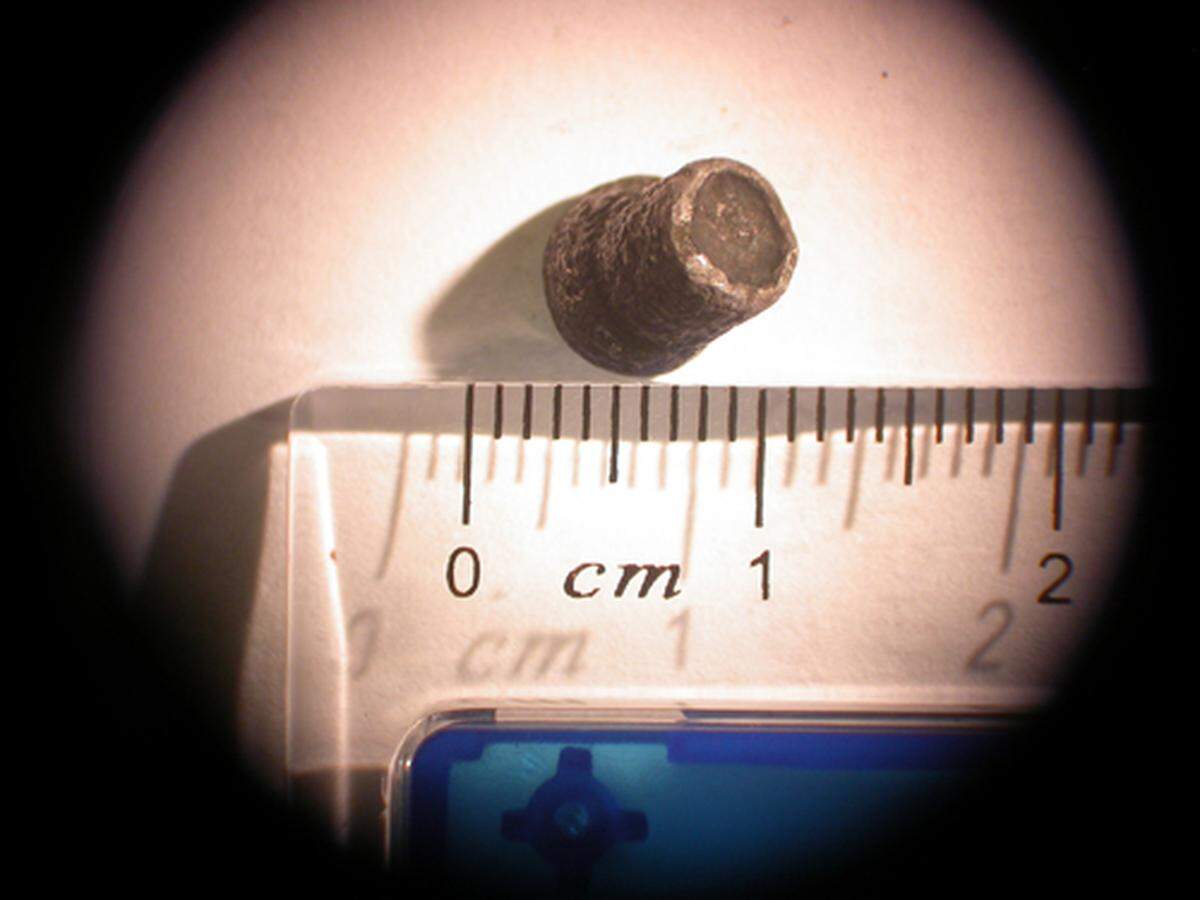
Lead ammunition banned by law in California
California legislators have sought to mitigate the lethal correlation between lead in carcasses and carrion-eating condors.
A ban on the use of lead ammunition went into law in California on July 1, 2019.
Assembly Bill 711 requires the use of nonlead ammunition when hunters are taking any wildlife with a firearm.
Unfortunately, Sorenson said, “Hunters, sportsmen and ranchers are not reliably able to find non-lead ammunition in their local stores.”
“How can we expect hunters and ranchers to use non-lead (ammunition) … when it is not even readily available?” she asked.
While non-lead ammunition for most hunting calibers is often accessible, the availability of one caliber remains inconsistent even years after the led ban was enacted, the VWS said on its website.
Although .22 is the most commonly used caliber for bullets, lead-free .22 bullets “are the least likely to be found at gun shops,” the organization said.
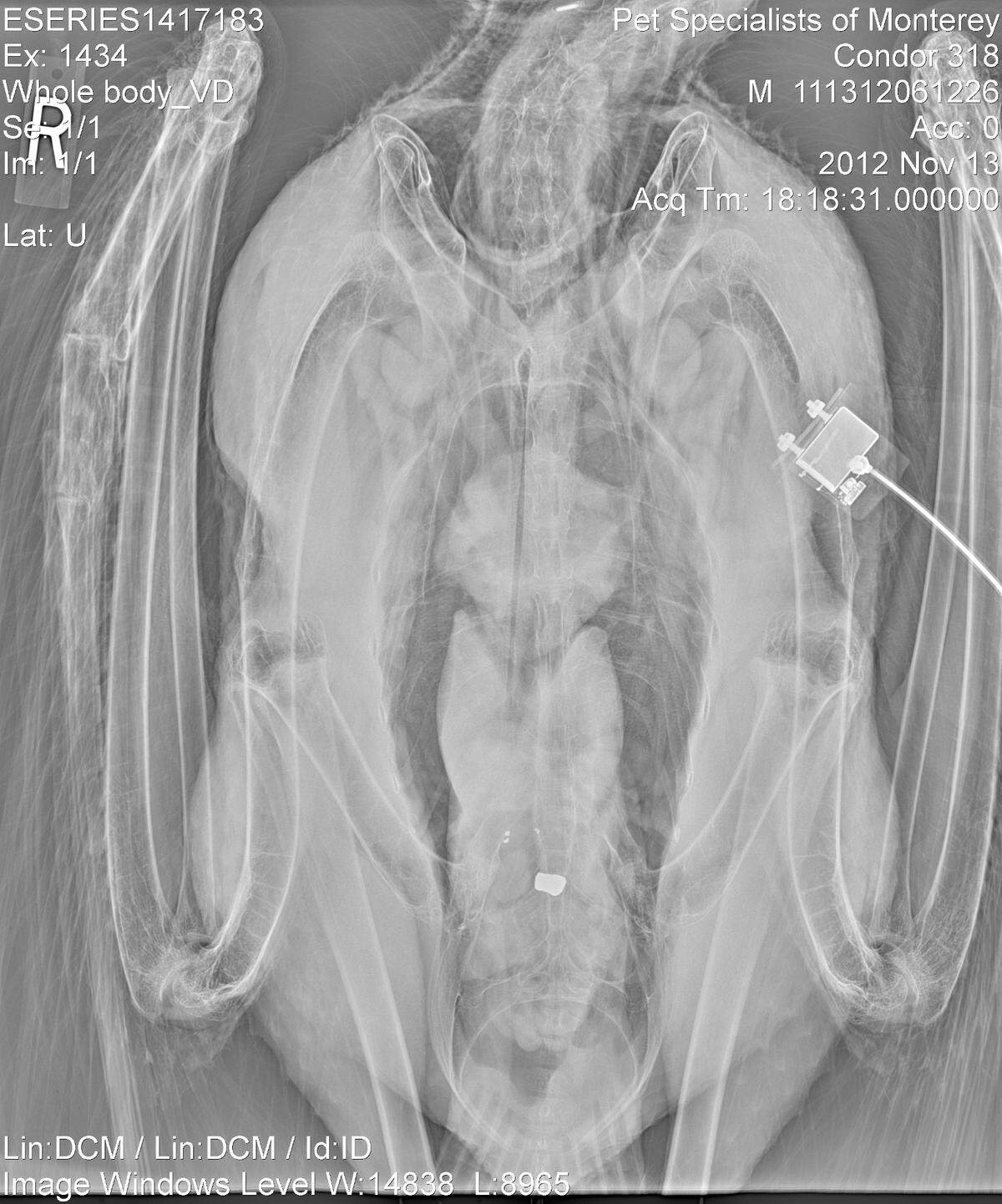
How to get lead-free ammunition
Ventana Wildlife Society has been distributing non-lead ammunition to hunters and ranchers for 11 years.
To date, VWS has provided 12,477 boxes of non-lead ammunition in Monterey, San Benito, San Luis Obispo, Kern, Santa Barbara and Ventura counties and part of Fresno County.
Eligible participants are entitled to one free 20-round box of non-lead centerfire rifle ammunition per calendar year.
To be eligible, you must be 21 and “not prohibited by law from possessing or purchasing any ammunition,” VWS said.
Additional details on how to apply for free nonlead ammo are found at vws.org/ammunition.html.
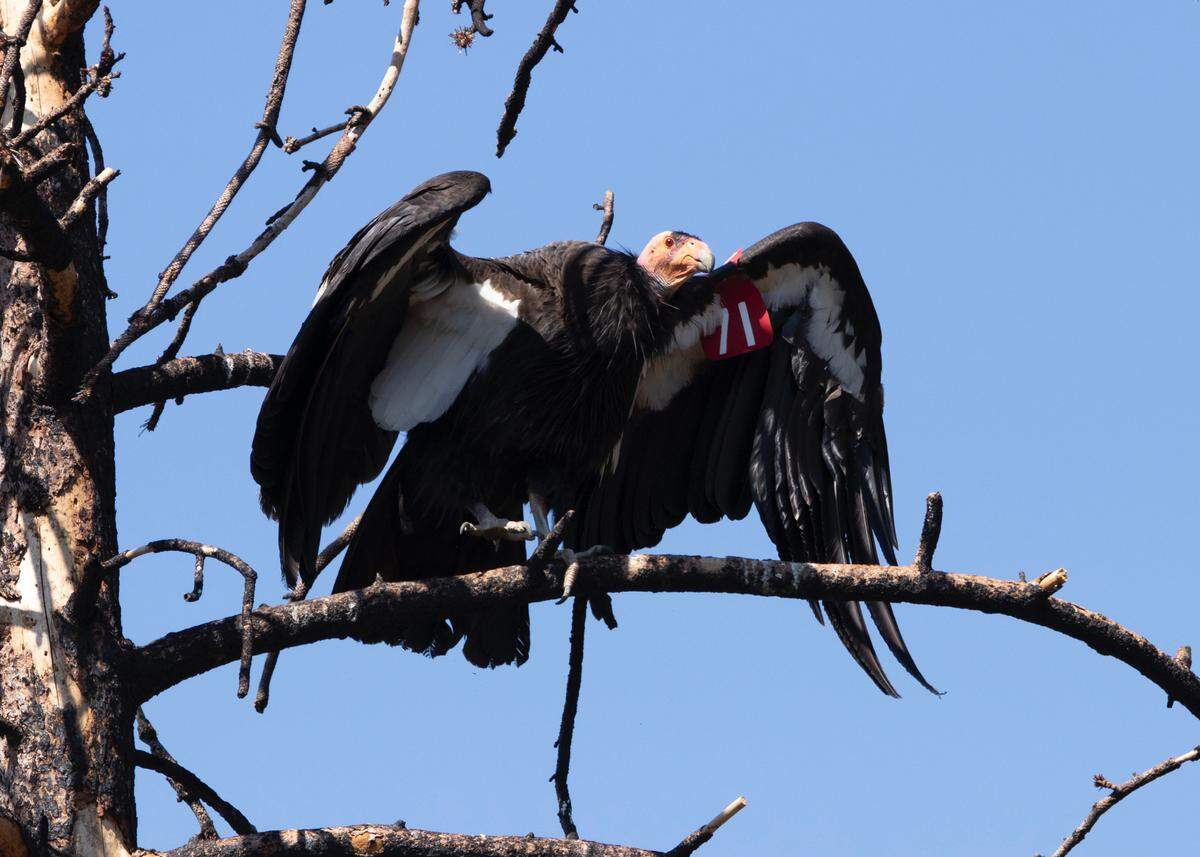
Ventana Wildlife Society seeks non-lead ammo specialist
Thanks to grants from the U.S. Fish & Wildlife Service and the Marisla Foundation, the Ventana Wildlife Society is in the process of expanding its promotion of nonlead ammo by actively recruiting a non-lead outreach specialist.
That specialist position, which is for 30 hours a week, “will support and help facilitate the switch to non-lead ammunition by hunters and ranchers,” Sorenson said.
The successful applicant will “help VWS continue its support of regional hunters and ranchers by conducting ammunition transfers and promoting the use of nonlead ammunition,” according to the VWS website.
To apply, send your resume and cover letter to: Mike Stake, Senior Wildlife Biologist, Ventana Wildlife Society, 9699 Blue Larkspur Lane, Suite No. 105, Monterey, CA 93940.
You can also fax them to 831-455-2846.