Bug that kills citrus trees found in SLO County. Here’s what we know
An insect deadly to citrus trees has been found in Arroyo Grande, the San Luis Obispo Department of Agriculture announced on Tuesday.
Six adult Asian citrus psyllids were discovered in insect traps in an Arroyo Grande neighborhood, causing the county to launch a search of the surrounding area for more of the bugs, the news release said.
The California Department of Food and Agriculture and county Agricultural Commissioner’s Office will continue searching for and trapping the insects over the next few weeks, according to the release.
The insect can spread bacteria responsible for citrus greening disease, which “causes the fruit to become misshapen and bitter and is fatal to all types of citrus trees,” the release said.
“This disease would have devastating impacts on our local citrus industry and backyard citrus,” SLO County Agriculture Commissioner Martin Settevendemie said in the release.
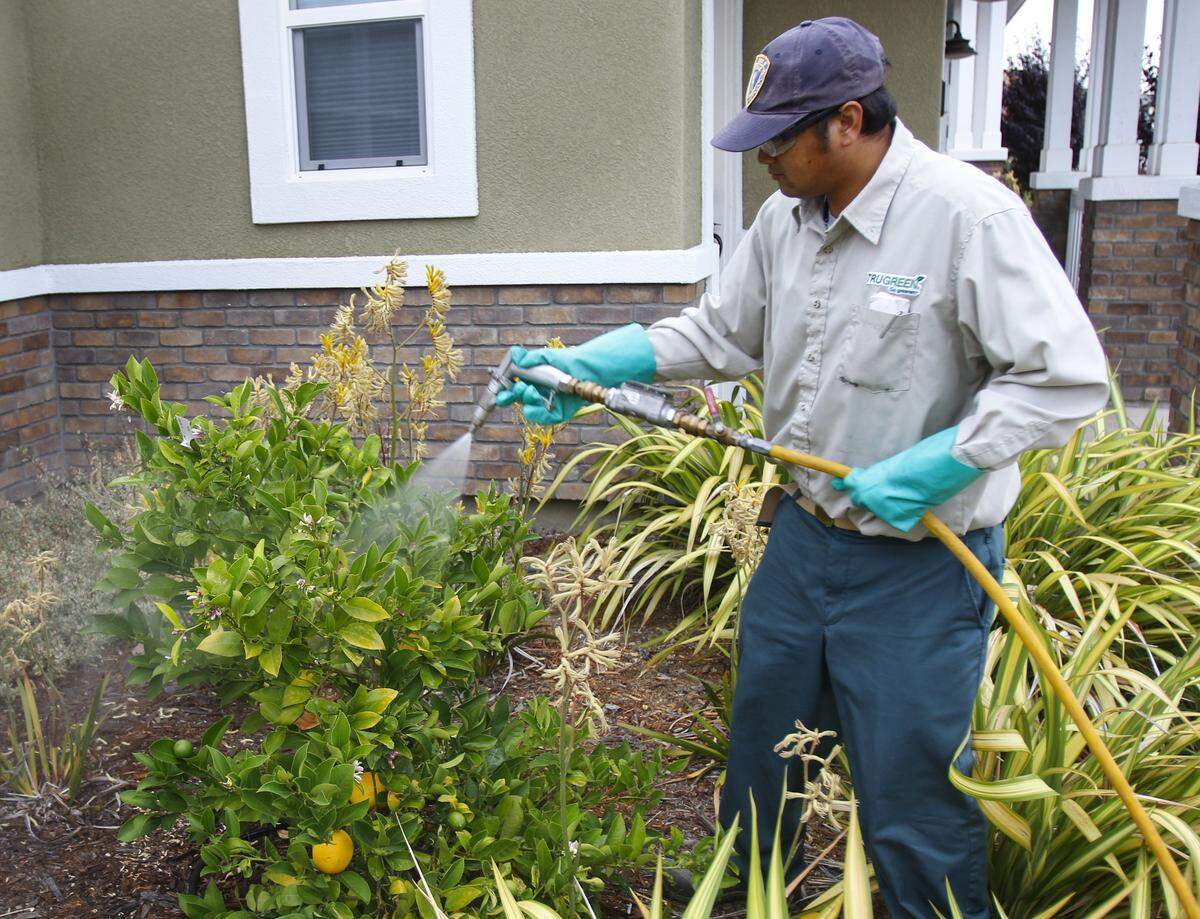
This is the first time the county has found the insect west of Highway 101 in Arroyo Grande since 2017, the release said.
This summer, the insect was discovered in Arroyo Grande near Highway 227, but no more were found after the county administered treatments in the area.
The county monitors hundreds of insect traps throughout the county, but “county officials cannot do this job alone,” Settevendemie said.
Here’s what you can do to prevent more of the bugs from entering the county, aacording to the release:
Buy Local. Purchase citrus trees from reputable local sources selling plants that have been produced in approved nurseries. Support local growers by purchasing fruit from local supermarkets or Farmers’ markets.
• Do not transport citrus plants or plant parts into the county from other areas.
• Check residential landscaping often for signs of unusual symptoms or strange insects. Contact the local University of California Cooperative Extension’s Master Gardener Program at 805-781-5939 for help identifying unusual plant symptoms or pests.
• If asked, allow the Agricultural Commissioner’s staff to place an insect trap in your yard and cooperate with officials if it becomes necessary to exclude or eliminate Asian Citrus Psyllid from San Luis Obispo County.
This story was originally published October 11, 2022 at 6:27 PM.