Northern Chumash tribe asks Gov. Newsom to give back Diablo Canyon lands
A Native American tribe is asking California Gov. Gavin Newsom for help in its attempt to regain its homelands at and around the Diablo Canyon nuclear power plant.
Mona Tucker, the tribal chair of the yak titʸu titʸu yak tiłhini tribe of indigenous Northern Chumash, sent a letter to the governor on July 27 asking for his support on its negotiations with PG&E, which currently owns or leases the 12,000 acres of buffer lands surrounding the nuclear power plant.
The yak titʸu titʸu yak tiłhini Northern Chumash tribe (commonly referred to as the “ytt tribe”) is a small, non-federally recognized tribe in San Luis Obispo County.
“Our members are the documented descendants of the pre-contact villages that existed on lands commonly referred to as Diablo Lands, located north of Avila Beach,” the letter said. “These unceded lands were taken from our tribe without consent, agreement or compensation, and should rightfully be returned to us.”
“Now that the future of the DCPP (Diablo Canyon Power Plant) and its surrounding lands is being debated, the state has a unique opportunity to correct a historical wrong that still affects our people today,” the letter continued. “Whether DCPP continues to operate or is decommissioned — our position regarding the future of the lands will not change.”
The future of the power plant has been the center of recent controversy after the 2018 decision to shut it down in 2024 and 2025 has been thrown up into the air because of the state’s need for energy. The 37-year-old nuclear power plant produces about 15% of California’s carbon-free electricity production and 8% of its overall electricity output.
PG&E, the utility company that owns and runs the plant, has signaled it will likely apply for federal funds that could help extend the life of the facility.
The California Energy Commission will hold a workshop with Gov. Newsom and the California Independent System Operator to provide a discussion on the “role that the Diablo Canyon Power Plant could have in supporting mid-term electric reliability and California’s clean energy transition.”
The workshop, set to be a significant public discussion about the power plant in light of the recent debate about its future, is scheduled for Friday from 4 to 7 p.m.
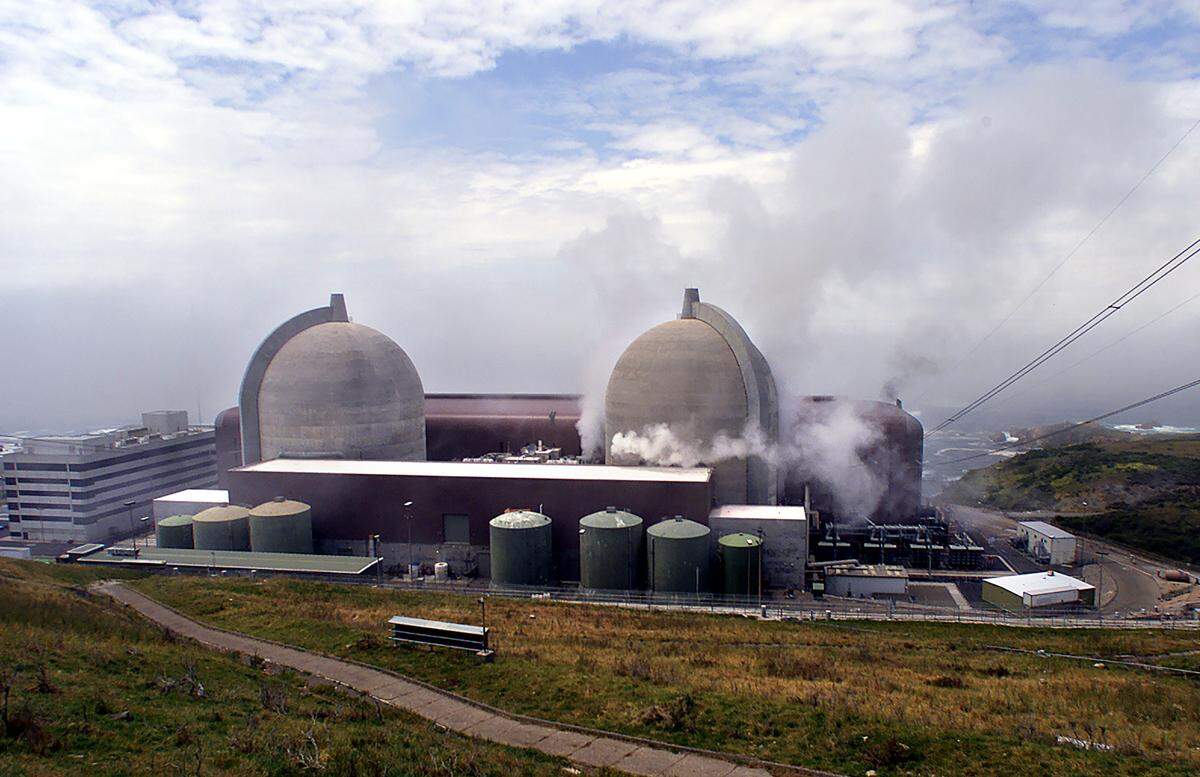
While the future of the power plant has captivated many, the land surrounding it is also steeped in uncertainty that many in the local community have worked for decades to settle.
On Aug. 1, five days after the ytt tribe sent its letter to Gov. Newsom, he received another letter about the Diablo Canyon lands. This one was from the Friends of the Diablo Canyon Lands, a group formed to essentially figure out how to conserve the natural beauty and scenic access to the 12,000 acres at and around the plant.
The ytt tribe was formerly a member of Friends of the Diablo Canyon Lands and worked with the group to figure out a collective vision for the future of the lands. However, the tribe didn’t sign on to the final framework.
Today, more than 30 participants and 11 observers are listed on the final Friends of the Diablo Canyon Lands “Conservation Framework for the Diablo Canyon Lands,” which lays out the group’s vision for the land. Participants include community members and members from the local Sierra Club chapter, the Land Conservancy of San Luis Obispo County, California State Parks, Port San Luis Harbor District, the Center for Biological Diversity, Morro Coast Audubon Society and REACH.
Those listed as observers include local politicians such as Sen. John Laird, Assemblyman Jordan Cunningham, Supervisor Dawn Ortiz-Legg, and members from the California State Coastal Conservancy, the Nature Conservancy, Cal Poly and county offices.
The group’s conservation framework doesn’t specifically list any one owner for the land — instead, it recommends the land be transferred “to an entity or entities (including possibly federal, state, tribal, local or nonprofit organization) in a manner that is consistent with the DREAM Initiative, the strategic vision of the Diablo Canyon lands Decommissioning Engagement Panel and the (California Public Utilities Commission’s) Tribal Land Transfer Policy.”
The framework also requests the land be given to an entity that can successfully raise sufficient funds to initially purchase the land interests, manage the land, create conservation easements and manage public use of the land.
The DREAM Initiative (Diablo Resources Advisory Measure) was passed by nearly 75% of county voters in 2000. It was an advisory ballot measure that called on county leaders and PG&E to ensure the land was set aside for habitat preservation, agriculture and public use.
Similar to the Friends of Diablo Canyon Lands framework, the Diablo Canyon Decommissioning Engagement Panel — formed by PG&E to help guide the plant’s future before, during and after it shuts down — has released recommendations that request the 12,000 acres be conserved.
The Diablo Canyon lands are split into three main sections: North ranch, north of the power plant; south ranch, directly south of the power plant; and the 2,400-acre Wild Cherry Canyon property to the southeast just north of Avila Beach.
The land is owned by PG&E or its subsidiary, Eureka Energy Co. The Wild Cherry Canyon land is subleased by HomeFed Corp., although the validity of that lease is being debated in San Luis Obispo Superior Court.
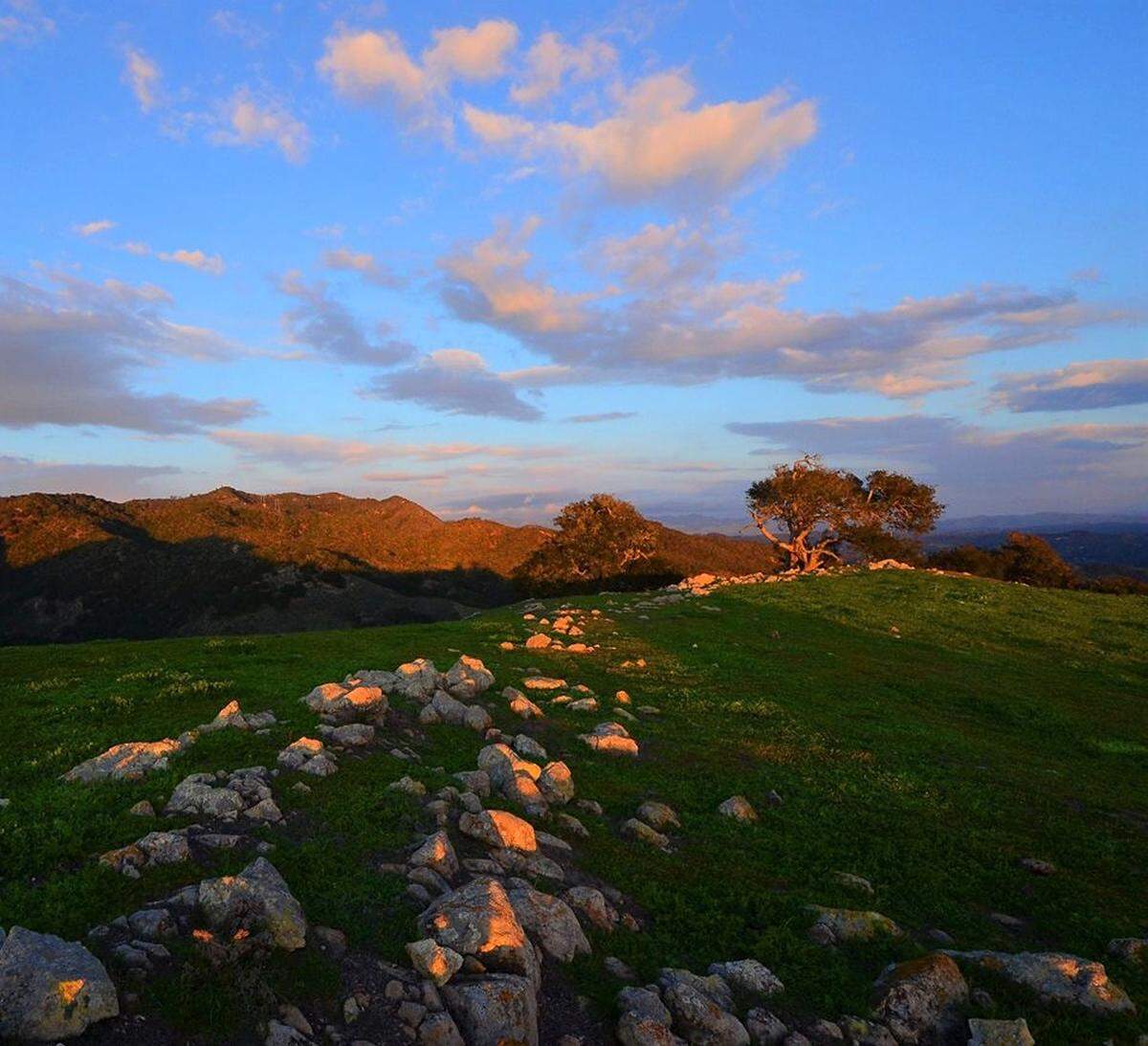
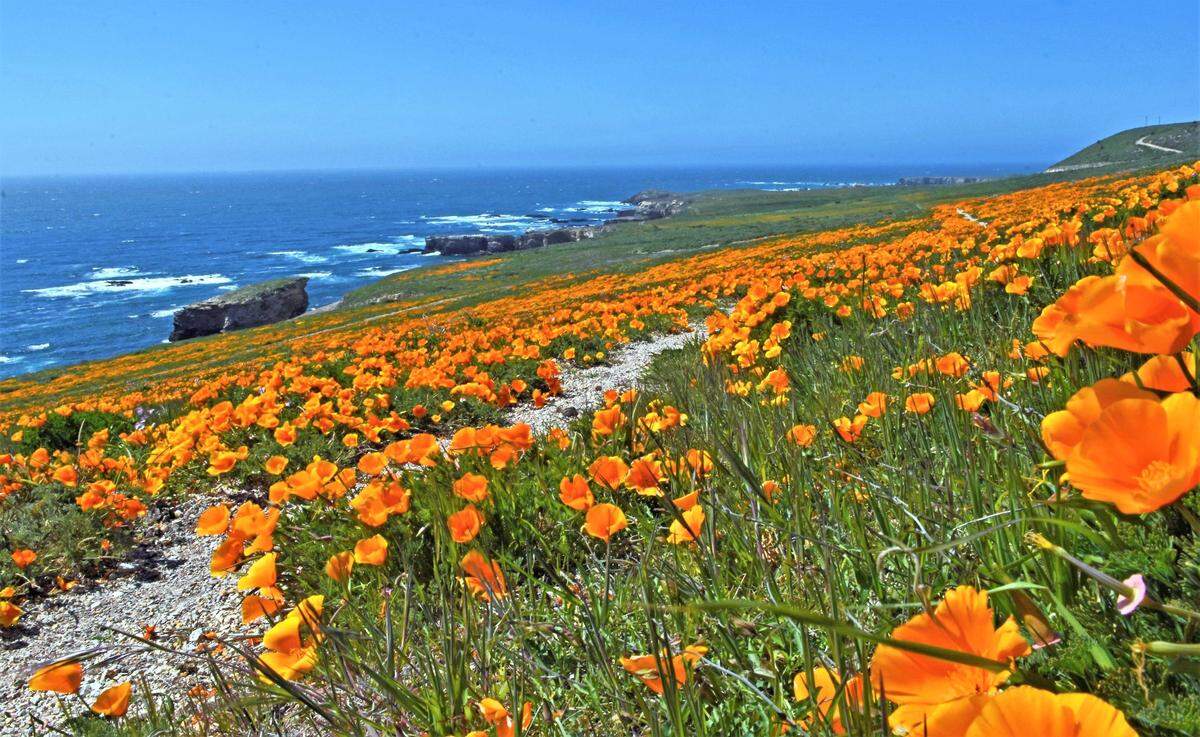
Nearly all of the land is relatively untouched, save for access roads, a few hiking trails and the power plant’s footprint. Cattle graze on much of the land, which is comprised of grasslands and oak woodlands.
The eventual transfer of the land will be a decision in the hands of the California Public Utilities Commission (CPUC).
The Diablo Canyon Decommissioning Engagement Panel and Friends of Diablo Canyon Lands have acknowledged that the land was occupied by the ytt tribe before it was taken.
But the entities want to hold on to some power over the future of the land and ensure it’s conserved and no housing developments or shopping malls are erected on the 12,000 acres.
“The request for land ownership by the local Native American community should be acknowledged and considered as a valid claim for historical reasons, while bearing in mind the overwhelming public testimony that the Diablo Canyon lands be conserved and available to the public for managed use,” the engagement panel wrote in its vision statements for the land.
The engagement panel recommends “that the CPUC ensure that any land transfer to Native Americans be subject to a conservation easement that would allow limited development consistent with local zoning and the preservation of ecological, environmental and cultural resources.”
The ytt tribe, on the other hand, passed a resolution by its tribal council on July 14 that resolved it “will do all in our means to raise political and monetary support necessary to fulfill our land stewardship responsibilities and regain our homelands and ... that this legacy is our inherent responsibility for the future of our families and for the betterment and health of all Californians.”
“The right thing to do is to return our homeland to ytt, but we acknowledge there may be a cost,” Mona Tucker, the tribal chair, told The Tribune.
The tribe’s July 27 letter to Gov. Newsom notes that it believes the settlement agreement between PG&E, labor organizations and environmental groups that would allow PG&E to decommission the plant is invalid because it did not include the ytt tribe as a party to the agreement.
“Whether DCPP is decommissioned or continues to operate, we intend to be a party to any new agreement or settlement with the goal of assuring it includes the return of our ancestral homelands to us,” the letter reads. “We stand ready to work with the landowner, state, federal, and other partners to accomplish the return of the Diablo Lands to yak titʸu titʸu yak tiłhini Northern Chumash Tribe of San Luis Obispo County and region.”
This story was originally published August 11, 2022 at 12:24 PM.