Is the Central Coast a new hotspot for great white sharks? Experts explain
Great white sharks are being spotted in the waters off the coast of San Luis Obispo County in larger numbers than ever before, marine experts say, although they differ on what’s causing the population spike.
“Your stretch of the coastline is becoming more important for white sharks than we think it has been in the past,” said Chris Lowe, director of the CSU Long Beach Shark Lab.
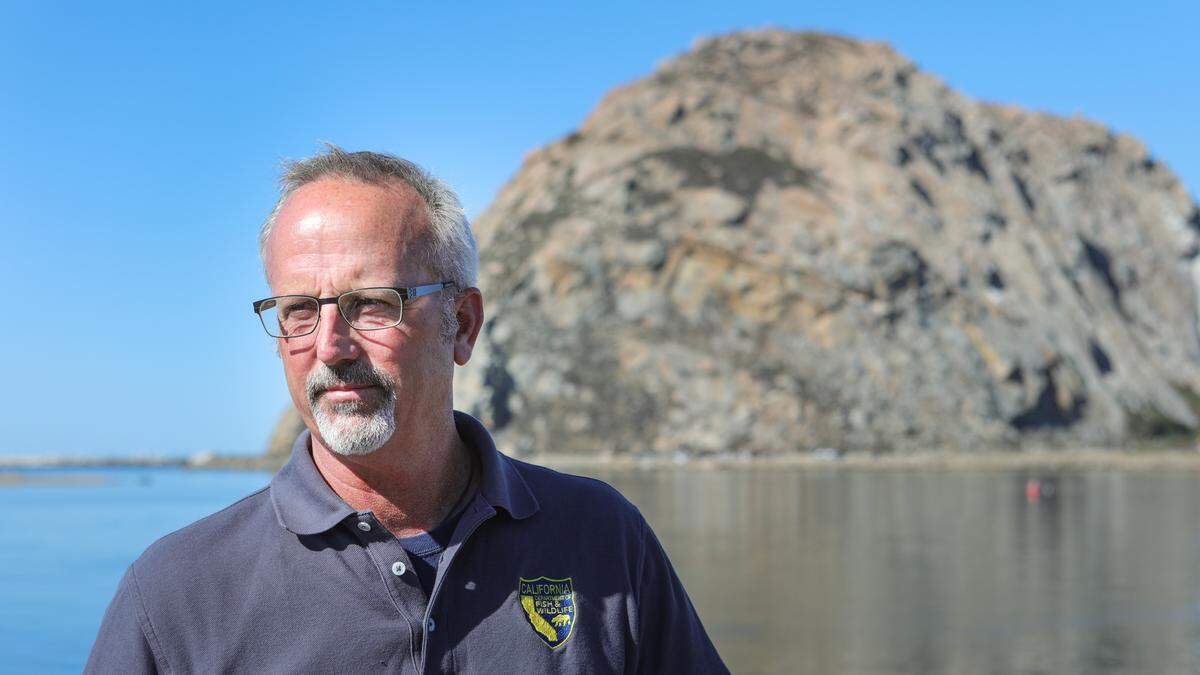
That population increase means that shark sightings by Central Coast residents and visitors are becoming “more common,” according to Mike Harris, a sea otter biologist who works for the California Department of Fish and Wildlife.
“There’s fairly frequent sightings, from folks out on boats to folks in the water surfing,” Harris said. “We had a credible sighting here at Morro Rock (on Wednesday).”
Local interactions between sharks and people have even made headlines over the past several months.
In early July, a group of 50 leopard sharks was filmed swimming near beachgoers at Pirate’s Cove near Avila Beach. The video quickly became viral.
In June, a swimmer was bitten by a shark near Pacific Grove and suffered severe injures before he was rescued by good Samaritans. And in December, a boogie boarder was killed in a shark attack off Morro Bay.
Why are more sharks being spotted along Central Coast?
According to Lowe, researchers don’t entirely agree why populations of great white sharks — which he said researchers prefer to call white sharks — are increasing along the Central Coast.
He’s been tracking great white sharks for decades by looking at shark tagging data, drone sightings and animal carcasses.
Lowe believes the shift is due in part with climate change, which has resulted in warmer waters along the Central Coast.
Rising seawater temperatures off the coast of SLO County have made these areas tolerable for juvenile white sharks, Lowe said. The youngsters frequent the more shallow waters as they learn how to hunt for food.
The warm water discharged by Diablo Canyon Power Plant near Avila Beach is also bringing bigger white sharks close to the coast, he said.
Lowe said that the warm water discharged by the nuclear power plant has formed what researchers are calling a “spa” where up to a dozen adult and juvenile great white sharks hang out before returning to open waters to hunt.
That kind of behavior is not normal for the species, he noted.
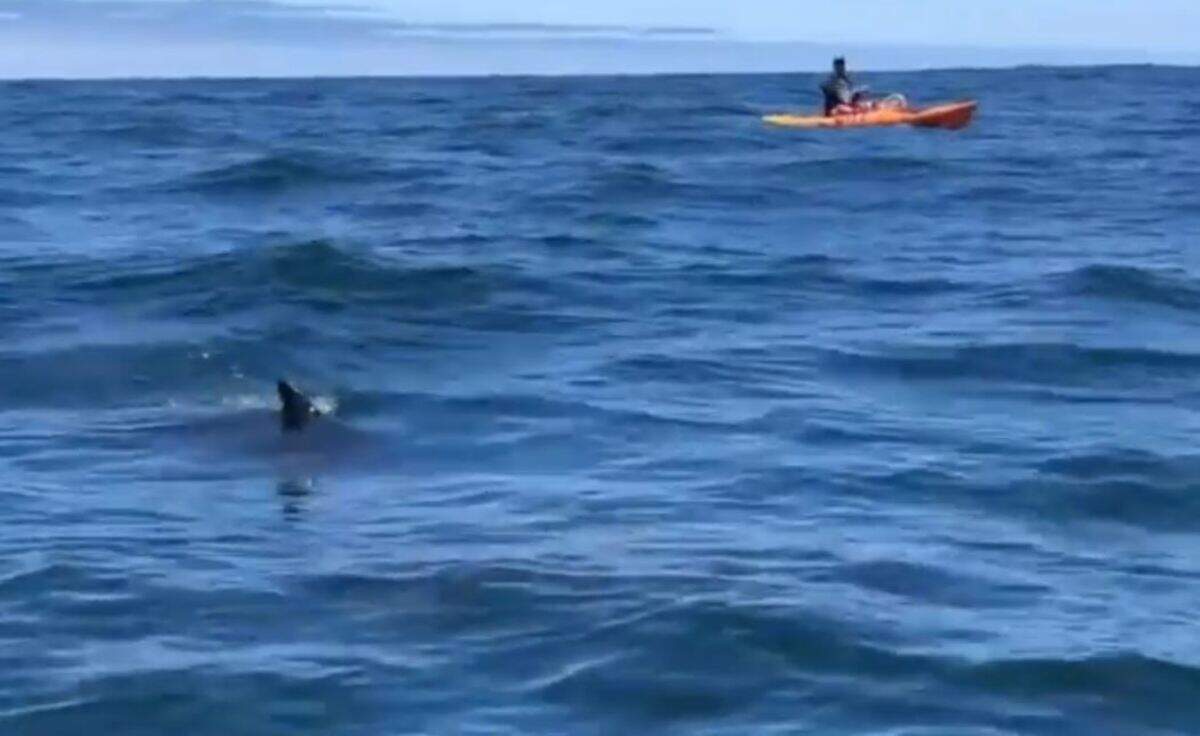
Usually, Lowe said, great white sharks “don’t like being close to each other. And even though that’s a small space for them, it’s amazing how many crammed into that space.
“We think the reason why they do it is they can warm up for a week. Then they can go feed other places and come back and warm up.”
That enables the sharks to grow faster,” he explained. “They save energy and then they can feed along that part of the coast where there’s lots of food.”
An increase in conservation efforts to protect marine species such as sharks, seals and sea lions over in the past decades has also played “big role” in the increase of white sharks in the area, Harris said.
“There’s more food available for white sharks,” Harris said. “And we’ve had protective measures in place to protect the white sharks, all of which I think are adding to support the success and survival of white sharks and are increasing the numbers.”
Will this bring more shark attacks?
As more juvenile sharks make the Central Coast their home, Harris said, there’s been an increase in sea otter deaths due to shark bites, especially in areas such as Morro Bay, Pismo Beach and Estero Bay.
Sea otters aren’t a source of food for great white sharks, but juvenile sharks in the area sometimes bite the otters when they mistake them for seals or sea lions, Harris said.
Harris said that more than half of the sea otter carcasses he’s collecting in some areas of SLO County show evidence of great white shark bites.
“It’s removing enough sea otters that it’s stalling the growth and expansion of the sea otter population,” Harris said.
While this is presenting challenges for meeting sea otter conservation goals, he said it might result in “more of a natural balance.”

Although more sharks are sharing the water with sea otters as well as swimmers, surfers and kayakers, Lowe said people shouldn’t expect an increase in the number of great white shark attacks on humans.
He said evidence gathered in Southern California shows that bite rates are actually going down per capita, even when there are more sharks swimming alongside people.
“We think that (sharks’) sensory capabilities are good enough that they can tell the difference between people,” Lowe said, adding the ocean predators might even be learning how to recognize people better because of the close contact they have with humans.
Harris said people should keep enjoying the ocean despite the possible presence of more sharks.
“White sharks do tend to elicit a fear response,” Harris acknowledged.
“People just need to be aware when you enter the the ocean, you’re entering a wild environment, and sharks are part of that,” said Harris, who surfs locally. “It’s not really much different than going backpacking into the wilderness. There are predators in those environments as well. So just be aware of your surroundings, know you’re entering wild space where these animals are and still enjoy them.”
This story was originally published July 30, 2022 at 5:00 AM.