
Condors still dying as firearm and wildlife factions continue lead-ammo fight
Asking hunters, ranchers and other firearms owners to switch from lead to non-lead ammunition — in order to help save California condors — seems to be asking a lot.
Given the demise of an alarming number of condors, it appears — at this moment — it could be asking too much.
Condors are scavengers. Carrion (carcasses of deer, squirrels, marine mammals, etc.) is the birds’ nutritional food source. When a condor’s meal has been killed with lead ammo, studies show that they often become sick — and sadly, many die.
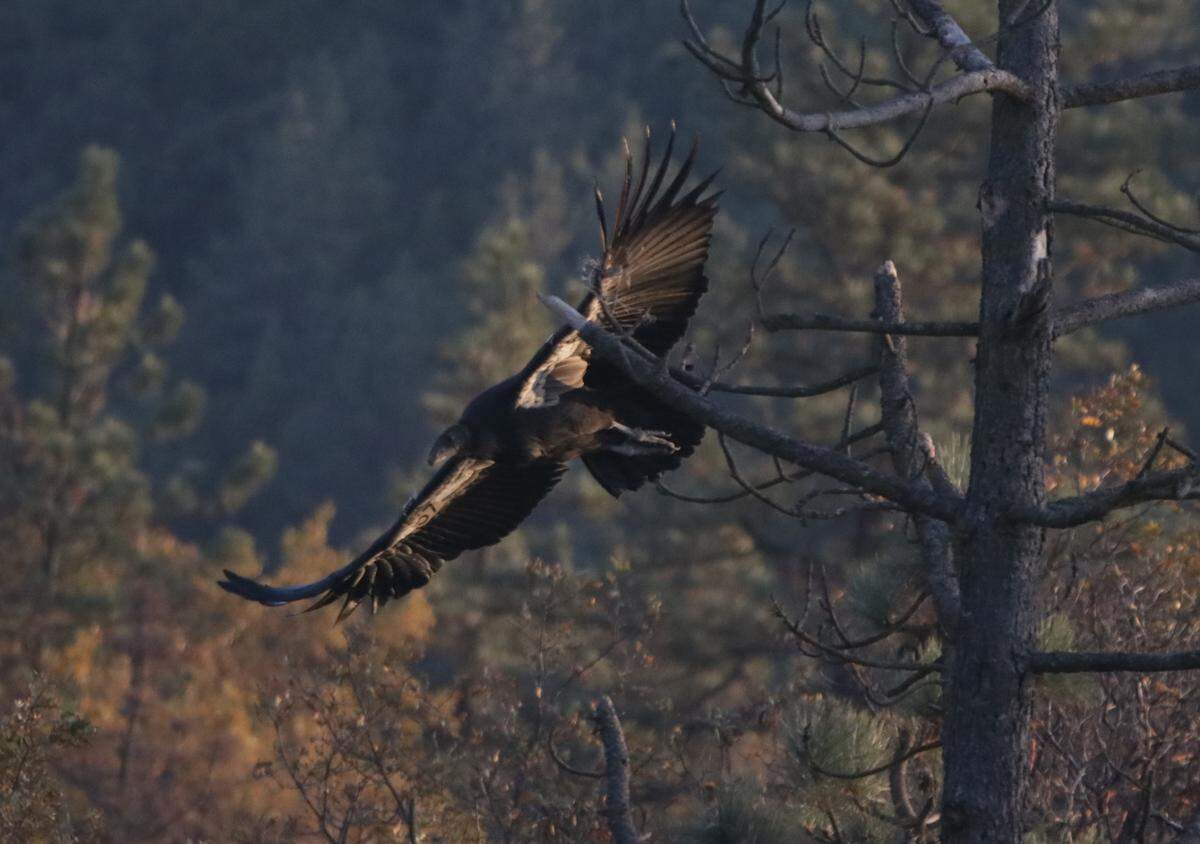
To wit: 18 of these enormous, critically endangered birds — with 9 1/2-foot wingspans, the ability to fly 200 miles a day (at 50 mph) and soar up to 10,000 feet — have died in Central California due to lead poisoning (a neurotoxin when ingested) in the past two years.
These data points fly in the face of the July 1, 2019, California law (AB 711) that made it illegal to use lead ammunition when taking wildlife with a firearm in the state.
Somber forces are at work here: 1) Unsurprisingly, there is resistance among some hunters to switch from lead to copper; 2) the availability of copper ammo for various types of firearms is inconsistent; 3) the National Rifle Association and other gun-advocate groups spread a narrative discounting research on lead ammunition to millions of their members; and 4) deer “gut piles” (carrion) left in the field ideally should be buried by hunters — but that is not consistently observed.
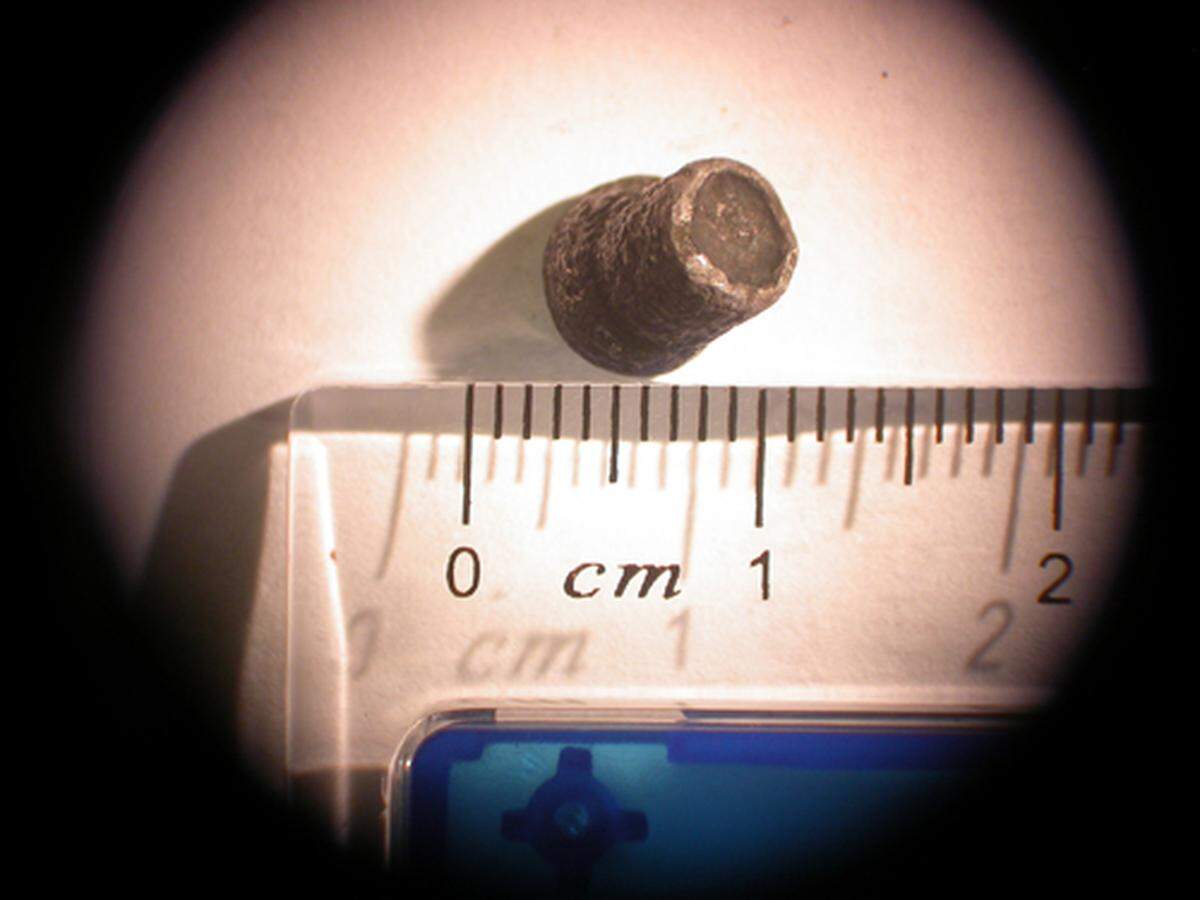
What’s wrong with lead?
The first evidence that linked lead bullets to the demise of condors was revealed more than 40 years ago. Then, in 2012, results of tests over a 13-year period were published in the Proceedings of the National Academy of Sciences.
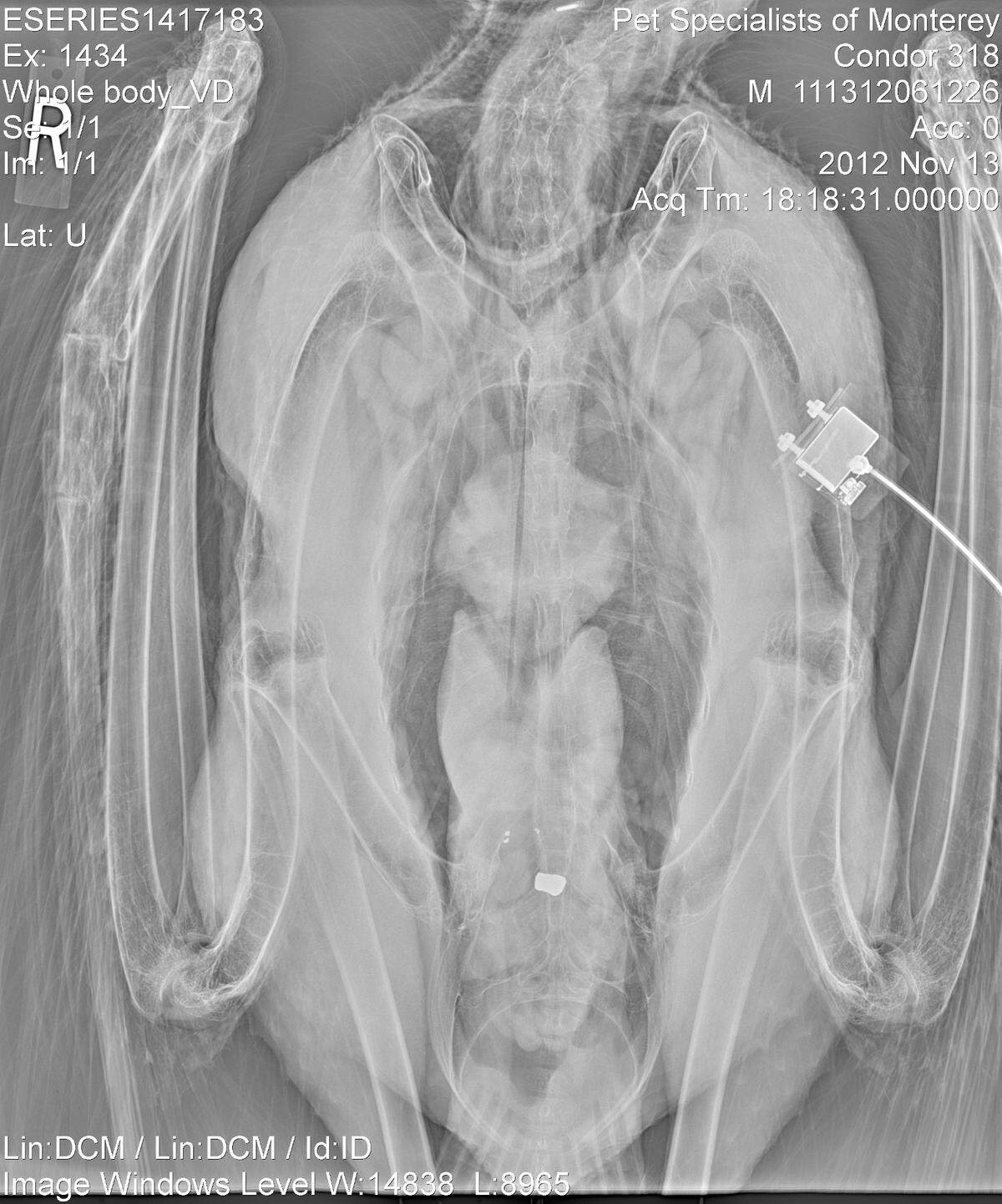
“Evidence of elevated lead exposure in California condors (the largest land birds in North America) began to emerge in the mid-1970s, and lead poisoning may have been a factor for the near-extinction (of condors) in the 1980s,” wrote Myra Finkelstein, an environmental toxicologist at UC Santa Cruz.
Blood levels measured between 1997 and 2010 — from tests of 150 condors including 1,154 independent blood samples — indicate that “free-flying condors in California were chronically exposed to lead, with the median blood lead level each year exceeding the proposed 100 ng/mL blood level exposure threshold for condors,” Finkelstein wrote.
The 100 ng/mL lead level is roughly “threefold higher than the average background blood lead level of prerelease condors with no history of lead exposure,” according to Finkelstein’s research.
Her data shows that “the prevalence of lead poisoning in California condors is of epidemic proportions and that the principal source of lead poisoning is lead-based ammunition.”
Indeed, in a survey of 38 deer carcasses killed with lead ammunition from 2002-04 in Wyoming and California, researchers found that 90% of “gut piles” exhibited lead fragments.
Five carcasses had zero to 9 fragments; five had 10 to 100 fragments; five showed 100 to 199 fragments and five had upward of 200 fragments.
“In contrast,” the report said, “we counted a total of only six fragments in four deer killed with copper expanding bullets.”
Hunting groups blame poisoning on other lead sources
In the meantime, the NRA, with a self-reported membership of 5.5 million, claims that the “use of traditional (lead) ammunition is currently under attack by many anti-hunting groups whose ultimate goal is to ban hunting.”
The powerful gun lobby asserts that condors are not getting sick and dying from lead found in carrion; rather, the NRA suggests, condors are “likely” ingesting “industrial lead compounds.”
The Congressional Sportsmen’s Foundation takes a similar tone: Condor advocates’ efforts are “generally based on the emotional assumption that isolated incidents of animals ingesting harmful levels of lead translates to impacts on entire population.”
Moreover, the CSF alleges, “There has been no documented evidence that sportsman’s use of lead has had significant … deleterious impacts on fish and wildlife populations.”
Lawrence G. Keane with the National Shooting Sports Foundation denies that condors die from ingesting lead in carrion. Rather, he maintains that “scientists have observed condors eating lead-based paint chips from towers and other lead-tainted refuse.”
The California Condor Recovery Program — overseen in Central California by the Ventana Wildlife Society — is putting forth “anti-hunting bias” that is “not supported by science,” Keane claims.
(Through precise scientific research, the difference between spent lead ammo and other sources of lead is easily identified.)
Ventana Wildlife Society urges switch to copper ammo
As to the assertions that the movement to restore condors is based on “faulty science,” VWS Executive Director Kelly Sorenson rebutted: “We have no interest in a fight … (but) just because someone says the science is faulty, doesn’t make it so.”
“Would we have spent over half a million dollars (for a nonprofit budget) over the last 10 years if we didn’t honestly think this issue is legitimate?”
Why is the ban on the use of lead ammo in California not having great success?
The ban is “not currently working because there is not enough supply in the market to support a switch to nonlead choices,” Sorenson said in an email interview.
The VWS website notes that while non-lead ammunition for “most hunting calibers” is often accessible, “the availability of non-lead .22 LR ammunition remains inconsistent years after the ban (on lead) was enacted.”
The .22 caliber bullet is “the most commonly used caliber, yet (lead-free) .22’s are the least likely to be found” at gun shops, according to the VWS.
A phone call to Four Season’s Outfitters in San Luis Obispo confirmed that .22 LR ammunition is tough to find.
“It is not available all the time,” an employee said.
Asked about the ban on lead ammo in California vis-à-vis protecting the condors, the employee said, “It’s a boondoggle. It’s not based on facts.”
A polite clerk at the Range Master gun shop in San Luis Obispo said they were out of non-lead .22 caliber bullets.
“Hard to get,” he said.
Calls to other gun local stores made it clear: The non-lead .22 LR’s are the least available calibers.
Most of the copper ammunition available to hunters is manufactured by Norma, a Swedish company.
Sorenson believes that if greater quantities of non-lead .22 LR’s were available in gun stores, “We wouldn’t be seeing this level of mortality in condors right now.”
VWS provides free ammo
In an attempt to mitigate the shortage of .22 LR ammunition, the VWS has a program offering free ammo to hunters.
Eligible hunters are urged to apply for and receive “one free 20-round box of non-lead centerfire rifle ammunition per person per calendar year,” the VWS site says.
(Bullets for reloaders are limited to one 50-round box per household per calendar year.)
To be eligible, a person must be 21 and “not prohibited by law from possessing or purchasing any ammunition.” A recipient must be a resident of California in these counties: Monterey, San Benito, San Luis Obispo, Kern or Fresno (west of I-5 only).
As of late January, VWS has given out 10,772 boxes of free non-lead ammunition.
For additional information on the free non-lead ammunition program, visit www.ventanaws.org/ammunition.html.
How to handle gut piles
After bagging a deer in California, many few hunters harvest their kill by field-dressing the deer in the wild, leaving behind the animal’s internal organs.
This produces a “gut pile,” which VWS asserts is “foremost among threats” to condors, who don’t locate carrion through smell — as turkey vultures and raptors do. Condors use their powerful eyesight to locate a meal.
Ideally, hunters should bury their gut pile, in particular when hunting (illegally) with lead bullets. The Cornell University College of Veterinary Medicine offers three strategies in dealing with gut piles.
One, a “low effort”: Hide the gut pile beneath the thick cover of conifers. Two, a “moderate effort”: Dig a shallow hole and bury the carcass parts. And three, the “most effort”: Take the gut pile out of the woods in a trash bag and dispose of it in a landfill.
How many condors are free-flying?
Notwithstanding the very real threats to condors’ subsistence, the VWS reports that 92 condors are flying free in the wild in Central California (Big Sur, San Simeon and Pinnacles National Park). Elsewhere, 317 condors (including Utah, Arizona and Baja California) are in the air.
Currently, 171 condors are part of the captive breeding population, according to the VWS.
Meanwhile, in terms of reducing condor deaths, Sorenson believes it’s not asking too much for hunters to make the switch.
“The key is for non-lead ammunition to be more readily available for the people who need it — from a condor perspective,” Sorenson concluded.
This story was originally published February 2, 2022 at 5:00 AM.