Birds across the Central Coast are dying from salmonella. Here’s how you can help
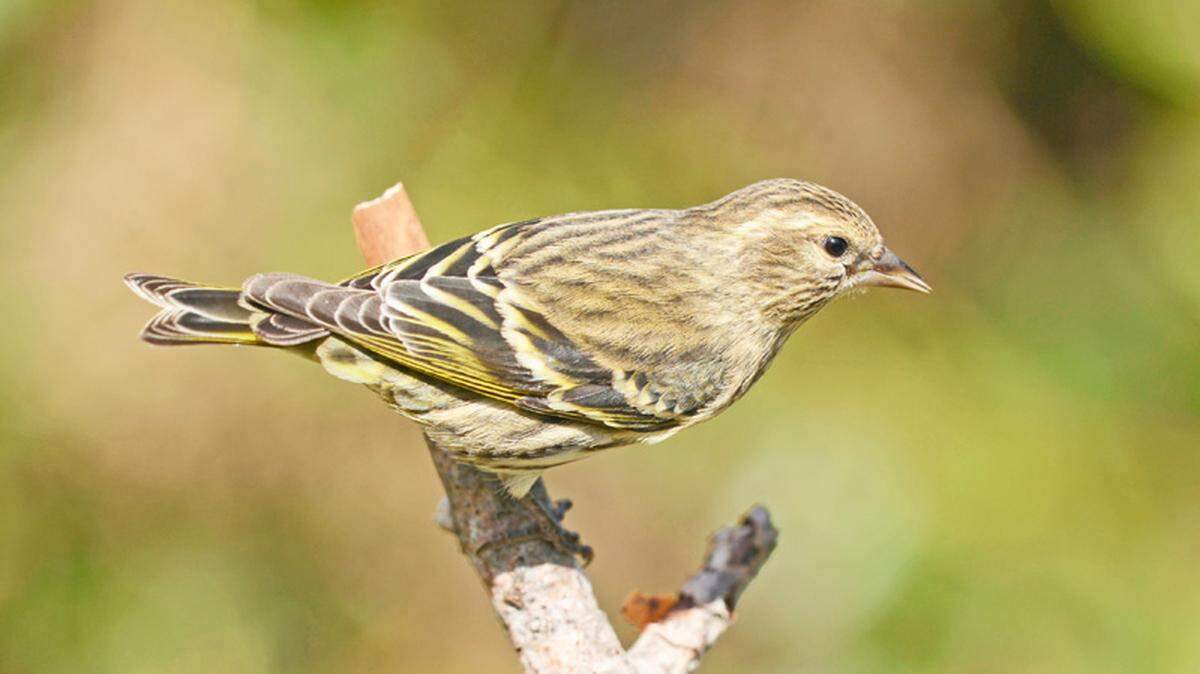
Birds across the Central Coast are dying from an outbreak of salmonellosis, a disease caused by salmonella bacteria, according to the California Department of Fish and Wildlife.
Residents called CDFW officials and rehabilitation centers to report dead or sick birds in their area, the agency said in a news release on Monday. Most of those reports came from the Central Coast, San Francisco Bay Area and Sierra Nevada communities, according to CDFW.
Between Dec. 20, 2020, and Feb. 8, the CDFW received reports that more than 1,200 birds had died in California, with roughly 250 of those in counties along the Central Coast, according to Krysta Rogers, an avian disease specialist at the CDFW.
The CDFW’s Wildlife Investigations Laboratory evaluated several of the sick birds from the various locations and found the cause to be salmonellosis, CDFW said.
“Salmonellosis occurs periodically in pine siskins in some winters throughout their range,” Rogers wrote in a prepared statement. “When large numbers of pine siskins congregate, the disease can spread rapidly causing high mortality. Most birds die within 24 hours of infection.”
Pine siskins are small songbirds in the finch family.
Lesser goldfinches and American goldfinches are also affected by the disease, according to the CDFW.
When birds are infected with salmonella, they can appear weak, have labored breathing and may sit for prolonged periods with fluffed or ruffled feathers, according to the CDFW.
How to help stop the spread of salmonellosis in birds
According to the CDFW, salmonellosis is “almost exclusively reported from locations with bird feeders where birds congregate.”
Most often, salmonellosis is transmitted when birds come into contact with an infected birds’ feces, according to a fact sheet by the Cornell Wildlife Health Lab. Birds that are carrying the disease are chronically infected, and may shed salmonella whenever they poop, according to Cornell.
Humans can also become infected with salmonella bacteria if they come into contact with infected birds or bird fecal matter, according to Cornell.
The school advised that “common sense hygiene can protect from human infection: handwashing, avoiding eating, drinking or personal care while handling animals or contaminated equipment.”
The CDFW encouraged residents to put away any bird feeders and baths to lower the rate of transmission.
Additionally, people can report dead birds to CDFW’s Wildlife Investigations Laboratory using the mortality reporting form, which helps biologists monitor the outbreak.
If you find a sick bird, contact your local wildlife rehabilitation center for advice, the CDFW advised.
This story was originally published February 9, 2021 at 10:42 AM.