Do birds chirping make people happy? This is what a Cal Poly study says
Feeling stressed? You might want to head outdoors, according to a Cal Poly study.
The study found that hearing birdsong while hiking outdoors improved people’s overall well being, more than if they hiked without hearing birds chirping, according to a news release from the San Luis Obispo university.
The study was led by biology graduate student Danielle Ferraro from Boulder, Colorado, the release said.
Ferraro and the Cal Poly research team, overseen by biology professor Clinton Francis, set up hidden speakers on two sections of trails in the Open Space and Mountain Parks in Boulder, according to the release.
The team switched between playing recorded songs from a diverse group of birds with silence on alternating weeks, the release said.
Ferraro and her team then interviewed the hikers who walked through the area with the speakers, according to Cal Poly. Those who heard the birdsongs reported a greater sense of well-being than those who didn’t, the university said.
“We’re such visual animals that we discount this modality of sound that we have,” Cal Poly biology professor Clinton Francis, who oversaw the research, said in the release. “I’m still kind of flabbergasted that only 7 to 10 minutes of exposure to these sounds improved people’s well-being. It really underscores how important hearing is to us and probably to other animals.”
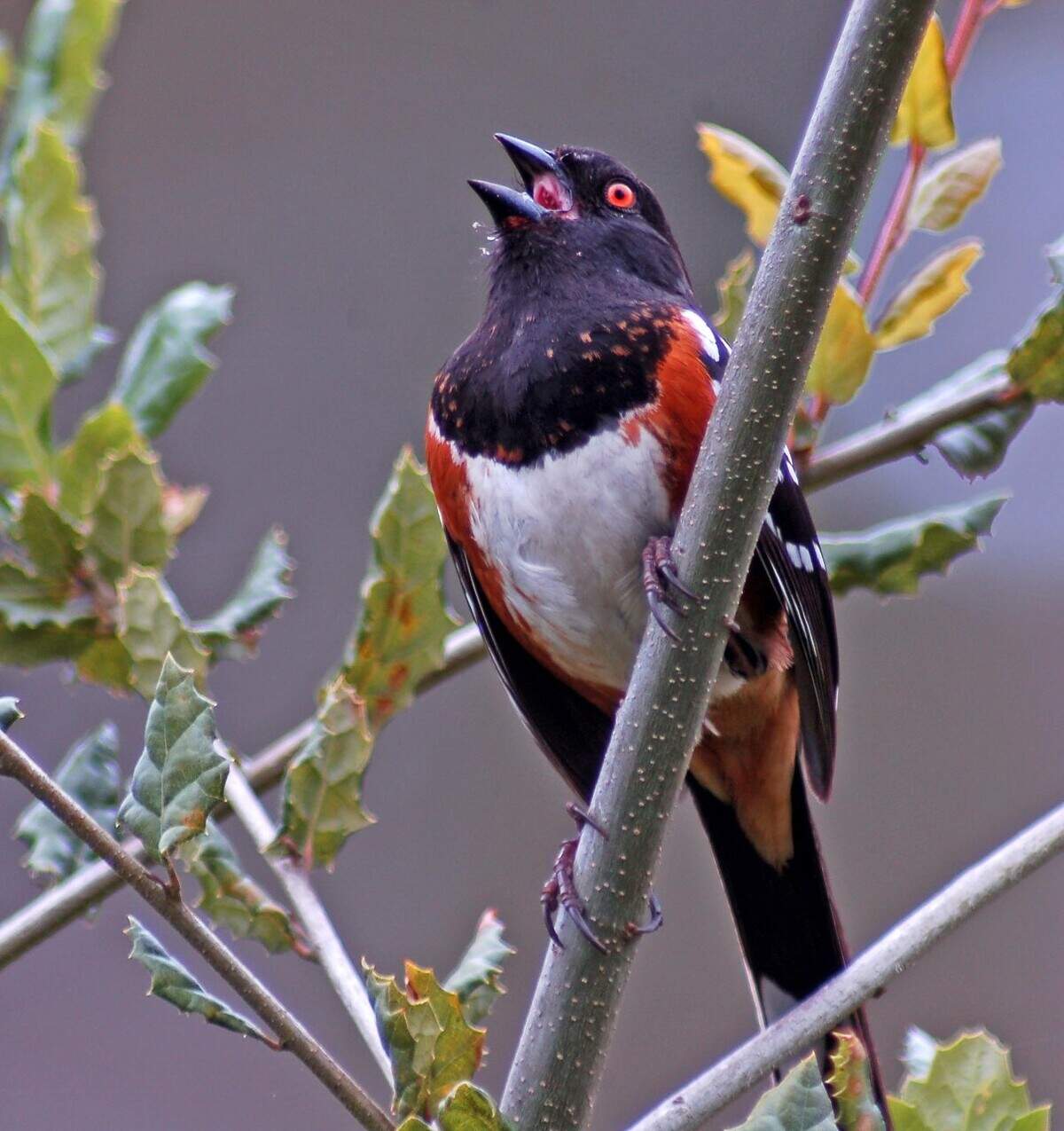
According to Cal Poly, the study’s findings support the need to improve natural soundscapes within and outside of protected areas.
Less human noise pollution could contribute to greater human happiness by making it easier to hear natural sounds, including birdsong, the study said.
“Our results underscore the need for park managers to reduce anthropogenic noise pollution, which is not only a cost-effective way to improve visitors’ experiences but can also benefit wildlife as well,” Ferraro said in the Cal Poly release.
In the study, Ferraro notes that humans in developed countries spend much of their time indoors and in urban landscapes, away from nature. A large study she cites found that a typical United States citizen spends 87% of their time indoors and an additional 6% of their time in vehicles.
“Living almost entirely apart from nature can lead to an overall disconnection from nature that has negative consequences for environmental conservation and can deprive individuals of the health and well-being benefits that nature provides,” Ferraro writes in her study, which was published in Proceedings of the Royal Society B biological research journal on Dec. 16, 2020.
“Our results add to a growing body of evidence linking improvements in mental health to nature experiences,” Ferraro wrote.
This story was originally published December 24, 2020 at 10:39 AM.