Malnourished, injured sea lion rescued from SLO County beach
Trained rescuers and volunteers from The Marine Mammal Center’s triage facility in Morro Bay recently picked up an ill, injured California sea lion from a stretch of Cambria’s Moonstone Beach.
Center spokesman Giancarlo Rulli said that the adult female sea lion was transported to a Moss Landing triage center before heading to the main Marine Mammal Center facility in Sausalito.
Marine Mammal Center teams have done about a half dozen such rescues of marine mammals in the Cambria area in the past few weeks or so, he said.
The center received a call at 9 a.m. on July 22 from an alert member of the public.
When rescuers arrived at the scene at about 11:30 a.m., Rulli said they found “a very lethargic, malnourished California sea lion, with its rib bones visible from the outside of the animal.”
The sea lion also had “a fairly deep, slash-like wound” to the left of its right eye, Rulli said.
Rescuers estimated the sea lion’s weight at about 135 pounds. They named it Hattori.
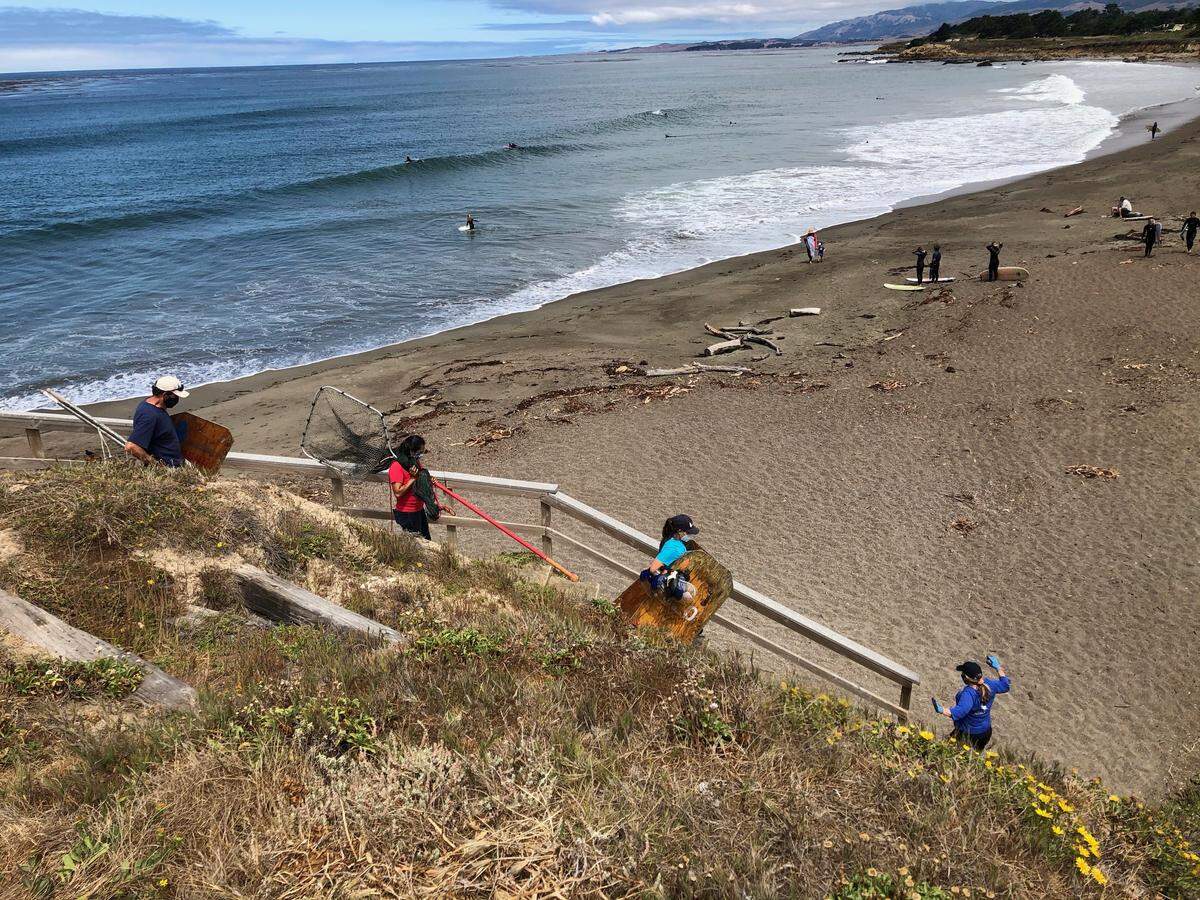
Veterinary staff in Sausalito planned to do a more complete exam once the sea lion arrived there.
Unfortunately, the animal’s condition was so bad, Rulli said Tuesday, that the veterinary team ultimately made the difficult decision to euthanize the sea lion.
“Hattori’s condition continued to worsen,” Rulli said. “It wasn’t eating well and it was growing increasingly lethargic.”
“With those mitigating factors, the vet team concluded they had to relieve the sea lion’s suffering,” he explained. “Part of the Center’s operation is to relieve the suffering of an animal that doesn’t have an outlook that will allow it to return to the wild.”
According to Rulli, a necropsy, or animal autopsy, done Tuesday morning showed the sea lion was indeed suffering from the issues that had been identified in the field, plus suspected domoic acid poisoning.
He said also that the sea lion’s injury had become infected and had perforated through the marine mammal’s nasal cavity, “prohibiting it from diving for food effectively.”
Rulli said that, even after they die, marine mammals can provide “invaluable data on an animal’s life story that impacts future care for the species and offers an important glimpse into the health of our oceans.”
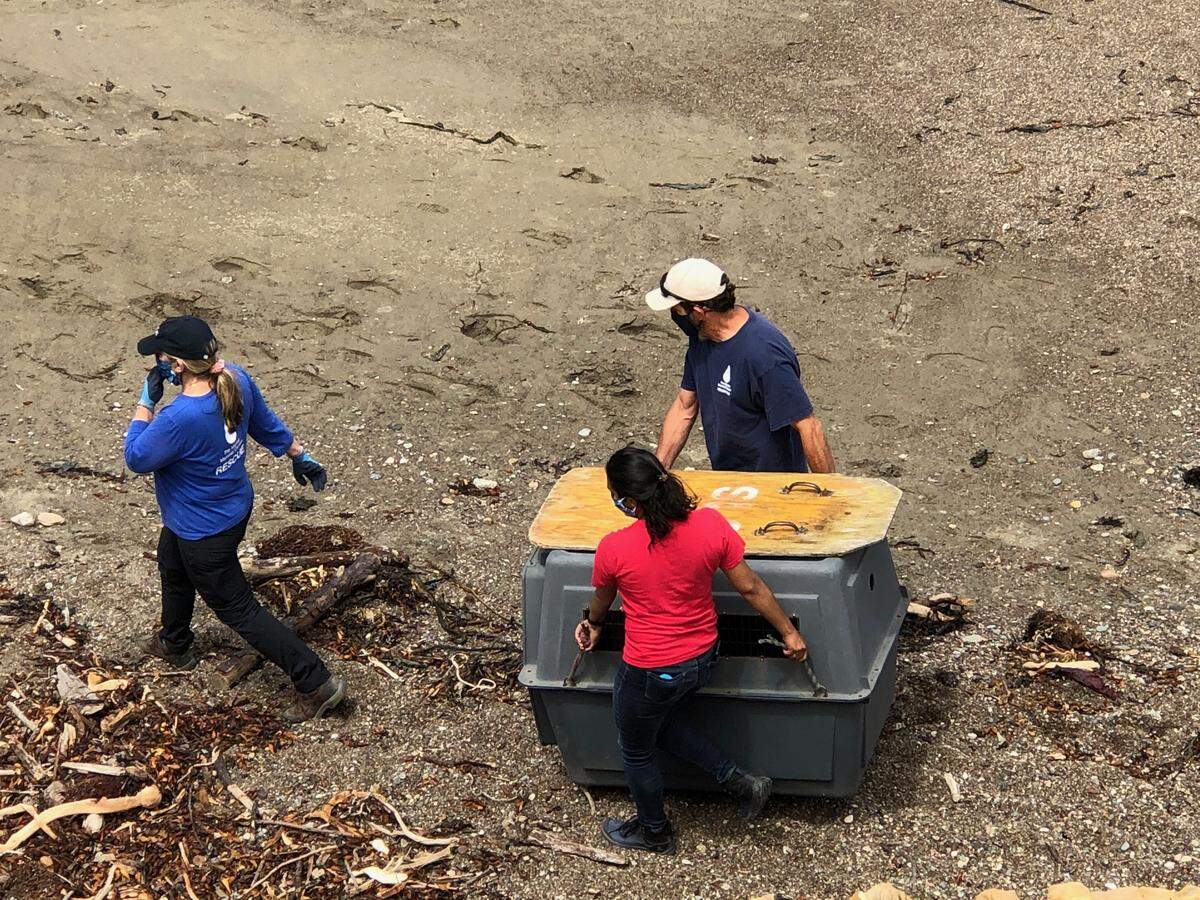
What to do if you find a sick or injured marine mammal
When the rescue team members arrived at Moonstone Beach on July 22, Rulli said, they saw “a lot of people in the area, some of them with off-leash dogs.”
“That’s a real concern on a number of levels for the pets and a mammal” that’s in distress already, he said.
The sea lion was in obvious ill health and poor condition, he said, adding any wild animal, ill or not, could behave erratically and be potentially dangerous to people and domestic animals.
“I want to stress that the public is our eyes and ears, and they play an important role along the 600-mile stretch of coastline to which our rescuers respond,” Rulli said. “The best thing they can do if they see an injured or ill marine mammal is to keep a safe distance, at least 50 feet away, and observe the animal for a while.”
If the animal looks at observers and seems to respond, they should back off even further, he said.
If you find a sick or injured marine mammal, call The Marine Mammal Center’s rescue hotline at 415-289-SEAL (7325).
Use a zoom to take a photo of the animal from that safe distance also can be very helpful, he said. The dispatcher may ask that the photo be sent to the center.
This story was originally published July 28, 2020 at 5:05 AM.