Leave it to beavers: How giant rodents are reshaping the Central Coast’s waterways
Wildlife tracks are abundant in the sandy trails along the Salinas River in Atascadero.
“Red fox, bobcat, possum, mountain lions, black bear, badgers. You can see everything. It’s really an amazing spot,” nearby resident Audrey Taub said.
She’s been visiting the area regularly with her family ever since she came across a spot off Juan De Anza Trail while studying tracking a decade ago. And it’s inspired a new passion for her: Protecting beavers.
Birds are frequent and the willow forest is dense in the river bottom behind Atascadero’s wastewater treatment plant.
Down a path from the parking lot, through the oak savannah, there’s a wide pool of water where a natural dam has slowed the river’s flow. It’s a rich wetland ecosystem that Taub says is all because of a large rodent with big teeth and wide tail.
“I attribute it all to the beavers. They create the environment that helps all the others,” she said.
Beavers are known to be industrious engineers. They can drastically alter the flow of rivers and streams with dams to suit their homemaking needs — creating drastic impacts that can be both extremely frustrating and useful to neighboring humans.
Now beavers are busy on the Central Coast.
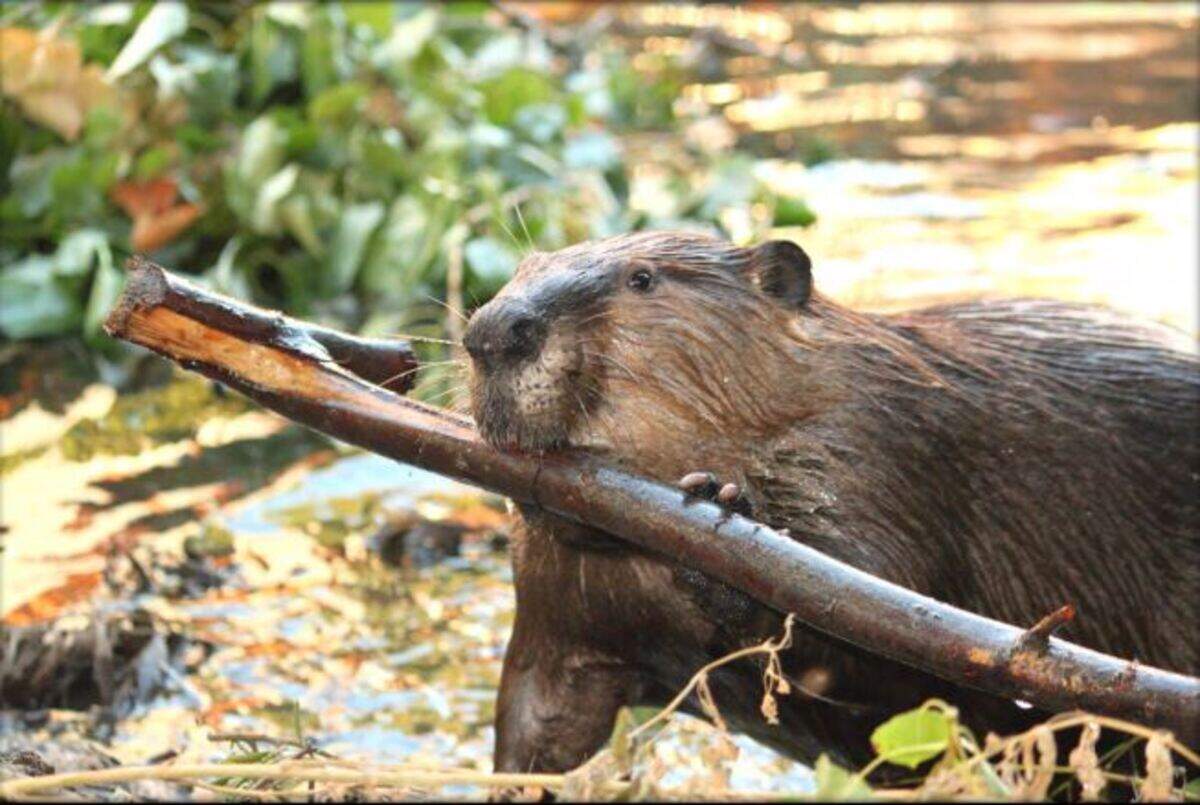
Beavers thrive in Salinas River, but are they native?
Scientists haven’t confirmed whether beavers are native to the Central Coast.
They’re one of the largest rodents in the world, weighting up to 70 pounds, and use strong, iron-like teeth to cut down trees and chew on grape vines. Their dams can cause flooding in roads and fields. Any damage by beavers pales in comparison to the havoc that a smaller rodent, the invasive nutria, bring to the San Joaquin Valley.
Beavers also make conditions for rich wildlife habitat by creating pools of water long after the rainy season when a river might have become a trickle. Yet some of the animals they support, such as bullfrogs, can be bad for native species like red-legged frogs.
In the Arroyo Grande Creek channel, beavers have been known to cause dramatic problems for flood control as sediment and debris builds up in the backwaters behind a dam.
It’s a conundrum, particularly when the state Department of Fish and Wildlife’s vision is an environment where “native fish and wildlife thrive.” What does that mean for the beaver?
State biologist Bob Stafford said he’s issued five or six depredation permits to kill beavers in San Luis Obispo County in the last 20 years. In those cases, property owners had damage attributed to beavers.
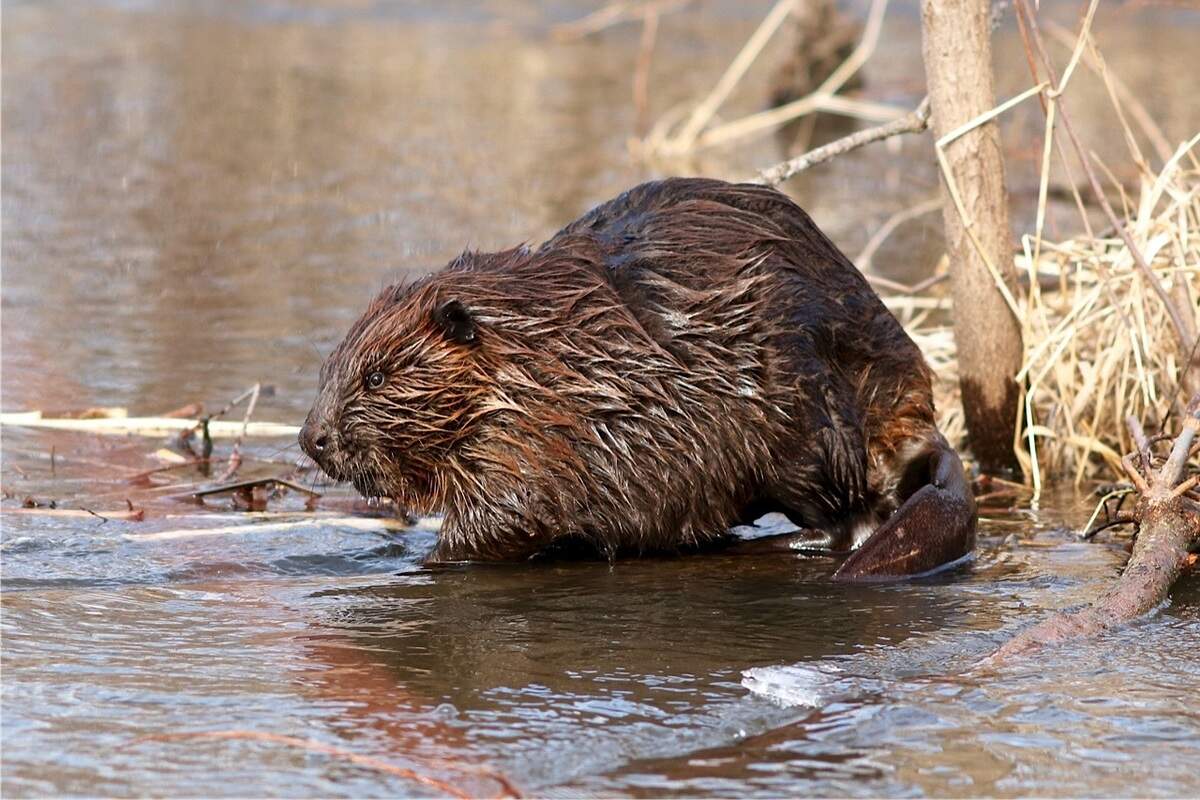
“They can certainly chew up some stuff in an area,” Stafford said. But there’s “no large effort to eradicate them,” he added. “It’s unclear in the system how native or nonnative they are.”
Cal Poly graduate Stuart Suplick suggests putting that question aside to research beavers’ benefits and tradeoffs now that they are here.
He was inspired to research beaver activity along the Salinas River for his senior project after a professor mentioned that the mammal might help with groundwater recharge.
“Wait, we have beavers? And they could potentially affect something important to our region?” he recalled thinking.
“That kind of dumbfounded me,” Suplick said.
He conducted field surveys in late autumn. He emailed surveys to targeted populations in the area, and he studied Google satellite imagery for signs of beaver activity.
What the Cal Poly grad found is clear: They are here — hundreds of them — and they are thriving.
“Beavers are practically everywhere on the Salinas River,” Suplick said. What’s really interesting, he added, is their habitat tends to be in areas altered by human impacts to the river flow, such as human dams.
Beavers once parachuted out of airplanes
Water flow on the Central Coast tends to be flashy, meaning that stream flow is driven by flood events. The arid or semi-arid environment isn’t conducive to beavers, which generally work on lakes or rivers with yearround water.
Beavers were likely native to the Central Valley, Stafford said, where snow melt once fed lakes that flooded the lands from Bakersfield to the Bay Area.
They were nearly decimated in the west by pioneering trappers who wanted their thick pelts for the fur trade.
By the mid-1900s, efforts to repopulate the wetlands of California, Oregon and Idaho took beavers to new heights when Idaho Fish & Game workers with left over World War II parachutes dropped the mammals from planes.
According to the Center for Biological Diversity, beavers were recently under attack again. The organization threatened to sue the U.S. Department of Agriculture’s Wildlife Services program for killing 7,000 beavers across California between 2010 and 2017, which it argued harmed endangered species that thrive because of beaver dams.
Since then, Wildlife Services has agreed to stop shooting and trapping beavers on more than 11,000 miles of river, according to a July press release.
Can rodents help restore Paso groundwater basin?
Some research indicates beavers can help restore underground aquifers, particularly in Oregon and Washington. That could be beneficial to Salinas Basin, where over-pumping for agriculture has depleted underground reserves.
Suplick found that groundwater recharge by beavers on the Central Coast may not be as significant as in other areas. Beaver dams appear to be built too low to reach the flood plain, so water can’t percolate down and recharge groundwater. And, dams aren’t permanent due to flashy water flow events, so they don’t block enough water to spread onto the floodplain to speed up recharge.
Most of the year and during non-drought years, “beaver may not contribute to as much groundwater recharge as beaver researchers have shown them to do in other watersheds,” he said. Still, “It’s definitely conceivable that where I saw beaver dams during my surveys have surface water due, in part, to decades of beaver activity.”
Suplick said the species is worth studying for ecological benefits regardless of whether or not they’re native because beavers add complexity to the river landscapes that run through San Luis Obispo and Monterey counties.
“Because of the flashy nature of flow in the region, dams tend to get washed out or destroyed with floods that come every winter,” he said. “The woody debris that comes down river creates habitat for fishes, which helps with birds and things that feeds on those.”
“The debris also changes the form of the river, whether in small pockets over time or by changing how the river flows by affecting habitat,” Suplick said.
Suplick suggests humans can mitigate these and other problems that beavers cause, while working to research their potential environmental tradeoffs and how best to manage the animal.
“Beaver likely do more good than harm,” he said, because “beaver introduce more complexity into the ecosystem, which can make the Salinas River more resilient.”
Where to see beaver dams in San Luis Obispo County?
Beavers are pretty hard to spot, but your best bet is to hang out quietly near dams at dawn or dusk.
There are signs of beavers at Pismo Lake Ecological Reserve, at the base of the Arroyo Grande Creek in the Oceano Dunes and in the river bottoms of Paso Robles, Santa Margarita and Templeton.
Taub said she’s seen beaver tails slapping the water off the Anza Trail in Atascadero.
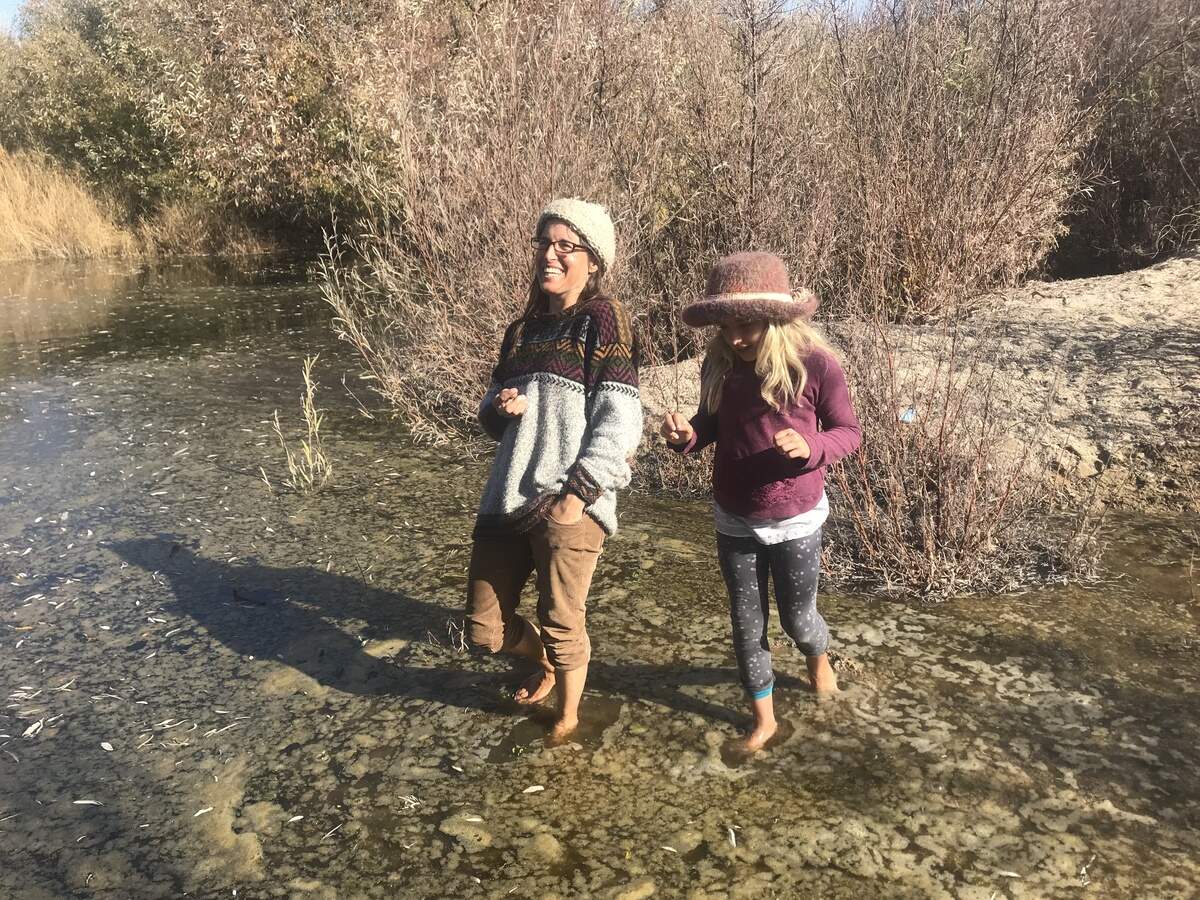
It’s a nice place to walk, but waterproof boots and waders might be required. Or, you can follow the lead of Taub’s daughter, Hazel Taub-Finlayson, and wade barefoot.
“Last time I was here, I saw beaver tracks and a red fox,” she told The Tribune.
This story has been updated with additional information about beaver’s role in groundwater recharge