
What is it like to be Arab American in SLO? Cal Poly installation shares 14 stories
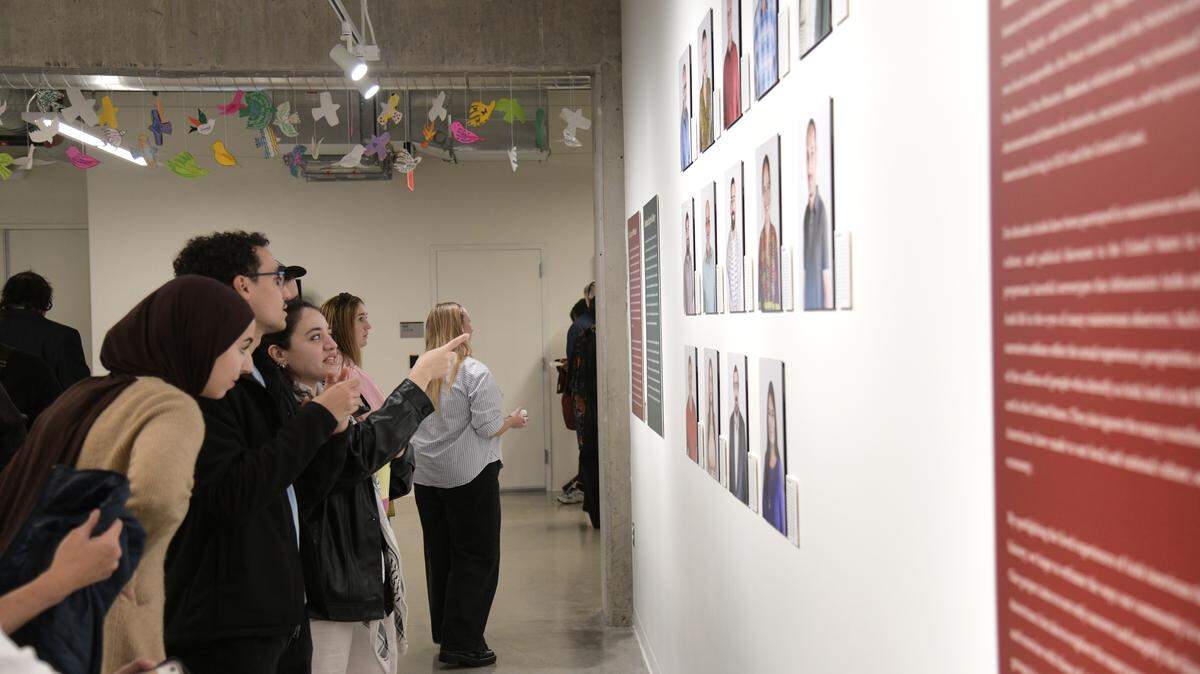
A new multimedia installation launched at Cal Poly on Saturday shares the stories and experiences of members of San Luis Obispo’s Arab American community.
The installation is part of “Mawtini: Arab American Narratives of Home and Belonging,” a project that aims to highlight and archive the oral histories of local Arab Americans.
“Mawtini” — a word which means “my homeland” in Arabic — was funded through a grant from the city of SLO and produced by local community members in partnership with the Peace Academy of the Sciences and Arts and nonprofit Our Roots/Our Routes, according to a news release.
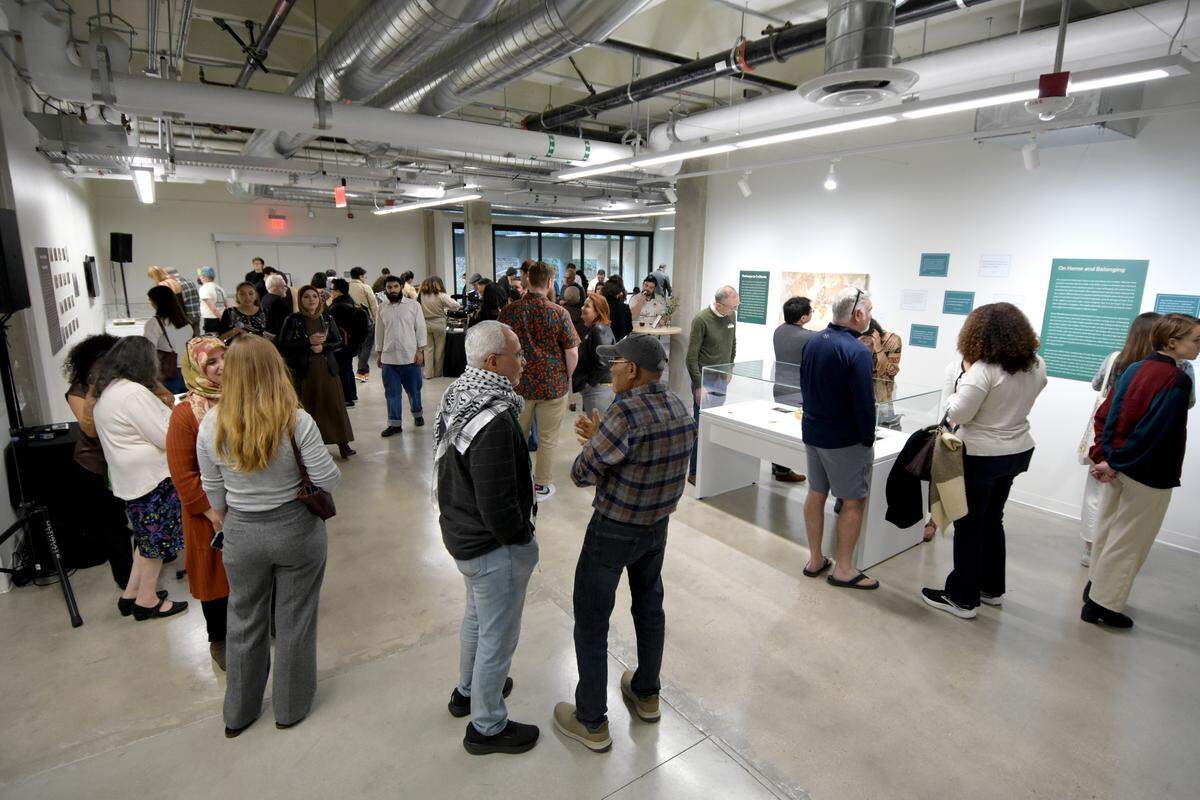
Organizer and Cal Poly history professor Farah al-Nakib told The Tribune the team wanted to amplify the oral histories of one of SLO’s smallest underrepresented groups, whose stories aren’t typically told or recognized.
“Arabs are also sort of an invisible minority because we’re officially classified in the Census as white, so we’re sort of lumped into categories that we’re not really — that we don’t really identify with,” she said. “And so the idea here was to really unpack a lot of these things and center around the themes of home and belonging.”
The team interviewed at least 14 people for the project, collecting oral narrations of their life histories.
The installation at Cal Poly draws on the overarching themes from those interviews. It includes objects provided by some of the interviewees that reflect their origins, quotations they shared about their view of home, and items from the archives that show the limited representation of Arab Americans in local media.
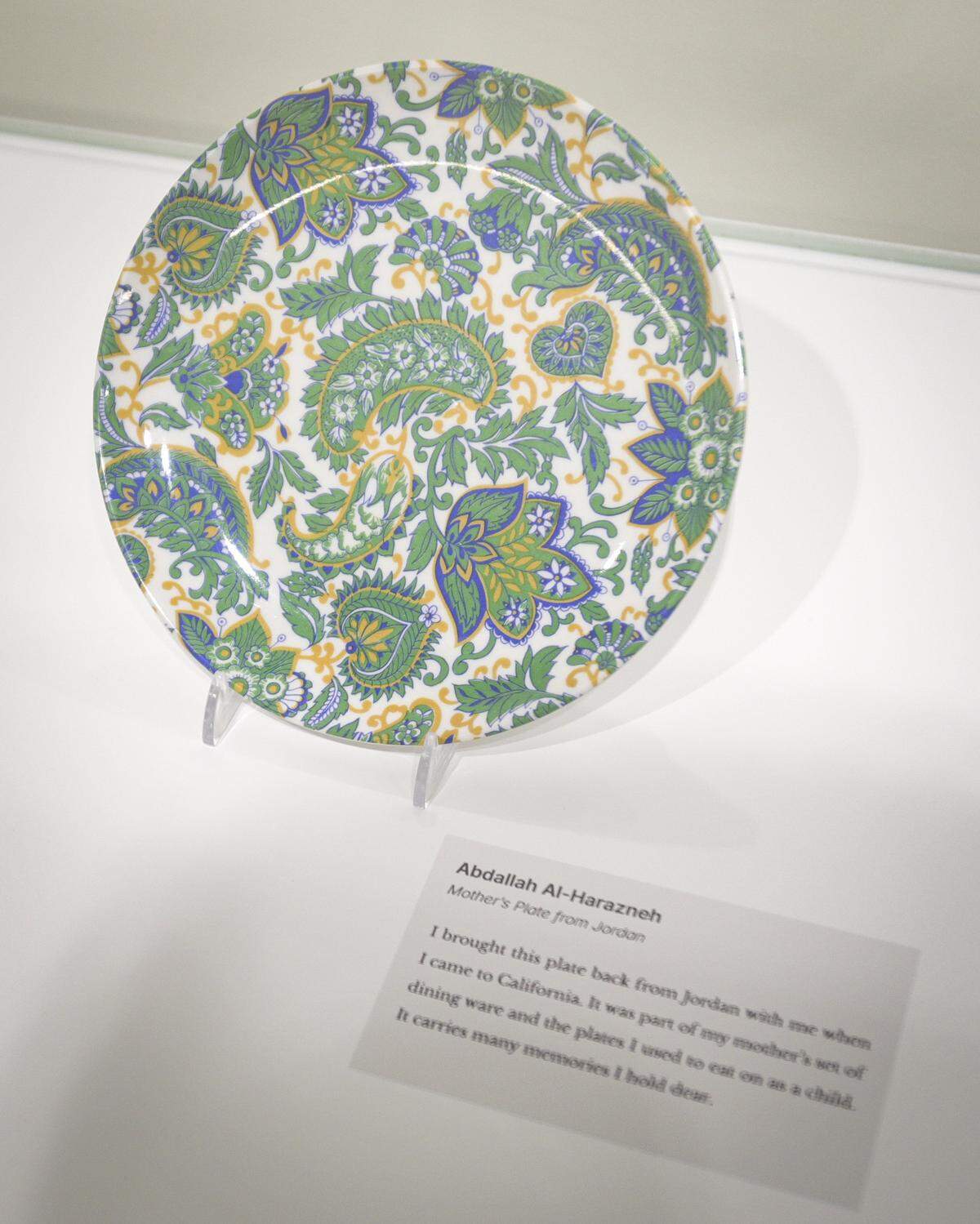
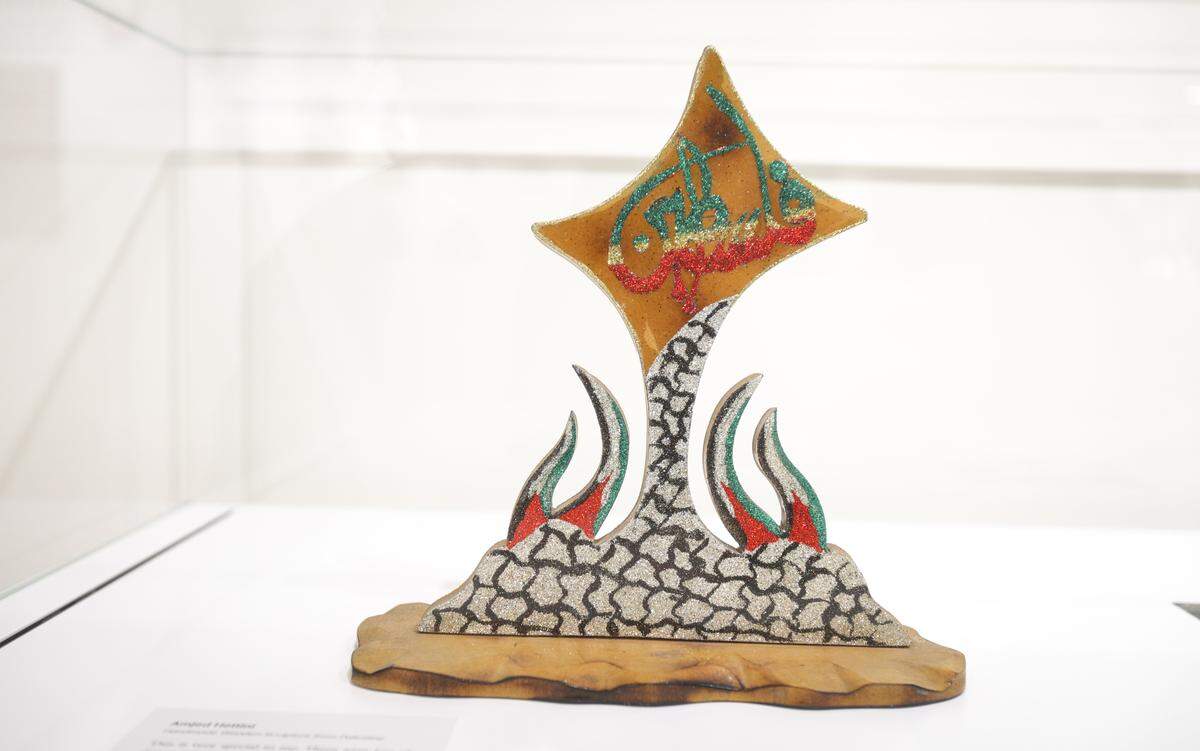
Organizers were intentional with their curation of the installation, al-Nakib told the Tribune. Specifically, the team doesn’t refer to the display at Cal Poly as an “exhibition” or “exhibit.”
“A lot of exhibitions, museum displays, were created with the purpose of putting the peoples of the colonized world on display as spectacles to sort of be gawked at as others, as you know, people to be looked at for their differences, literally, as exhibits,” she said. “The word exhibition still carries a lot of that connotation.”
“Mawtini” was created to not only to highlight the stories of the Arab American community, but to see how those stories intersect with each other and with the lived experiences of members of other underrepresented populations, an installation panel explained.
“We’re putting our community stories and pictures and objects of affection, and all of these on display, but not to be exhibited as a spectacle to create a sense of difference between those who come and engage with our stories and us,” al-Nakib explained. “We’re trying to build that connection.”
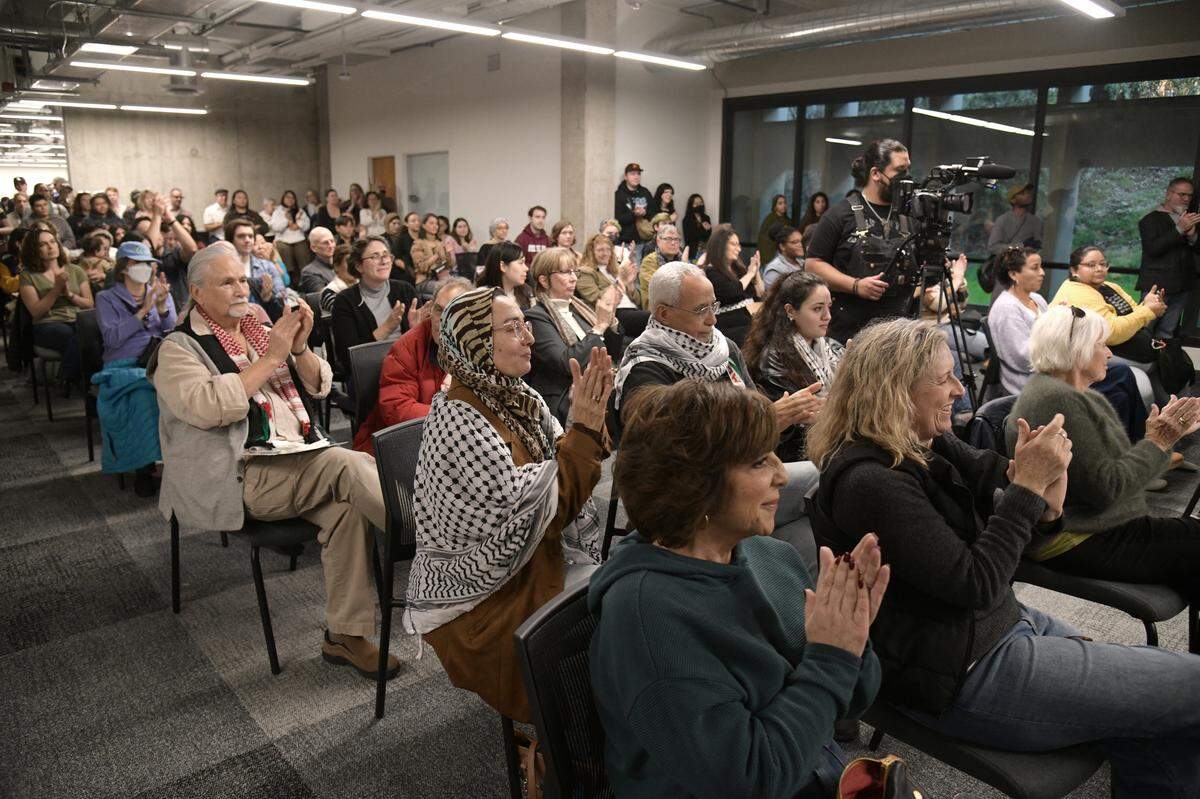
The group held a launch event for the installation on Saturday, which drew about 200 people, according to organizer and interviewee Sandra Sarrouf. The event included a panel discussion and allowed visitors to record snippets of their own oral histories to see what it’s like to be in the hot seat, al-Nakib said.
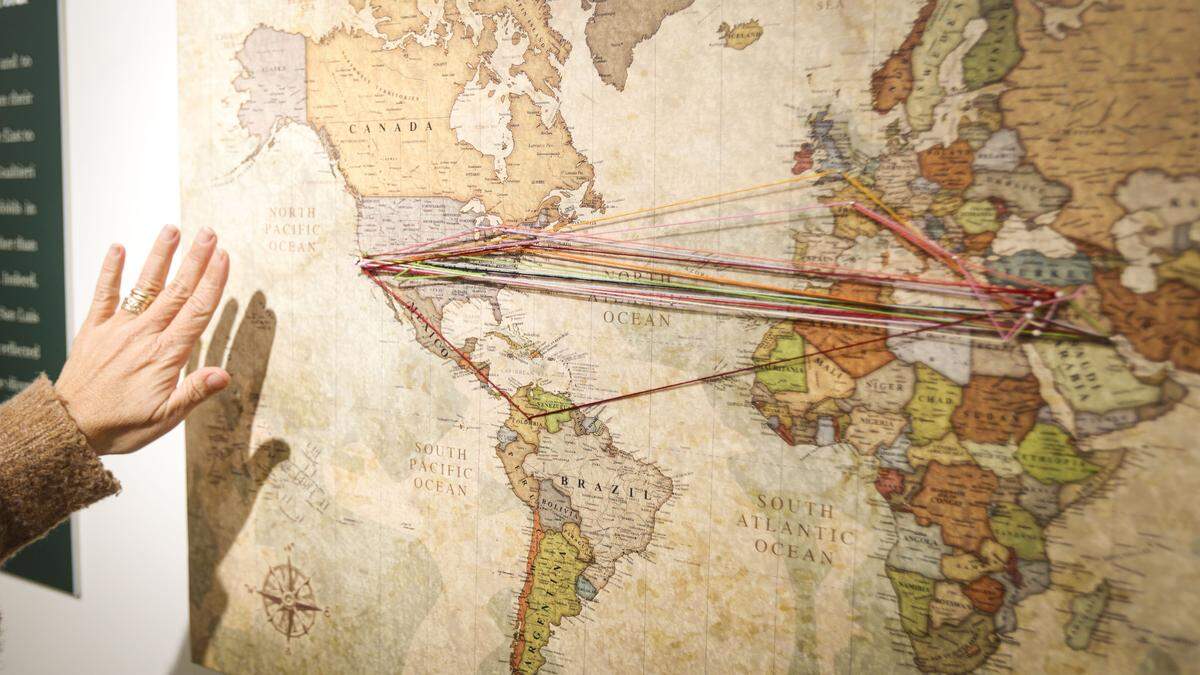
A map on the wall also allowed visitors to draw their own pathways to SLO, similar to a separate board that mapped the routes of the 14 interviewees.
While the launch event marked the end of one chapter of the project, al-Nakib said, the team plans to continue collecting oral histories of local Arab Americans to continue fostering a sense of community and ensuring Arab American histories are preserved.
The “Mawtini” installation was set to remain on the first floor of the Cal Poly Kennedy Library through March 20.
.JPG)