
How Cal Poly grad went from studying journalism in SLO to spying for the CIA
As a Cal Poly journalism student in the 1980s, Susan Miller couldn’t have predicted she’d someday go deep undercover as a CIA spy in the Soviet Union or brief the president of the United States on international affairs in Prague.
But that’s exactly the path her career took after she was hired by the nation’s top intelligence agency in the middle of the Cold War, just months after graduating from college in San Luis Obispo.
In her nearly 40 years with the agency, Miller completed tours in Moscow, Warsaw, Lithuania, Israel, Prague, Malaysia and Tokyo, living a life straight out of a spy movie.
She handed off briefcases full of cash, gold and jewels, shook off Russian surveillance and met in secret with covert informants.
Years later, she also served as head of counterintelligence during the 2016 election, when her team found evidence that Russia attempted to sway the election to favor then-President-elect Donald Trump.
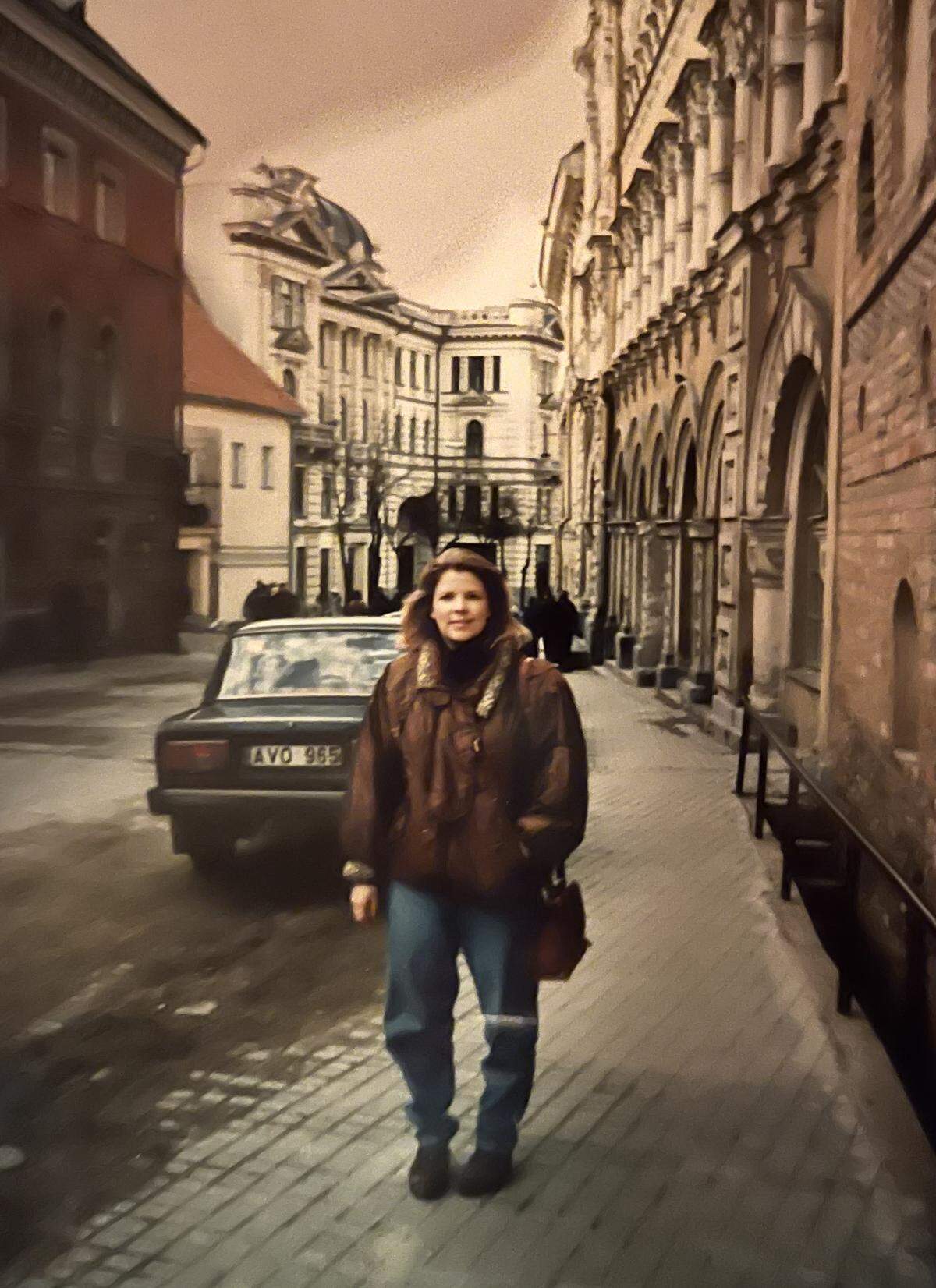
In an interview with The Tribune, Miller said her college experience set her on the trajectory for a globe-trotting career in international espionage.
“I literally owe my entire career to the education I got from Cal Poly,” she said.
Now retired, Miller will return to campus as a keynote speaker at the Mustang Media Fest — a media symposium hosted by Cal Poly’s journalism department Wednesday through Saturday.
Miller told The Tribune that being offered the opportunity to address students at her alma mater made her “misty-eyed.”
“This is cooler than talking to a prime minister,” she said.
How Miller went from Cal Poly to the CIA
During her senior year at Cal Poly in 1985, Miller and a friend visited the career center to look for job applications.
As a journalism student who grew up in Sunnyvale and Santa Rosa, California, Miller said she was interested in anything that could get her out of her home state — something along the lines of the New York Times or the Chicago Tribune.
That’s when she spotted an application for the CIA.
“We were both like, ‘Do they hire real people?’” Miller said with a laugh.
Next thing she knew, Miller was at a hotel in Morro Bay, interviewing for a job with the nation’s foreign intelligence service.
By September — about three months after she graduated from college — she was on her way to Washington, D.C., for a two-year CIA training program, a step up from her summer job serving coffee to San Quentin prison guards at a local cafe.
Her first six months in Washington consisted of paramilitary training, Miller said. She learned to fire Uzis, a type of submachine gun, and shoulder-launched missiles.
Because her training occurred during the height of the Contra activity in Nicaragua, Miller guessed she’d be heading to Central America once the training commenced. A California girl at heart, she at least thought she’d go somewhere warm.
Instead, she was assigned to the Soviet Union.
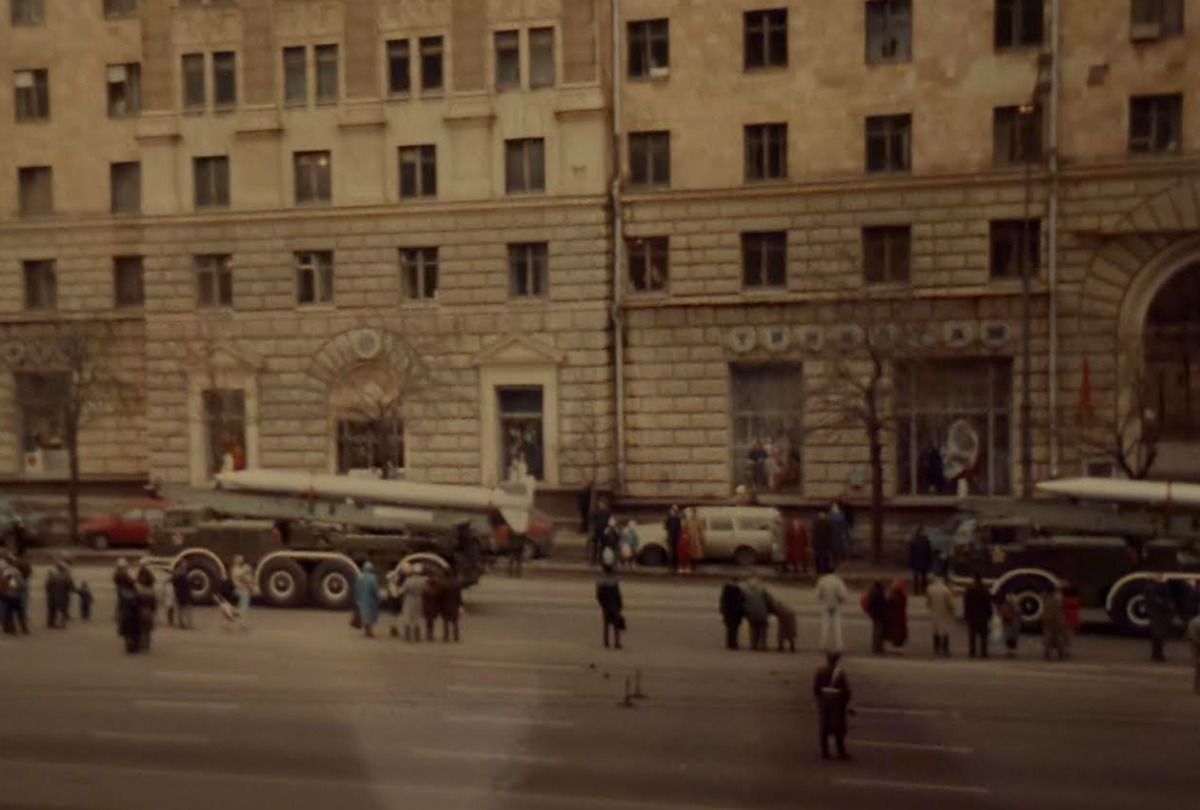
After two more years of training, including one year learning Russian, Miller arrived in Moscow in 1989.
By day, she worked as a cashier at the U.S. Embassy. On weekends, she planned surveillance detection operations and dead drops.
While some sources asked for cash, others wanted gold coins or diamonds. Miller coordinated with her boss to get the informants the payment they wanted in exchange for information.
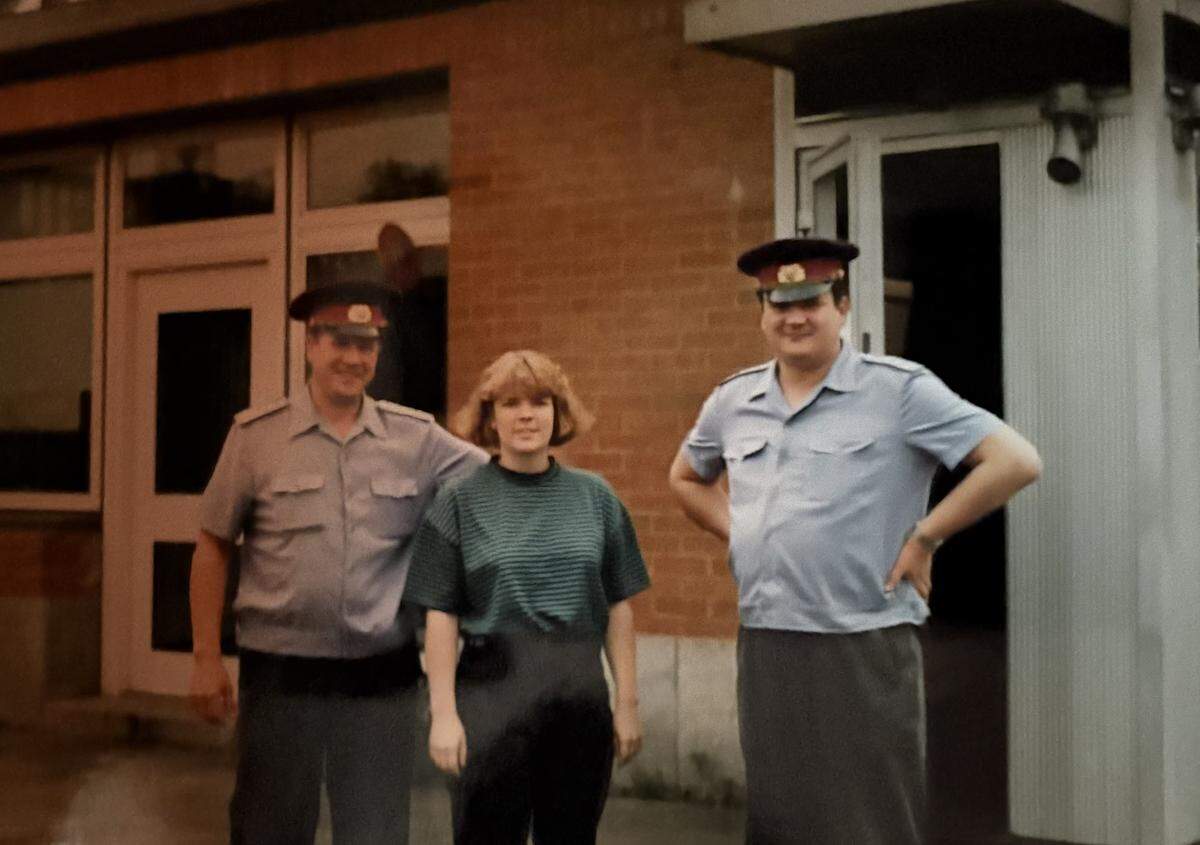
Once, she handed off a briefcase containing $2 million, she told The Tribune.
And she wasn’t a stranger to being under surveillance herself.
Miller once shook off surveillance on a job, out-driving her followers for hours before returning home. The next day, she walked out of her house to find three surveillance cars waiting to trail her to the Embassy as punishment.
The team had also punctured two of her tires, which she didn’t find out until after she was on the road, she said. She pulled over, and instead of changing the tires herself in the -3-degree, snowy weather, Miller decided to wait it out inside her heated car.
Meanwhile, the three men who had been following her were stuck inside Soviet cars with no heat, she said.
After about 20 minutes, one them came up to her window, feigning innocence, and asked if she needed help. She responded that she was sure someone from the Embassy would be along soon.
“Don’t worry about me,” she told them. “I’ve got heat.”
The man returned to the others and Miller heard them arguing, she told The Tribune. About 10 minutes later, one of them approached her car again.
“’We’ll change your tires,’ they said,” Miller told The Tribune with a laugh.
Through it all, Miller said she never felt in danger for her life. She did worry about imprisonment, but she was confident the government would bail her out if that ever happened.
Miller told The Tribune her education in journalism translated perfectly to her life as a spy.
“When it comes to the reporting and the sourcing, we’re doing the same thing the journalists do,” she said. “I’m looking at the guy across from me, and I’m thinking, ‘Are you telling me the truth or are you not?’”
After her time in Moscow, Miller did tours in Warsaw, Poland and Vilnius, Lithuania. In Warsaw, she met her now-husband, and they relocated to Lithuania together amid the fall of the Soviet Union. They lived there from 1993 to 1996.
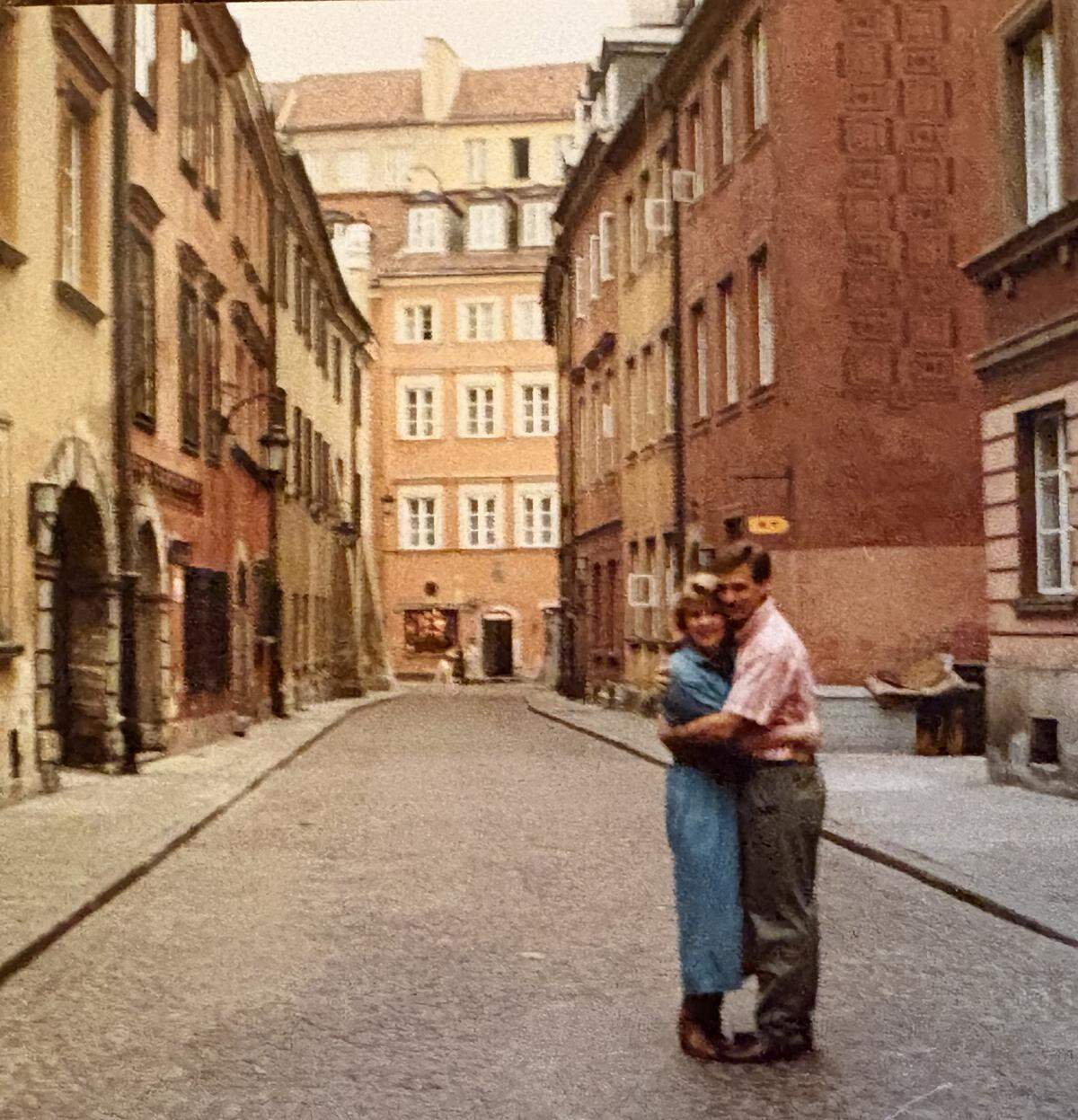
After Lithuania, Miller moved back to the United States and worked in the Russian branch of the CIA’s Washington, D.C., office, before heading to another international tour — this time in Tel Aviv.
Miller did two tours in Israel — the first in 1998 to 2001, and the second from 2019 to 2021. Comparing those two experiences, she witnessed two decades of political evolution.
Her first tour included the Camp David summit, when former President Bill Clinton met with Israeli and Palestinian leaders to attempt to strike a peace deal and a two-state solution.
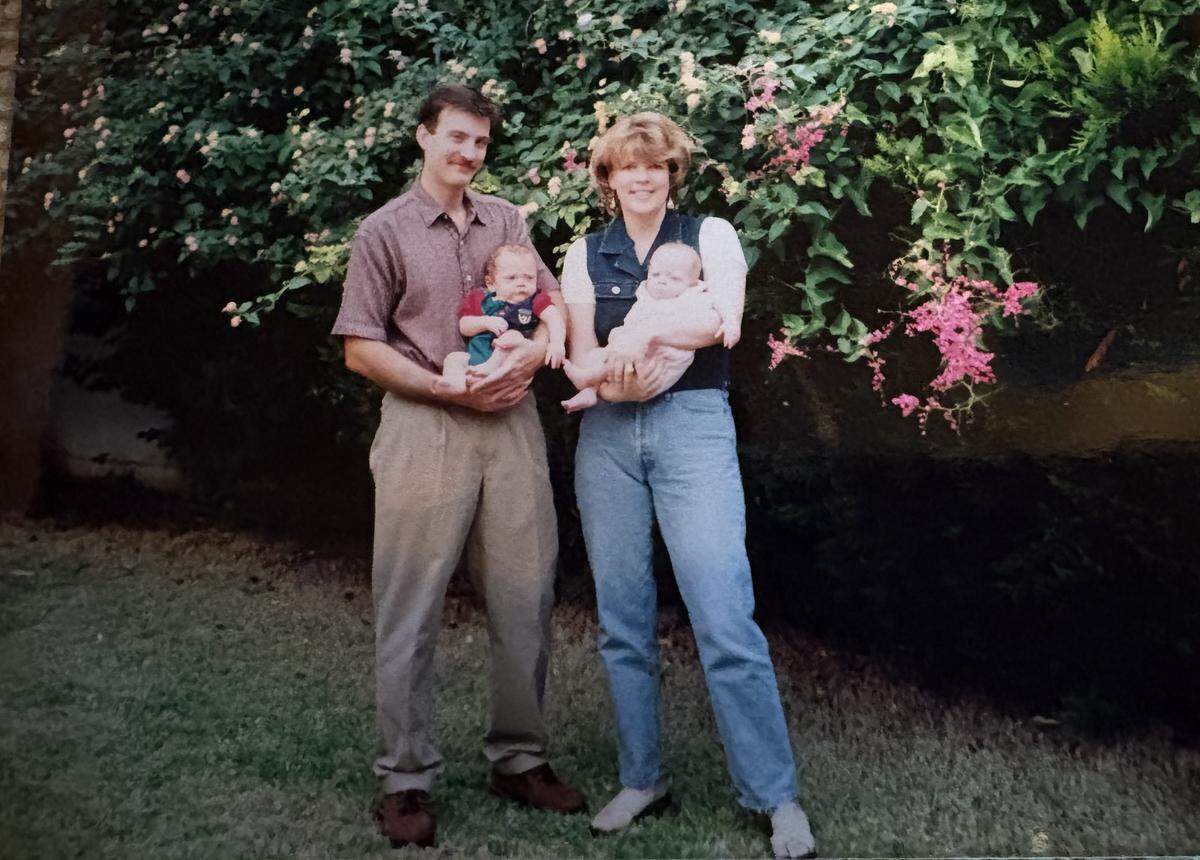
During that first tour, Miller said her team would drive non-armored cars into Palestine to meet with Yasser Arafat, then-President of Palestine and leader of the Palestine Liberation Organization, to discuss security.
During her second tour, she looked across the Negev desert and thought Israel had built a prison — but what she was really looking at was Gaza.
“That’s how different it was,” Miller told The Tribune.
Between the two tours in Israel, Miller also worked in Prague and Malaysia.
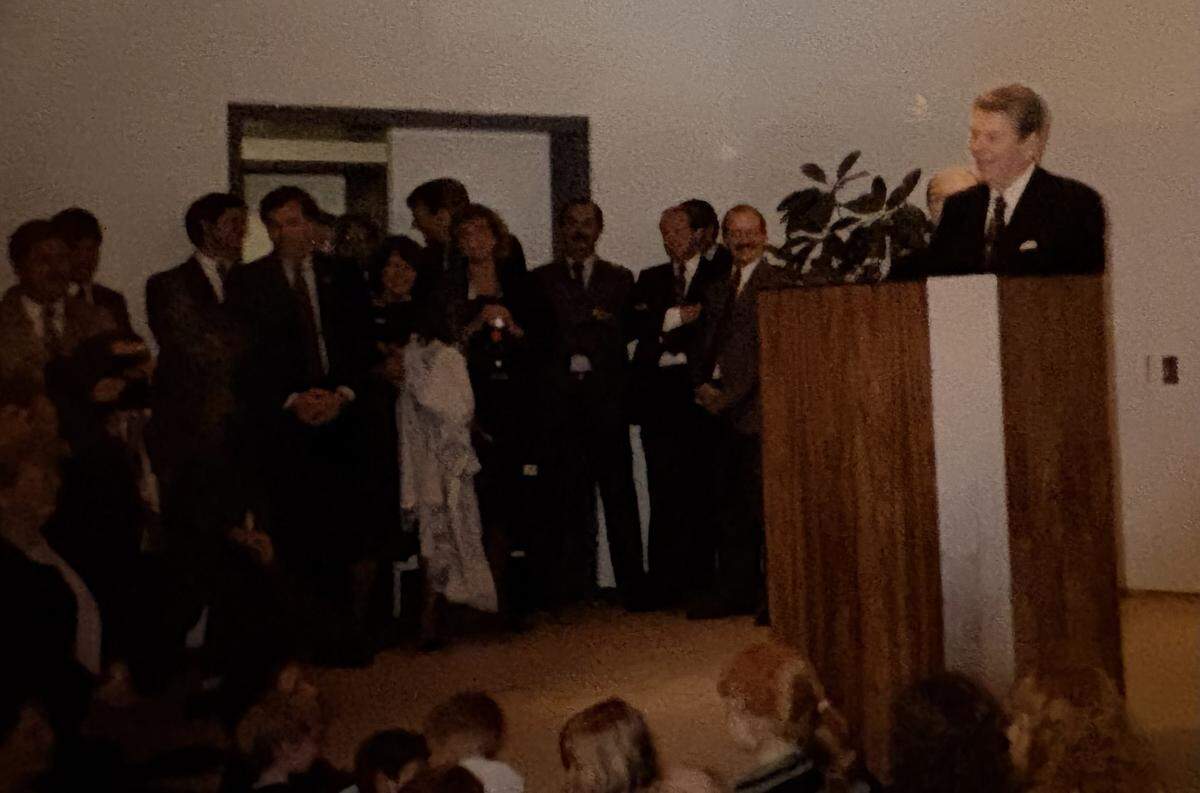
While in the Czech Republic, she had the opportunity to brief then-President George Bush and former Secretary of Defense Donald Rumsfeld ahead of NATO talks.
“Whoever sits there ... in high school in California, going to school in Cal Poly and thinks you’re going to brief a president, for God’s sake?” Miller told The Tribune.
Miller later returned home to lead the East Asia department in Washington, D.C., serve as a lead in Tokyo and work as the head of counterintelligence here before returning to Israel in 2019, where she worked on the operation that resulted in the assassination of Iranian military officer Qasem Soleimani in 2020, she said.
While in Israel, Miller was handpicked by former CIA director William Burns to help launch a new division of the agency focused on China, which ultimately was her final stint with the CIA.
Miller retired from service in September of 2024.
What’s the ex-CIA agent up to now?
When she retired, Miller re-upped her security clearance for another four years so she could contract with various agencies to provide trainings.
That was until this past September, when she was told the security clearance she’d held for 40 years had been revoked by the Trump administration.
That’s because, while working as the head of counterintelligence at the D.C. office, Miller was part of the team that investigated and published a report on Russian interference during the 2016 election, she told The Tribune.
Her report, she said, found that there was evidence of Russian attempts to interfere with the election to sway the vote in Trump’s favor. But ultimately, the election results were so close, it was unlikely the interference worked, she said.
“The last line of our paper was, ‘In our view, Trump is our president,’” Miller told The Tribune.
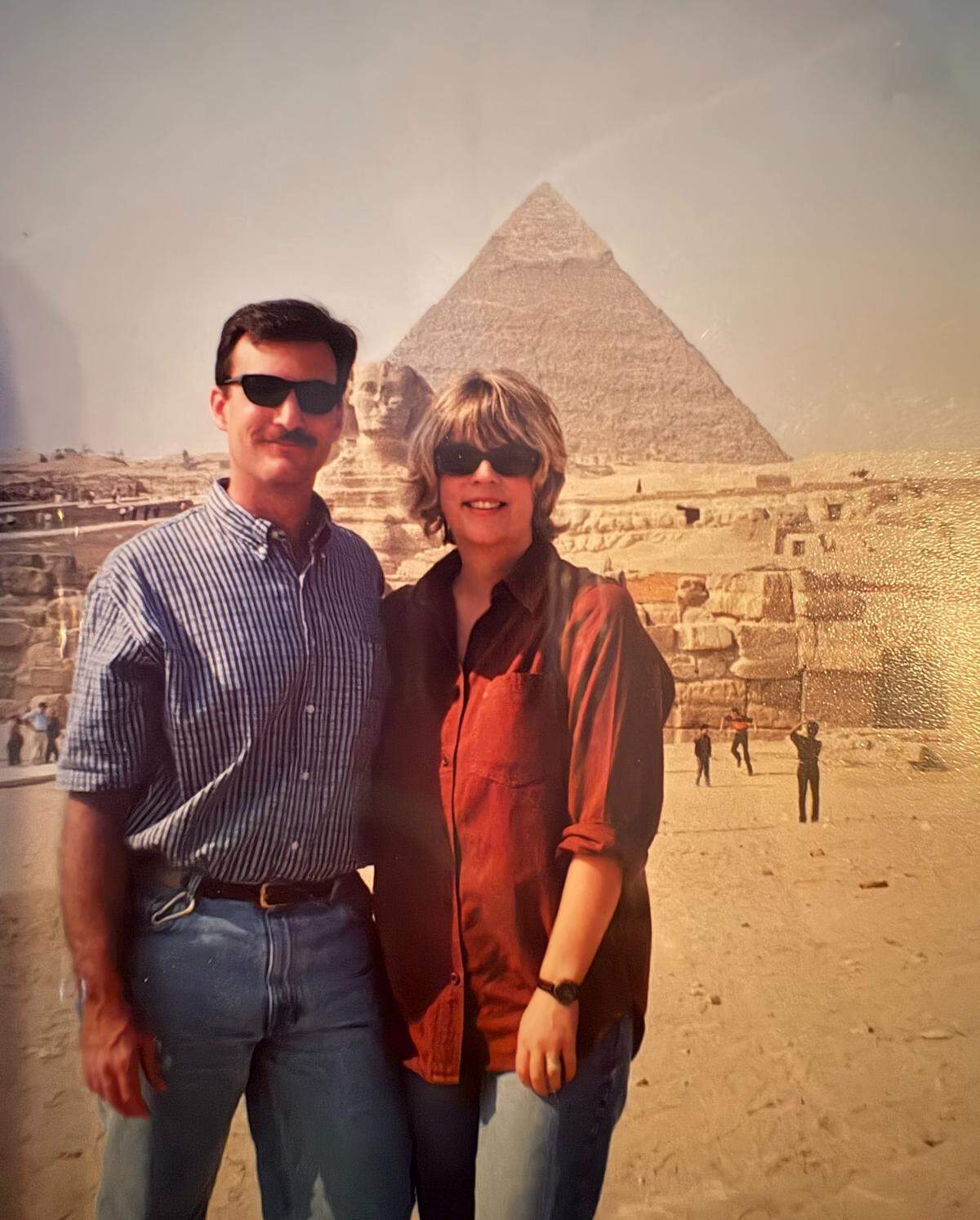
Still, her clearance being revoked in 2025, Miller said, was Trump’s retribution for her involvement in the 2016 investigation. She described the situation as “maddening.”
“This is like walking out of the agency twice for me, you know?” she said. “I knew I was going to keep doing things for a few more years, and they stripped me of this, and it just feels bad.”
While she works to get her clearances reinstated, Miller lives in Washington, D.C., and has a few gigs to keep her busy — including her visit to Cal Poly’s Mustang Media Fest.
Miller continues to hold a special place in her heart for her alma mater. Whenever she’s visited the California coast, she’s made a point to drive through SLO and reminisce about her time at the university, she said.
Now, she gets to make an official return to campus as a keynote speaker at Friday’s event.
“I’m really, really excited about it,” she told The Tribune.
The Mustang Media Fest is set to run from Wednesday through Saturday.
It will feature other speakers, including alum David Kraft, vice president of news at ESPN, according to the event website.
The keynote session, where Miller and Kraft will each present, is scheduled for Friday from 10 a.m. to 12 p.m. at Cal Poly’s Advanced Technologies Laboratory.
The event is free and open to the public. Guests can RSVP online.
This story was originally published October 23, 2025 at 5:00 AM.
.JPG)