
Cal Poly students might have to foot bill for St. Fratty’s Day dorm damage. Here’s why
Cal Poly students living in dorms damaged during on-campus St. Fratty’s Day partying last month could be on the hook for the repairs, a university official confirmed to The Tribune — unless the perpetrators are caught.
According to spokesperson Keegan Koberl, the university Office of Student Rights and Responsibilities has been “in the process of meeting with witnesses” to the widespread vandalism that erupted in the early hours of March 16.
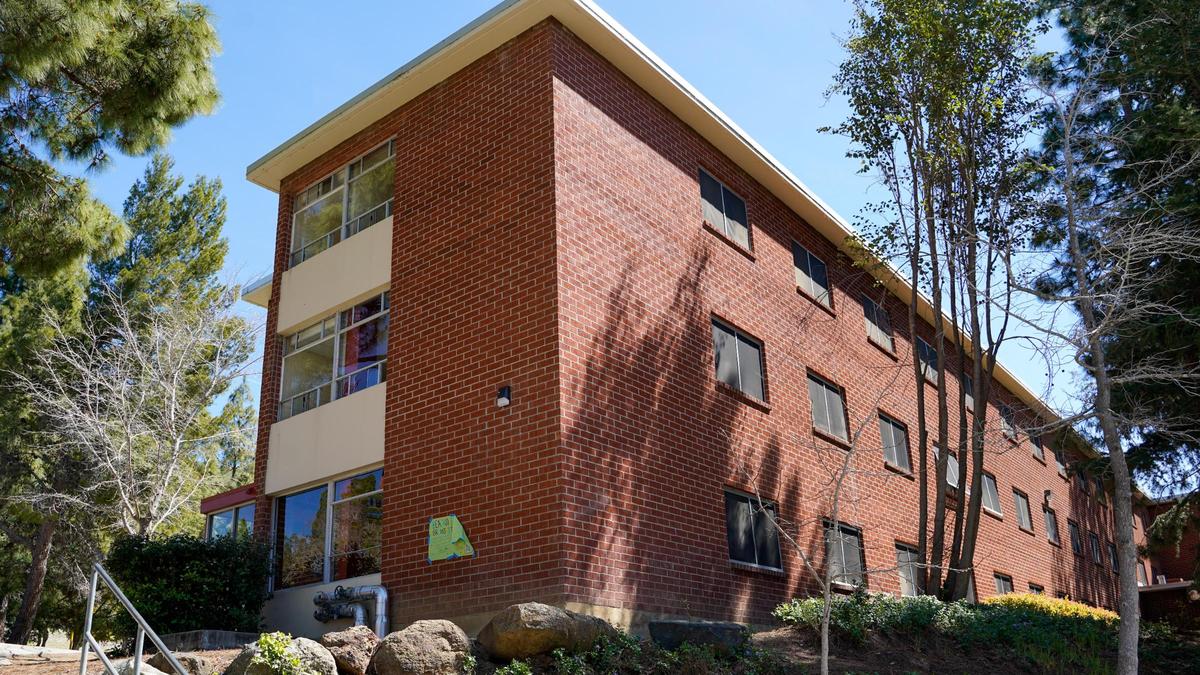
According to President Jeffrey Armstrong — who sent a sharply worded letter to the campus community in the aftermath — Muir Hall on campus suffered damage so extensive that officials were forced to close the building and evacuate nearly 300 students as they worked to repair it.
It included smashed ceiling tiles, exposed pipes, food and alcohol stains in the carpeting, clumps of hair littering the ground, paint on the walls and more. Other dorms on campus were damaged as well.
Various incidents of shoplifting were also reported on campus during the incident, Koberl said.
“These selfish and harmful actions are unacceptable for individuals who have been granted the privilege to study, live and work in the Cal Poly community,” Armstrong said in his letter to the community at the time.
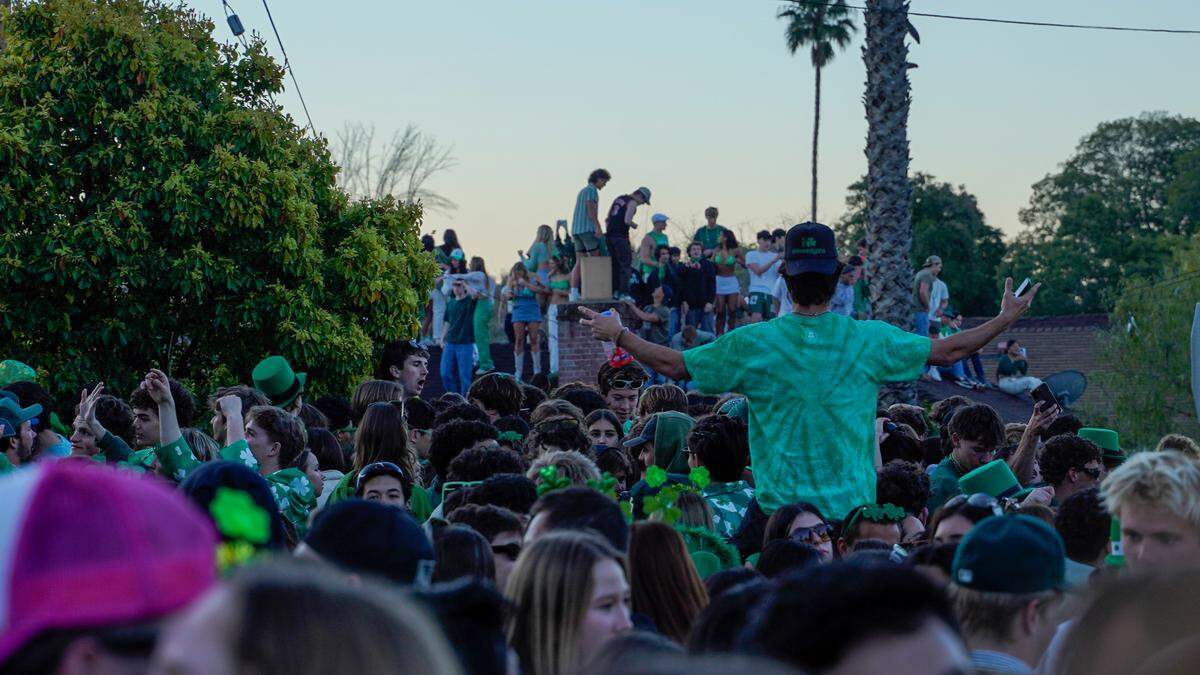
The reported damage came as nearby, thousands of students and visitors crowded a neighborhood next to the college for the annual block party known as St. Fratty’s Day.
Though some instances of vandalism were reported as a part of that event, city officials said in general that the party was not as damaging as it could have been.
That wasn’t the case on campus.
Who pays the bill for Cal Poly dorm damage?
According to Koberl, University Housing was still assessing the cost of the damage to campus as of April 5 — but students could potentially end up being responsible for the bill.
Koberl said if the university’s Office of Student Rights and Responsibilities “is successful in assigning responsibility for the incidents of vandalism in the residence halls, those individuals would be charged damage fees.”
If they can’t pinpoint the individual offenders however, residents will have to pay for the damage according to the students’ housing contracts, he said.
“If individual liability cannot be determined, each resident will be charged the repair cost divided by the number of residents on the floor or in the building or community,” Koberl said.
According to Cal Poly’s Damage Charge Rate Schedule, typical charges for students living in dorms range from a low of $5 for minor repairs like replacing outlet plates or ice trays to up to $1,500 to replace a door or to pay for damage to a TV.
It is still unclear how much students in the damaged dorms may have to pay — if anything — as the university is still assessing the extent of the damage, Koberl said.
Cal Poly adds increased security at dorms following St. Patrick’s Day damage
Meanwhile, the university has also implemented a Community Support Program to “enhance safety and security of student residents and employees and protect university property to support student success and well-being.”
Starting last week, from 10 p.m. to 2 a.m., access to both Muir and Tenaya halls was limited to the buildings’ front entrances. All other entrances will be automatically locked and set on alarm during that time.
The alarmed doors will go off if they are opened “for any reason during the limited hours,” Koberl said.
Also under the new policy, anyone entering must check in at the residence halls’ front desks to confirm they are residents.
He added that moving forward, the university “will continue to work with the city to assess how to improve effective outreach to students and discourage the types of behavior we saw this year.”
%20Cropped.jpg)