Cal Poly students could get payouts in lawsuit over alleged unpaid wages
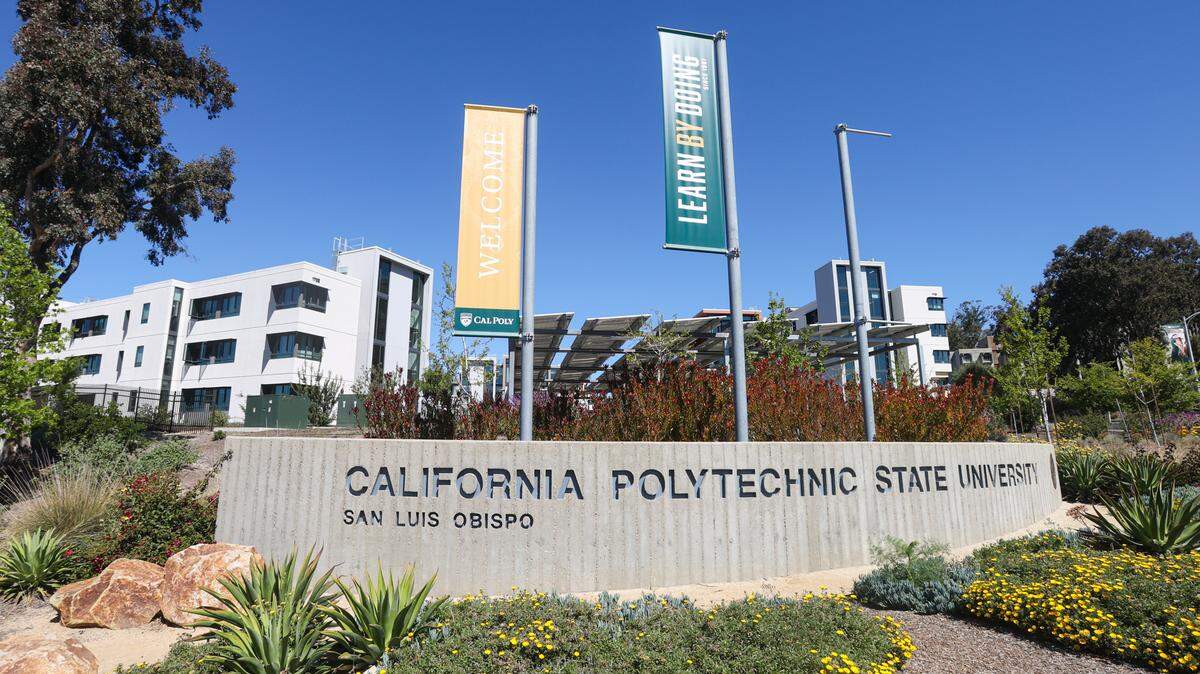
Cal Poly students who worked for Associated Students Inc. could receive payouts after ASI agreed to settle a class-action lawsuit over alleged unpaid wages and failure to give proper breaks or meal periods.
The settlement totals $1.35 million in the lawsuit that was filed against ASI by a former student.
Individuals who worked at Cal Poly’s student employer and government body over a six-year period may be eligible for a settlement payout, according to the preliminary settlement approval filed on Feb. 14 in San Luis Obispo Superior Court.
It’s unclear how many people might qualify for the settlement, and a final approval hearing is scheduled for July 20 at the courthouse.
ASI is a private auxiliary organization at Cal Poly that employs more than 600 students as well as 80 full-time and 75 intermittent staff, according to its website. It includes the elected student body government and is responsible for administration and oversight of all facilities, programs and services funded with University Union and ASI student mandatory fees.
The settlement calls for two types of payouts.
Individuals who had a background check conducted through ASI between Dec. 21, 2015, and Aug. 15, 2022, are eligible for a $100 settlement, according to court documents.
And people who were employed by ASI between Dec. 21, 2016, and Aug. 15, 2022, are eligible for a settlement based on the number of weeks they worked, court documents said.
The average payout is expected to be $259, plus $100 for those who had the background checks, according to the settlement terms.
Levine, the class representative, is expected to be awarded up to $10,000, the settlement terms said.
If the settlement is approved at the July 20 hearing, those eligible will automatically be mailed a check, according to court documents.
What former Cal Poly student’s lawsuit says
Anna Levine, a now-graduated student who filed the lawsuit in 2020, alleged ASI did not pay minimum wages, failed to pay overtime wages and did not pay wages when due, according to court documents.
ASI allegedly “unlawfully and unilaterally failed to accurately calculate minimum and overtime wages for time worked by (Levine) and other aggrieved employees in order to avoid paying these employees the correct compensation,” the lawsuit said. “Further, (Levine) and other aggrieved employees from time to time were not paid wages for all time worked, including overtime wages, such that in the aggregate employees were underpaid wages as a result of (ASI)‘s pattern and practice of unevenly rounding time worked by its employees.”
The lawsuit adds that ASI would allegedly underpay sick wages by “failing to pay such wages at the regular rate of pay.”
Employees were allegedly forced to work without lunch breaks or rest periods “as a result of their rigorous work schedules,” the lawsuit said.
ASI also allegedly did not provide reimbursements for employees’ use of their personal phones for work, or itemized wage statements with the correct employer or the dates for which employees were paid, according to the lawsuit.
ASI generally denied all of Levine’s accusations.
In its defense to Levine’s lawsuit, ASI alleged employees “failed to take reasonable steps or exercise due diligence in an effort to minimize or mitigate the alleged damages.”
Employees allegedly did not follow ASI’s policies for overtime, lunch breaks and rest periods, according to ASI’s defense.
Neither attorneys for Levine or ASI wanted to provide comment for The Tribune’s story because the lawsuit is still pending.