New fellowship will pay Cal Poly students to address climate change, food insecurity, education
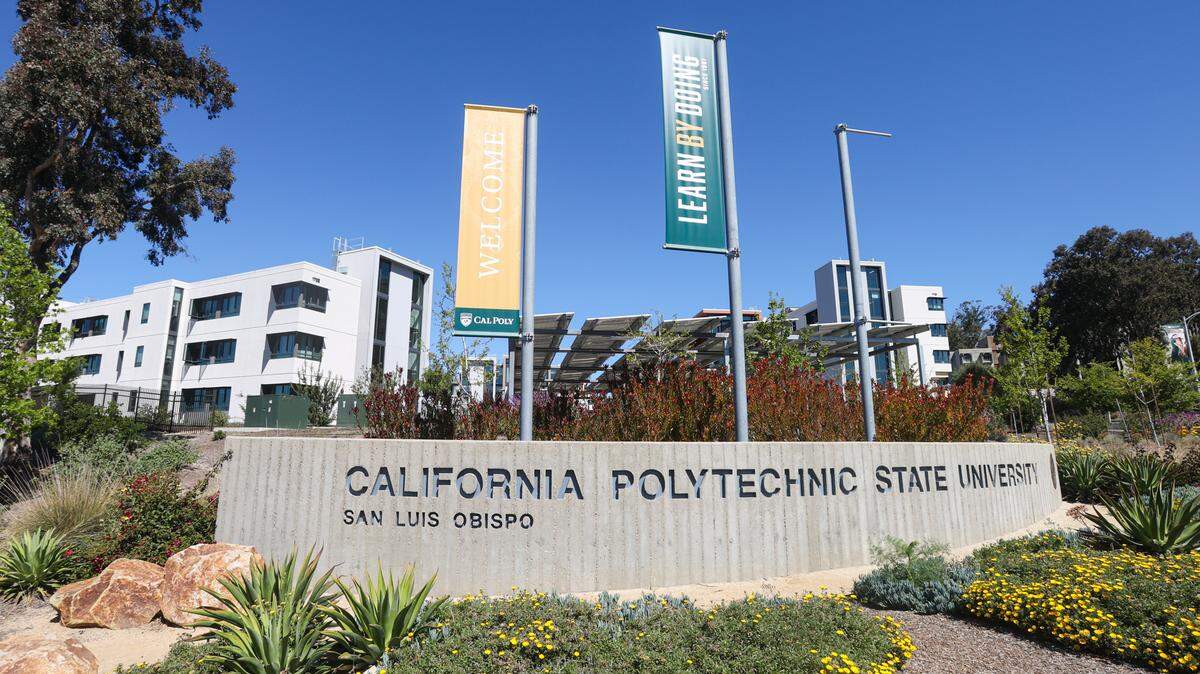
A new program pairs Cal Poly students with on and off-campus organizations to address issues relating to climate change, food insecurity and education.
The AmeriCorps College Fellowship, also known as College Corps, is a new statewide initiative created by Gov. Gavin Newsom that will provide students from universities across California with service learning opportunities through the 2022-2023 academic year, according to Cal Poly’s Center for Service in Action.
Cal Poly’s College Corps program was funded through a $10.6 million state grant. It’s scheduled to kick off this fall.
The grant is a joint effort by Cal Poly’s Student Affairs and Academic Affairs divisions.
A total of 165 Cal Poly students will be selected for the fellowship, according to Erin P. J. Pearse, director of the San Luis Obispo university’s Initiative for Climate Leadership and Resilience.
Each student selected for the program will receive a $10,000 stipend in exchange for 450 hours of work for the group with which they’re partnered, said Pearse, who is a mathematics professor at Cal Poly.
Of that, $3,000 will be dependent on their completion of the program, the Center for Service in Action website said.
Because of the stipend nature of the program, Deferred Action for Childhood Arrivals (DACA) recipients were “especially encouraged to apply,” Cal Poly said.
Pearse said Cal Poly applied for the program grant in December, as the initiative looked for ways to support climate change research and off-campus involvement.
The effort to apply for the grant was led by Pearse as well as Bradley Kyker and Jason Mockford, who work in leadership and service in Cal Poly’s Division of Student Affairs, according to Matt Lazier, the university’s assistant vice president for external communications and media relations.
When he found out Jan. 15 that Cal Poly had received the grant, “I was beyond elated. I hugged my dean,” Pearse said. “This is really going to provide a lot of manpower specifically for the campus food pantry, (Cal Poly’s) facilities departments and then also for the local climate coalition, which does a lot of work and outreach here for a number of other ecological nonprofits.”
Pearse said that the fellows, who were notified of their selection in late June, will be paired up with organizations based on the students’ interests. Participating organizations include the San Luis Coastal Unified School District, City Farm SLO and SLO Climate Solutions.
Besides the stipends, fellows may also be able to receive college credit for their community service projects, Pearse said, and some of their work might be included in students’ senior projects.
“Some people will be working with farmers, teaching them regenerative agriculture techniques,” Pearse said. “As they do that, they can keep notes on what they did and how well it worked.”
The initiative’s “big focus” is on climate action, Pearse said, although fellows will also be paired up with organizations in other fields.
“Our role here as a very climate progressive community is not so much to raise the alarm because people already got that,” Pearse said. “It’s to lead by example and start doing substantive efforts on the ground.”
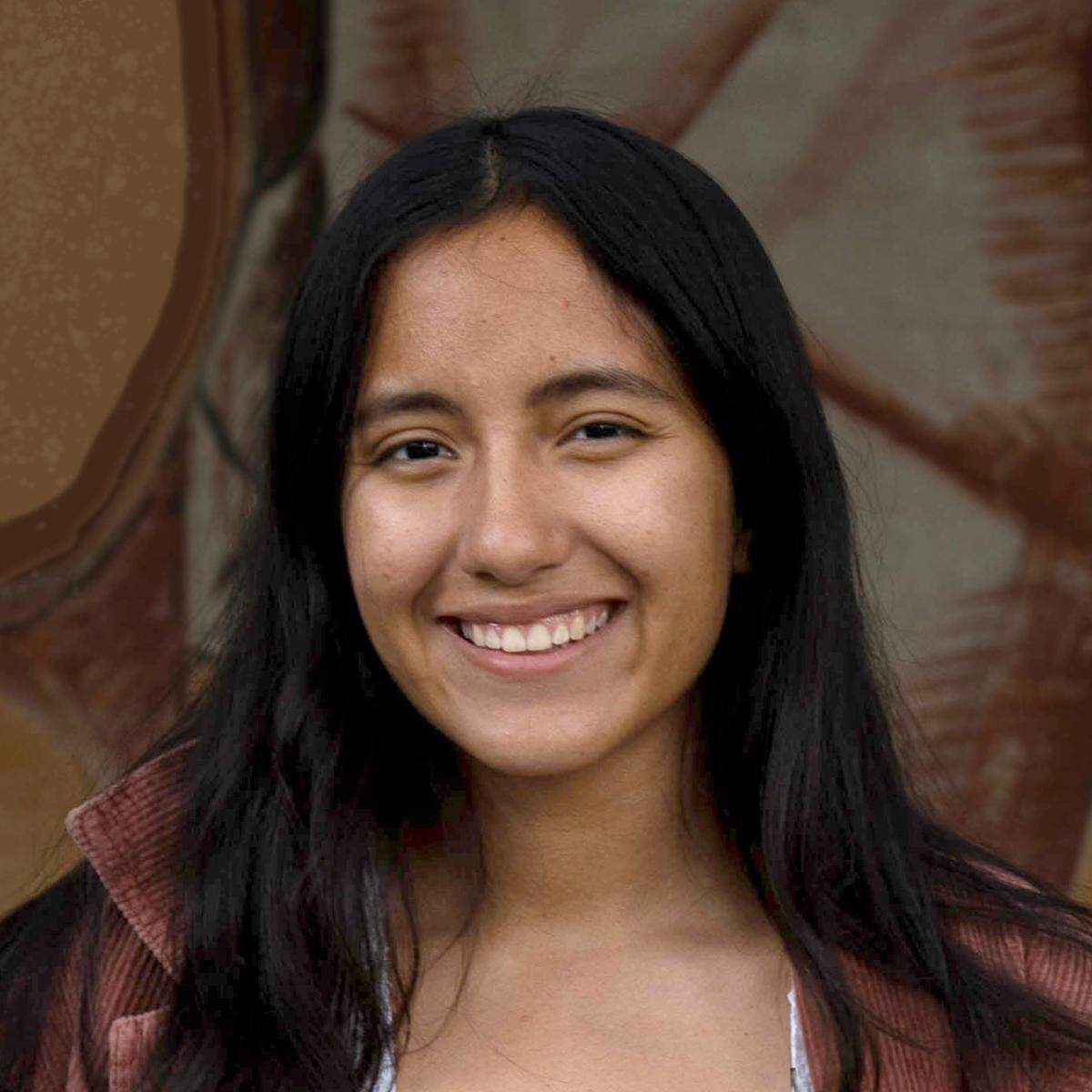
Lauren Londoño, a fourth-year nutrition science student at Cal Poly, said she is excited to join the program as a climate action fellow this fall.
Londoño hopes to be paired with Cal Poly’s facilities department, where she has worked as part of the Green Campus Team for the past year.
The team, according to Londoño, is made up of student interns who promote sustainability and plan events around conservation such as an annual energy divestment campaign.
“We’re hoping to work on campus engagement — just reviving that community to be passionate about sustainability and conservation and then on how they can make a difference or what they can do,” Londoño said.
Besides supporting the fellowship, the Initiative for Climate Leadership and Resilience hopes to eventually become an institute, Pearse said, in order to expand support for other sustainability endeavors that might require specialized knowledge from students, such as mechanical engineering or architecture.
This story was originally published July 15, 2022 at 5:00 AM.