Central Coast congressman aims to double federal student aid. ‘Pell needs dramatic overhaul’
College tuition might become more affordable for Cal Poly students with new proposed legislation by U.S. Congressman Salud Carbajal.
The update is set to expand the Pell Grant, increasing the money that low income students across the United States and California can receive from the government to fund their higher education studies.
Federal Pell Grants are awarded to undergraduate students “who display exceptional financial need and have not earned a bachelor’s, graduate, or professional degree,” according to the U.S. Office of Federal Student Aid.
“Pell needs a dramatic overhaul,” congressman says
In an event hosted at University of California, Santa Barbara on May 25, Carbajal announced a proposed update to the Degrees Not Debt Act, which had previously been introduced to increase the Pell Grant.
Now, his proposed legislation would double the maximum award to $13,800 a year.
This revised legislation would reduce the cost of studying in universities across the United States and California, including UCSB and Cal Poly, which are in Carbajal’s congressional district.
Carbajal represents California’s 24th district, which covers Santa Maria, Santa Barbara and San Luis Obispo.
In a press release issued by Carbajal’s office summarizing the announcement, Carbajal stressed the importance of ensuring Pell’s ability to cover the costs of a modern education, having relied on Pell himself to complete his degree.
“It’s unacceptable that the value of these programs have eroded in recent years,” Carbajal said in the release. “The numbers don’t lie: Pell needs a dramatic overhaul. That’s why I’ve renewed my push to double the maximum Pell Grant award to improve Pell’s ability to cover the costs of a modern education.”
Last year, American college students owed $1.75 trillion in student loans.
To Carbajal, the government’s current tools to prevent students from taking on debt aren’t keeping up with the costs of higher education, which is why he decided to propose doubling the current maximum Pell Grant award.
Students present when Carbajal announced his proposed updates to the Degrees Not Debt Act echoed the importance of making a college education more accessible to low income students.
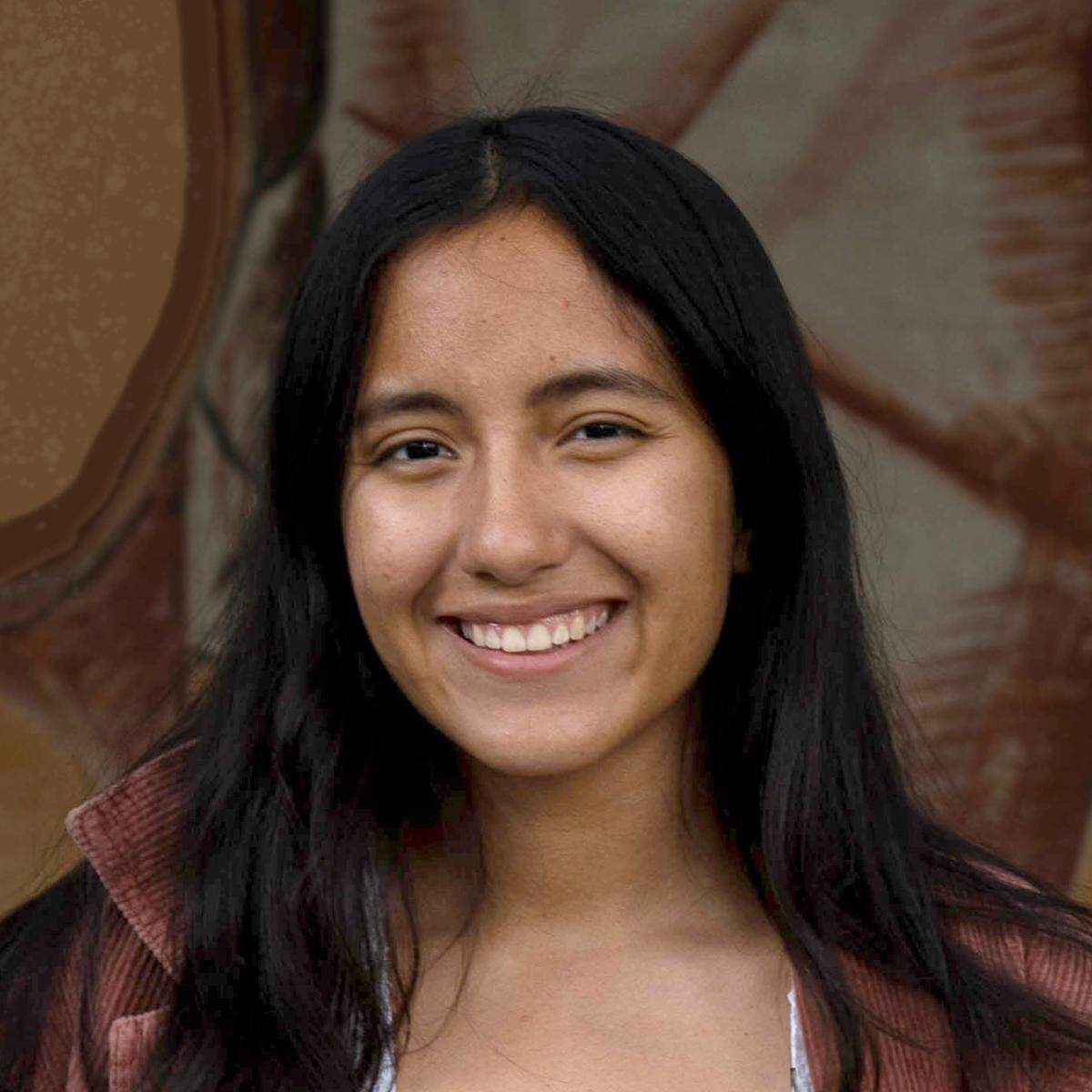
Sarah Steichen, a Pell Grant receiver and first generation college student at Cal Poly said although the Pell diminished her loans and worries, having been given a larger grant would have allowed her to spend next year solely prioritizing her career goals.
“College has become increasingly accessible thanks to various programs like the Pell Grant,” Steichen said in the release. “But there is still so much more work that can be done to make college education accessible to people across various socioeconomic backgrounds.”
The Degrees Not Debt Act is endorsed by universities across California, including the University of California system, the California State University system and Cuesta College.
How does Pell Grant impact Cal Poly students?
Currently, an undergraduate degree is still not affordable for many of the students who are awarded a Pell Grant, which can specifically impact low-income students who enroll and graduate from universities like Cal Poly.
The university generally has a higher yield rate for admitted students who were given a Pell Grant than for students who weren’t.
According to data gathered by The Tribune, for the 2021-22 school year, 33.4% of the Pell Grant recipients who were accepted to Cal Poly enrolled at the university. Meanwhile, the percentage of students without Pell Grants who enrolled at Cal Poly after their acceptance was 25.6%.
However, data collected by the California State University system shows that in previous years, students at Cal Poly who received a Pell Grant typically had lower graduation rates than those who didn’t.
In Fall 2017, which is the last year with full data on record, Cal Poly students without a Pell grant had a graduation rate of 62.2%, while students who did receive a Pell Grant had a graduation of 55.5%.
These graduation rates were even lower for Latino and Black students with Pell Grants, who had graduation rates of 44.7% and 35.7% respectively.
In previous years, data gathered by the U.S. Department of Education showed that most of the students awarded the maximum Pell Grant had a yearly family income under $30,000.
For the 2021-22 cycle, Cal Poly estimated its total cost of attendance for California residents living on or off campus to be $29,271. The current maximum Pell Grant that a student can be awarded is $6,895, meaning the grant covers at most less than one-fourth of the cost of attendance.
Without the help of additional scholarships, aid or loans, students granted the maximum Pell Grant still have to pay more than $22,000 to fund their studies, accommodation and food each year.
To the average recipient, this sum is often more than 70% of their families’ yearly income.