
Cal Poly, like other CSUs, relying more on part-time faculty
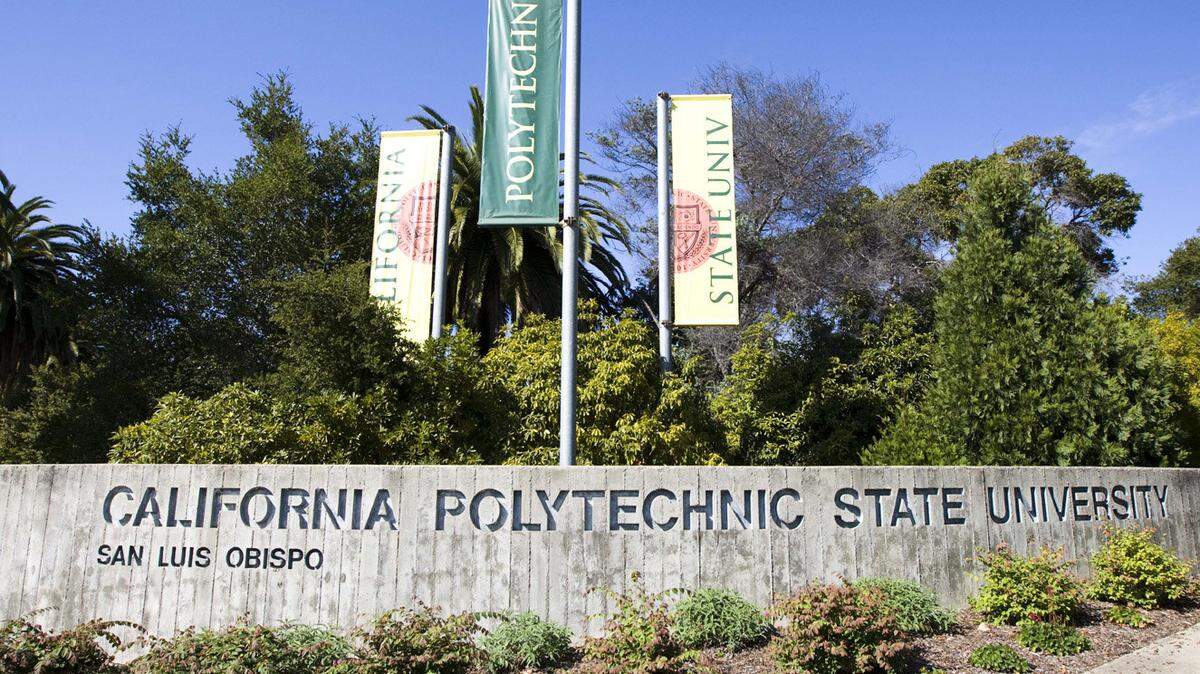
Like private-sector employers who turned to temporary workers during the recession, California State University relied on more part-time faculty than full-time professors last academic year as the 23-campus system looked to cut costs.
Students say the shift means they have fewer chances to meet with professors outside of class or get letters of recommendation. Part-time teachers say they have struggled to gain a foothold in the academic world, while tenure-track professors have to advise more students and serve on additional committees.
“I’ve had (part-time) faculty complain to me that they have to meet students in big closets,” said Ted Scott-Femenella, 62, who teaches social work part-time at California State University, Sacramento. “They have to meet students in the classroom or between classes. Catch as catch can.”
At Cal Poly, past faculty union president and current board member Rich Saenz said that he believes part-time faculty members aren’t as able to be fully engaged in the campus structure — which makes it difficult for them to advise and mentor students outside of class.
“It’s easier for full-timers to hold office hours and provide informal mentoring,” Saenz said. “They’re the ones that tend to have research projects going on that students can get involved with.”
Cal Poly had 842 full-time faculty and 393 part-time faculty in the fall of 2009, compared with 843 full-time faculty and 464 part-time faculty in the fall of 2013, according to the latest count from the university’s “Fact Book” compilation of campus data.
Part-timers make up about 35 percent of Cal Poly’s faculty but more than half of the faculty across the entire CSU system.
Saenz said that the majority of the faculty in Cal Poly’s physics department, where he works, are full-timers, but that in some cases part-timers are needed to fill vacancies.
“Some of the part-timers at Cal Poly are retired faculty or those who would rather teach part-time, while others are looking to get full-time work,” Saenz said.
Cal Poly’s union has fought to limit the use of part-time teachers in favor of employing full-time faculty, with some success compared to bigger-city CSU campuses. But the use of lecturers, who may be full-time but earn less and have less job security than tenure-track faculty, remains a point of debate.
Bumping up the number of tenure-track and full-time employees in general is a continual goal for faculty members.
“We’re always bugging them (Cal Poly administrators) to push up the fraction of permanent employees,” Saenz said. “It’s better for the person doing the work, and in the long run better for the institution because the person will be more committed and more invested.”
Across the CSU system, 51 percent of faculty had part-time status in the 2013-14 school year. Sacramento State relied even more heavily on such staff — about 55 percent were part-timers last school year. At UC Davis, by comparison, 10 percent of the faculty is part-time.
CSU has not yet released its systemwide faculty numbers for the 2014-15 school year.
Officials at CSU and Sacramento State say the increase in part-time faculty is a response to state budget cuts in recent years that made university funding unstable. CSU officials said they needed more flexibility in hiring and scheduling since they were unsure about future funding levels.
Part-time faculty, unlike full-time tenure-track professors, can be hired each semester as needed and cost considerably less. They usually teach fewer classes, sometimes don’t have an office and often have multiple jobs. Most lecturers are hired on a semester-by-semester basis, meaning some don’t return to the campus, often by choice.
For years during the recession, CSU was just trying “to keep the lights on and the doors open,” said Michael Uhlenkamp, director of public affairs for the university system. CSU was “forced to rely on part-time lecturers to deal with the budget volatility,” as well as increases and decreases in enrollment, Uhlenkamp said. “It isn’t possible to do that with tenure-track faculty members.”
Now that the CSU system has climbed out of the recession, Uhlenkamp said, it will put an increased focus on improving student graduation rates. This means hiring more tenure-track staff to promote teacher-student relationships, improve the quality of teaching and allow more professors to participate in undergraduate research.
CSU has asked the state for an additional $269 million for its 2015-16 general fund, with $11 million for hiring tenure-track faculty, Uhlenkamp said. CSU already has increased the number of tenure-track faculty systemwide, hiring 750 this school year, and has plans to hire another 900 next school year, he said. The system loses 400 to 500 tenure-track faculty a year through attrition, mostly retirements.
Prince, Sacramento State’s vice provost, said the university is trying to expand its permanent hires. Sacramento State hired 50 tenure-track professors this school year and is seeking 37 more for next school year. That would be a net gain, as 26 tenure-track professors retired before the beginning of this school year and another 15 will retire before next school year, according to university officials.
“It’s a good start, rather than having attrition that isn’t replaced,” Prince said.
This story was originally published February 2, 2015 at 5:28 PM with the headline "Cal Poly, like other CSUs, relying more on part-time faculty."