
Attempt to ban book at SLO County school library denied by board
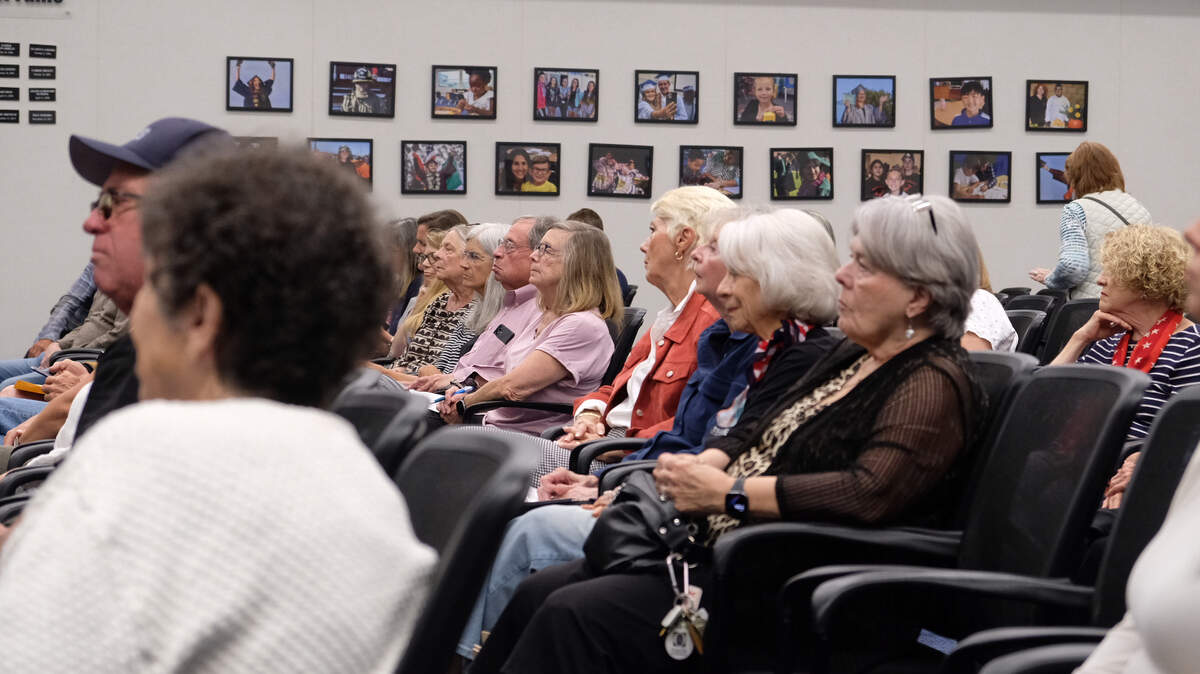
The Lucia Mar school board rejected an effort to ban a prize-winning author’s book from the Arroyo Grande High School library at a meeting on Thursday.
The novel “The Bluest Eye” by Toni Morrison will remain in the Arroyo Grande High School library — despite an effort to have it removed from the shelves due to sexual content and other concerns.
“The Bluest Eye” centers on a young Black girl and her experiences with internalized racism and cyclical abuse in post-Depression-era Ohio. The novel has seen book ban attempts in schools nationwide due to its discussions of incest, sexual abuse, racism and other concerns that the content is too mature for students.
Throughout her career, Morrison won both a Pulitzer Prize and the Nobel Prize in Literature, among other awards.
That nationwide debate hit San Luis Obispo County on Thursday night, as the Lucia Mar school board heard an appeal to remove the book from the library. This was the third attempt to remove a book from a district library this year. Two November attempts targeted “Gender Queer” by Maia Kobabe and “Push” by Sapphire, both of which were approved to stay in the library.
Thursday’s appeal was submitted by Jennie Merritte, who originally filed a request to have the book removed in March. A review committee comprised of district staff, parents and a student read the book and decided at a meeting on May 12 that it should remain in the library.
Merritte, however, was not satisfied with the committee’s decision.
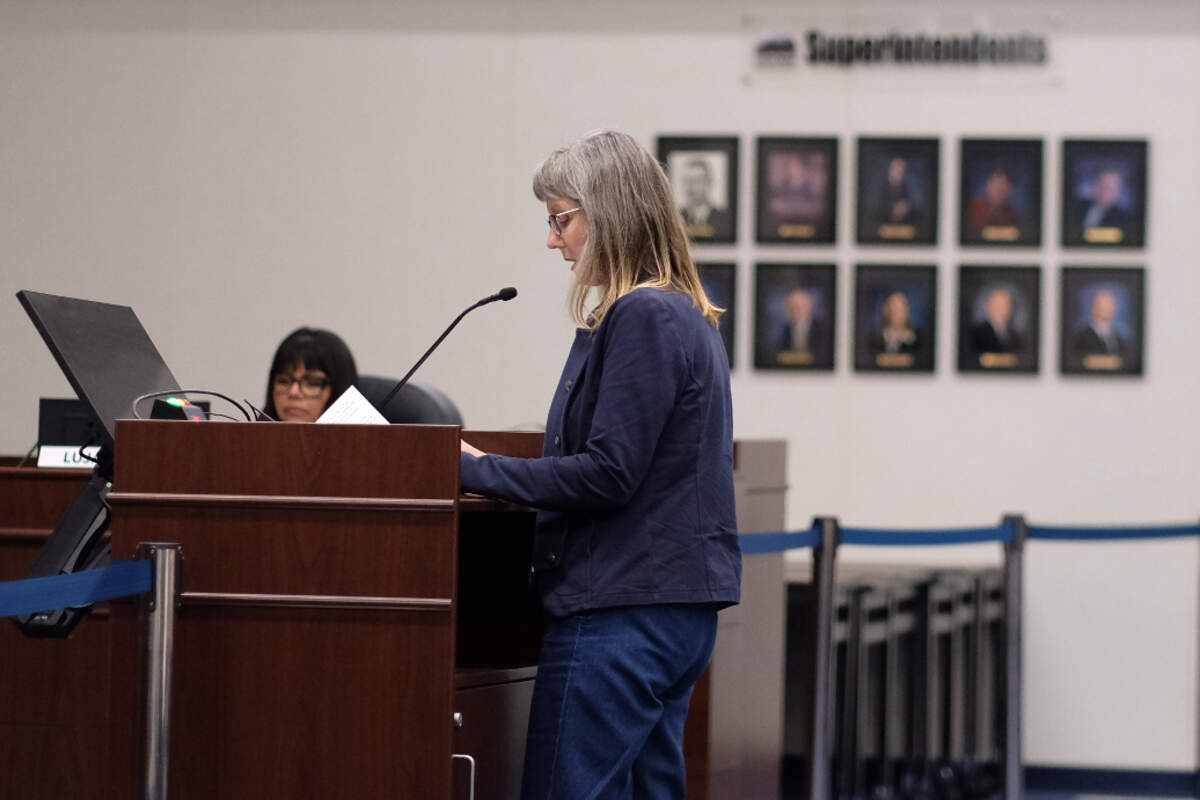
“I strongly contend that this book has a strong risk of perpetuating shame, self-hatred and destructive behavior while promoting generational sexual abuse and violence,” she told the board Thursday night during a 10-minute explanation of her appeal.
Arroyo Grande High School has one copy of the book, which was purchased in 2021, according to agenda documents.
It has never been checked out.
Why do some community members want book removed?
Merritte said she first borrowed the novel from a friend — and as she read it, she began experiencing physical and mental effects related to her own history with sexual abuse, which she suffered at 8 years old.
“I had to put the book down for several days, but began experiencing sleepless nights fraught with nightmares of the past,” she said. “The thought of picking the book up again made me want to vomit, but I felt compelled to finish the book in hopes that the ending would provide light at the end of a dark and troubling tunnel. It did not.”
In her original filing for review, Merritte specifically highlighted an incestuous rape passage in the book that she said spanned two pages, in addition to a passage in which the main character is encouraged to unknowingly poison a dog, as her biggest concerns.
Merritte said in the document that she would recommend the book for ages 25 and older, and she was concerned that the book would encourage students not to report abuse, and therefore promote “generational sexual abuse and violence.”
Merritte felt that the book could perpetuate racism and abuse among high school-aged audiences.
“Unguided exposure to intense trauma narratives involving sexual abuse can lead to anxiety, desensitization, distorted views of relationships or re-traumatization for vulnerable students,” she said. “This book provides no solutions, no hope, nor does it empower students to seek help and support should they identify with the serious things depicted in this story.”
Paul Masters, the main proponent of the November effort to remove “Gender Queer” from the library, also spoke at the meeting. He raised up photos from the graphic novel, which was not up for discussion Thursday night, and got testy when board president Don Stewart asked him to get on topic.
“Please don’t interrupt me, Don,” Masters responded, “because I have a minute-and-a-half and this is all relevant to tonight.”
During his comment, Masters made a threat to report the Stewart for interrupting him, and also took issue with the board’s decision to limit speaker time to two minutes instead of three, a common practice employed by boards when hot-button topics are up for lengthy discussions.
“If you do it again, I’m going to hold you up with the Brown Act,” he said, referring to public meeting law. “Because you are totally botching this meeting up.”
Masters also raised up photos of two unidentified girls — one smiling and one with a more grim expression — and said the photos represented what a child could look like “before indoctrinization” and after, to which Stewart once again asked Masters to make his point about the novel at hand.
“This is not right, guys,” he said, still holding up the photos of the girls. “This is not right, look at what we’re doing to our kids. Think about it long and hard.”
Other community members echoed similar thoughts, including local resident Randy Poorman, who described Morrison as “a sick individual.”
“What she writes is sick,” he said. He later added: “This book, ‘The Bluest Eye,’ is trash.”
Others advocate for Toni Morrison book to remain in school
Several people also spoke Thursday night in favor of keeping the novel in the library.
Arroyo Grande English teacher Nicholas Kennedy wore a T-shirt that read “Probably reading Toni Morrison” to the meeting. He reminded board members that the book in question is not required reading, and that students — and their parents — can choose whether or not they read it.
“I would much rather be at home reading a Toni Morrison novel right now rather than speaking in defense of one,” he said. “This is a really powerful piece of literature.”
He also countered the argument that the book would promote racism or abuse.
“Anyone who thinks that this book is endorsing sexual abuse or incestuous relationships, demonstrates that we have a really serious crisis of poor readers, and demonstrates the power of literature to open up minds,” he said.
Orion Schmidt, who recently graduated from Arroyo Grande High School as part of the Class of 2026, was the only teenager to speak during Thursday’s meeting.
While he hasn’t read “The Bluest Eye,” Schmidt said he did read “Beloved,” another Morrison novel.
“That book, I can confidently say, has made me a better human,” he said.
He also refuted the notion that teenagers wouldn’t be able to comprehend the narrative of the novel or similar stories.
“Banning this book is simply stopping more people my age in my situation from becoming better people and learning more about our fellow humans, something that I think we should not be advocating for,” he said. “So, please keep this book in our school library.”
Board members debate merit of challenged novel
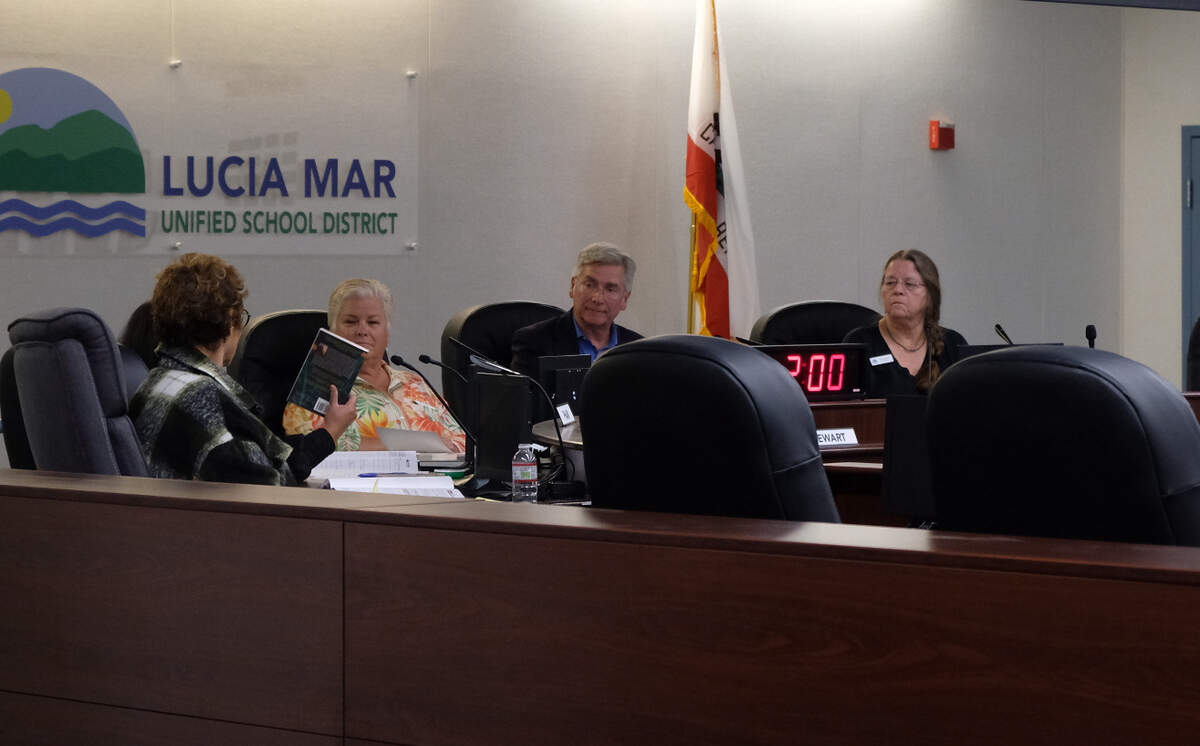
Board members were divided in their opinions about the novel — with trustees Mike Fuller and Eilene Pham primarily advocating for the book’s removal.
Fuller argued that the effort was not a book “ban,” because it would still be available in the public library — just not the high school library. He likened removing the book from the school as electing not to put it in elementary schools because it wouldn’t be age-appropriate.
Additionally, Fuller referenced the school’s “weeding” policy for its library, which allows librarians to periodically filter books out of the collection based on condition and use. Fuller said that because the book hadn’t been checked out in the 5 years it’s been in the collection, that it could be within the policy to remove it.
“Maybe our kids are telling us something that the adults don’t know,” he said.
Pham took issue with some of the syntax used in the novel, which she described as growing progressively worse throughout the book — but her comment drew sharp disagreement from board president Stewart.
“Well, we can’t be afraid of different cultures’ patois, and they way they speak, right?” Stewart responded. “That’s racism.”
Stewart said during the meeting that he first read the book in eighth grade.
“I was lucky that my parents trusted me and my judgment and weren’t afraid that I got exposed to different ideas and different stories and viewpoints,” he said. “So, I trust families to be able to make that for themselves.”
After a lengthy discussion, the board ultimately voted 5-2 to uphold the committee’s decision to keep the book in the library. Pham and Fuller cast the two dissenting votes.
Andrea Naemi-Vergne voted with the majority to keep the book in the collection, but mentioned she’d like to see some restrictions in the future. Naemi-Vergne previously voted in favor of removing books during the November debate.
.JPG)