SLO County kids struggled through a year of COVID learning. How did their grades turn out?
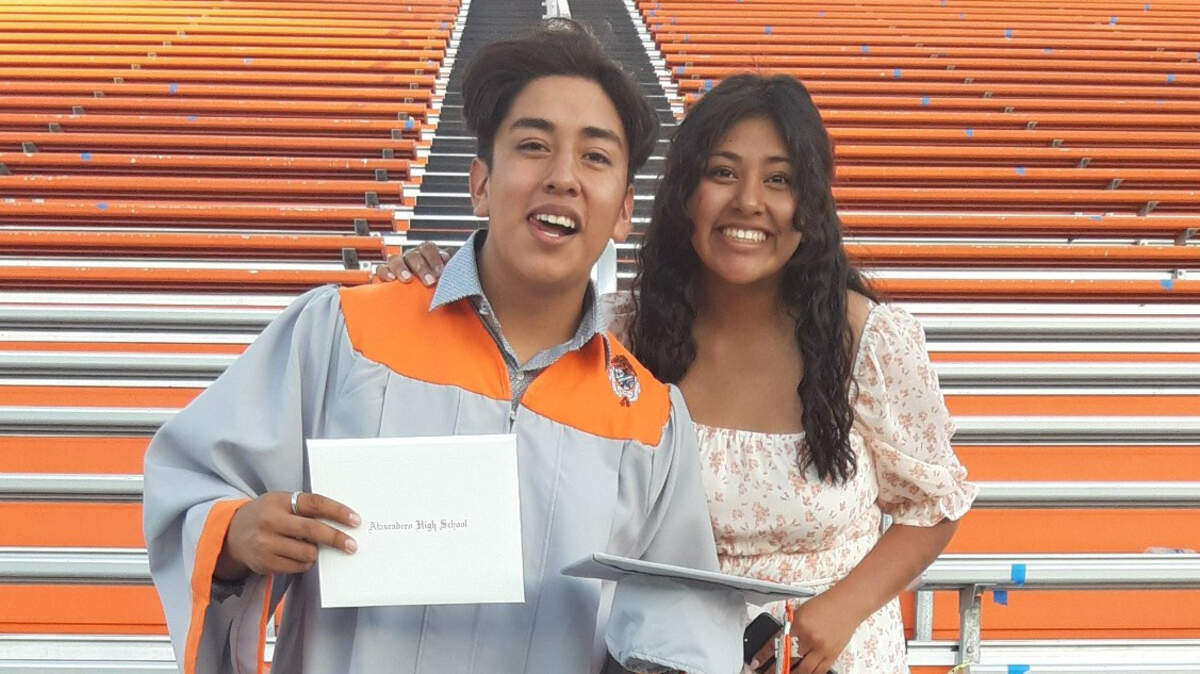
Jimmy Claudio knew he had to get his grades up.
The recent Atascadero High School graduate had normally been a good student — receiving solid marks in his classes — but this past year his grades suffered.
“I guess for the first semester, my school wasn’t my priority,” Claudio, 18, said.
When Claudio’s grandparents got COVID-19 in the fall, it was all hands on deck, and most of his family had to quarantine. Plus, he had to help take care of his little siblings while his mom worked two jobs.
The internet at the house wasn’t the best, so some days the family of six had to pile into the car and drive to the high school to try to get a better signal there.
Over the last semester of his high school career, Claudio worked hard — like really hard — to turn those grades around so he could graduate, go to college and then one day become a firefighter.
When Claudio was able to go back to school in person, he stayed at school all day, “turning in work like crazy,” he said.
“My mom quit one job, and she encouraged me to go back in person,” Claudio said. “She was like, ‘go get a morning routine. Like in the previous years: shower, get ready, walk to high school.’ And so I did. It was nice to kind of be alive again.”
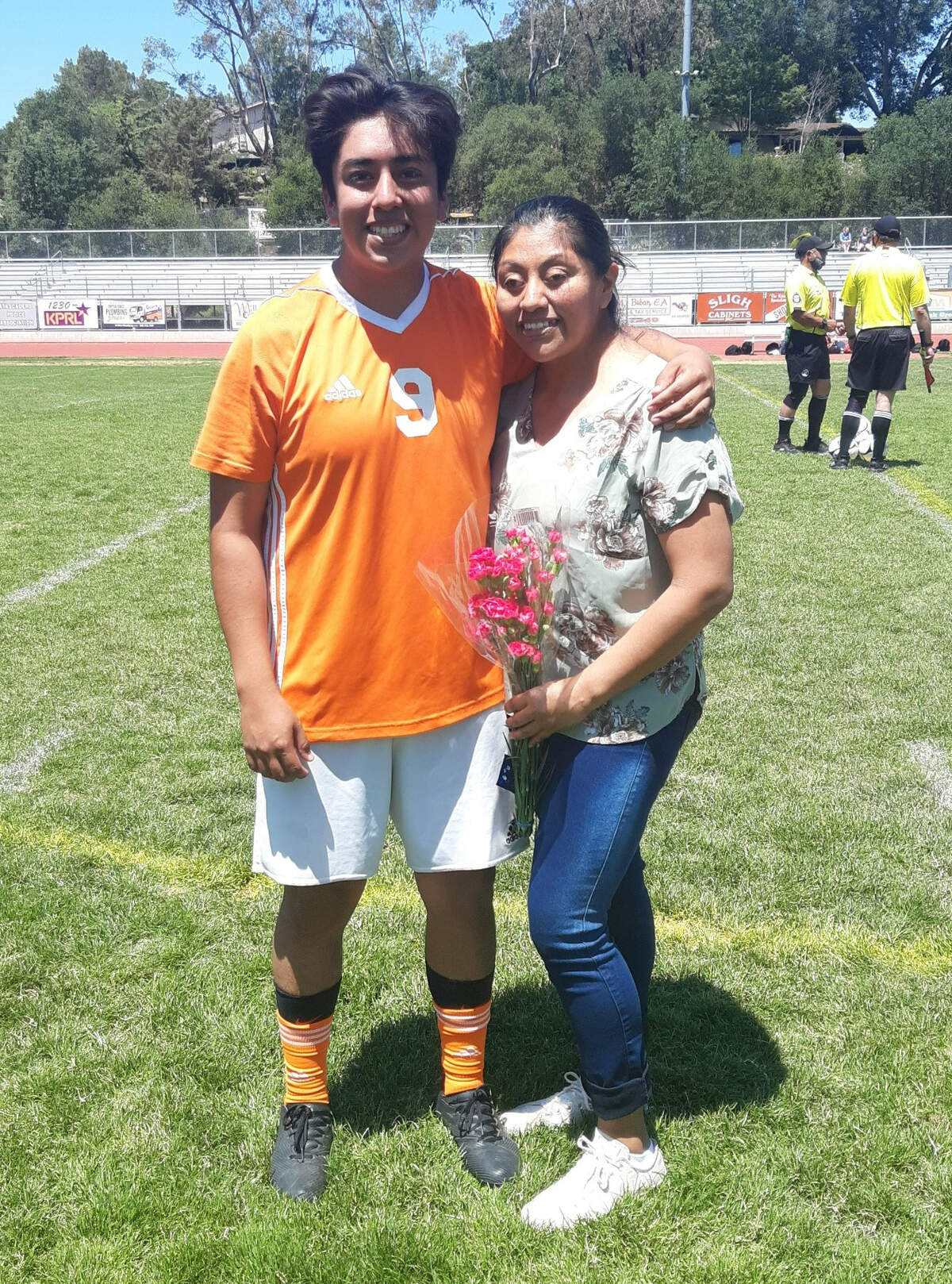
Claudio saw his grades improve, and he graduated in good standing in June.
His story isn’t entirely unique: Hundreds of San Luis Obispo County students — far more than usual, in most cases — struggled to maintain their grades over the past school year.
So when schools were allowed to open their doors again to students for in-person instruction after months of distance learning, administrators, teachers and students had to work overtime to get those grades up.
Of the four San Luis Obispo County school districts who responded to Tribune requests for grade data, three saw those efforts pay off as the number of students with at least one failing grade fell in the second semester.
Going into the year amid the pandemic, Lucia Mar Unified, San Luis Coastal Unified and Paso Robles Joint Unified school districts saw that number increase during the first semester compared to the first semester of 2019-20, while the Atascadero Unified School District did not.
But then, Lucia Mar, San Luis Coastal and Paso Robles all saw the number of students with at least one failing grade decrease over this past school year, while Atascadero saw that number rise.
San Luis Coastal had the most dramatic drop, with nearly 300 fewer students receiving a failing grade in the spring semester vs. fall.
School districts implemented ‘targeted interventions’ for failing students
It’s hard to tell why some district saw better results than others.
Hillery Dixon, Lucia Mar’s assistant superintendent of curriculum and instruction, mainly attributed the improvement in the grades at her district to the return to in-person school, along with the “very serious, targeted interventions.”
“We had identified some of those students who were in these failing situations at the end of the first semester or at the third-quarter grade mark to get them in with a focused small group or individual meetings with a teacher who could really help coach them through recovering and getting back on track,” she said.
But Lucia Mar wasn’t alone in these efforts. Each of the other local school districts carried out similar interventions to get kids to bring their grades up — some describing it as an “all hands on deck,” “full court press” effort to help these students.
Districts implemented extra after-school learning pods and invited struggling students to attend. They asked counselors and teachers to reach out to any student who had low grades to see if they could help. And most teachers extended grade deadlines for assignments so students had more time to complete them.
The Paso Robles district contracted with Paper, an online 24/7 tutoring company, to help students anytime they needed it.
All of the school districts put extra effort into adding or supplementing schedules so students could retake classes and potentially fix those bad grades on their transcripts.
And districts “honed in” their curricula — only focusing on what students really needed to know. This was done because when schools were allowed to reopen, they brought students back in a hybrid model — either with students coming into school every other day or for a few hours every day.
That meant teachers still were not getting enough face-to-face time with their students, so expectations are moderated.
“We focused on priority standards, so the key concepts, because teachers just didn’t have as much time in front of kids as they typically would,” said Erin Haley, the Paso Robles school district’s director of curriculum and instruction.
And the push to help kids catch up didn’t end with the close of the school year.
Each of the local school districts, with the help of an influx in COVID-19 recovery funds from the federal government, is holding robust summer school sessions to help students recover failed classes and boost their grade-point averages.
Normally scarcely attended summer schools are now full to the brim, with hundreds of students attending, district officials said.
Even with the interventions, added support programs and increased tutoring opportunities, officials noted that the onus is still largely on students to be motivated to get good grades, no matter the year or circumstances.
When grades drop, so does students’ mental health
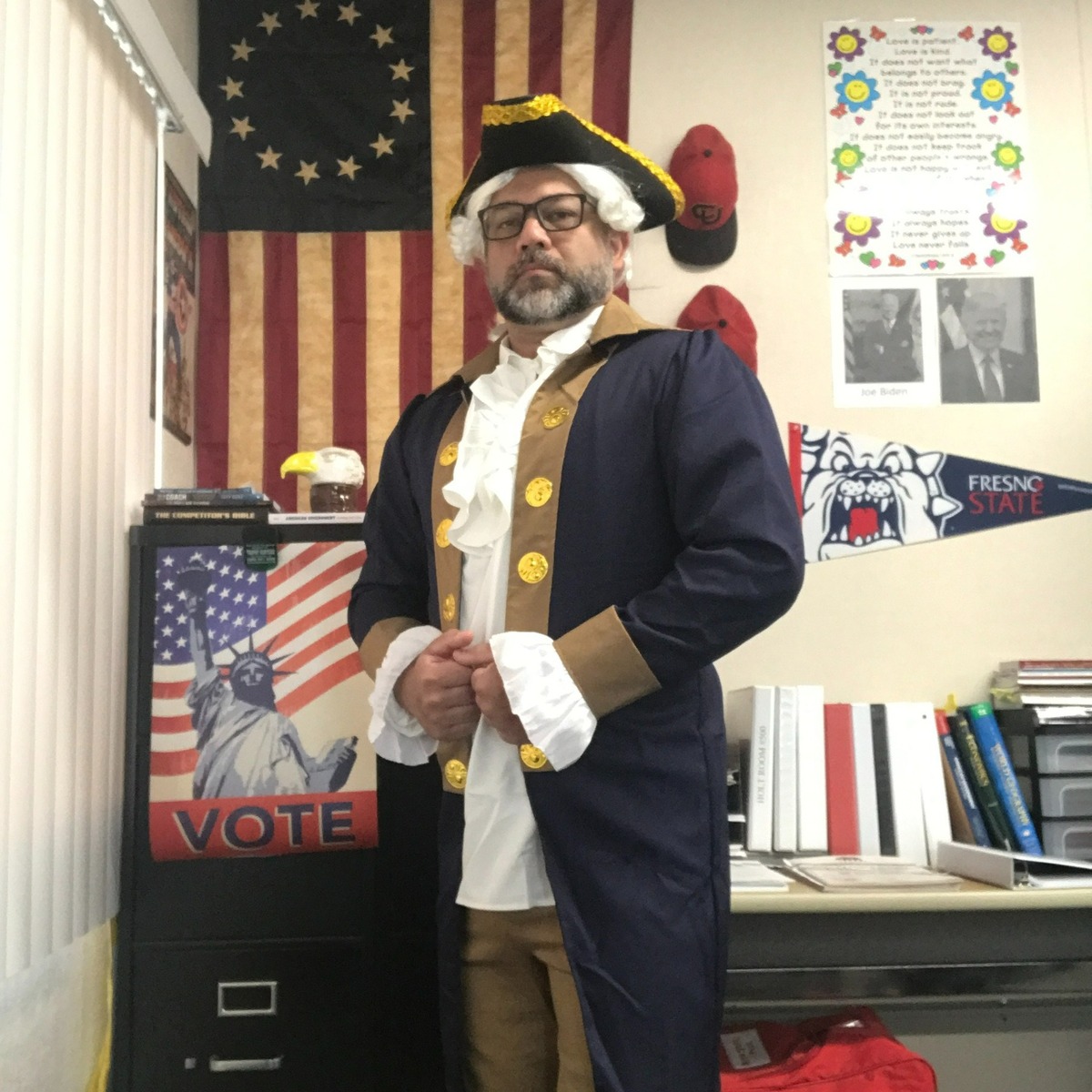
Thom Holt, a former social science teacher at Coast Union High School in Cambria, said he saw typically high-achieving students’ grades drop during the pandemic. So, he decided to look a bit deeper into what was happening.
By surveying local students and teachers, Holt, who recently started as a counselor at Lompoc Unified School District, found that the COVID-19 pandemic caused students trauma — the symptoms including feelings of increased stress, anxiety and being overwhelmed.
Holt’s study also found that when those typically high-achieving kids faced this trauma, both their grades and mental health deteriorated.
About 76% of the respondents to his survey said that they did not receive any support from their school for their social and emotional problems.
One student told Holt they wished their school would “be more understanding on how we feel overloaded,” while another said they needed “more teachers or adults that are approachable enough for someone to want to tell them what’s going on in their life.”
Holt said his findings were troubling.
“These students are usually overlooked because we think they can just get over it,” he said.
Priscilla Amador, Jimmy Claudio’s sister, said she struggled this past year because her difficulties in school compounded with the struggles in her personal life.
“School didn’t seem like my top priority based on what I was going through in my personal life,” she said. “And then with adding school, it just, I just had kind of like a mental drain where I didn’t want to do anything. Showing up to my classes wasn’t that important.”
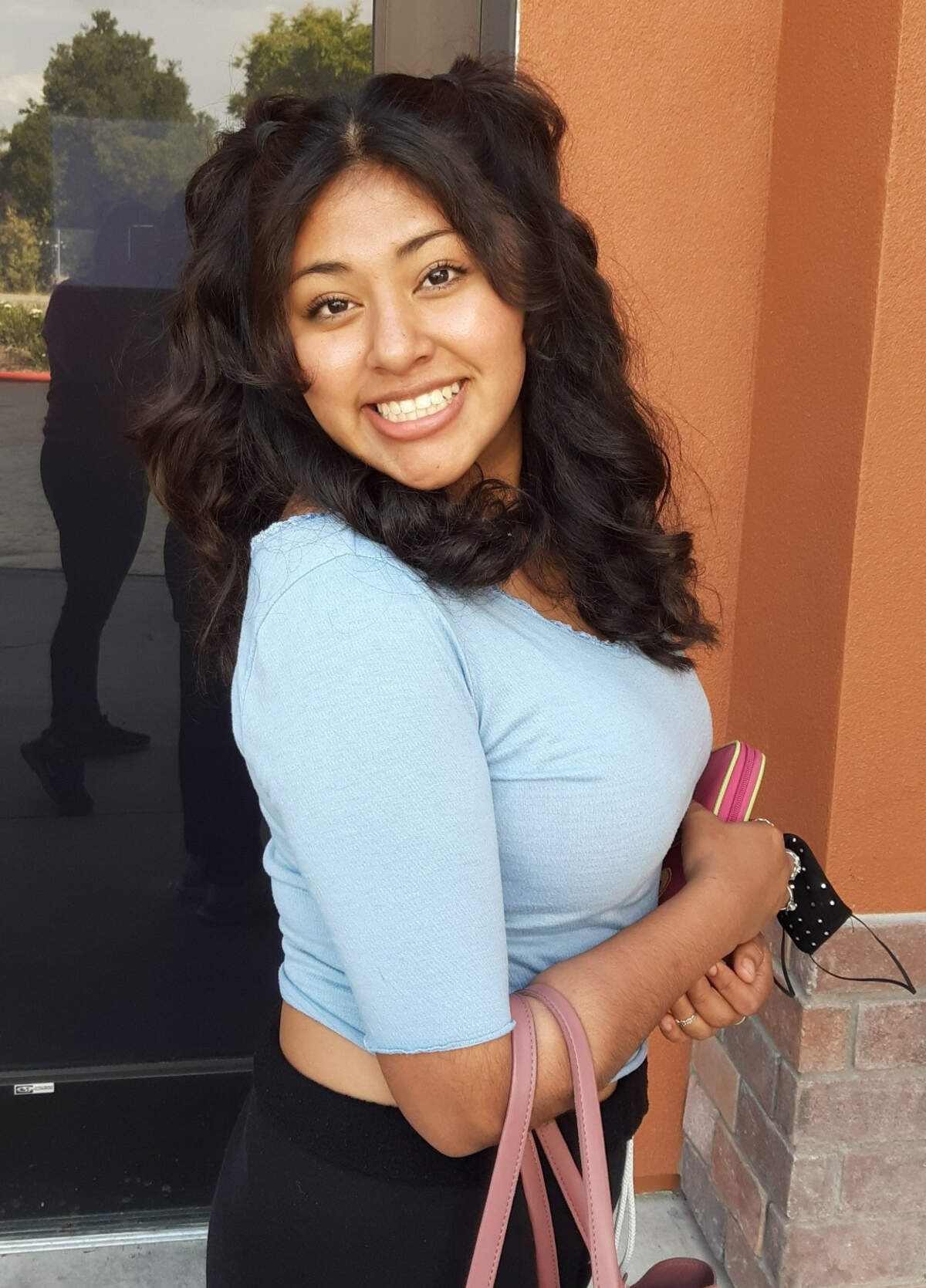
Amador, now a junior at Atascadero High School, said that her grades dropped during the first semester of the past school year, so, like her brother, she worked extra hard in the second semester to improve.
She said she met with her school counselor a few times when they returned to in-person classes. And that “mental drain” she felt during the first semester eased once she got back into the classroom and could see her teachers.
“It wasn’t just like you’re pressing a button and then joining a class,” Amador said. “You have to be there and be present.”
Amador said that seeing her grades improve during such a difficult school year made her feel better about what she could accomplish.
Impact on college applications
Now, many continuing high school students are looking at the bad grades they received in the last year and confronting a new source of stress: How will it affect their chances of getting into their dream college or university?
Hunter Wooldridge, a junior at Central Coast New Tech High School in Nipomo, said that the first semester was “extremely frustrating” because he saw his normally perfect marks dip to D’s and F’s in a few classes.
Then, although the transition back to school was “a little rough,” he said, he found he was able to connect better with his teachers and understand the content better — so his grades improved.
But he still ended each semester with less-than-ideal marks on his transcript, Wooldridge said.
“It’s just with the difficult mess of last year, which showed in all of our grades, some of the universities don’t really take anything into account besides grades,” he said.
Wooldridge said he hopes whatever college or university he applies to looks at what year his grades dipped — and takes note that it occurred while the COVID-19 pandemic was ravaging the San Luis Obispo County community and the world.
“If you look deeper into it, you can see that we were all trying. And we were all really retaining that information sometimes, but it didn’t reflect on our grades because of the grading system,” he said.
This story was originally published June 30, 2021 at 8:00 AM.