2 SLO County girls were murdered in 1980. A podcast is helping revive the case
Forty-five years ago, two kindergarten-aged girls disappeared in broad daylight from San Miguel’s main downtown street. Their bodies were found nearly two weeks later.
But their killer never was.
Now, a popular true crime podcast and a seasoned San Luis Obispo County detective are bringing new attention to the decades-old cold case.
The “Crime Junkie” podcast released an episode on Nov. 10 about the 1980 double murder of 5-year-old Teresa Flores and 4-year-old Martha Mezo. The San Luis Obispo County Sheriff’s Office posted about the episode — and the case that officially reopened in 2017 — on Facebook soon after.
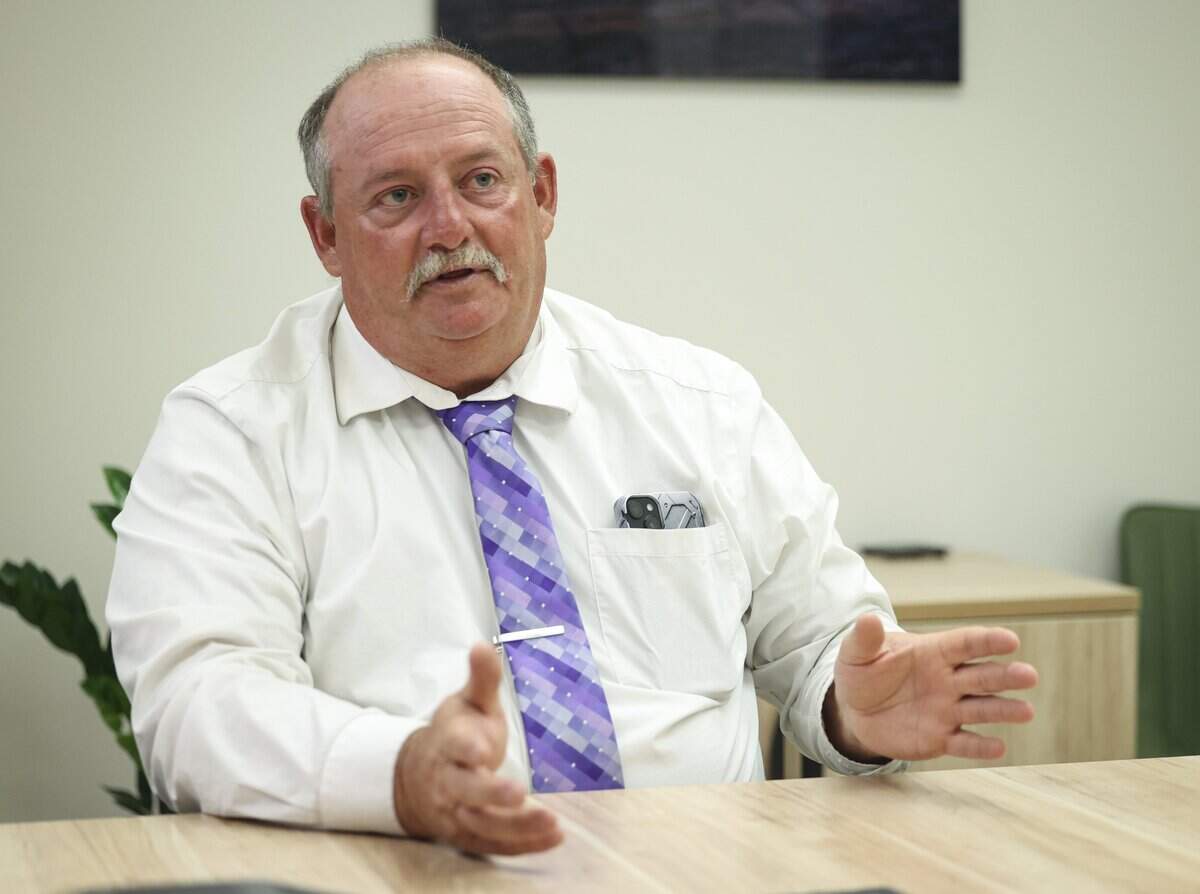
The podcast hosts walk listeners through the events of the girls’ disappearance and their interview with the lead detective, Clint Cole — who led the investigation on Kristin Smart’s murder case — about “his search for new clues and answers,” the Facebook post said.
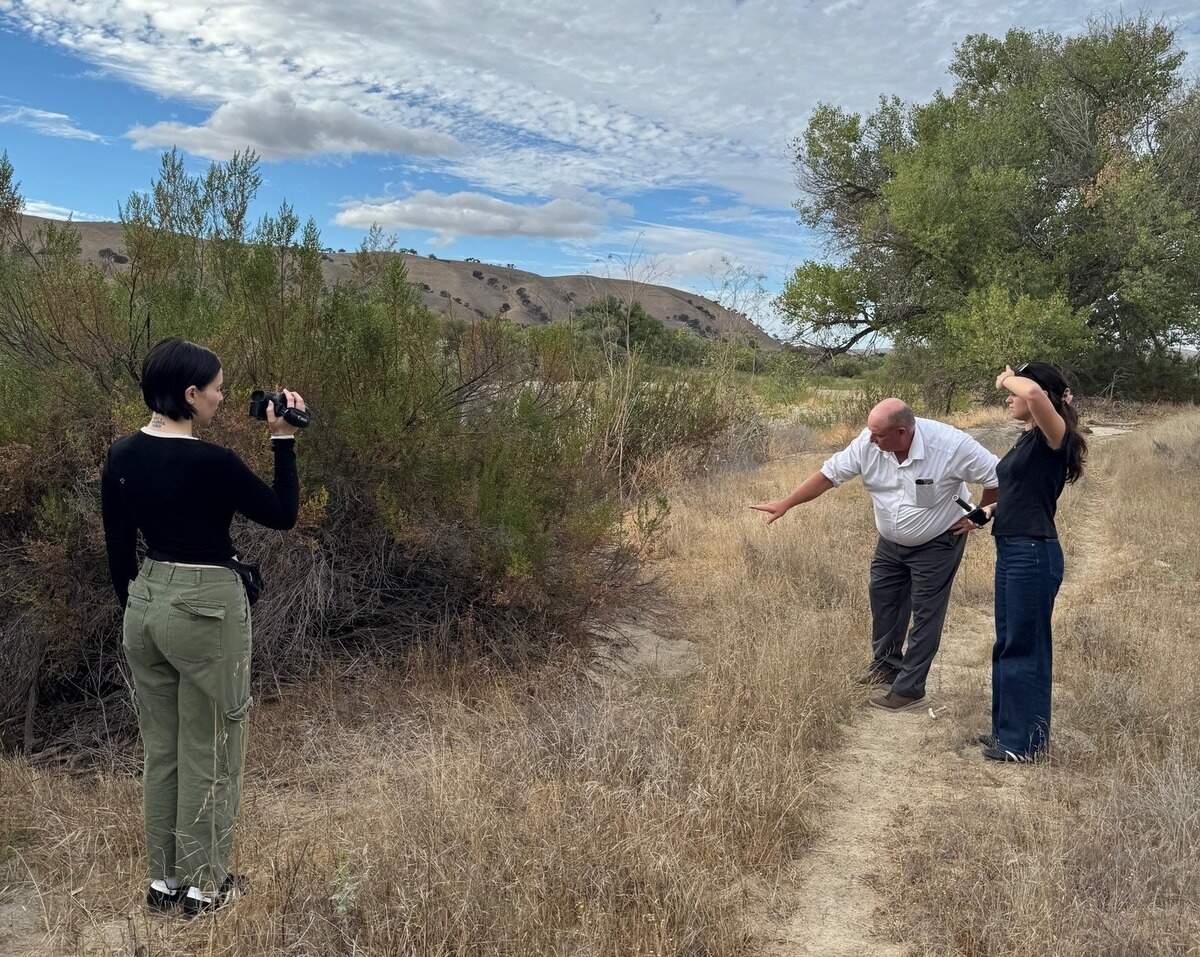
Cole retired March 10, 2023 — the day Paul Flores was sentenced for the murder of Kristin Smart — but was haunted by the other cold cases he left behind.
After a year of retirement, Cole reentered the force in June 2024, largely inspired by his resolve to finally bring justice to the families of Martha and Teresa.
“Somebody still alive knows something, somewhere,” Cole told The Tribune in an interview Tuesday. “This case is too popular. This happened in broad daylight. Somebody knows something.”
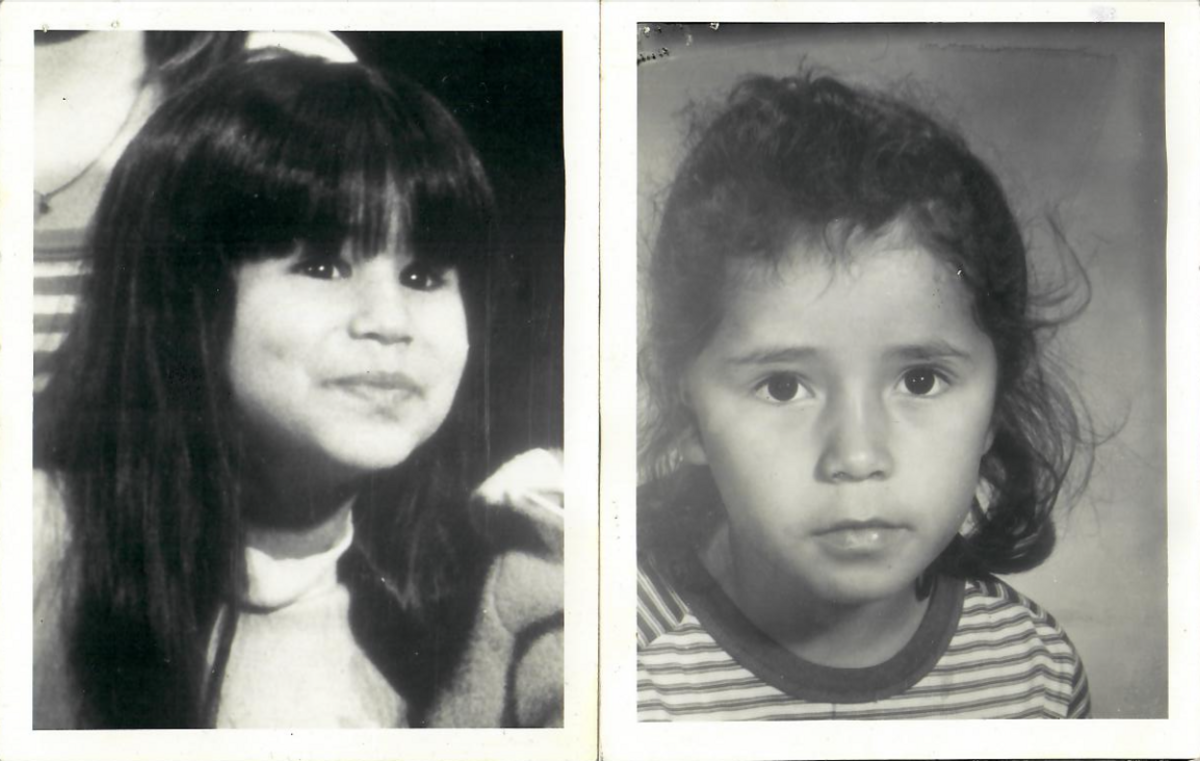
What happened to Martha Mezo and Teresa Flores?
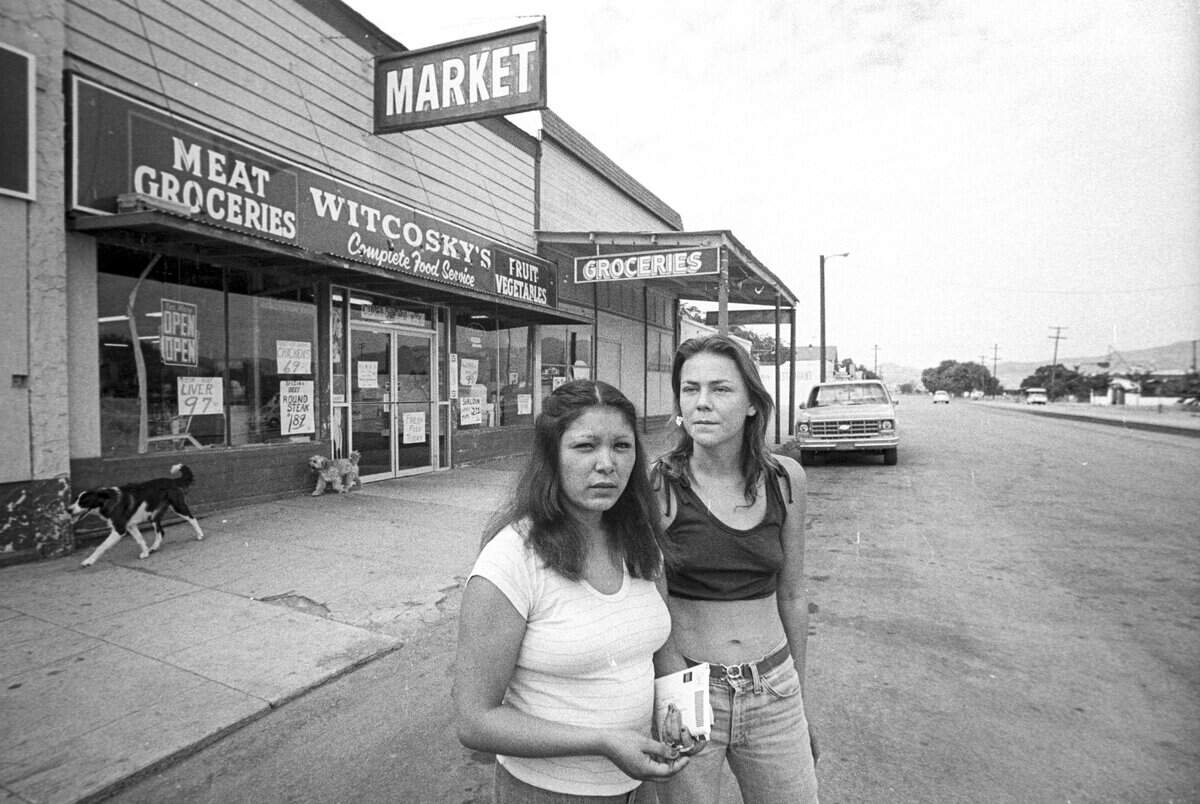
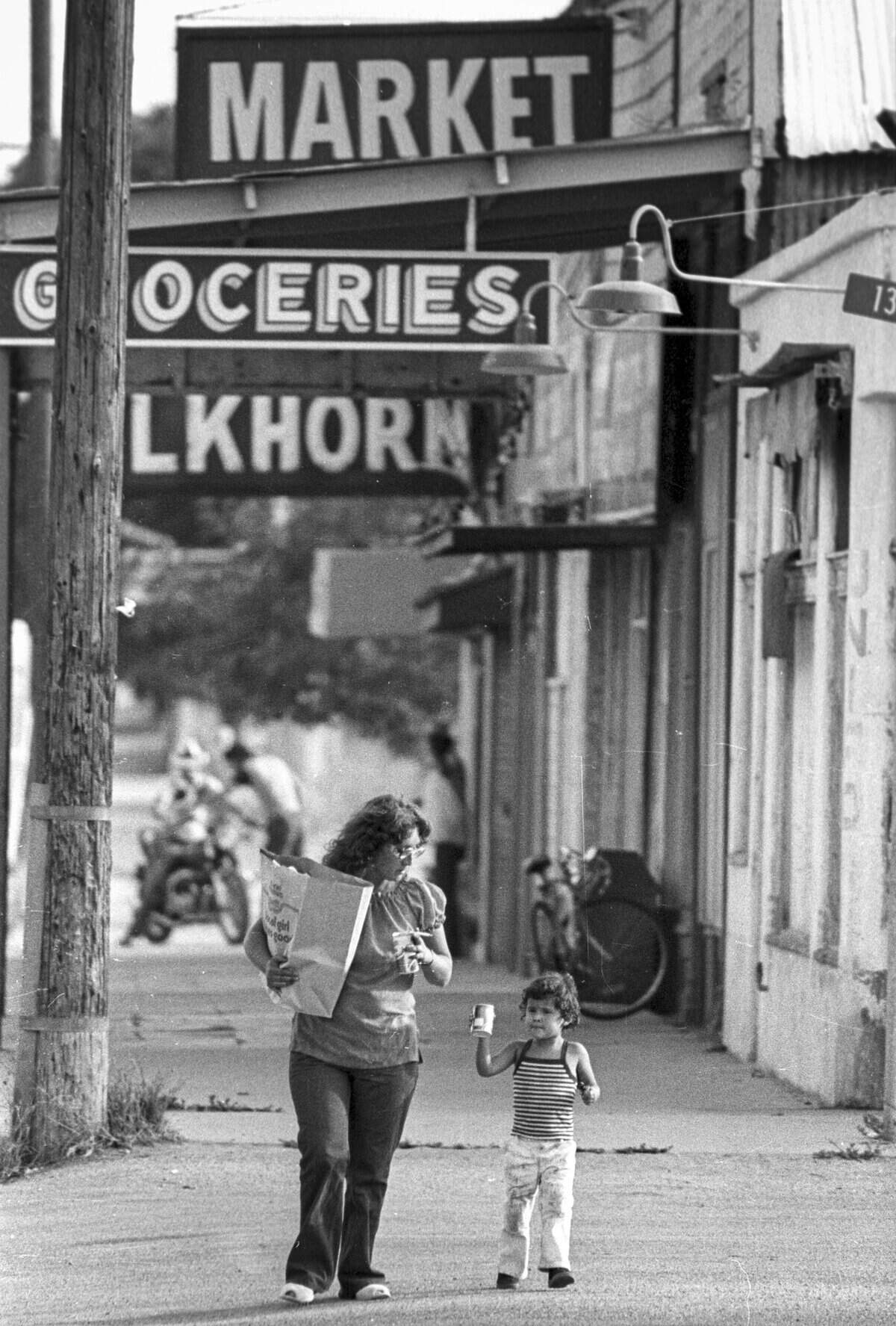
On May 17, 1980, around 11 a.m., Martha and Teresa were walking by themselves down San Miguel’s Mission Street on their way to Martha’s house — which was just a few blocks down the same street — after parting ways with Teresa’s aunt at the post office, Cole said.
After making two quick stops, one at Witcosky’s Market and then another for a soda at the Elkhorn Bar — a popular local hangout spot — the girls supposedly continued on their way, Cole said.
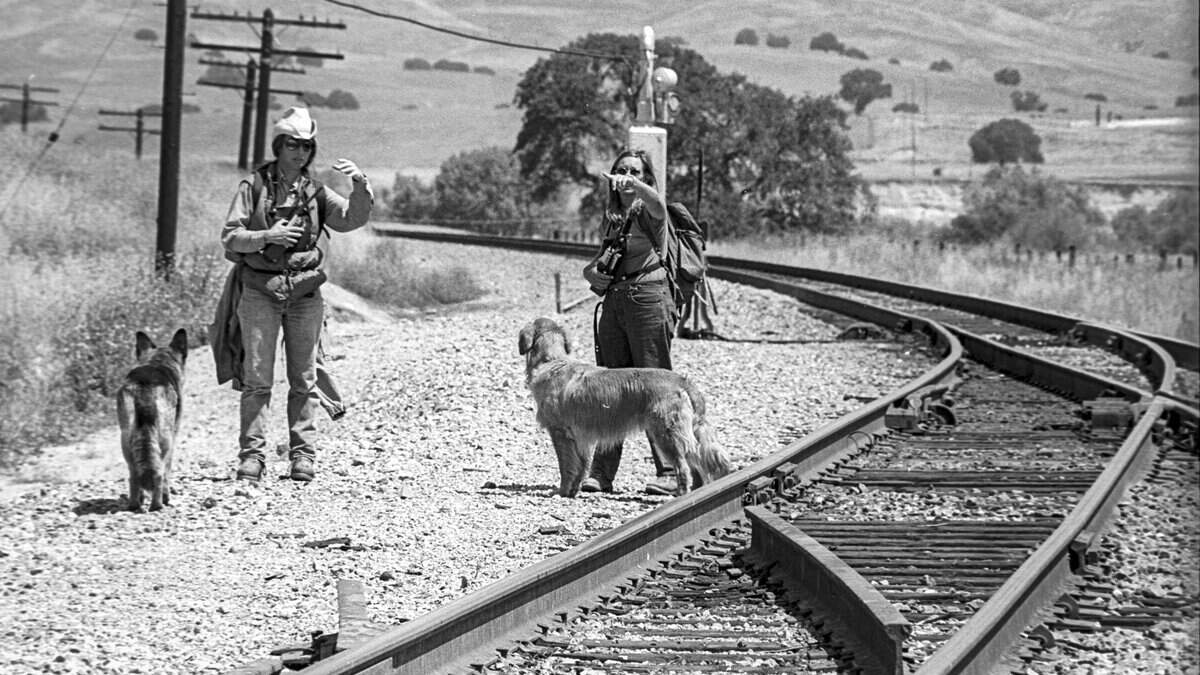
A good friend of the family claimed she saw them heading the other way toward Teresa’s house, across 11th Street and the railroad tracks, but by 11:30 a.m. the girls hadn’t shown up at either home, he said.
“This was a whodunit,” Cole said. “There was eyewitnesses up to a certain point, and then the girls just vanished.”
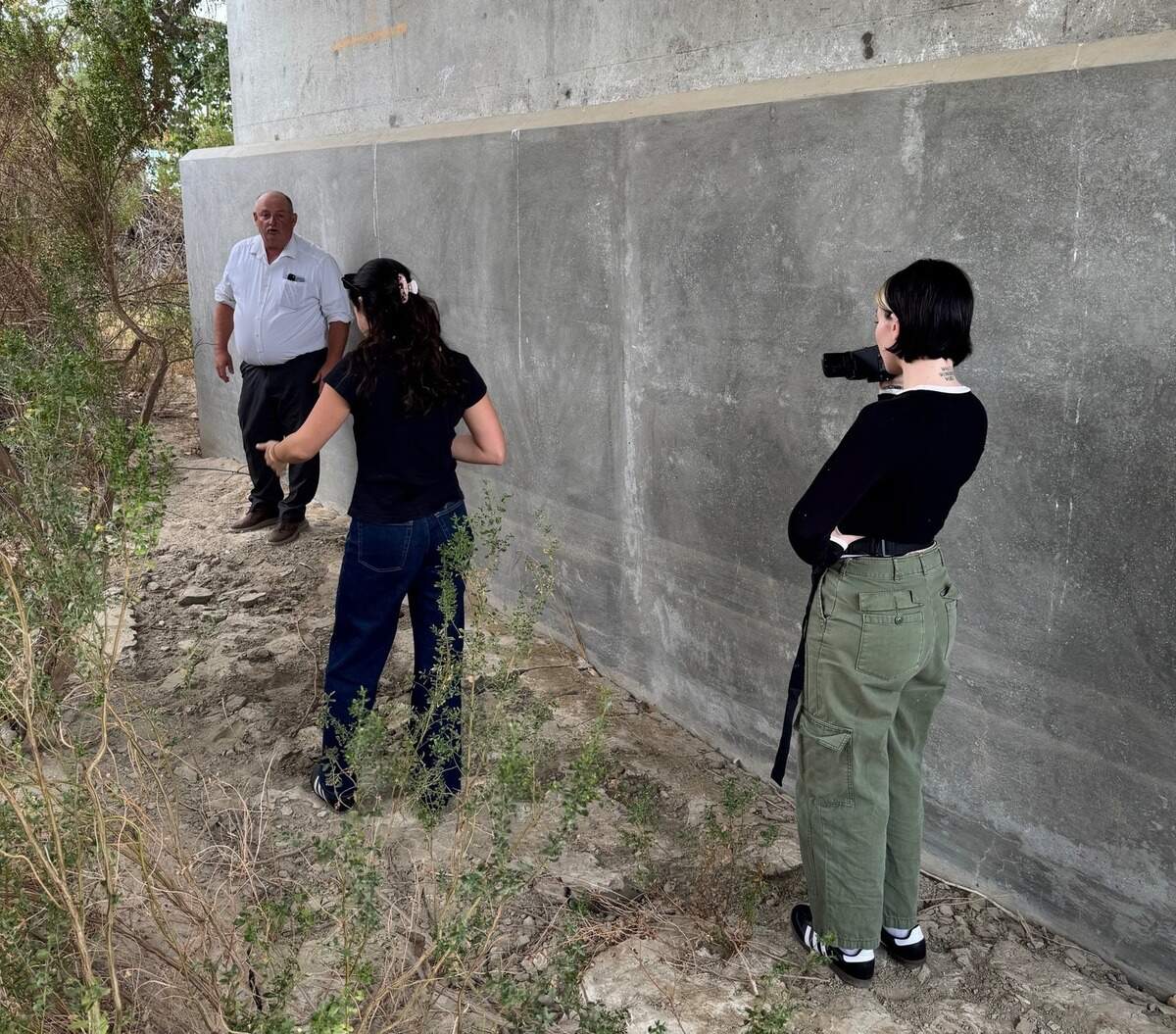
The girls’ families reported them missing later that day, and an extensive search of San Miguel and surrounding areas using cadaver dogs, 100 national guardsman and helicopters from Vandenberg Air Force Base followed, according to Tribune archives. Their bodies were discovered 12 days later, buried in shallow, surface level graves in the Salinas Riverbed seven miles north of San Miguel.
They were found unclothed with ligatures around their necks — a sign of strangulation — and a few other nearby items that were taken in for evidence, including the children’s clothes, a pair of adult underwear with semen on them and a bloody towel with hairs on it, Cole said. One girl suffered severed head trauma and one girl had been sexually assaulted.
Though the investigation produced many potential suspects — including a long list of local sex offenders and child predators — no arrests were made, and the case went cold in 1987.
At one point, according to Tribune archives, there was even a confession by a prolific murderer, but it was ultimately discredited.
Now, Cole is revisiting the case with fresh eyes, reviewing and collecting DNA samples from every original suspect who is still alive. He has also ordered new forensic testing on crime scene evidence collected nearly 50 years ago.
Since the podcast aired on Nov. 10, Cole said he has received more than a dozen new tips, including leads on new persons of interest or reasons to revive interest in old suspects.
“We’ve gotten a lot of leads,” Cole said. “We haven’t received a smoking gun, by any stretch.”
One new person of interest is a man named Guy — who Cole did not provide a last name for to protect the investigation — a convicted serial killer from Salinas who died in 2002.
Guy allegedly folded the clothes of his victims and placed them underneath their bodies — a curious detail to Cole given that Martha and Teresa’s clothes were found neatly folded near where they were buried.
Cole has also taken a renewed interest in one of the original persons of interest from 1980, Richard Benson, a serial child molester put on death row for the 1986 sexual assault, murder and arson of a mother and her three young children in Nipomo, Cole said.
The investigation into Benson for the Mezo-Flores murder was halted due to his death row conviction in 1987, and Benson died in custody in 2021.
“Right now, most people are still a suspect,” Cole said, but added that new forensic analysis of old evidence allowed him to clear between 15 and 20 people from his list.
Of the evidence collected at the crime scene in 1980, the underwear and hair both contained DNA evidence, but some of it hasn’t been useful until recently. The hair does not belong to either Martha or Teresa.
The semen sample on the underwear has been in CODIS, the FBI’s national criminal justice DNA database, since 2009. They’ve been able to exclude some suspects by cross-referencing the database, and because the semen sample is from someone of African American descent, while the hair sample is not, Cole said.
The hair sample, however, is not in CODIS due to a 20-year mix-up by the laboratory responsible for testing the original sample.
The lab — which neither the podcast nor Cole named — claimed to have returned the hair sample to the SLO County Sheriff’s Office in 2006, but detectives never received it. After years of pressing the lab to search its archives, the hair sample was found at the lab just four months ago.
The SLO County Sheriff’s Office sent the hair sample to a different lab in Santa Cruz that specializes in forensic hair analysis and received the results back just after the podcast aired, Cole said.
However, they still do not have the full DNA picture from the hair. Before losing the sample, the lab also cut the root off of the hair, which contains the specific type of Short Tandem Repeat DNA that can be uploaded into CODIS. Now, detectives only have a profile of mitochondrial DNA from the hair that cannot be entered into the database.
While it’s possible some of these mishaps could’ve derailed the investigation over the years, Cole said the main reason the case went cold was that there were just too many suspects diluting detectives’ attention back in the ’80s.
With the Kristin Smart case, Cole said, “there was always just one guy.”
“This case, there were lots of persons of interest,” he said.
That’s why Cole is now focusing on finding new witnesses to help narrow down the list.
“What we’re hoping will happen here is for witnesses to come forward,” he said.
As of right now, Cole has learned of but not yet made contact with two new potential witnesses who were with the girls at some point on the day they disappeared.
Another credible witness from the original investigation, who was at Teresa’s house that morning, was “adamant” that the girls walking were back to Teresa’s house on 11th Street across from the railroad tracks, not Martha’s house. If true, this could completely change the events of the day of their disappearance and significantly impact the investigation.
But there are other witnesses Cole is still trying to crack.
“There are a couple of witnesses we spoke to that we feel have not been honest with us, that we feel may be withholding information,” he said.
These witnesses may be motivated to lie out of fear of being implicated in the crime, but Cole said the statute of limitations has expired on all crimes except murder in this case, so no one who comes forward with information can be charged for other crimes at this point.
And no tip is too small, Cole said.
“I would just encourage anyone who has any information, don’t assume that it isn’t important,” he said. “Let us determine what’s important.”
Anyone with information is encouraged to contact the SLO County Sheriff’s Office Detective Division at 805-781-4500 or Cole directly by calling 805-781-4940 or emailing ccole@co.slo.ca.us.
“Our goal is to solve this case, and I feel like we can,” Cole said. “I think we’re close. We just need one little break.”
Can podcasts help police solve crimes?
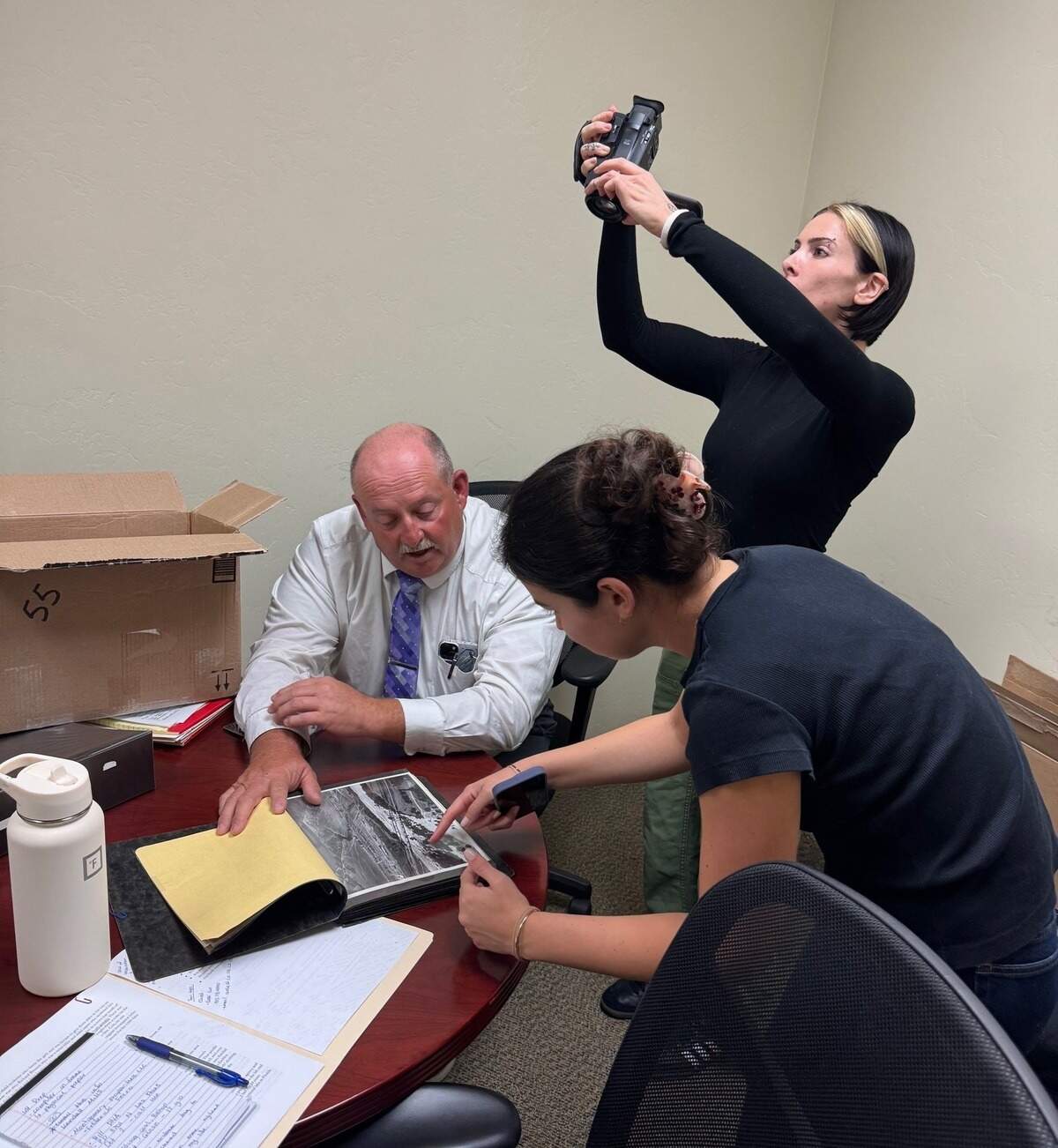
Cole was the one to reach out to the “Crime Junkies” podcast with the idea to make an episode on the case, he said.
“Podcasts can be beneficial on these older cases,” he said. “There are people still living in San Miguel that were living there in 1980 that have never come forward.”
Wihtin 24 hours of the podcast airing, Cole said eight new people had reached out with new information. Even just Tuesday morning, two new people popped up on Cole’s radar, he said.
“These podcasts can get people talking,” he said. But, “it can also, on occasion, be too much.”
“Too much public scrutiny, especially when it’s not focused in the right direction, can sometimes get in the way a little,” he added.
This had become an issue for Cole during the Kristin Smart investigation, when the popular “Your Own Backyard” podcast by Chris Lambert stirred up immense public interest in the case — and at times public scrutiny of the Sheriff’s Office’s investigation.
To no fault of Lambert, “the public went crazy,” doing things like protesting outside Paul Flores’ home, Cole said.
“I get that, but that’s not helping our case,” he said. “What did help our case, in the Smart case, was witnesses coming forward.”
GoFundMe supports victims’ families and keeps case alive
As the investigation continues, the families of the girls are also working to keep the case at the forefront of conversation.
In 2021, Teresa’s sister, Christina Perez, set up a GoFundMe for her and Martha’s families in an effort to raise $25,000 for a reward and $10,000 for a billboard to “keep this case alive,” the page said.
As of Wednesday afternoon, the GoFundMe had raised $6,177 of the $35,000 goal. It remained active.
“No donation is too small,” Perez said. “Please find it in your heart to donate anything at all.”