How much should Paul Flores pay Kristin Smart’s family? Restitution hearing begins
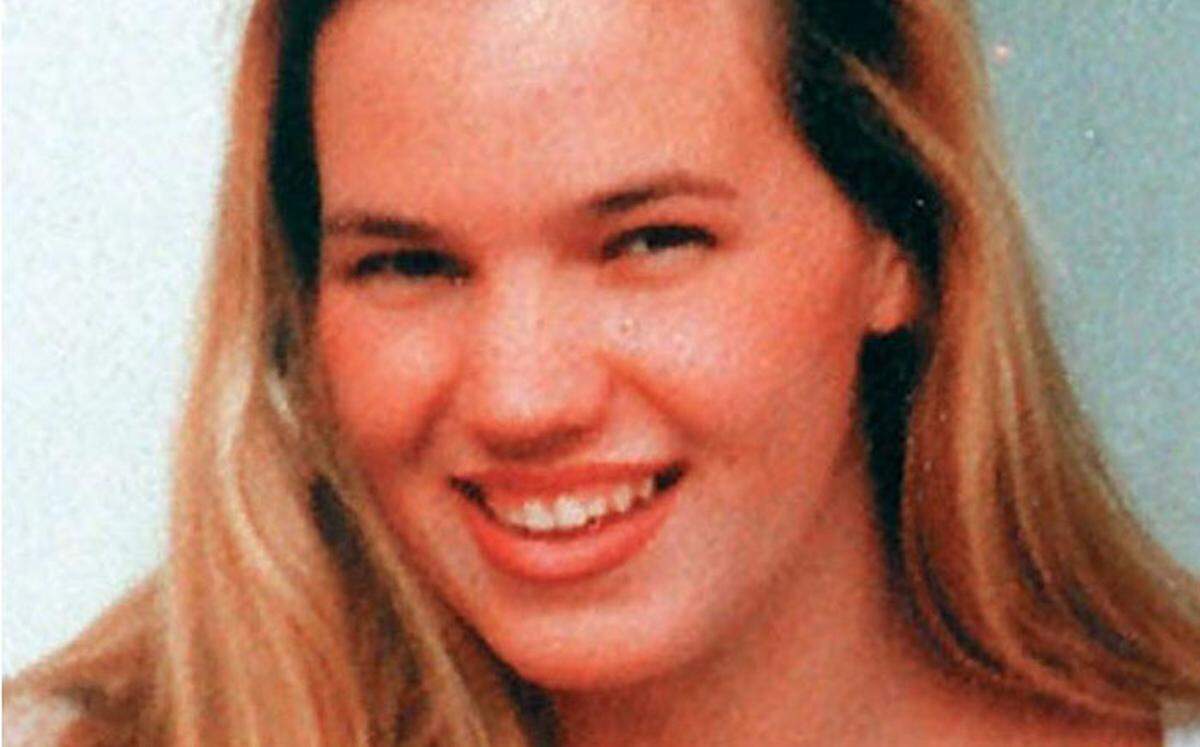
How do you quantify the financial impact of a murder after nearly three decades when you’ve already lost your 19-year-old daughter?
That’s what Kristin Smart’s parents and siblings were asked to do following Paul Flores’ conviction and 25-years-to-life sentence for killing Smart.
During a restitution hearing Wednesday, members of Smart’s family testified about itemized lists they were asked to compile covering expenses they’ve endured since Smart was murdered in 1996.
Restitution is a court order that requires those convicted of crimes to pay their victims compensation for the expenses they caused. It is a required part of the criminal court process in California, and it is ordered regardless of a defendant’s ability to pay.
The California Department of Corrections and Rehabilitation automatically collects 50% of prison wages and money deposited in convicts’ trust accounts in order to pay restitution until it’s is paid in full.
Incarcerated people can also make voluntary payments toward their restitution. If someone is released from prison and still owes restitution to their victims, the debt will be referred to the California Franchise Tax Board for collection.
“I’m struggling measuring our financial loss when the emotional toll is so great,” Denise Smart, Kristin’s mother, said in court.
Five family members requested roughly $361,000 in restitution for expenses related to Kristin’s disappearance, but all said their amounts were conservative estimates. The actual total was likely much more substantial, Denise said. No one told the family they would have to keep receipts when Kristin first went missing, so the documentation is limited.
Patrick Stewart, Kristin’s brother-in-law, said he helped estimate expenses for Kristin’s parents based on national averages for gas and hotels for each year.
“It’s demeaning to Kristin’s memory to measure our loss in finances,” Denise told The Tribune after the hearing. “Our loss is Kristin.”
She said the defense declined the family’s offer to drop restitution in exchange for information leading to Kristin’s body.
On Wednesday, Flores’ attorney Harold Mesick told The Tribune the defense did not know where Kristin’s remains were.
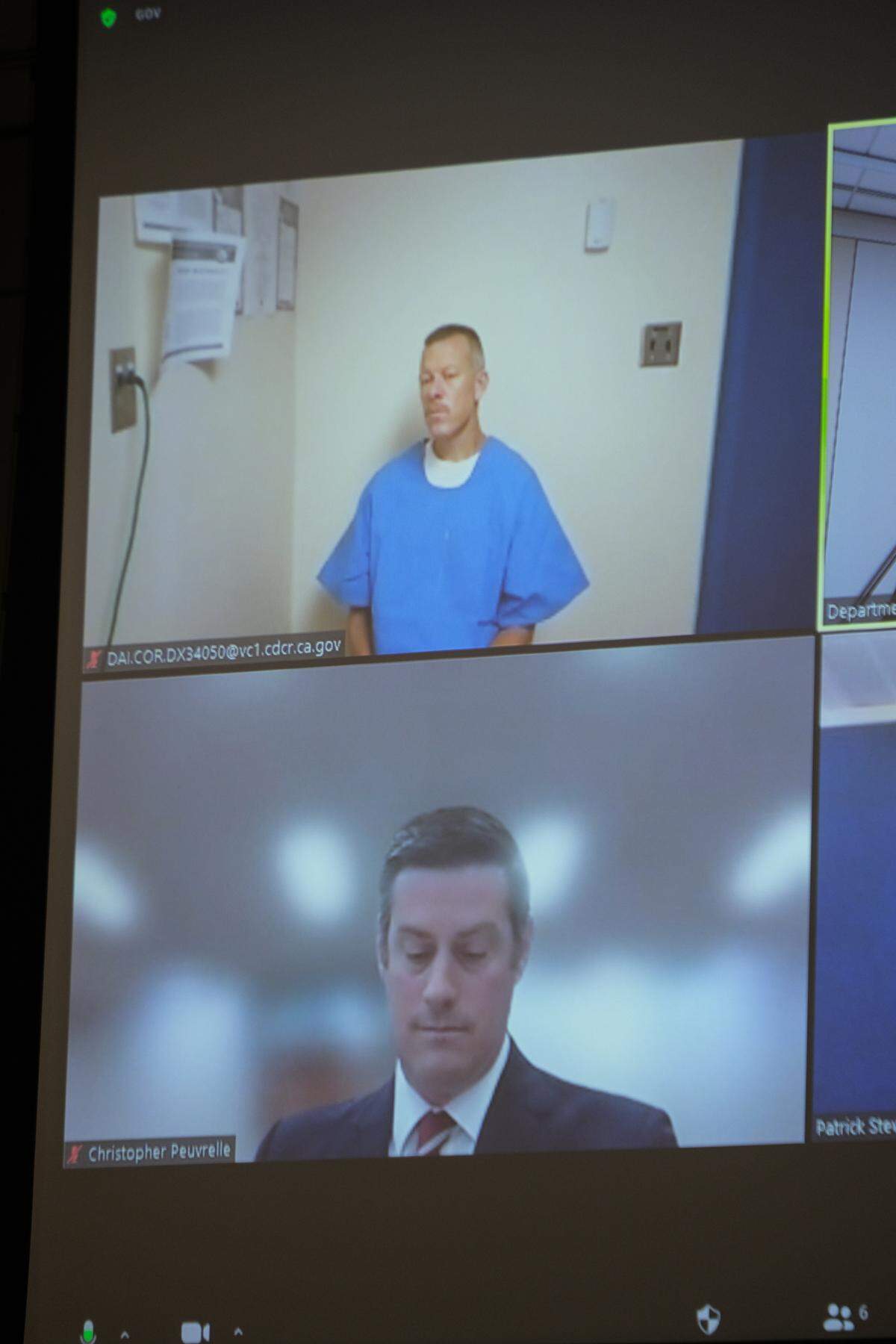
Defense questions wage loss of Kristin Smart family
The majority of expenses were related to travel and food the family paid for when they were searching for Kristin, putting pressure on investigators and attending the preliminary hearing and trial.
Between the preliminary hearing and trial, Denise told The Tribune, the Smart family spent 237 days away from home. That doesn’t include all the travel they’ve endured to aid in the near three-decades-long investigation.
Mesick questioned family members about whether specific transactions were directly related to the case. Several of his questions focused on reported wage loss.
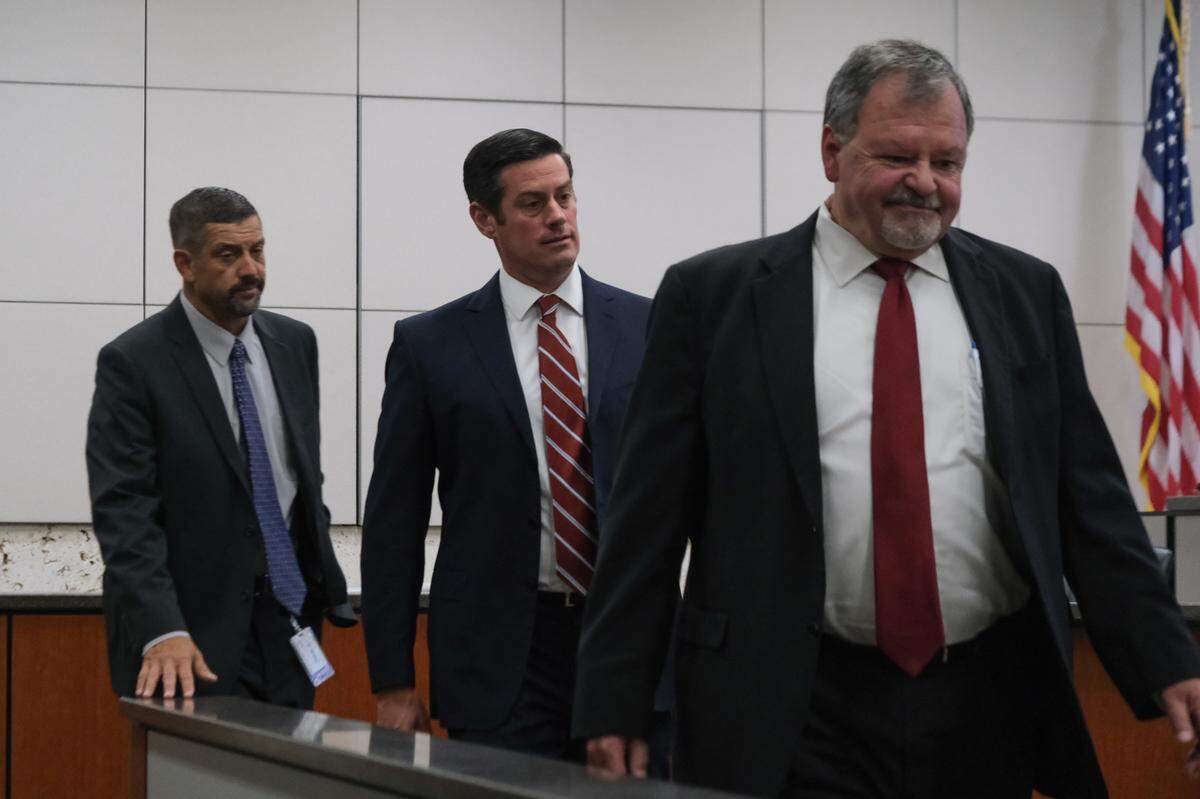
For example, he asked Stewart how a $2,454 charge at Dolphin Bay Resort in Shell Beach on May 27, 2021, was related to the case.
Stewart responded he was there with family to commemorate the 25th anniversary of Kristin’s death.
“But that was a voluntary trip to memorialize or commemorate Kristin?” Mesick asked.
“Yeah, it was 25 years after Paul killed her,” Stewart responded. “It was a hard time.”
Lindsey Smart Stewart, Kristin’s sister, reported $8,000 of lost wages related to the case, but Mesick argued her paycheck hadn’t been decreased because she used paid time off.
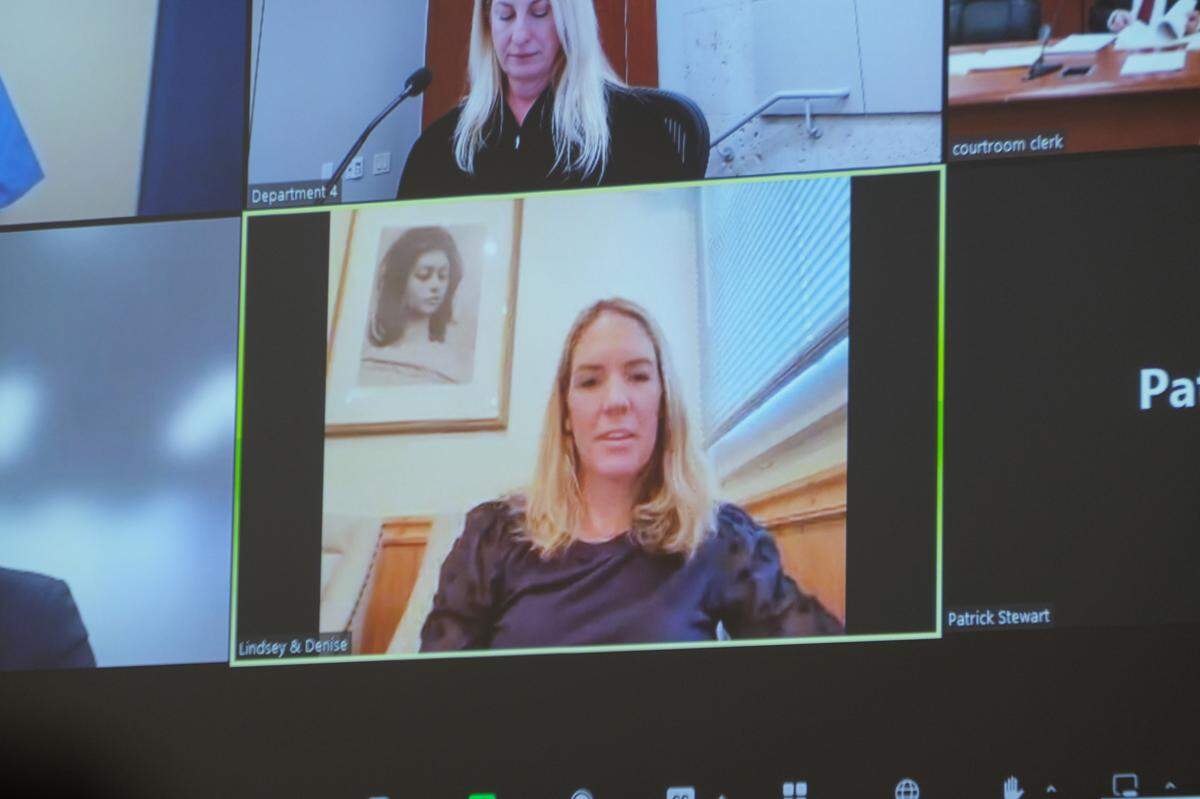
Lindsey responded that she could not get her paid time off back, and if she chooses to leave the company she currently works for, she would not receive compensation for those days had they been left over. She added that her paid time off is meant to be used for vacation.
“The last place I’d want to spend vacation is the place where was my sister was murdered,” she told Mesick. “I can never get those days back. It is lost.”
Matt Smart, Kristin’s brother, reported he lost $11,000 in bonuses from his work in sales, adding that he also lost commission. He is typically a high performer, he said, but could not spend time with customers while he was in the courtroom. Matt also reported he incurred nearly $19,000 of wage loss to attend court.
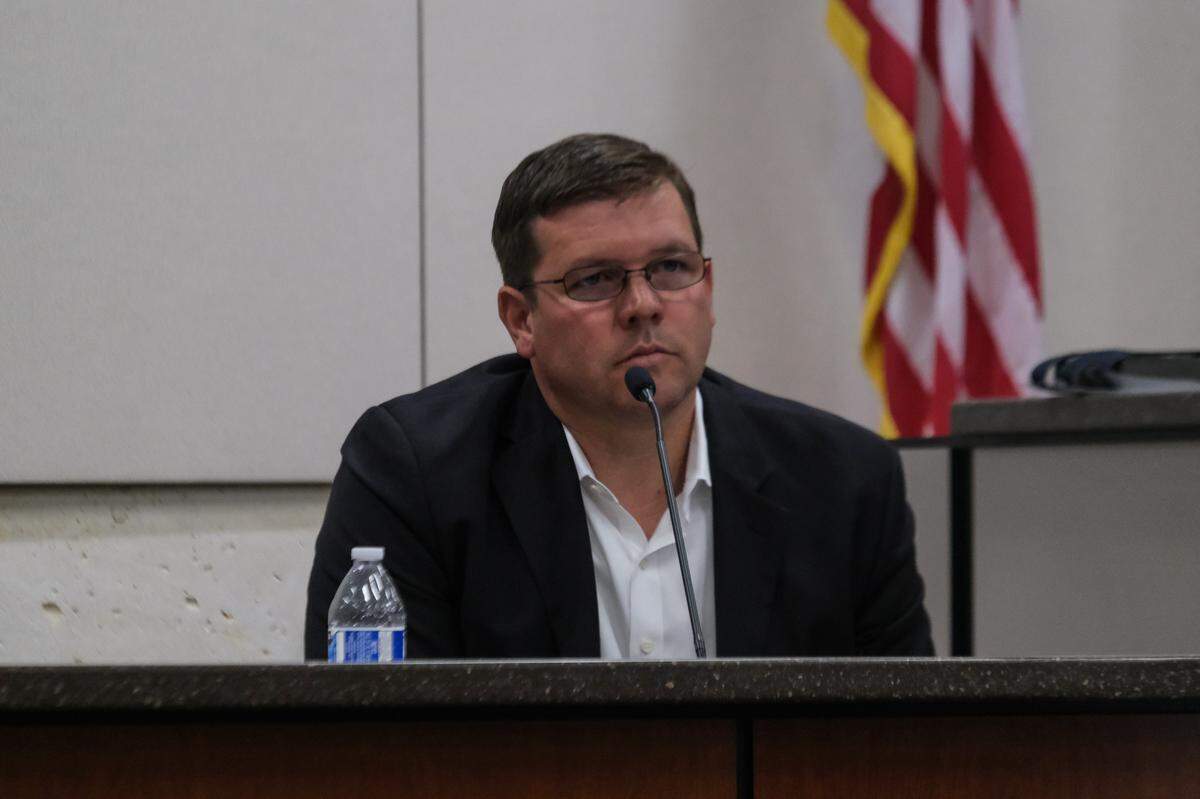
Mesick had similar questions for Matt as he did Lindsey regarding wage loss and paid time off.
Matt said he was not in the courtroom by choice, and the greatest loss of all is the loss of his sister.
Denise reported $36,000 in lost wages, adding that she was too distraught to work for about a year after Kristin first went missing and then had to quit her job and retire in 2020 to attend the preliminary hearing and trial.
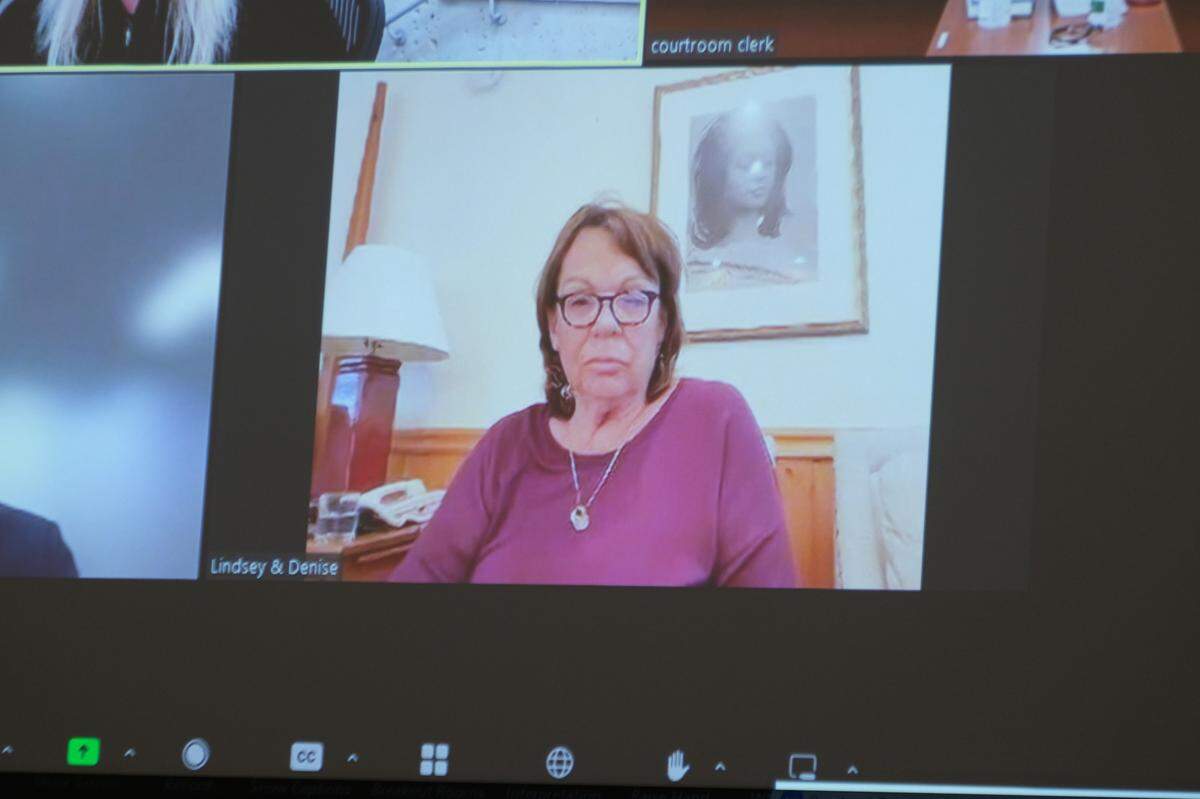
“I’m very sorry your client is concerned about 28 years of expenses,” Denise said. “Trust me, no one is more anguished about 28 years of expenses than our family.”
Stan Smart, Kristin’s father, said much of his expenses — about $150,000 over 28 years — were incurred because of his travel for the case. He searched for Kristin himself several times over the years, and continued to meet with law enforcement. Then, he said, he had to travel to court two summers in a row for the preliminary hearing and trial.

He said he was always frustrated that there was no progress in the case.
“So many trips down here, and it’s had toll on our family,” Stan told Mesick. “My wife has changed, our children have changed and I think I’ve changed underneath, too. It’s not a normal situation.”
“As a father and a grandfather, I feel for you,” Mesick responded.
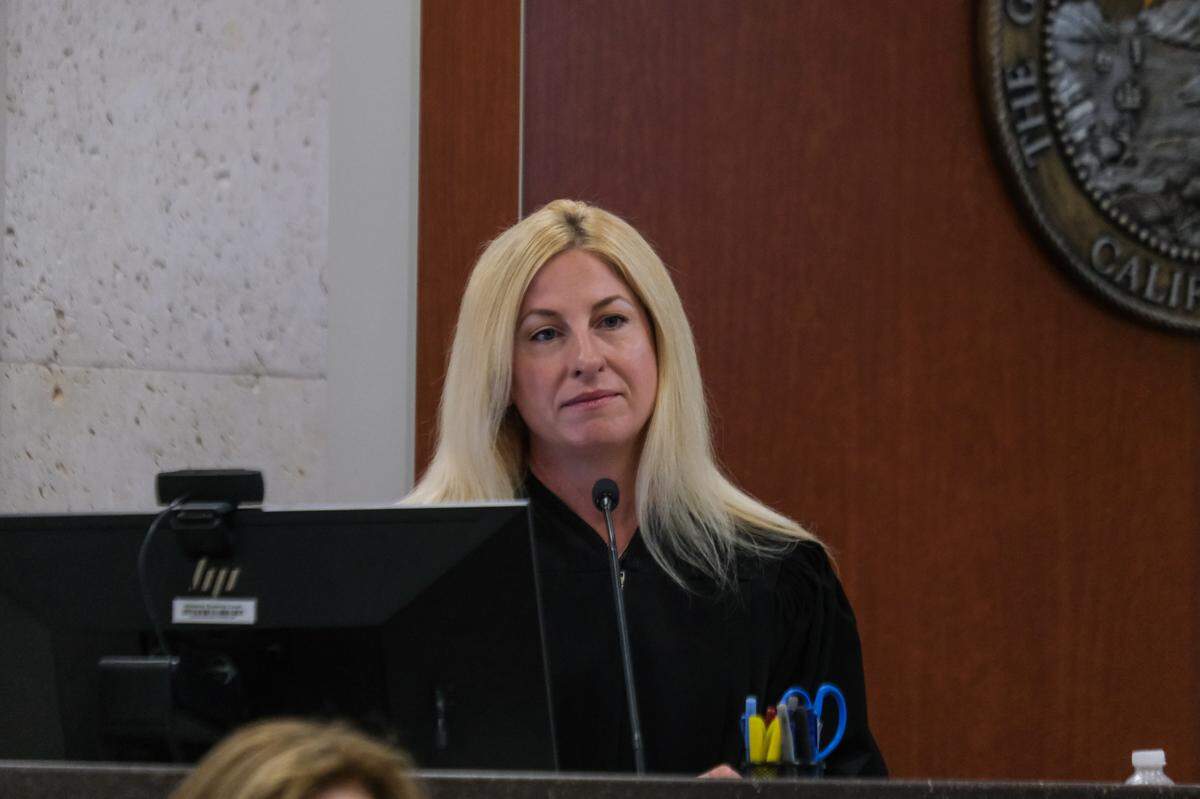
Monterey County Superior Court Judge Jennifer O’Keefe said she will hear final arguments and make her ruling regarding restitution on Monday at 10 a.m.
This story was originally published June 12, 2024 at 2:36 PM.