Former ASH worker accused of child sex assault was previously sued for gender discrimination
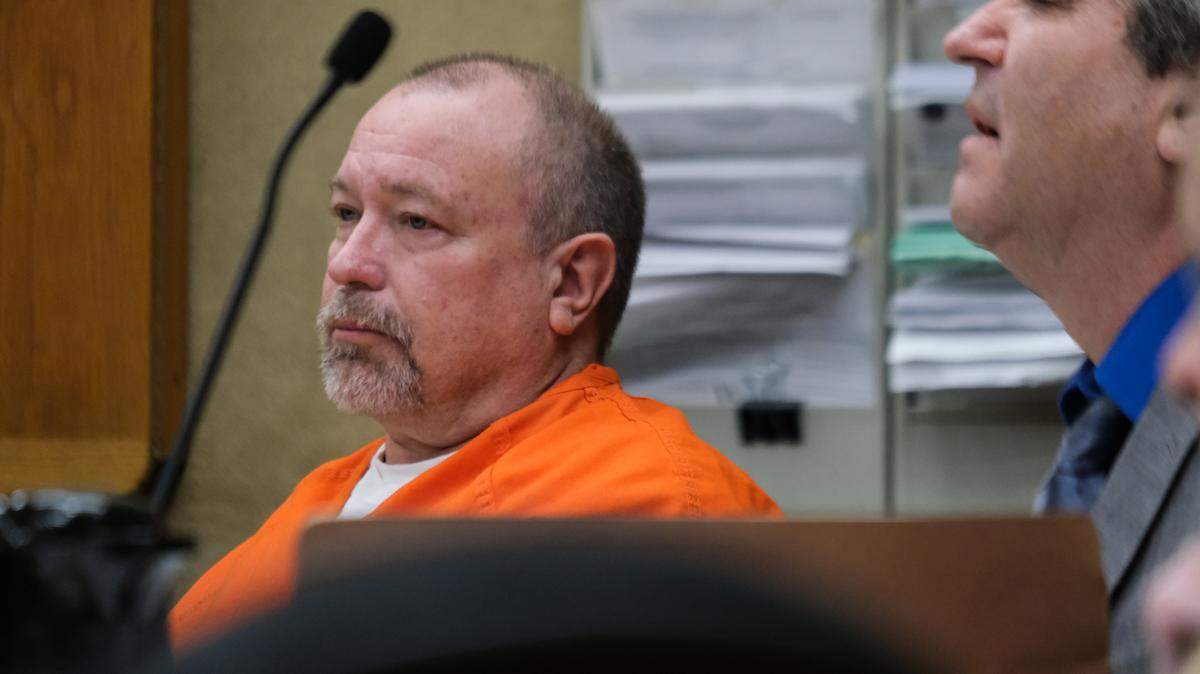
The former Atascadero State Hospital psychiatric technician who is accused of raping a child was previously sued for gender discrimination, court records show.
Alfred Leroy Sweet, 62, is accused of molesting a now 13-year-old child since they were 4 or 5 years old. The abuse allegedly escalated to rape when the child was 11 or 12. He is charged with three counts of aggravated sexual assault of a minor, three counts of sodomy by force to a minor and two counts of lewd acts with a minor.
San Luis Obispo Superior Court Judge Matthew Guerrero ruled Thursday that the case has enough evidence to go to trial.
Divorce records allege Sweet was “emotionally abusive” and had previous domestic violence arrests.
Records found on the San Luis Obispo District Attorney’s database show Sweet was charged with inflicting corporal injury to a cohabitant/spouse, assault with a deadly weapon that wasn’t a firearm and battery with serious bodily injury in 1993.
Sweet pleaded no contest to the domestic violence charge, records show, and the assault and battery charges were dismissed.
Sweet began working at Atascadero State Hospital as a psych tech in 2008, with a yearlong gap in 2010, the Department of State Hospitals said. His last day employed was Dec. 3.
The San Luis Obispo District Attorney’s Office filed charges against Sweet on Nov. 15.
Former ASH psych tech was sued by female coworker
A female employee of Atascadero State Hospital sued Sweet and the Department of State Hospitals in 2014, alleging Sweet discriminated, harassed and retaliated against her when he was her supervisor, court records show.
Sweet worked at the hospital as a psychiatric technician, records said.
The state hospital is for “mentally disabled men who pose a threat to themselves or others” and largely consists of “mentally ill inmates, mentally disordered offenders, patients found incompetent to stand trial and patients found not guilty by reason of insanity.”
The woman began working at the hospital in 2008, and Sweet became her supervisor in 2012. The lawsuit alleged Sweet began leaving the woman alone with inmates, which violated policy. According to the lawsuit, the hospital had a safety policy where employees must be in groups of three when working with inmates.
On one occasion, Sweet left the woman alone without her knowledge on Oct. 31, 2012, and she became surrounded by six or seven inmates. The woman was “terrified” and ran into an office, the lawsuit said, and she was unable to assist a request from her nursing supervisor because she could not safely leave the office. The woman emailed the unit supervisor about Sweet’s “unsafe practices and management” later that day.
About a week after that incident, on Nov. 7, 2012, the lawsuit said, Sweet “barked” at the woman to “get out” of his office and said she would “see what happens to female staff that don’t listen or do what I say.”
The woman emailed the unit supervisor again that day and asked to move to a different unit because she felt Sweet was putting her in danger and she did not feel safe working with him. The unit supervisor replied that he wanted to talk but never followed through, according to the lawsuit.
The day after the alleged threat, the lawsuit said, Sweet left the woman alone with a inmate again and suggested an inmate eat in their room — which is prohibited because inmates can use trays and utensils to harm themselves, peers and staff.
Sweet told the woman “you don’t know what you’re doing” when she suggested the inmate should eat in the dayroom and said “the last woman to mess with me moved off the unit,” the lawsuit alleged.
The woman reported Sweet’s behavior again on Nov. 11, 2012, but she never saw a response, she said in the lawsuit. It took a more than a month to approve the woman’s request to move to another unit., where Sweet continued to harass her and leave her alone with inmates.
Sweet repeatedly called the woman a b--ch in front of her coworkers at an office party for her birthday on Nov. 29, which prompted another employee to file a complaint. The lawsuit said other harassing comments from Sweet included “Isn’t that just like a female?” and “You know you’re my favorite honey.”
Sweet also made comments like “You know I can give you what you want” and “I can do it better than your husband” to other female employees, according to the lawsuit, and he also did not allow female employees to speak on the phone.
She said he also intentionally yelled at the woman in front of a restrained inmate, which the lawsuit said endangered the woman because it diminished the inmate’s respect for her.
The woman alleged the Department of State Hospitals failed to take corrective action to her several complaints about Sweet.
The lawsuit went to trial in 2016, but the jury found the woman did not prove the agency or Sweet had been in the wrong. Her request for a new trial was denied, as was her appeal.
Sweet’s next court hearing in the criminal case against him is scheduled for Feb. 29.
How to get help
If you or someone you know are a survivor of sexual assault, you can call the National Sexual Assault Telephone Hotline at 800-656-4673. The hotline offers a range of free services including confidential support from a trained staff member, help finding a local health facility, legal and medical advice and referrals for long-term support.
If you or someone you know are a survivor of domestic violence, you can call the National Domestic Violence Hotline at 800-799-7233. The hotline offers a range of free services including confidential support from a trained staff member, help finding a local health facility, legal and medical advice and referrals for long-term support.
Survivor support and resources are also available through Lumina Alliance at luminaalliance.org or their Crisis and Information Line at 805-545-8888.
This story was originally published February 17, 2024 at 10:00 AM.