How did he die? Expert witness in SLO murder trial details man’s extensive injuries
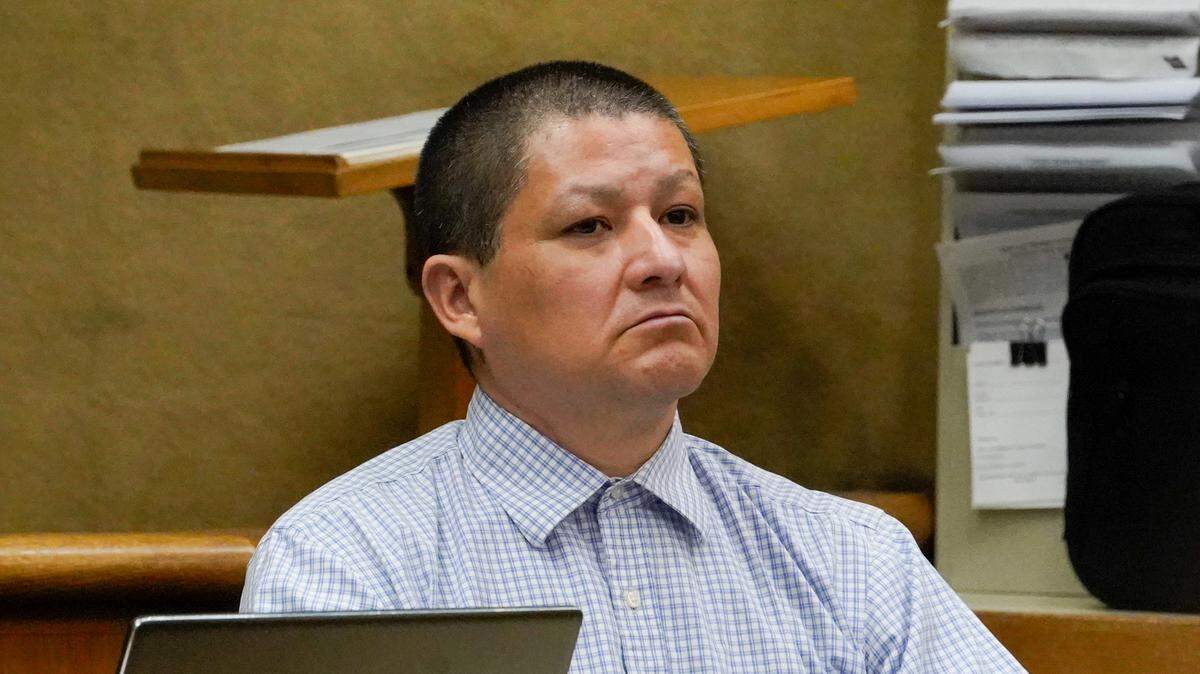
The defense in the trial of a man who allegedly beat an unhoused San Luis Obispo resident to death and jammed sticks into his body called two forensic experts to testify before resting its case on Wednesday.
One of the doctors identified Rick Fowler’s cause of death as blunt force trauma to the head, while detailing many other extensive injuries, including broken bones, cuts and bruises.
Marco Antonio Cota Jr., 45, is accused of murdering the 64-year-old Fowler on Nov. 20, 2021. At the time, the two were both unhoused and camping in the creekbed near the interchange at Highway 101 and Madonna Road.
Photos showed Fowler’s head beaten to the point it was misshapen.
His body was found lying face-down in the dirt with his pants pulled down below his buttocks and sticks protruding from his eyes, rectum and neck, a retired San Luis Obispo County Sheriff’s Office coroner detective testified Thursday.
Previously, the prosecution alleged Cota murdered Fowler while in a rage, while the defense argued Cota killed Fowler in self-defense.
Cota is charged with murder and mutilation of human remains. He faces up to a life sentence in state prison if convicted.
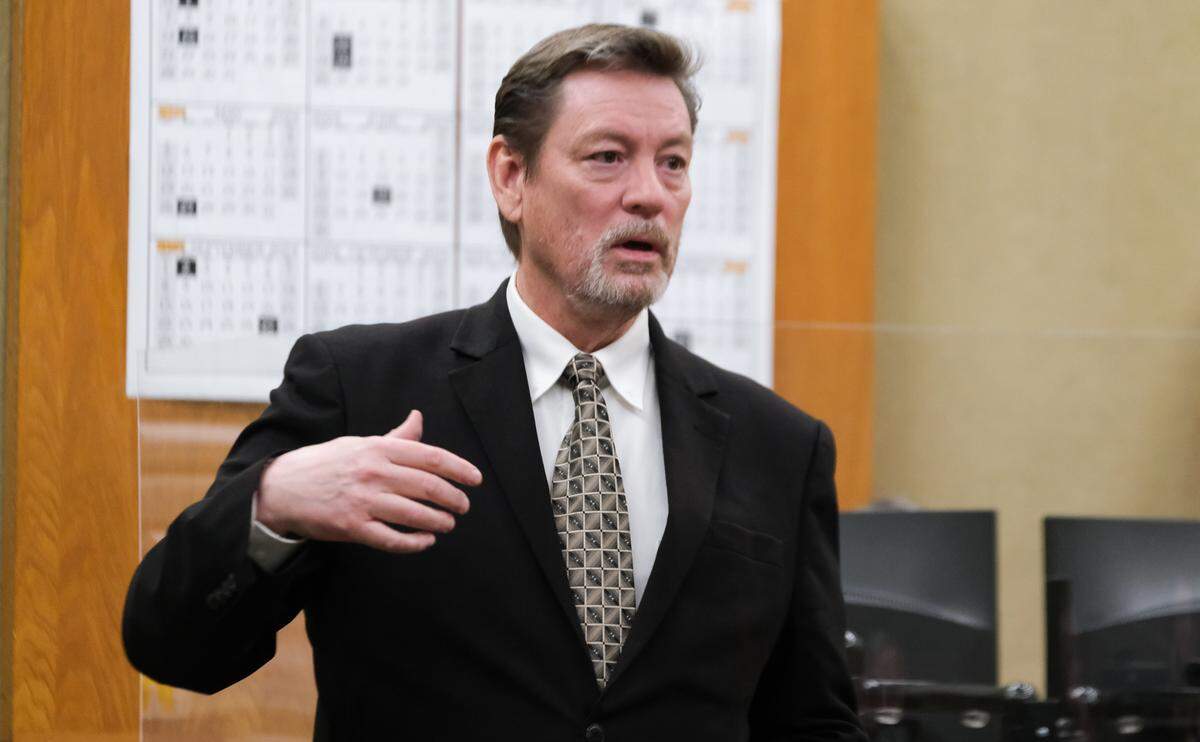
Forensic experts discuss time, causes of death
Dr. Christopher Happy, an expert in forensic pathology who previously served as the chief medical examiner for the city of Honolulu, was called by the defense to provide his insights on the killing.
Happy was provided with photos from the crime scene, toxicology reports and autopsy photos to help establish the nature and time of Fowler’s death and the mutilation of his body.
Defense attorney James Askew showed two photos — one of the penetrating injury caused by a stick jammed through the victim’s neck and another of the body’s positioning at the crime scene — and asked Happy to explain how the injuries were sustained, along with whether some injuries were inflicted before, during or after death.
Happy said Fowler suffered blunt force injuries to the head that caused skull fractures and damage to the brain, along with numerous lacerations, abrasions and contusions to his body, including several broken ribs that caused internal injuries.
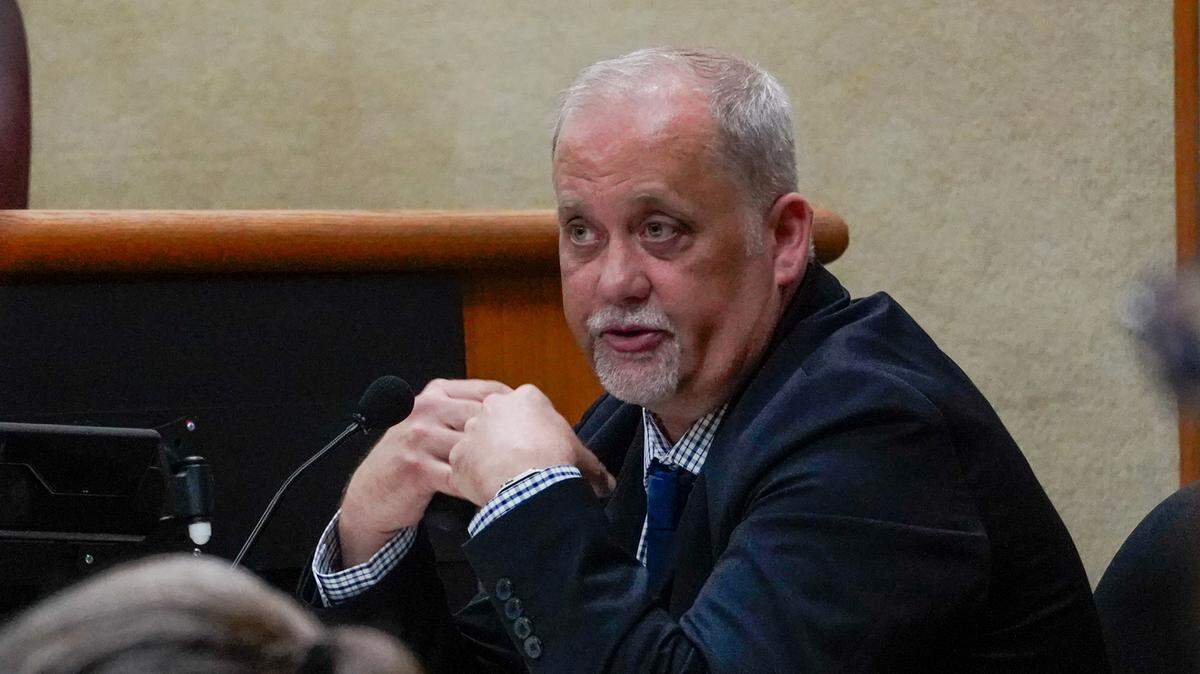
“The amount of injury was extensive,” Happy said.
Happy said the victim suffered a great deal of subdural bleeding within the skull as a result of the blunt force head injuries, but said autopsies showed a low level of brain herniation — the process through which brain tissue expands from a hole in the skull — indicating low blood pressure at the time of the injury.
That also may explain why the penetration injury caused by the stick pushed through the victim’s throat was largely bloodless, as the victim’s pulse was either low or had already stopped at the time of the neck injury, Happy said.
Happy said the victim died of blunt force trauma to the head, not the stick pushed through his throat, “within a reasonable degree of medical certainty.”
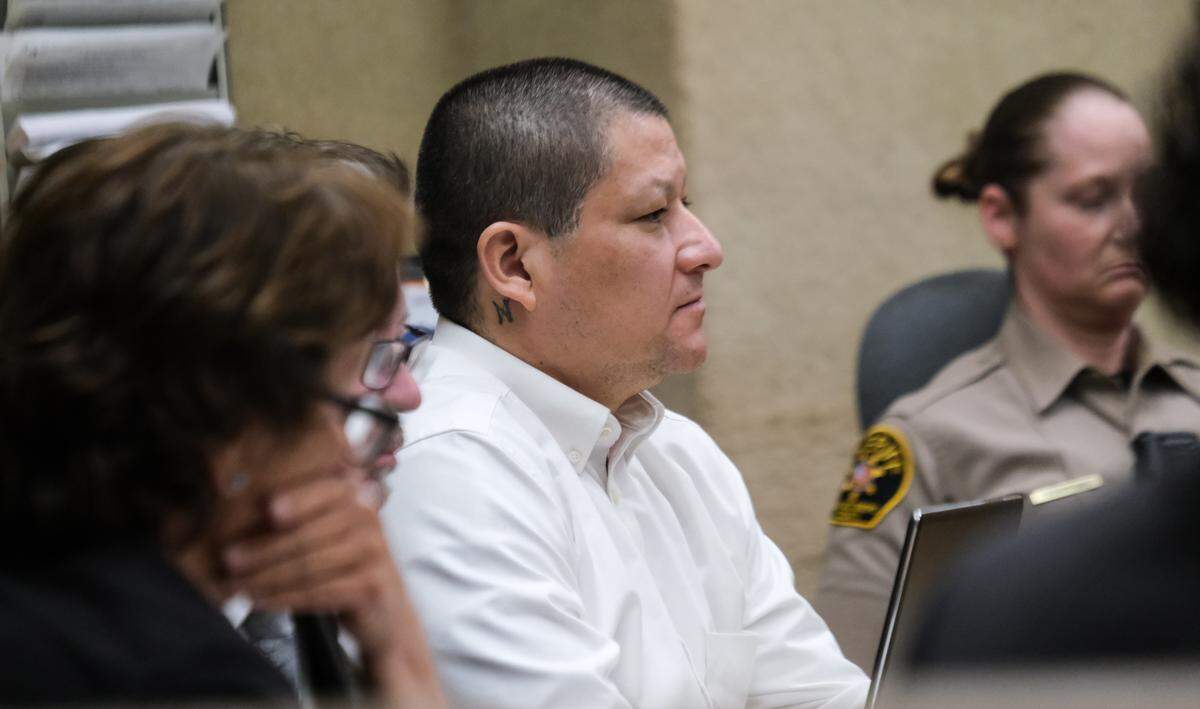
After a brief recess, the defense and prosecution agreed to add a stipulation that blood samples obtained from Fowler’s body showed traces of methamphetamine use, while blood samples from Cota’s blood showed traces of marijuana use.
Askew then called Dr. Howard Robin, an expert in anatomic and clinical pathology, to the stand via Zoom to answer questions related to the drugs Fowler had used the night of the incident.
After Robin explained the effects methamphetamine use may have on a person, Judge Timothy Covello called the defense and prosecution in for a sidebar.
Wednesday’s trial proceedings concluded with the defense resting its case, setting up closing arguments and jury deliberations starting Thursday at 10:30 a.m.
This story was originally published February 7, 2024 at 6:18 PM.