Mistrial declared in SLO fentanyl murder case after jury deadlocks on verdict
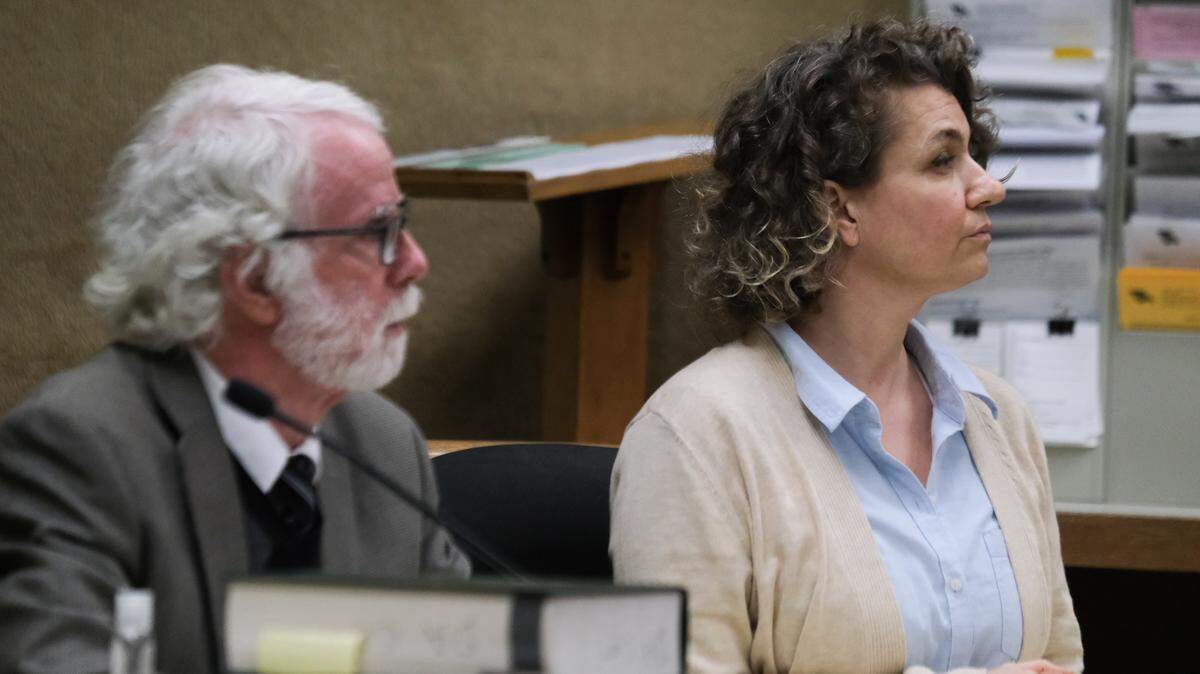
The murder case against a San Luis Obispo woman accused of selling fentanyl to a man who then died of an overdose ended in a mistrial Wednesday when the jury was unable reach a unanimous verdict.
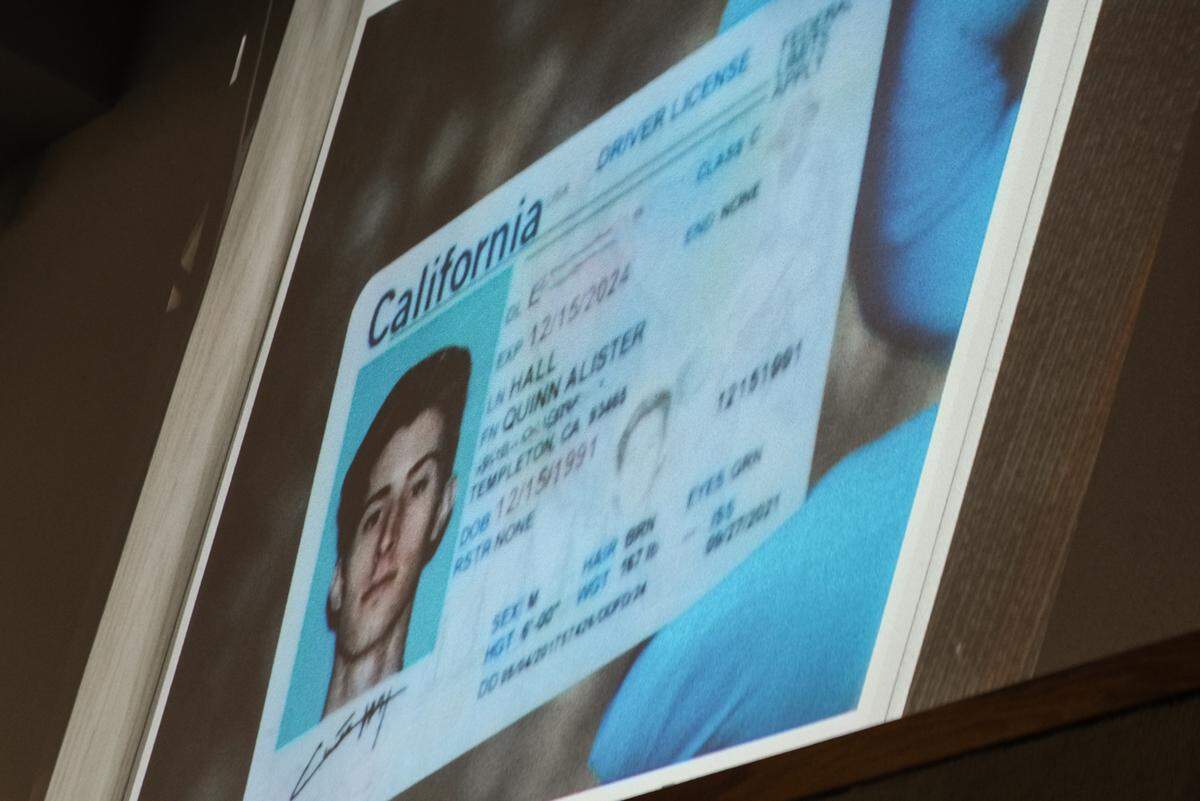
The jury split 7-5 in favor of guilt against Brandi Turner, 50, who admitted in court testimony that she sold the drug to 31-year-old Quinn Hall on Oct. 26, 2022. He was later found dead behind the Animal Services building off Highway 1.
The deadlock came after a two-week trial, in which Turner was found guilty of three other charges: possession of fentanyl for sale, selling fentanyl and possession of meth.
Turner’s attorney argued she was not at fault because Hall was a regular fentanyl user who was aware of the danger, while prosecutors said Turner knew the risks of fentanyl before selling it and should be held responsible.
Jurors were asked to decide whether that sale caused Hall’s death and what Turner’s mindset was going into it. Ultimately, they were unable to agree one way or the other.
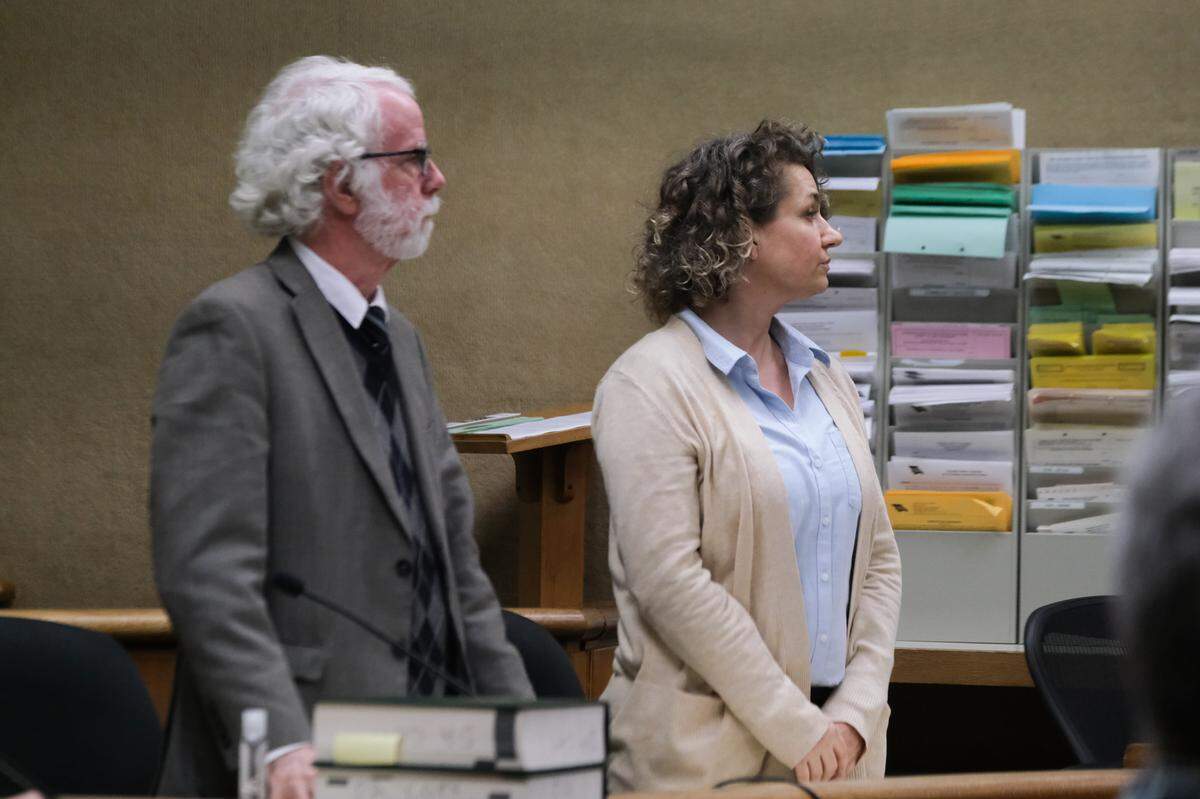
“The big sticking point was whether she had a disregard for human life,” Juror Julie Jenkins told The Tribune.
San Luis Obispo Superior Court Judge Barry LaBarbera told jurors if they could also consider whether Turner is guilty of involuntary manslaughter only if they found her not guilty of murder.
Jurors told The Tribune they could have reached a unanimous verdict on involuntary manslaughter, but could not unanimously agree that Turner was not guilty of murder in order to do so.
The jury came to its verdict after three days of deliberations, which began Friday afternoon.
It’s up to the San Luis Obispo County District Attorney’s Office to decide whether it wants to refile the charge against Turner.
Verdict was simple for some, difficult for others, jurors say
Jurors agreed pretty quickly that Turner was guilty on the drug charges, they said. The key thing that divided them was whether Turner had “conscious disregard” for Hall’s life when she sold him the fentanyl.
Conscious disregard is when a defendant knows an act is dangerous or harmful but does the act anyway without precautions. It is required for a conviction of second-degree murder.
Juror Dustin Stevenson said it was clear that the fentanyl had caused Hall’s death, but he wasn’t convinced that Turner had a disregard for Hall’s life.
Stevenson is a medical oncologist and has prescribed fentanyl to appropriate patients regularly, he said, so he was very aware of the lethal risk if a patient took more fentanyl than what he prescribed.
“It was hard to get into Brandi Turner’s mind the day that she sold to Quinn,” he said. “Was she consciously disregarding the fact that he was likely to overdose that day? I don’t think that was in her head, and I don’t think that would be in the head of any methamphetamine-addicted low-level middle man dealer.”
Stevenson said he believed Turner was thinking Hall would use the fentanyl as he normally did and would be OK.
At one point, Stevenson said, a juror put up the hypothetical that if a person put a bullet on the table and someone else loaded and shot someone to death, would the person who put the bullet on the table be guilty of murder, which sparked a debate in the deliberation room.
To vote guilty, Stevenson said, there would have had to be something that more explicitly explained Turner’s mindset at the time of sale. For example, a text message to the effect of “I don’t care if Quinn ODs” or “too bad for him.”
A juror in the hallway noted that they were not shown any messages after the day of Hall’s death, so it was unclear if Turner continued to try to talk with him or talked about him with other people. It’s possible those messages could have better explained Turner’s mindset, the juror said.
Stevenson said he would feel better if they could have convicted Turner of involuntary manslaughter and is disappointed that the jurors could not reach a unanimous verdict.
For juror Julie Jenkins, the decision was simple: Turner was guilty.
She left the courtroom in tears after the verdict reading.
“I felt so bad,” Jenkins said, noting she felt the prosecution proved their case beyond a reasonable doubt. “We couldn’t get it solved. We couldn’t come together. Then to come out and to see his family not get what they probably perceive as justice was so sad to me.”
“I wanted (Hall’s father) to know we didn’t think his son — or that at least one juror — didn’t think his son was garbage because his body was by a trash can.”
Jenkins felt Turner’s personal experience overdosing and losing her husband, the training she received at her state prison job and the text messages where Turner warned Hall of fentanyl’s dangers — specifically the texts on Oct. 4, 2022, where Turner told Hall to stop taking fentanyl — proved Turner was fully aware of the danger.
“My view was she knew exactly the dangers of fentanyl — more so than a lot of people,” Jenkins said. “She knew what she was doing. She knew he was an addict.”
Jenkins said it was easy for her to come to her decision and she had trouble understanding how people could not see the evidence the same way.
Despite disagreements, Jenkins said, the jurors debated respectfully and they tried their best to get everyone on the same page.
“We just got to the point that it was just going in circles,” Jenkins said. “The more it went in circles, the more people dug in.”
Serving on the jury helped Jenkins understand why juries don’t always come to what seem to be “obvious” conclusions, Jenkins said. She said she doesn’t feel good about the outcome but knows she did everything she could to reach a just verdict.
This story was originally published January 24, 2024 at 5:44 PM.