SLO County man who died of fentanyl overdose sought drug from multiple dealers, detective says
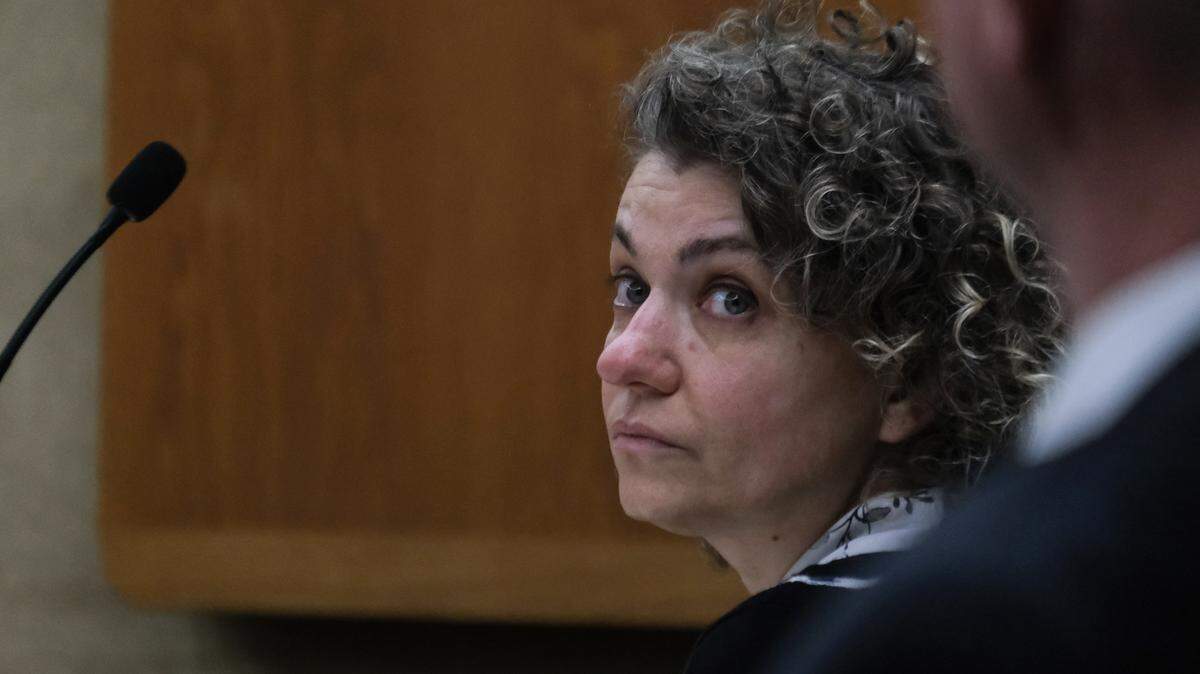
The Templeton man who died of a fentanyl overdose had sought to buy the drug from at least four dealers, court testimony revealed Wednesday.
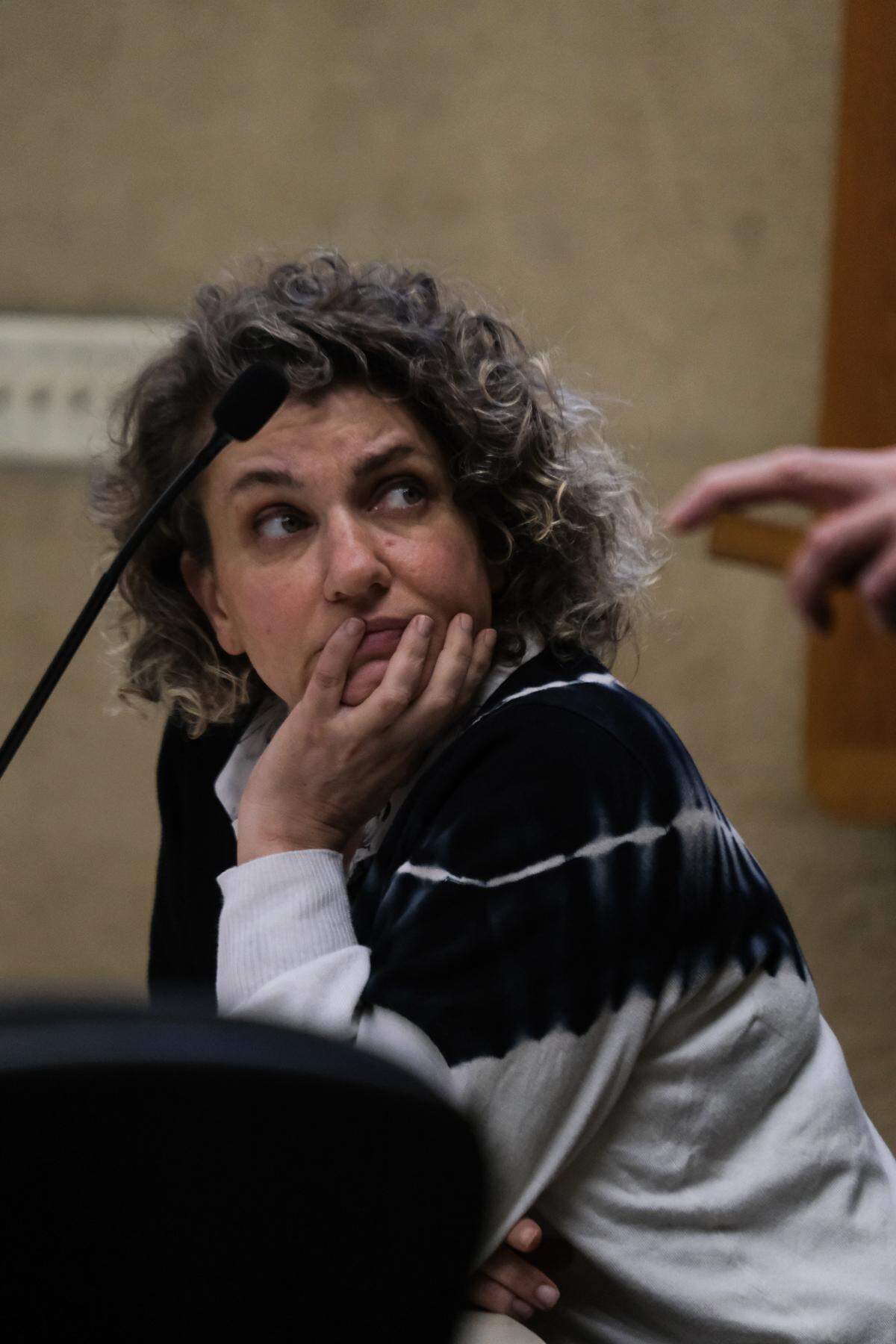
Brandi Turner, 50, is accused of selling the fentanyl that prosecutors say killed 30-year-old Quinn Hall on Oct. 26, 2022. She is now on trial for his murder.
Hall’s body was discovered the following day by a San Luis Obispo County Animal Services employee behind the old Animal Services building on Kansas Avenue.
The trial began Monday with opening statements, in which prosecutors argued Turner knew the risks of fentanyl before selling it, while her defense argued she was not at fault because Hall was a regular fentanyl user who was also aware of the danger.
Before court adjourned Monday, four detectives who responded to Hall’s body testified Hall was found with multiple baggies of substances, including white powder and crystals, and had paraphernalia used to consume fentanyl.
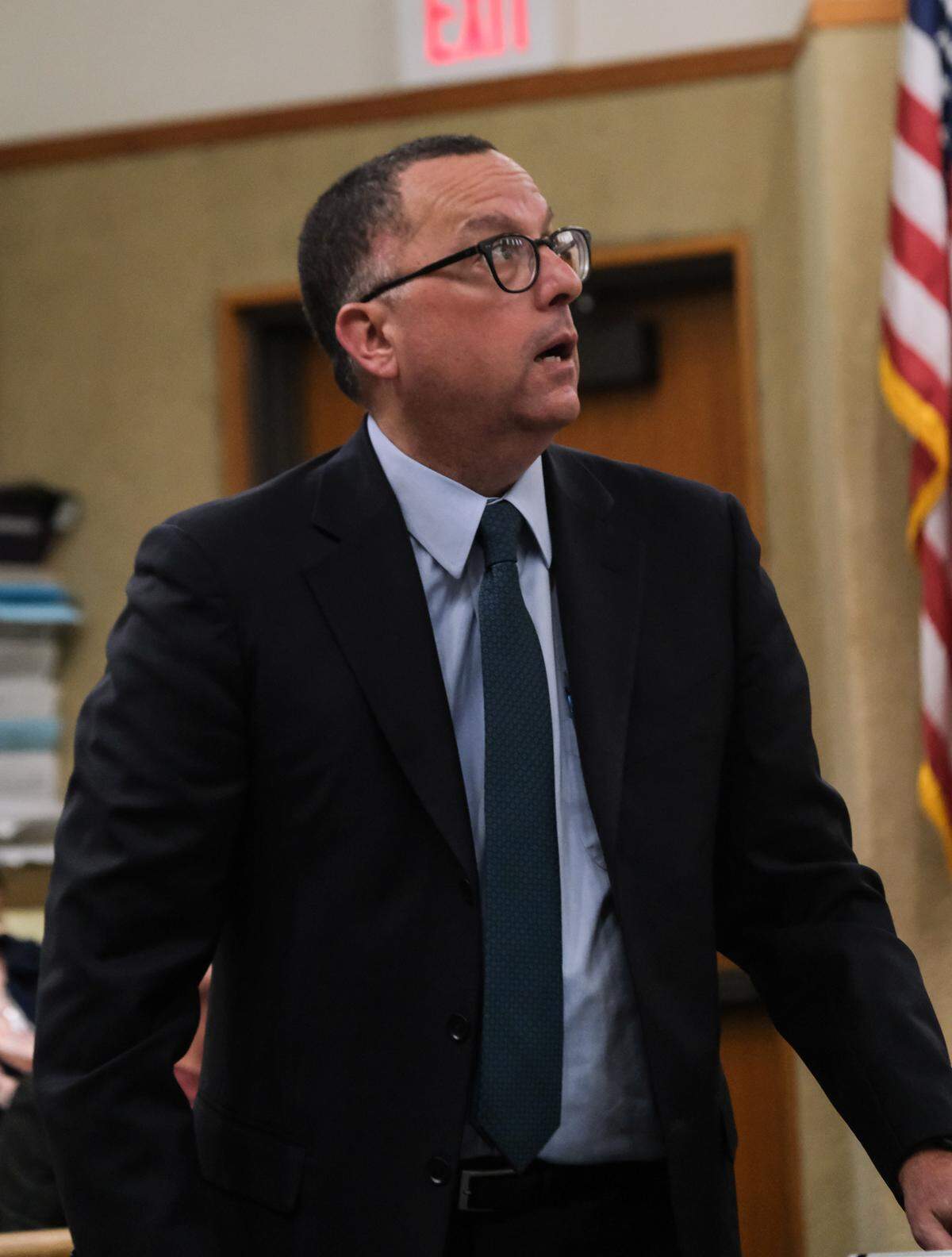
San Luis Obispo County Sheriff’s Office Det. Jonathan Jones was in the middle of his testimony regarding texts he found between Hall and Turner on Hall’s phone when the court day ended on Monday. He resumed his testimony Wednesday morning.
Jones testified that messages sent from Hall’s phones showed he had attempted to buy fentanyl and meth from at least three other dealers in the months leading up to his death. Some of the drug deals appeared to have been successful, while the transactions of others were harder to confirm, Jones said.
Man bought fentanyl from at least four dealers, detective says
Text messages read by Jones showed that Hall contacted Turner on numerous occasions seeking fentanyl and meth in the weeks leading up to his death. Turner agreed or offered both drugs the majority of the time, according to messages shown in court.
But Jones also had access to Hall’s account on Signal, a private messaging app that encrypts messages so that they cannot be intercepted remotely, like with a wire, or extracted from the phone’s cellular data.
Jones testified he could only see the Signal messages between Turner and Hall because he could access Hall’s account from Hall’s phone.
Signal messages showed Hall messaged Turner for $100 of meth and fentanyl on Oct. 4, 2020:
Turner: “You’re out of your motherf--king mind if think I would ever give you any of that s--t. Babe, you cannot tolerate that stuff. ... I’m begging you to never do it again.”
Hall: “Wait what happened?”
Turner: “I saw my husband dead from that s--t. I was in and out for 2 days while he was dead. ...”
Turner: “That is what you looked like when people found you.”
Hall: “Damn that sounds awful I’m sorry. but maybe something good will come of it.”
Hall: “So are you staying from it? Bc I ran out of it and have another 100.”
Turner: “No ... nothing good will come from my husband (of) 15 years dead, never to hold me again because of an overdose.”
Turner: “I don’t have that s--t Quinn. ... I don’t have that s--t anywhere near me.”
Turner: “Listen, I gotta go, but please stay away from that stuff.”
Then on Oct. 20, 2022 — about two weeks later — Hall informed Turner via Signal that he ran into another alleged drug dealer who would sell him two grams of fentanyl for $80.
Jones testified that was a cheap price for fentanyl and would likely not be high quality.
Turner agreed, telling Hall the fentanyl from the other dealer is “dog s--t.”
Hall said it would be the same “stuff” he got from a third drug dealer, saying he was “basically sold baking soda.” Turner had previously told Hall that third dealer had low-quality fentanyl, in an Aug. 15, 2020, text message.
Turner then told Hall, “Try it before you buy it.”
Messages, security footage show drug deal that allegedly led to man’s death
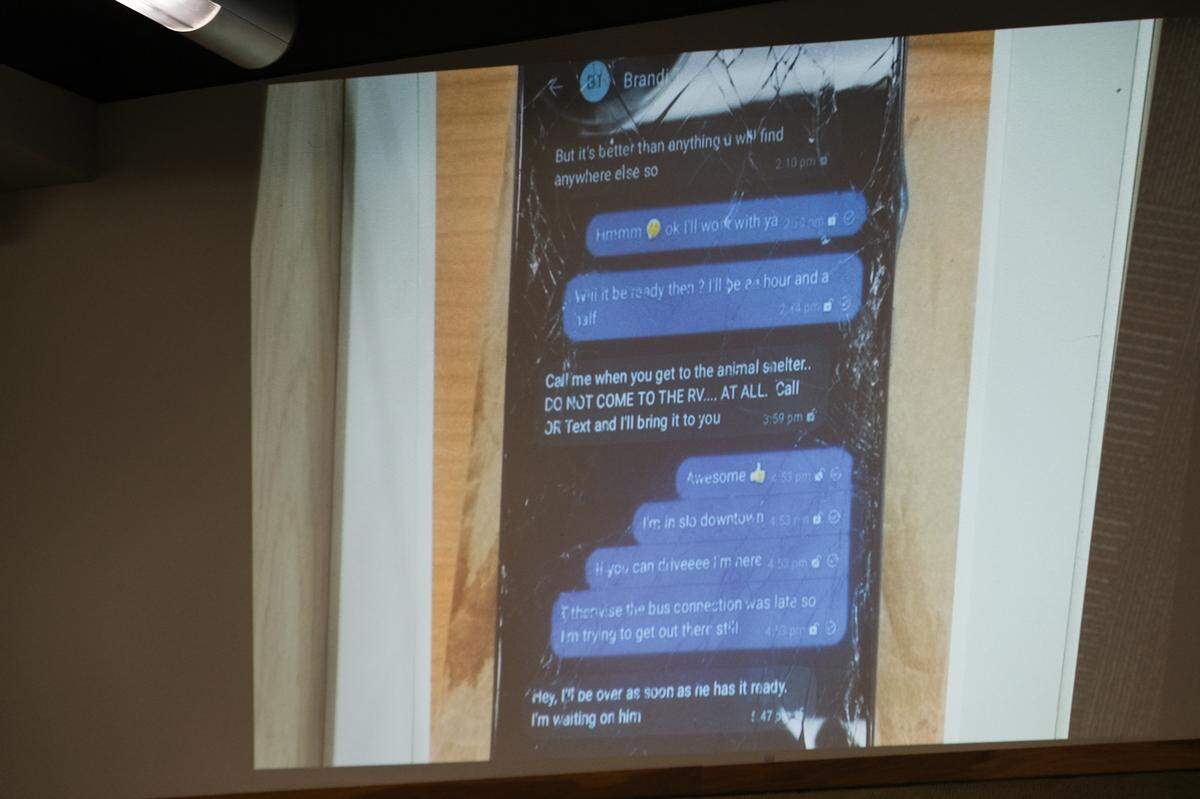
Hall and Turner exchanged messages via Signal on Oct. 26, 2022, the last day Hall was alive.
They had been coordinating a drug exchange, the messages show.
At 2:10 p.m., messages show, Turner told Hall that the fentanyl would be more expensive than expected, “but it’s better that you can find anywhere else.”
Hall told Turner he would work with her and said he would try to make it to San Luis Obispo within the hour.
At 3:59 p.m., messages show, Turner wrote, “Call me when you get to the animal shelter. DO NOT COME TO THE RV ... AT ALL. Call OR text and I’ll bring it to you.”
Hall arrived in downtown SLO at 4:45 p.m. and told Turner he could get a bus ticket to meet her at the Oklahoma Avenue Safe Parking Site, where her RV was parked.
Turner then messaged Hall she would be over as soon as “he has it ready” at 5:47 p.m.
Surveillance footage played in court showed Hall walking on Oklahoma Avenue past the safe parking site around 5:54 p.m. Video showed him fiddling with his phone, holding it up to his ear and looking in what Jones said was the direction of Turner’s RV around 5:58 p.m.
Hall then headed toward the back of the old Animal Services building, video showed.
Turner messaged “omw,” shorthand for “on my way,” at 6:01 p.m.
At that same time, surveillance footage showed her leaving her RV. She walked a similar route to Hall’s and met him near the Animal Services building at around 6:03 p.m..
By 6:08 p.m., the two went their separate ways. Video showed Hall stayed near the Animal Services building and did not appear to leave. Turner returned to her RV, video showed.
Around 7:30 a.m. the next morning, Hall would be found dead behind the building.
Detective: Drug dealer and client were in romantic relationship
On cross-examination, Jones said he believed Turner to be a “street-level dealer,” among the lowest level when it comes to drug dealing.
Texts showed she acted as a “middle man” meaning she bought supply as needed for herself and customers like Hall. She did not regularly have an inventory on hand.
Jones explained he considers “mid-level” dealers to be people who drive to drug “stash houses,” often in Los Angeles County, to pick up product to sell in San Luis Obispo County. He said he was unaware of any stash houses in San Luis Obispo County.
Money is usually the main incentive for drug dealers, Jones testified, but said social standing or supplying a personal stash could be an incentive for drug dealers as well.
Turner told Hall in one text message that she was not making money on his fentanyl sale. When asked, Jones confirmed Turner and Hall had been in a romantic relationship.
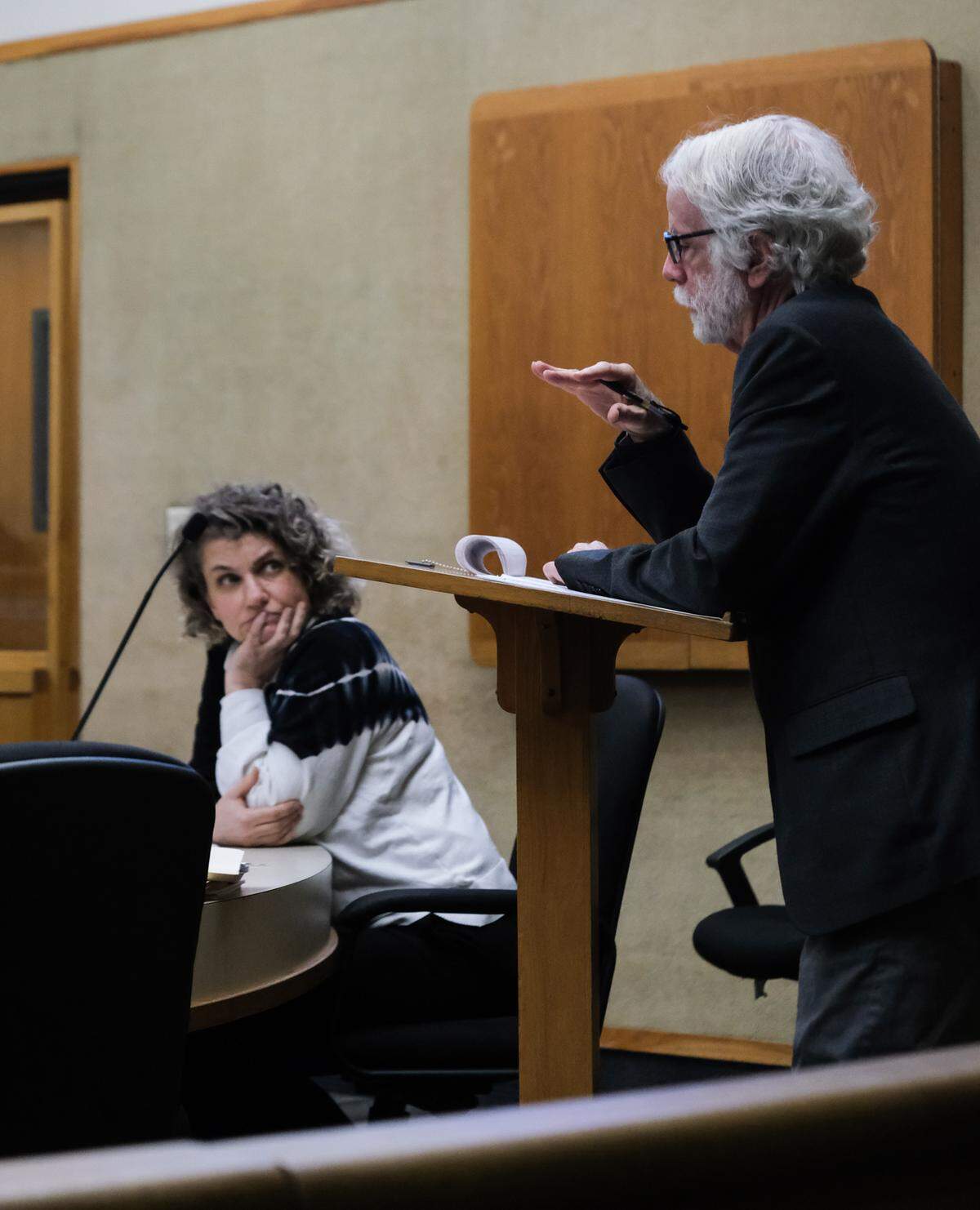
Turner was also homeless at the time, living in her RV at the safe parking site, her lawyer, Jeffry Radding, pointed out, and Jones agreed that based on text messages and her circumstances when he met her, she did not seem to be someone with a lot of money.
Jones had not found evidence of the two exchanging electronic messages prior to around July 2022.
Jones said it was possible that Turner cared for Hall and wanted him to have good-quality fentanyl, which could explain why she talked down about supposed low-quality product from other dealers.
Jones also explained that someone’s fentanyl tolerance could depend on how often they use the drug, how serious their addiction is and the potency of the drug. He said some users with serious addiction to fentanyl report taking one gram or more per day.
Jones’ testimony was still in cross-examination when the court day ended Wednesday. His testimony will resume Thursday at 1:30 p.m.
This story was originally published January 11, 2024 at 9:00 AM.