Records, video in Eddie Giron shooting lawsuit will likely be sealed, judge rules
Many of the documents will likely be sealed in the lawsuit that alleges San Luis Obispo police Det. Luca Benedetti was killed by “friendly fire” during a search warrant shootout last year, a federal judge ruled Tuesday.
The order pertains to anything that contains information deemed “confidential” by a third party, including information from investigatory documents.
The order was written and proposed by the city and county and agreed to by the Giron family and California Central District U.S. Magistrate Judge Rozella A. Oliver.
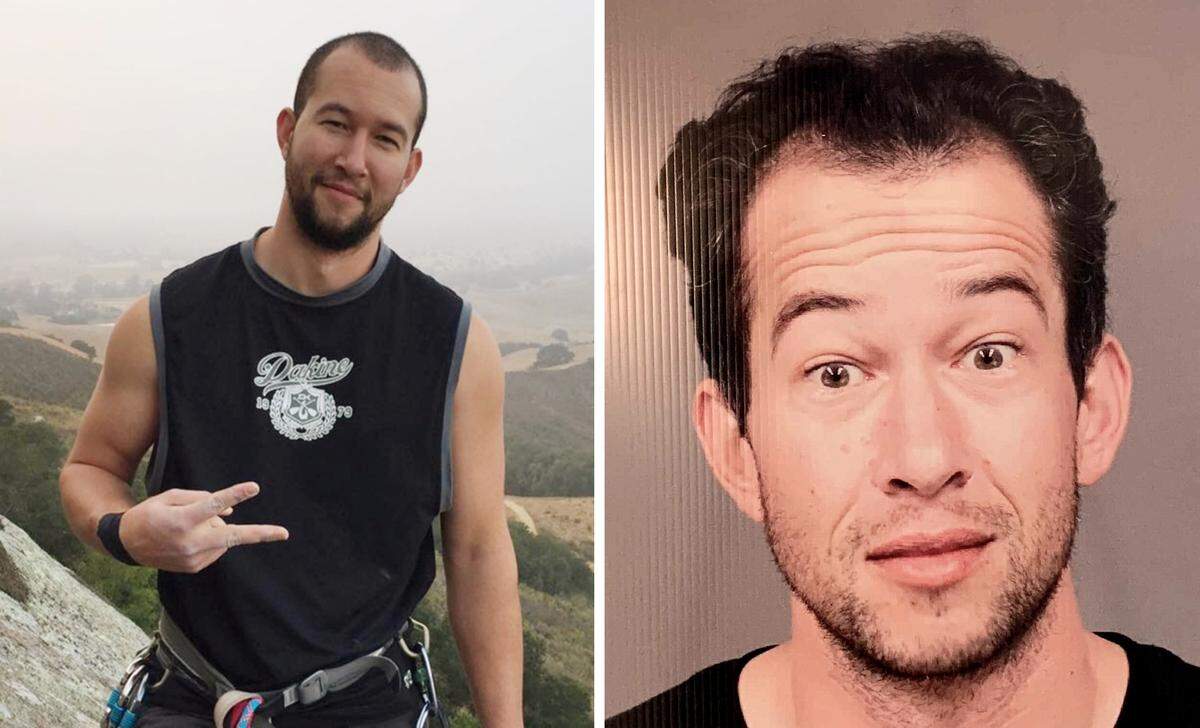
Eddie Giron is alleged to have killed Benedetti and injured SLOPD Det. Steve Orozco before fatally turning the gun on himself on May 10, 2021, when the detective and other officers went to his home to execute a search warrant relating to what officials said was a string of commercial robberies.
In the lawsuit, Giron’s family alleges county and city officials put forth a false narrative of what happened, claiming the shots that killed Benedetti and Giron and injured Orozco came from police fire — not Giron — and that responding officers escalated the situation out of line with policies.
The wrongful death suit alleges Giron’s First, Fourth and 14th Amendment rights were violated.
The ruling is at odds with California law, which requires video and audio recordings of officer-involved shootings to be released to the public within 45 days to a year unless disclosure of records would “substantially interfere” with the investigation of the incident. Beyond a year, agencies must show clear and compelling evidence that the release would continue to interfere with the investigation.
More than 14 months have passed since the deadly altercation, with no reports issued.
Release of records before the San Luis Obispo County District Attorney’s Office has completed its review of the investigation, despite it being complete, would pose a risk to the investigation, San Luis Obispo City Attorney Christine Dietrick wrote in a public records response letter to The Tribune. She added the public’s interest in non-closure of documents outweighs the public’s interest in disclosure.
They claim disclosure of records, even partially, could interfere with witness recollections and potentially lead to “factual characterization or misunderstanding of partial records” if release before the DA’s review is complete.

Document sealing will ‘further law enforcement objectives,’ order says
The order, which was proposed by the city and county, seals everything that is considered confidential as “protected material,” such as information derived from investigatory documents and personnel records.
Document sealing will “further important law enforcement objective and interests,” the order says, including safety of law enforcement personnel and the public as well as privacy for the parties involved.
The sealing is justified in the case because it will expedite the flow of information, facilitate prompt resolutions to disputes over confidentiality of certain documents and protect information parties are entitled to keep confidential, the order said.
In order for a judicial document to be sealed, there must be an overriding interest that overcomes the public’s right of access and no less restrictive options available, a 2002 California Supreme court ruling found.
The order will require documents to remain sealed even after the case is resolved until a court order unseals them. If protected material has not been unsealed within 60 days of the final decision, it — and any copies and summaries — must be destroyed or returned to whoever produced it.
The order also prohibits the following:
- Information copied or extracted from protected material
- All copies, excerpts summaries or compilations of protected material
- Any testimony, conversations or presentations by parties or their attorneys that might reveal protected material
Any use of protected material can only be decided by formal court orders separate from the protective order, the document says.
The order does require separate sealing requests for each item, and a separate “designating party” will decide whether or not it should be sealed before it is disclosed or produced to the court.
Anyone can challenge confidentiality decisions at any time, the order says.
The city and county have also asked for an extra 30 days to respond to the lawsuit in a separate filing.