Elyse Pahler murder case: Here’s a timeline of the 1995 satanic killing in SLO County
Elyse Pahler was a 15-year-old Arroyo Grande High School freshman in 1995 when she was lured to a Nipomo Mesa eucalyptus grove and stabbed to death by three teenage classmates performing a satanic ritual. She would have been 41 years old in 2021.
Now, more than 25 years later, one of her killers could be freed from prison.
For eight months, the Pahler family and investigators were mystified by her disappearance before 17-year-old Royce Casey confessed to authorities, revealing the location of her remains.
The brutal murder — Pahler was stabbed more than a dozen times, strangled, stomped and left to bleed to death while calling out for her mother — was a planned “sacrifice” to Satan so that the three killers could enhance their death metal playing, investigators said.
Casey, 16-year-old Jacob Delashmutt, and 15-year-old Joseph Fiorella pleaded no contest to first-degree murder and were sentenced to 25 and 26 years to life in prison.
The case has been featured in crime documentaries on national media outlets and led to an ultimately unsuccessful lawsuit against the metal band Slayer.
Casey, now 43, was granted for parole by California parole board commissioners in March. The Governor’s Office will make the final determination on Casey’s release in summer 2021.
Timeline of Elyse Pahler murder case
July 1995: Elyse Pahler, a 15-year-old high school freshman, disappears from her family’s Arroyo Grande home. While she’s missing, law enforcement and the Pahler family pursue leads across the country.
March 1996: 17-year-old Royce Casey, plagued by guilt and a fear his two friends might kill him, confesses to authorities he was involved in Elyse’s murder.
He leads officials to her partially mummified remains in a Nipomo Mesa eucalyptus grove approximately a quarter-mile from her house.
Casey, Delashmutt and Fiorella are taken into custody and charged with seven counts, including murder, conspiracy to commit murder, conspiracy to commit rape and kidnapping. Special enhancements for torture and rape are alleged, but officials are unable to determine whether she was sexually assaulted due to the decomposition of her remains.
November 1996: The Pahler family files a lawsuit against the heavy metal band Slayer, alleging that the band’s lyrics incited the three teens to murder. The lawsuit seeks monetary damages and a halt to the practice of marketing violent music toward juveniles.
February 1997: Doug Odom, the District Attorney’s Office’s chief investigator, testifies at a preliminary hearing that Casey told him the trio plotted to kill Pahler because “she had blonde hair and blue eyes, and because she was a virgin, she would be a perfect sacrifice for the devil.”
According to Tribune archives, Odom’s testimony “mesmerized the courtroom,” relating how Casey told him the trio lured Pahler away from her home with promises of drugs. Delashmutt strangled her with a belt he slipped from his waist, while Casey held her down and Fiorella pulled a hunting knife from a sheath and started plunging it into the girl’s neck.
Delashmutt next took a turn, Odom said, then Casey. A forensic pathologist who performed an autopsy on the girl’s body concluded she was stabbed at least 12 times. None of the individual wounds were fatal, meaning she slowly bled to death.
Odom said Casey told him that Elyse Pahler cried out for her mother while being attacked. She “was on the ground praying to God and calling for her mom,” the investigator said Casey recalled.
When Odom asked why they committed the murder, Casey told Odom, “It was to receive power from the devil to help them play guitar better.”
“By making this perfect sacrifice to the devil, they would gain more craziness, or nuts, as he said,” Odom said. “That would make them play harder, play faster. And by making this perfect sacrifice to the devil, it might help them go, quote, professional.”
March 1997: Fiorella is sentenced by Superior Court Judge Christopher G. Money to 26 years to life in prison as part of an agreement in which prosecutors dismissed other charges including rape in exchange for Fiorella’s guilty plea to first-degree murder. He recieved one year for being armed with a deadly weapon and 25 years to life for the murder.
“Joseph, it’s a parent’s worst fear and lifetime pain to outlive their child,” David Pahler, Elyse’s father, said at the hearing. “It’s even worse knowing she was murdered, tortured and raped as a virgin sacrificed on the altar of Satan so that (you) can earn a ticket to Hell.”
A probation report published in the Telegram-Tribune shows that Fiorella denied Casey’s version of events but admitted to being the first to stab Pahler. “I wish it never happened,” Fiorella is quoted as saying. “Since it’s happened, I always wish that God can bring her back to life. I can imagine how her family must feel.”
Later, he reportedly said he never thought of hurting anyone. “It was a stupid mistake.”
September 1997: Casey avoids a sentence of life in prison without parole by pleading no contest to first-degree murder and is sentenced to 25 years to life the following November. He would have to serve a minimum of 21 years.
October 1997: Delashmutt pleads no contest to first degree murder in a deal similar to his co-defendants. He is sentenced to 26 years to life, of which he would have to serve 85% of the term before being eligible for parole. He received one year for being armed with a deadly weapon and 25 years to life for the murder.
October 2001: Delayed due to the criminal case, the Pahler family’s lawsuit against the band Slayer concludes with a judge ruling that the lyrics did not incite violence.
“Slayer lyrics are repulsive and profane,” Burke wrote in his 14-page decision. “But they do not direct or instruct listeners to commit the acts that resulted in the vicious torture-murder of Elyse Pahler.”
Burke also rules that the music is not harmful to children, as the plaintiffs alleged. Therefore, he added, it is not illegal to sell or market the product, and it is protected by the First Amendment.
The Pahler family say they will continue to campaign to prevent marketing violent material to youths.
July 2016: Casey has his first parole suitability hearing and is denied parole for five years.
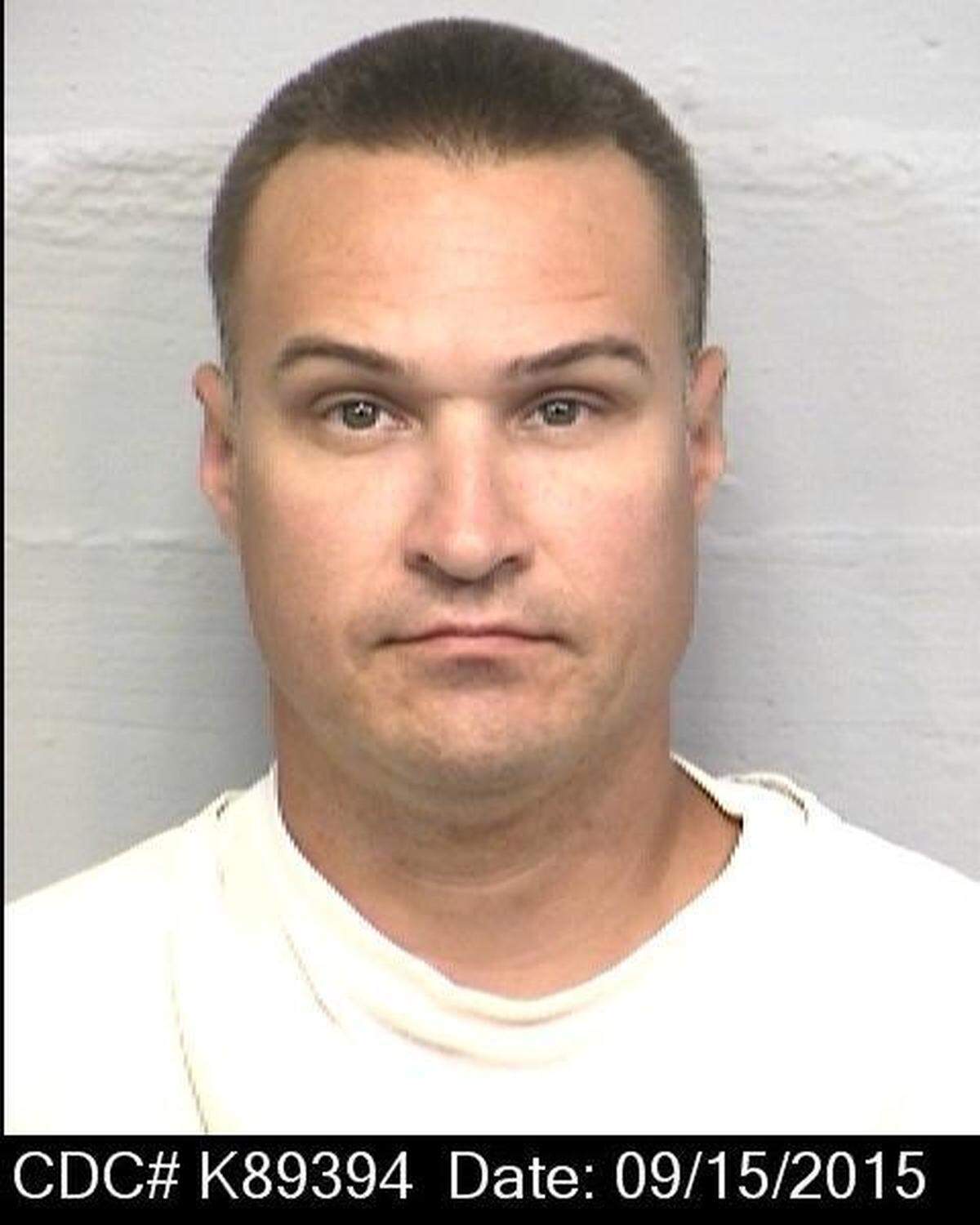
December 2017: Delashmutt is denied parole for seven years at a parole suitability hearing. He’s scheduled for another hearing in December 2024.
October 2018: Fiorella files a habeas corpus petition challenging his continued incarceration. Fiorella argues his trial attorney did not challenge his mental fitness to stand trial for the 1995 murder.
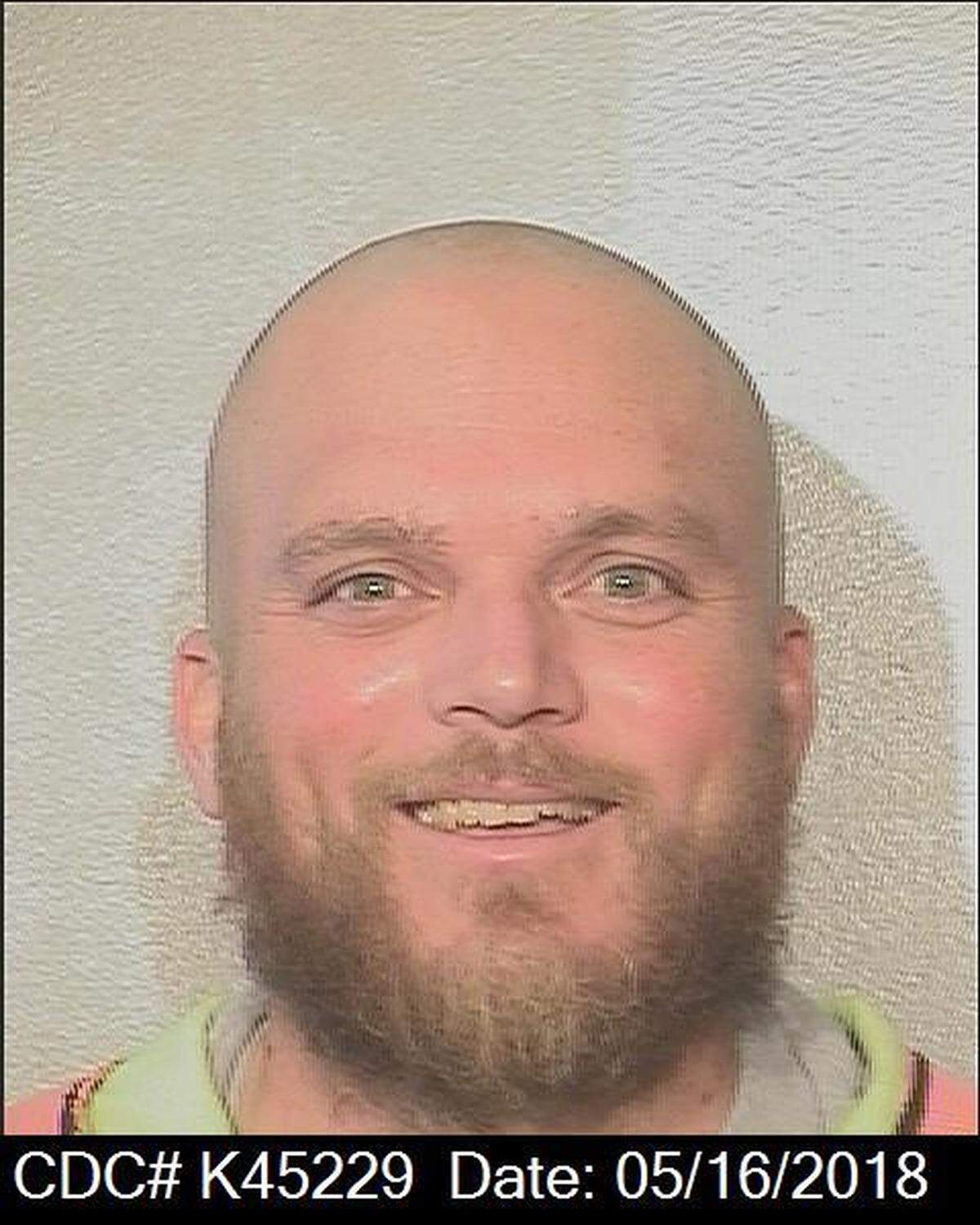
July 2019: Casey waives his next parole suitability hearing and parole is denied for three years.
August 2019: Fiorella waives his right to a parole suitability hearing for two years.
December 2021: Casey and Delashmutt testify at the request of the San Luis Obispo County District Attorney’s Office in the habeas corpus petition case brought by Fiorella. They tetify that Fiorella did understand the nature of the crime at the time.
Fiorella’s challenge is currently under submission by a Superior Court judge.
.jpg "Casey (1).jpg")
March 2021: Casey is granted parole by two California parole board commissioners. During the hearing, the commissioners find that Casey has a nearly 20-year record of model behavior in prison and participated in a series of rehabilitative programs, serves as a mentor, earned his GED, and is working on a specialized bachelor’s degree in psychology and sociology.
He says that if released, he plans to move to the Los Angeles area and find work as a substance abuse counselor.
“We find that the person who committed that crime and the person who sits before us today ... are two different people,” Presiding Commissioner Dianne Dobbs said.
Following the ruling, the state’s legal team has 120 days to review legal issues involved before it goes to the desk of Gov. Gavin Newsom.
The governor can reverse the decision, refer it for further review, or take no action, in which Casey will be scheduled for release after 30 days.
Fiorella waives his parole suitability hearing for one year. He has a tentatively scheduled hearing set for July 2022.
June 2021: San Luis Obispo County District Attorney Dan Dow writes a letter to Newsom opposing Casey’s release, writing that Casey “has never adequately explained why he participated in such a sadistic and heinous crime.”
Dow argues the parole panel “basically disregarded and gave inadequate weight to the horrific crime this inmate committed and looked instead at Casey’s behavior in prison,” Dow wrote. “In fact, there was little discussion of his crime in the March 2021 hearing. These commissioners did not correctly follow the law.”
David Pahler, Elyse’s father, tells The Tribune he does not oppose Casey’s release and personally thinks Casey is suitable and not a public safety risk.
Reporting from former Telegram-Tribune reporters Danna Dykstra-Coy, Dave Wilcox, and Patrick S. Pemberton contributed to this article.
This story was originally published June 18, 2021 at 9:00 AM.
CORRECTION: A previous version of this article misstated the sentences for Royce Casey, Jacob Delashmutt and Joseph Fiorella. Casey was sentenced to 25 years to life in state prison while Delashmutt and Fiorella were sentenced to 26 years to life in state prison.