
‘It’s finally over.’ Family of woman killed in Atascadero has answers after 4 decades
For more than 40 years, Patricia Dwyer’s family wanted answers.
Their beloved Pat was senselessly murdered in her Atascadero home in 1978, stabbed with a kitchen knife and sexually assaulted. The act devastated her mother, sister, niece and cousins.
And until a few weeks ago, the family had no clues as to who committed the crime.
Was it a boyfriend? they wondered. Her home showed no signs that it had been broken into, and surely her large husky dog, who never left her side, would have defended her from a stranger.
After the slaying, grief and fear laced Dwyer’s sister’s life and rippled down to her young niece: Is that person still out there? Will he come for us next?
Dwyer’s family got their long-awaited answer on April 17, when the San Luis Obispo County Sheriff’s office identified Arthur Rudy Martinez as the suspect in the murders of both Dwyer and Jane Antunez, who was found killed in Atascadero in 1977.
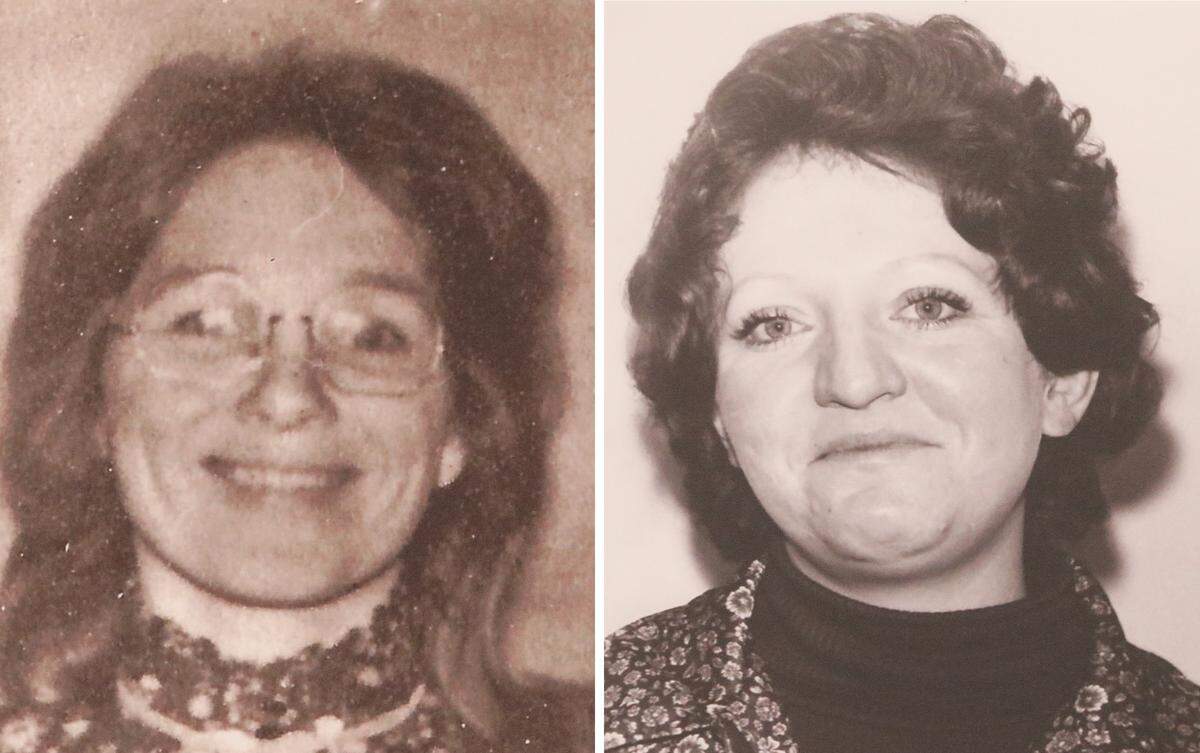
“I was like, ‘Oh my God, they found him,’ ” said Dwyer’s niece, Monica Betts-Campbell. “At the end, you sit down and you’re like, ‘Thank God that’s over.’ It’s finally over, we’re happy now. I just wish my mom could be here, I really do.”
A loving aunt
Pat Dwyer lived in Atascadero and worked at Atascadero State Hospital. She loved to laugh and have fun, and was practically inseparable from her white husky, Unit.
Betts-Campbell remembered that her aunt was a free spirit: She didn’t own a washer or dryer or even a television. She would come over to her sister’s house in San Luis Obispo to do laundry.
When Pat came over, “she had her laundry basket in hand and the dog would rush behind her and knock her over,” Betts-Campbell said. “Tab was her favorite drink. She would always drink it, and Tab would be flying everywhere.”
Betts-Campbell used to spend the night at her aunt’s house, and the pair would get enchiladas with olives and burrito supremes from Taco Bell.
“I remember going there and loving being with my aunt,” Betts-Campbell said. “She didn’t have any children. She was single, and it was all about me.”
Pat also wasn’t afraid of a little confrontation. She took Betts-Campbell to get her ears pierced, much to her mother Anne’s dismay.
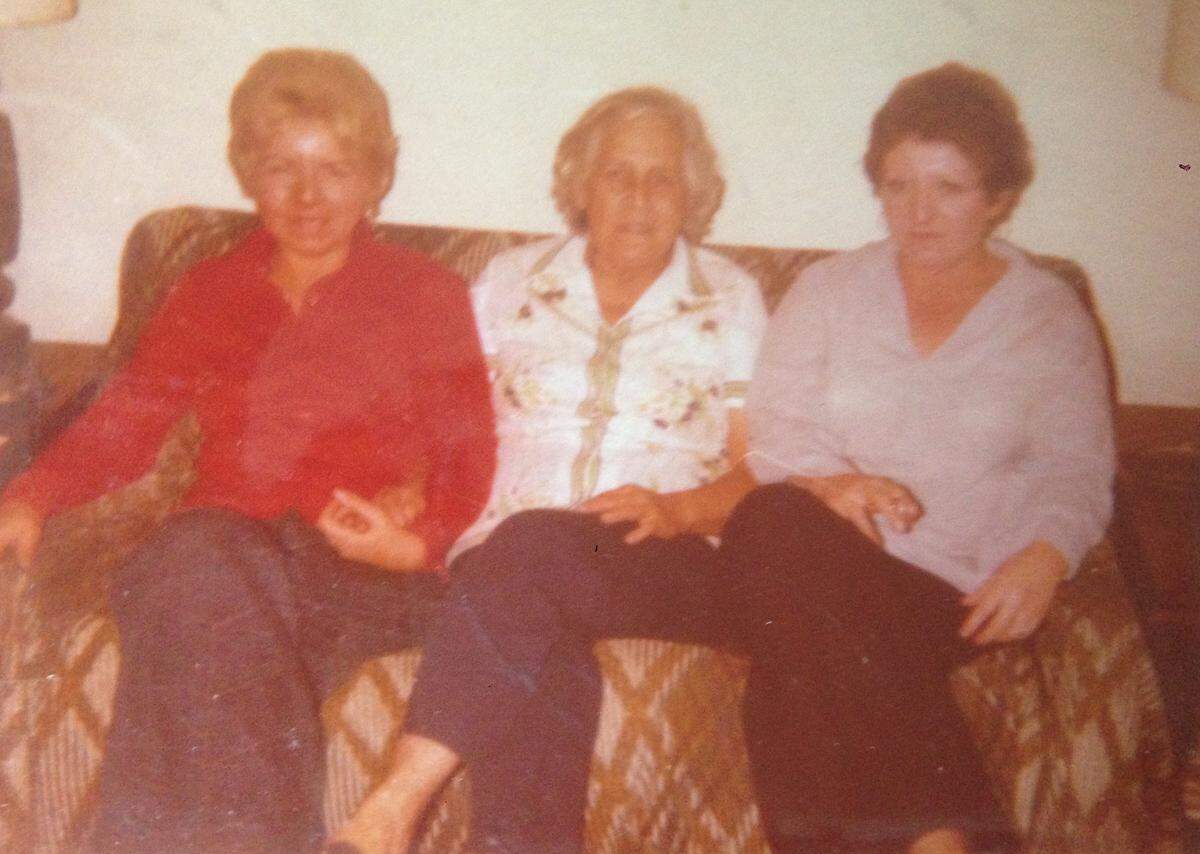
“She bought me a pair of daisy earrings and perfume. I remember walking in and my mom was livid,” Betts-Campbell said, laughing. “She said ‘You pierced her ears? Who said you could pierce her ears?!’ ”
“She never really worried about anybody’s opinions or what they thought of her,” Betts-Campbell said. “I often wonder, if things would’ve been different ... but it wasn’t meant to be.”
‘She loved life’
In her early 20s, Pat traveled to England to visit her mother’s family in the town of Hempnall, about 120 miles northeast of London.
Sarah Scott, one of Pat’s cousins in Hempnall, said that visit was the only time she met Pat in person.
Pat loved crafts and sewing, and the cousins bonded over the peculiar way they knitted. They both used the wrong hand to put wool around the knitting needle.
“We laughed about that,” Scott said. “She was a very, very happy girl.”
Pat’s mother, Beryl Dwyer, married an American soldier during World War II. They subsequently moved to the Central Coast, where Beryl raised Pat and her sister, Anne Betts, by herself after her husband died.
Scott remembered how the English cousins would send the Dwyers a big box of presents at Christmastime.
“They were very, very loved,” Scott said.
The distance made it hard for them to keep in touch with the rest of the family, though one cousin, David, made the reverse journey to America after Pat’s visit.
“Pat made the effort to come over to see her family and I said, ‘Hell, I’m going to America to see her,’ ” said David Beckett, one of Pat’s cousins in England. “So that’s what I did: I saved up, worked hard and off I went.”
Beckett was 22 when he came to the United States in 1976 for a monthlong visit. He stayed with Pat in Atascadero, while an uncle who came with him stayed in San Luis Obispo with Beryl.
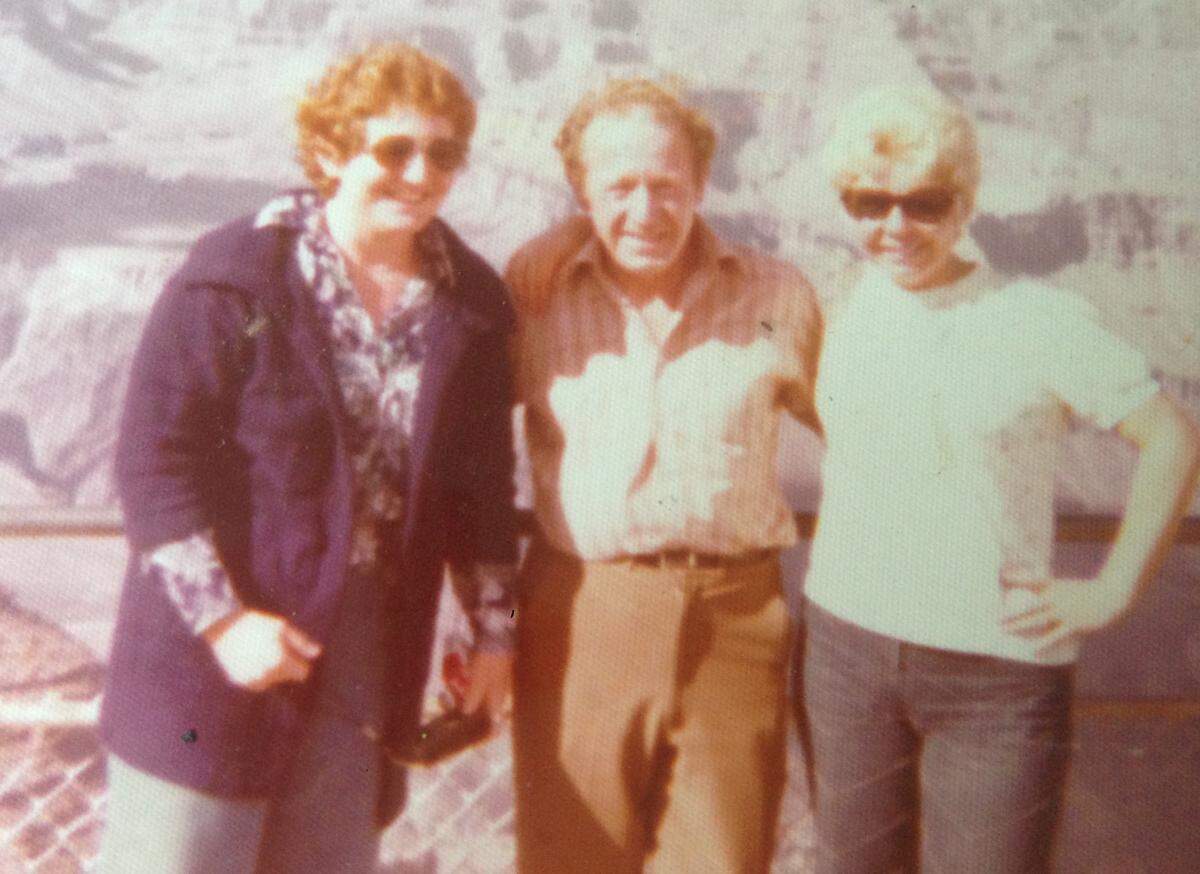
The uncle traveled with Beckett, Pat and her sister to the Grand Canyon, Las Vegas and Tijuana, Mexico, during the visit.
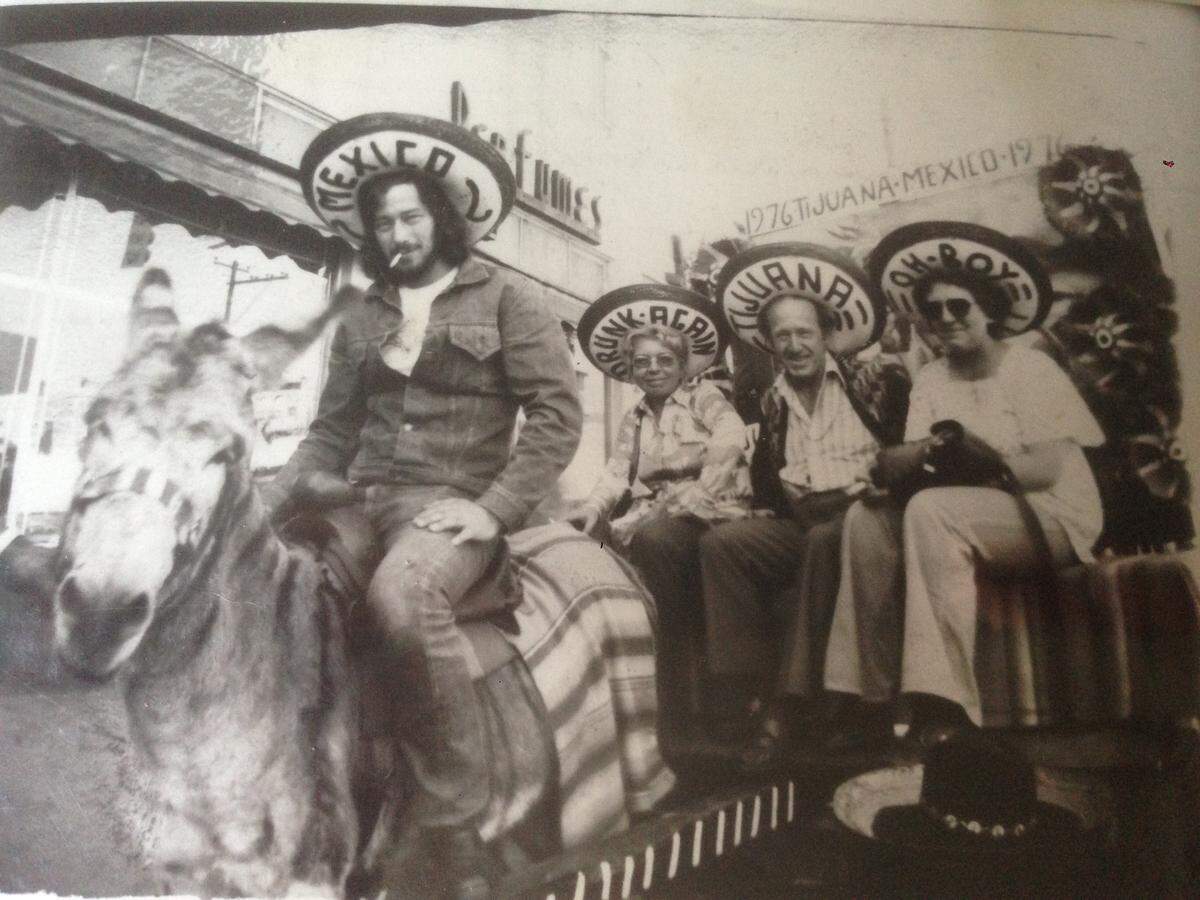
“For a month, it was like party time,” Beckett said. “The memories the pictures bring back are fantastic.”
Beckett said Pat would say things like, “I know I’m not pretty, I know I’m fat and all the rest of it, but I can still pull the guys.”
Pat didn’t care what other people thought of her, Beckett said, “With Pat, there was nothing wrong with how she was.”
“She was a fun-loving girl and, you know, wherever we went she could talk to people, have a laugh, drink, smoke and that was Pat,” he said. “She loved life.”
Death rocks the family
When Pat was killed, “we were devastated, absolutely devastated, we couldn’t believe it,” Scott said.
Beckett said that the news of Pat’s death, especially so soon after his visit with her, left him shattered.
Betts-Campbell doesn’t remember when she found out about her aunt’s death, but she does remember her grandmother crying.
“My grandmother was devastated,” Betts-Campbell said. “I remember she had to be hospitalized medically because she couldn’t stop crying.”
Her mother never cried outwardly, Betts-Campbell said, but it affected her too. And Pat’s husky, who had followed her everywhere, was never the same again.
“When they found her body, he had been in her blood for hours. He was covered in it because he kept trying to wake her up,” Betts-Campbell said. “The dog was a nervous wreck after that. He was never the same dog.”
For a time, the family moved to Hempnall.
“(My mother) just wanted something new and. I don’t know, maybe she thought it would be safe over there,” Betts-Campbell said. The family didn’t stay in England for long; a bad economy and other issues led them to move back to San Luis Obispo just a year or so later.
A ripple effect
Betts-Campbell was just 5 years old when her aunt died, but Pat’s killing sent shockwaves through her immediate family that reverberated for decades.
“My whole life was centered around that, to be honest,” Betts-Campbell said. “I wasn’t allowed to go outside and play. I wasn’t allowed to go out in the front yard and play. I wasn’t allowed to have sleepovers. We knew the murderer could be out there somewhere.”
She and her mother stopped doing fun outdoor activities, like going to Lopez Lake in Arroyo Grande.
“You don’t understand as a child,” she said. “And I never understood it till I got older.”
Betts-Campbell said her mother told her there were opened family photo albums at Pat’s house when her body was found, which led her to fear that the killer saw pictures of them and was coming for them next.
“She’d say, ‘Be careful out there, you don’t know who’s out there,’ ” Betts-Campbell said. “It affects everything. I’d think, ‘Could I have run into him today? Could I have passed him on the street and not known it?’ ”
Coincidentally, Betts-Campbell moved to the Fresno area in 2007, while Arthur Martinez was also living in the area.
“As a child, I’m worried about running into him. Now, I’m in Fresno ...” she paused. “It’s just weird knowing he was that much closer to me.”
Closure at last
Anne Betts wanted her sister’s murder solved with all her heart, Betts-Campbell said. But she never lived to see it happen; she died in 2017.
Coincidentally, Betts-Campbell says it was around the time her mother died that she got a call from the Sheriff’s Office saying they were going to reinvestigate Pat’s case.
“I was like, ‘My God, she’s already working on it! She still, even in death, has to have that closure,’ ” Betts-Campbell said, remembering how her mother would visit psychics and do everything she could to find answers.
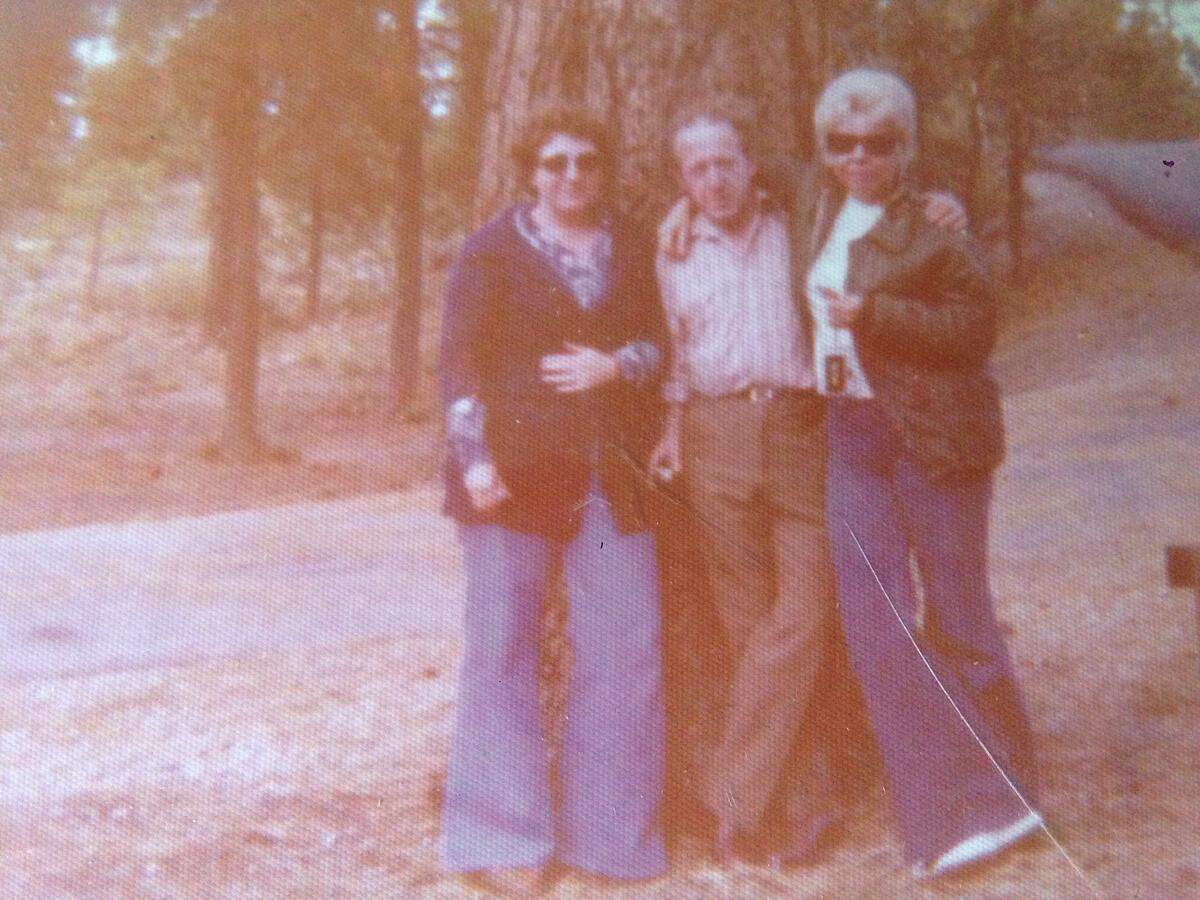
“I’m very sad Anne didn’t get to hear the news,” Scott said. “I was so shocked. I was relieved, yes, that they do know who killed Pat, but I’m very sorry he never served time for her murder. He never answered for her.”
Though Martinez has been dead for nearly five years and will never stand trial for Dwyer’s or Antunez’s killings, the revelation has finally brought an end to more than 40 years of questions and uncertainty for Pat’s family.
“You couldn’t work out why anyone would ever want to do her any harm,” Beckett said. “I think this is an end to it. It’s nice to have closure on something, and it’s a shame more of the family aren’t alive to hear it.”
“It’s amazing we finally have the closure on it,” Betts-Campbell said. “I am sad to think he’s gone and he won’t stand trial, he won’t pay for his crimes. But at the same time, we have the closure now.”
This story was originally published May 1, 2019 at 11:30 AM.