
Wise words from Jim Hayes
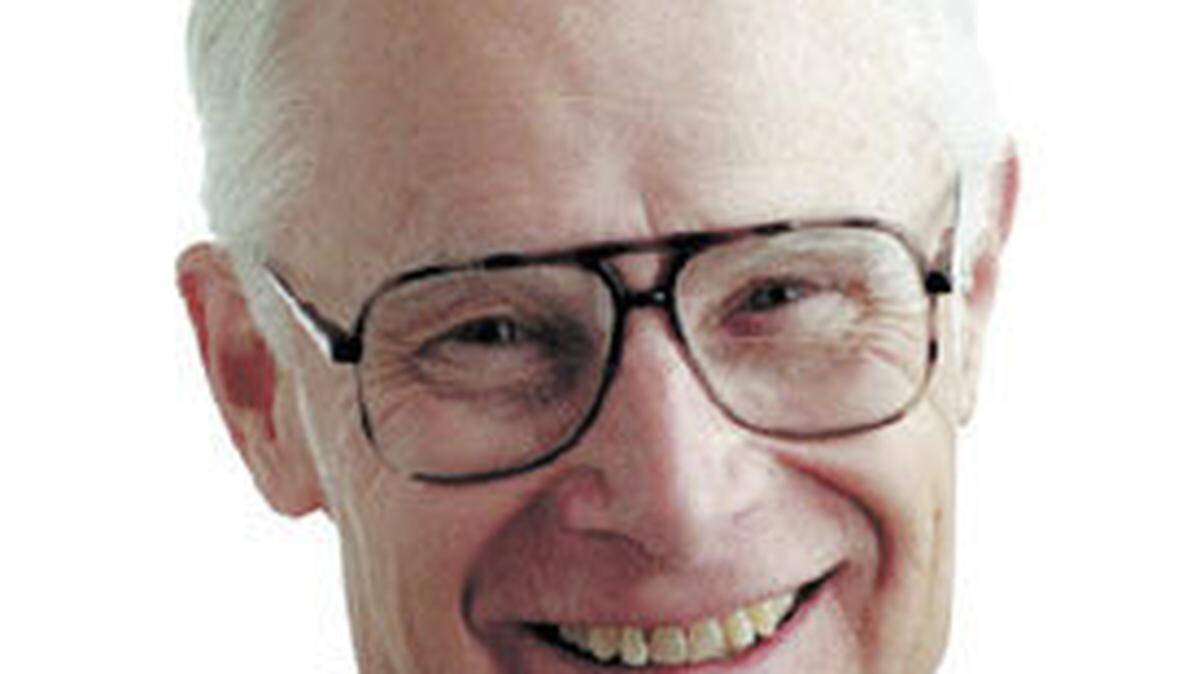
I’m still learning from Jim Hayes. In the early 1970s he was one of my editors at the Telegram-Tribune. In the 1980s, he coached me there on my writing. And last week in the Tribune I read his wise words about medical treatment for us old people.
He said, “CT scan found nodules on my lungs, but I rebelled at a biopsy. Too risky for a weak 87-year-old, and besides, if they found malignancy I would have rejected surgery, chemo and radiation. Aggressive treatment is for the young.”
I’m 83 and in reasonably good health, but I hope I’ll remember Jim’s words when I face a similar situation.
Here’s what an elderly friend of ours did. She had suffered a heart attack, had a pacemaker implanted and started taking the prescribed medications. A member of her family said our friend then became dissatisfied and discouraged with her discomfort, disabilities and limited life. She stopped taking her medications and soon died.
There is no known cure for old age. But here’s a saying I heard many years ago, “Pneumonia is the old man’s friend.” Untreated pneumonia has a reputation for being a relatively quick and painless killer. That could bring relief and peace to an old person with chronic painful, debilitating ailments.
There are also more positive ways to treat frail old people. They were described in The Atlantic magazine for December. The article was written by Jonathan Rauch and had the misleading title of “The Home Remedy for Old Age.”
To me “remedy” implies a cure, and we’ve already agreed there is no cure for old age. A more accurate title would be “The Home Treatment for Old Age.” The article makes the argument that frail old people should mainly be treated at home instead of in hospitals.
It says that Medicare is spending more than 25 percent of its budget on people who are in the last year of their lives. It says, “Much of that spending is attributable to hospitalization.”
The article also says some Medicare patients have five or more chronic illnesses such as heart failure, arthritis, dementia, edema and obesity. Those patients amount to less than 25 percent of Medicare’s beneficiaries, but they cost more than 66 percent of Medicare’s spending.
The Atlantic article says Medicare could reduce that spending by encouraging more hospice-type homecare for frail old people. The old people might also do better in their own homes rather than in intimidating hospitals.
So as an 83-year-old, I agree with Jim Hayes. Keep me out of hospitals, if at all possible. Hospitals’ intensive care units can do wonderful things, but they can’t cure old age.
This story was originally published April 3, 2014 at 6:12 PM with the headline "Wise words from Jim Hayes."