Why we mourn: How writing of loss has helped a North Coast writer process her grief
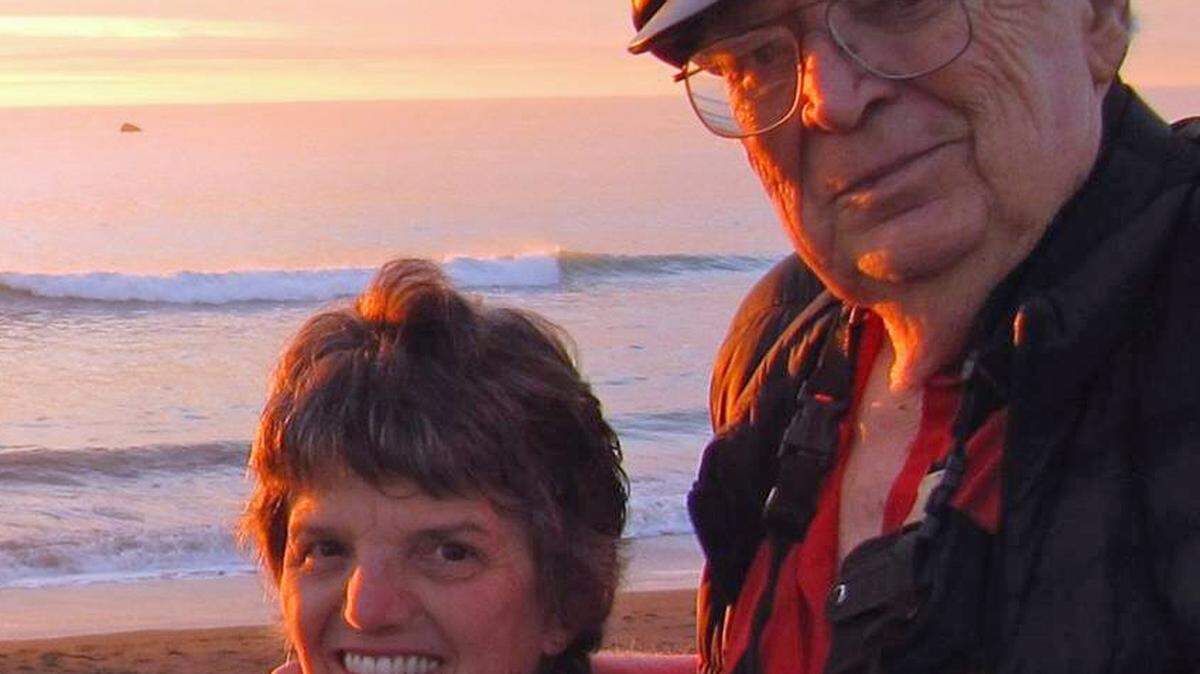
Just when I think people are tired of reading about how I’m grappling with grief about the death of my husband, I get another wave of love, support and even gratitude from some of those readers.
“They must be so sick of it by now,” I told myself about my year of occasional writings about the topic. “They must want me to shut up about it already and move on.”
Apparently not.
What I was forgetting was that so many others are experiencing the same thing … the gradual process of grieving about the loss of someone they love, and not just through an expected (but still dreaded) death of a very-ill someone who has lived a good, long life.
So, when I write about my grief, I’m writing about them, too, and in the process, reminding them that they’re not alone.
Why we mourn
Separation heartache has many causes, from divorce to empty-nest syndrome, estrangement from friends and family to having someone succumb after a lingering illness, or die suddenly due to an accident, medical crisis or result of the pandemic.
Grief wears other shrouds, too, clothing us in sorrow about any drastic change to our lives, or something we fear might cause a change in the future.
We grieve the loss of a home or lifestyle – or a thousand of them, as was the case in wildfire-ravaged areas, earthquakes or other catastrophes.
We mourn the loss of a community, or losses to one’s home. We mourn tragedies — our own and those affecting others.
There are grief flashbacks, too: Covering any story about a fire brings up trauma memories of having our own home destroyed by a fire.
Grief can also wrap around the deployment of a military family member, when we’re silently terrified about what the dangers they might face, even as we’re so very proud of their willingness to serve. That, too, is a sharp change in the lives of those who love that person, the kind of change that can trigger grief.
Grieving doesn’t just affect a spouse or parent or child. It affects the entire family, each member dealing with the drastic life change in a different way at a different pace. It affects friends and strangers, entire communities.
Grief doesn’t disappear. It just changes — and can be cumulative — building up in layers, one major life change after another.
The moderation of grief isn’t a gradual upwards climb. It’s a roller coaster emotional ride. While those of us on that ride may want to throw up our arms and shriek when our life cars take a deep, fast dip, many of us aren’t willing to express our grief that way, at least not in public.
So, most of us deal with those “low” moments in other ways that we assume are more socially acceptable.
What I do, and why
I know I can’t bury the feelings, because doing so really could make me sick. So, I write about them, and once in a while, I share those thoughts.
What triggered my Facebook posting on the 44th anniversary of my marriage to Husband Richard?
I’d been feeling extra weary for weeks, and wondered if I was coming down with an unidentified illness that was taking its own sweet time in manifesting into something that could be labeled and treated.
Then my insightful about-to-be daughter-in-law, Jenny Hayes, nailed the diagnosis in a tender text that showed how much she cares about and understands me.
I wasn’t ill, she insisted. Instead, I was dealing with a calendar-caused onslaught of grief, wading through seven major annual celebrations in eight weeks.
“You’re OK, Mom,” she said. “You’re grieving.”
Hearing that was so freeing, as I recognized all that emotional drain within eight weeks or so can be so exhausting. I am entitled to feel exhausted, I told myself, even when I haven’t accomplished anything else other than just being, putting one foot in front of the other and carrying on.
So, I wrote again, this time online, and surprise! I got a fast tidal wave of responses, many of them thanking me for elaborating about something they’ve had trouble expressing for themselves.
I’m listening and learning as I wade through all this, from Jenny and from all of you who have assured me that when I write about how I’m dealing with all of the progressive layers of grief, I’m also writing about you.
If my doing so helps you in any way — just as Jenny’s insightful observation helped me — then I’m honored to do that. And no, as long as you want to read about it, I won’t stop.
We’re in this together, you and I, and it can be comforting to know that we’re not alone in riding this emotional roller coaster of loss and change.